


Secondary sourceArtifactfirst quarter of 3rd century AD
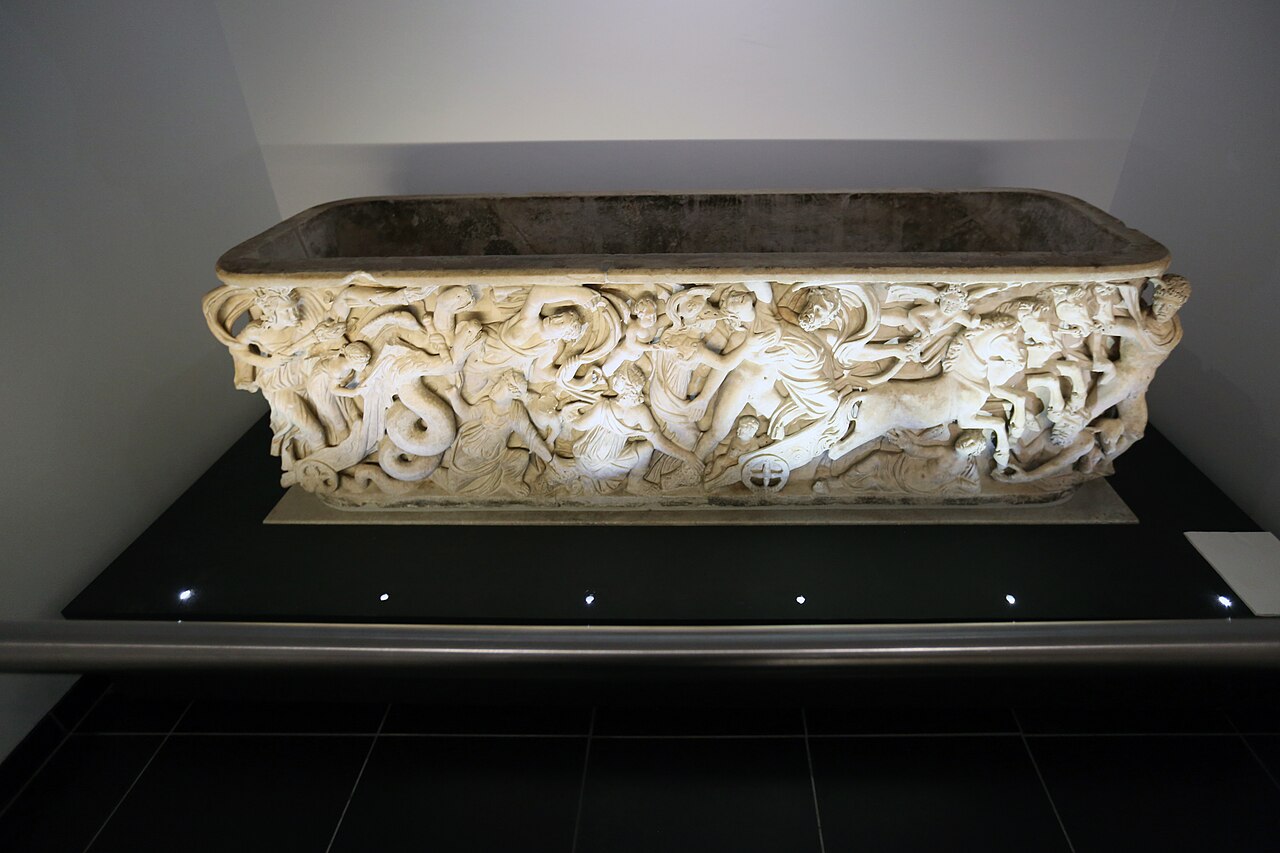
Proserpina Sarcophagus
first quarter of 3rd century AD
A reused third-century Roman marble sarcophagus believed to have held Charlemagne's body after his death, now in Aachen Cathedral Treasury.
This ancient Roman sarcophagus is believed, though disputed, to have been Charlemagne's original burial container, linking him to Roman imperial tradition.
About this source
What it is
This Roman marble sarcophagus was carved in the early third century AD in Rome, decorated with a relief of the myth of the Rape of Persephone. It is believed, though disputed among historians, to have been used for Charlemagne's burial in Aachen Cathedral after his death in 814. It survives today in the Aachen Cathedral Treasury, having been moved to Paris by Napoleon and later returned.
Why it matters
If Charlemagne was indeed buried in this ancient Roman sarcophagus, it shows how he wanted to connect himself to the authority of the old Roman Empire, even in death. Some historians argue the sarcophagus may not have held him until centuries later, which shows how uncertain and debated even famous
This artifact is part of the curated material that grounds the AI version of Charlemagne on Humy.ai — when students ask about related events, the AI can quote it and cite it.
More Charlemagne sources
Meet the AI Charlemagne →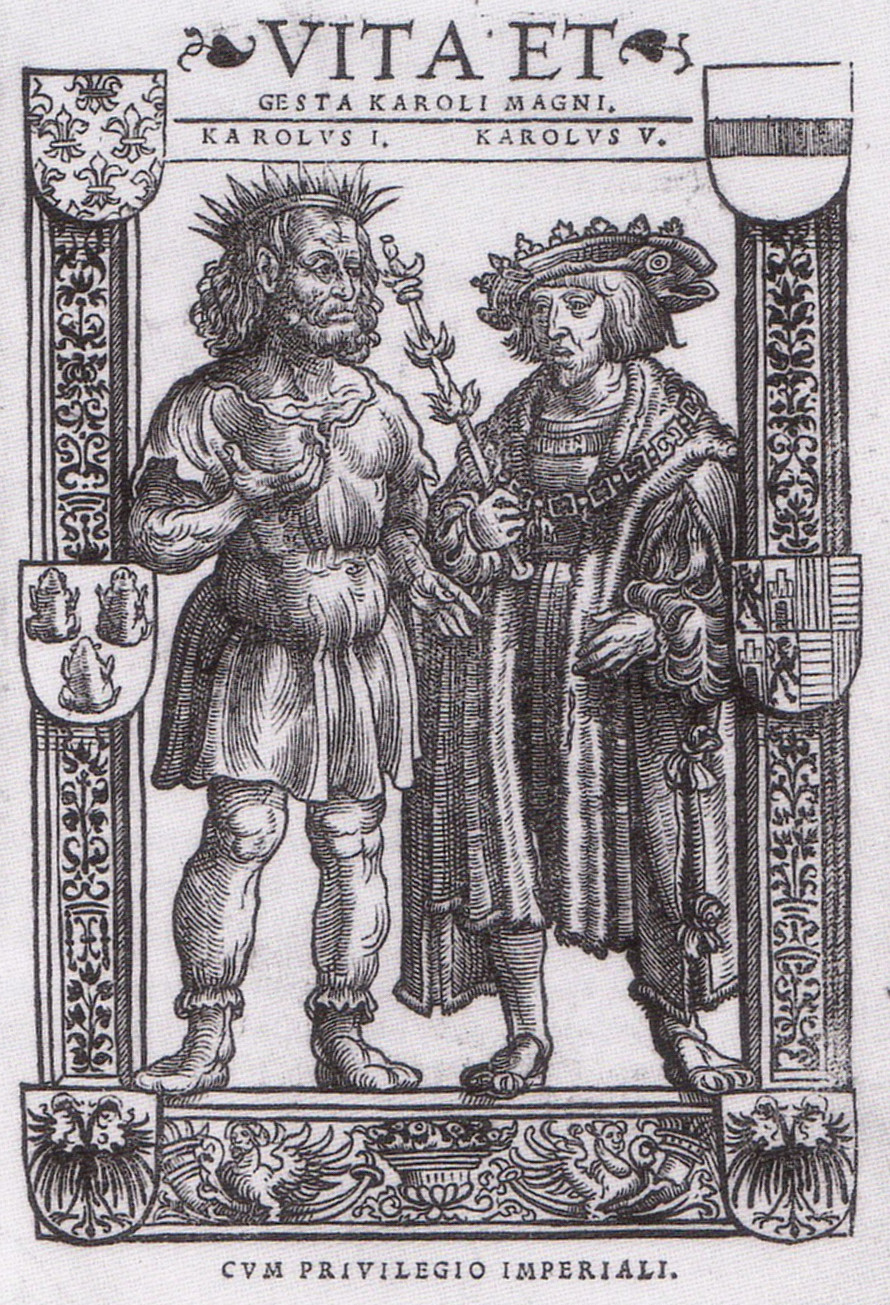 Book
Secondary source
Vita Karoli Magni
Einhard · c. 817-833
 Document
Primary source
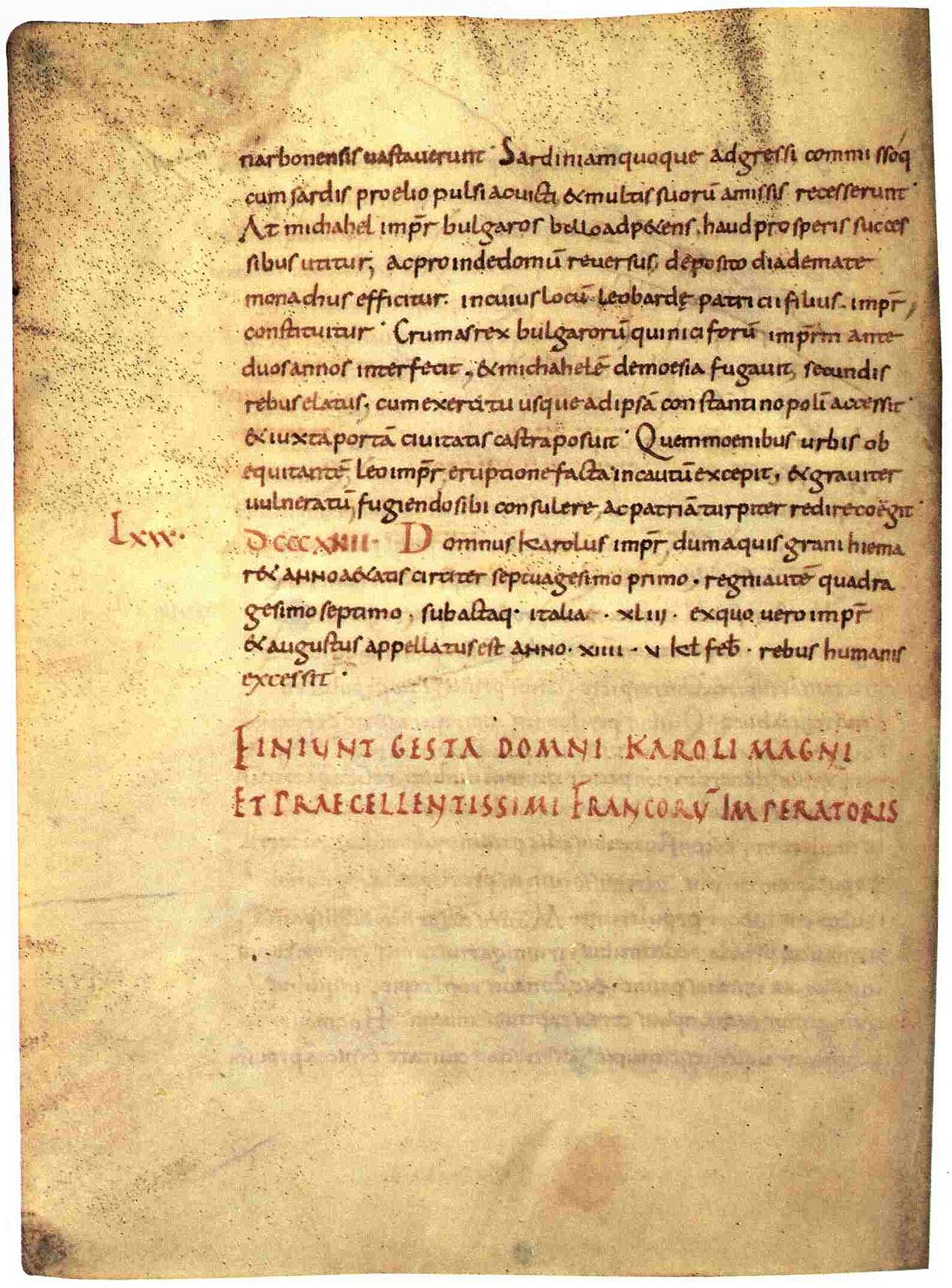
Royal Frankish Annals
741-829, this manuscript c. 900
Primary source
De litteris colendis
Charlemagne · late 780s-800s
 Document
Primary source
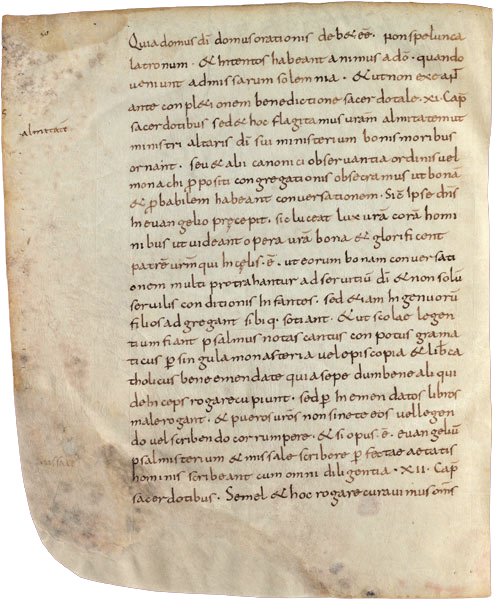
Admonitio generalis
Charlemagne · 23 March 789
 Document
Primary source
Capitulare de villis
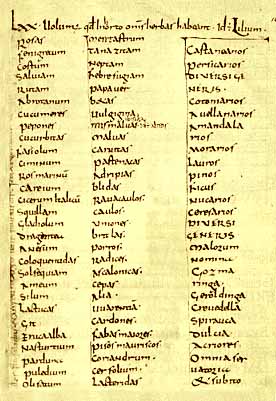
c. 771-800
Ready when you are
Start chatting with Charlemagne now.
20 messages free · No credit card · Available in 50+ languages.