


Primary sourceBook
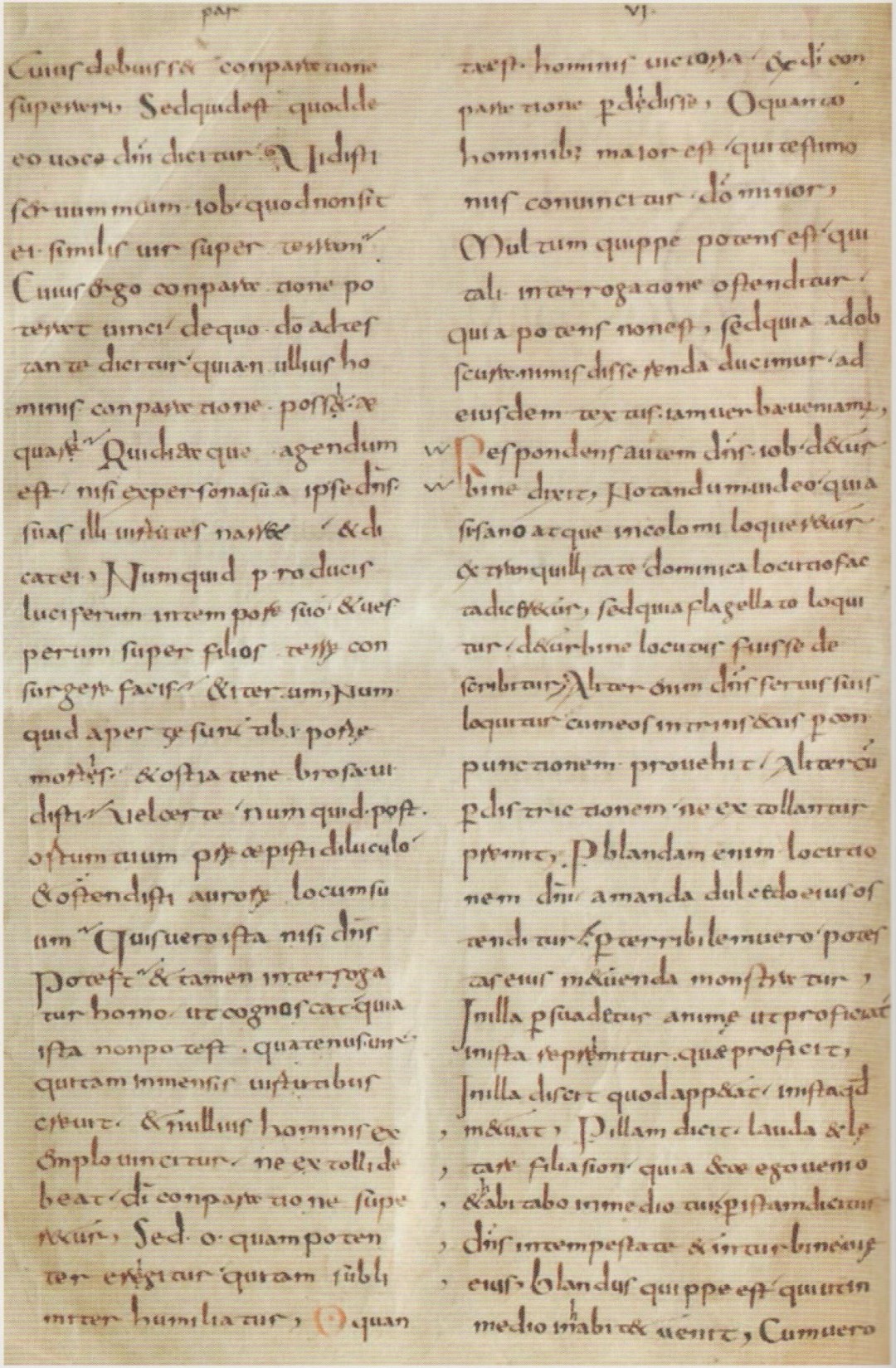
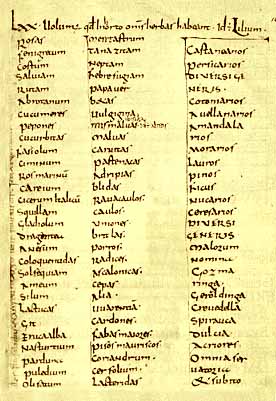
Minuscola Carolina Corbie
An early manuscript from the abbey of Corbie written in Carolingian minuscule, the clear script promoted by Charlemagne's educational reforms.
This manuscript illustrates the Carolingian minuscule script spread through Charlemagne's educational reforms.
About this source
What it is
This is a medieval Latin manuscript page written at the abbey of Corbie in Carolingian minuscule, an early and particularly clear example of this script. The author is unknown. The pages show two columns of continuous brown-ink text with red initial letters.
Why it matters
Carolingian minuscule spread widely during Charlemagne's reign as part of his efforts to standardise writing and learning across his empire. This script is the direct ancestor of modern lowercase letters, making this manuscript a key piece of evidence for how Charlemagne's reforms reshaped European writing for centuries afterward.
Look closer
- How does this handwriting compare to the lowercase letters you use today?
- Why might a ruler care about standardising handwriting across his kingdom?
- What does the use of red ink for initials suggest about how readers used this text?
This book is part of the curated material that grounds the AI version of Charlemagne on Humy.ai — when students ask about related events, the AI can quote it and cite it.
More Charlemagne sources
Meet the AI Charlemagne →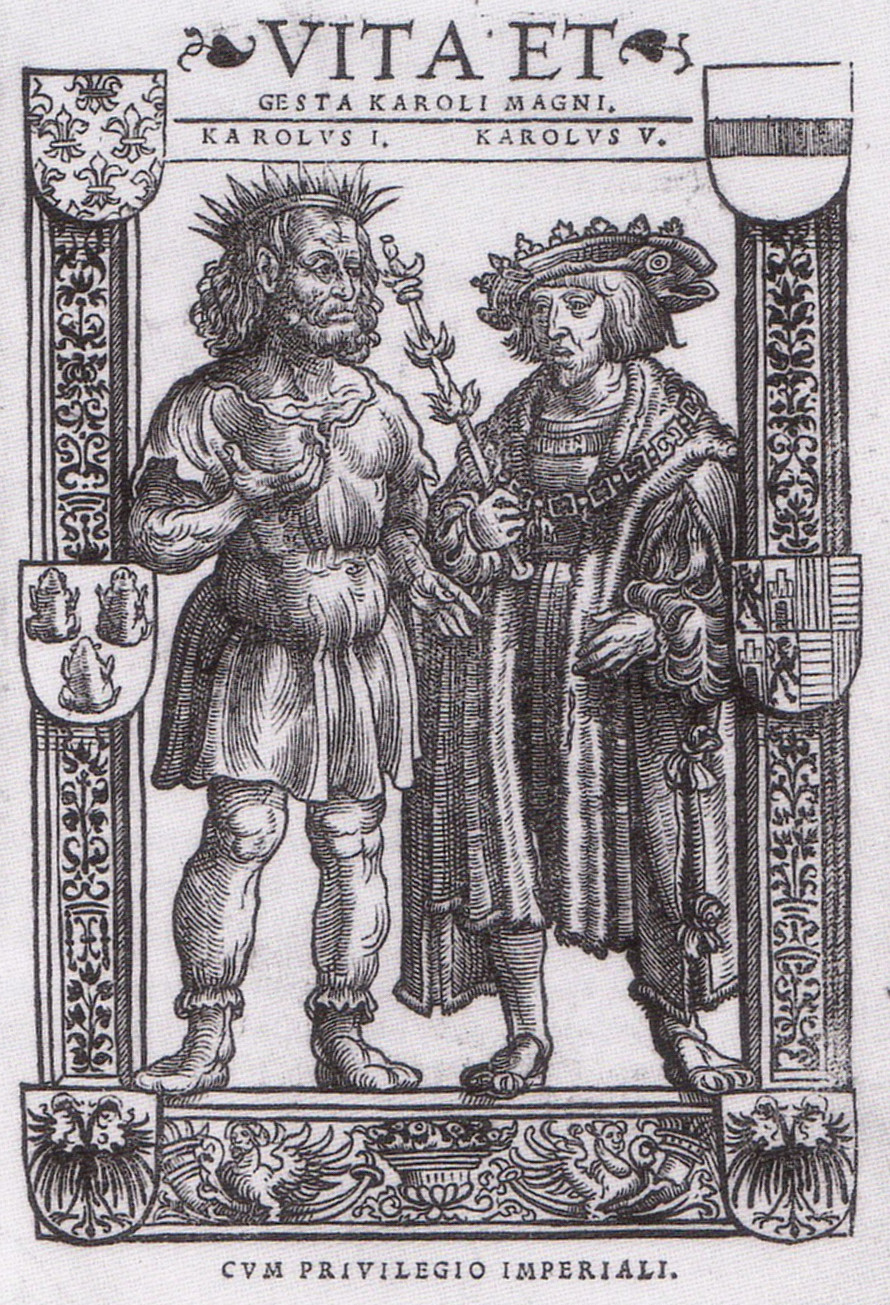 Book
Secondary source
Vita Karoli Magni
Einhard · c. 817-833
 Document
Primary source
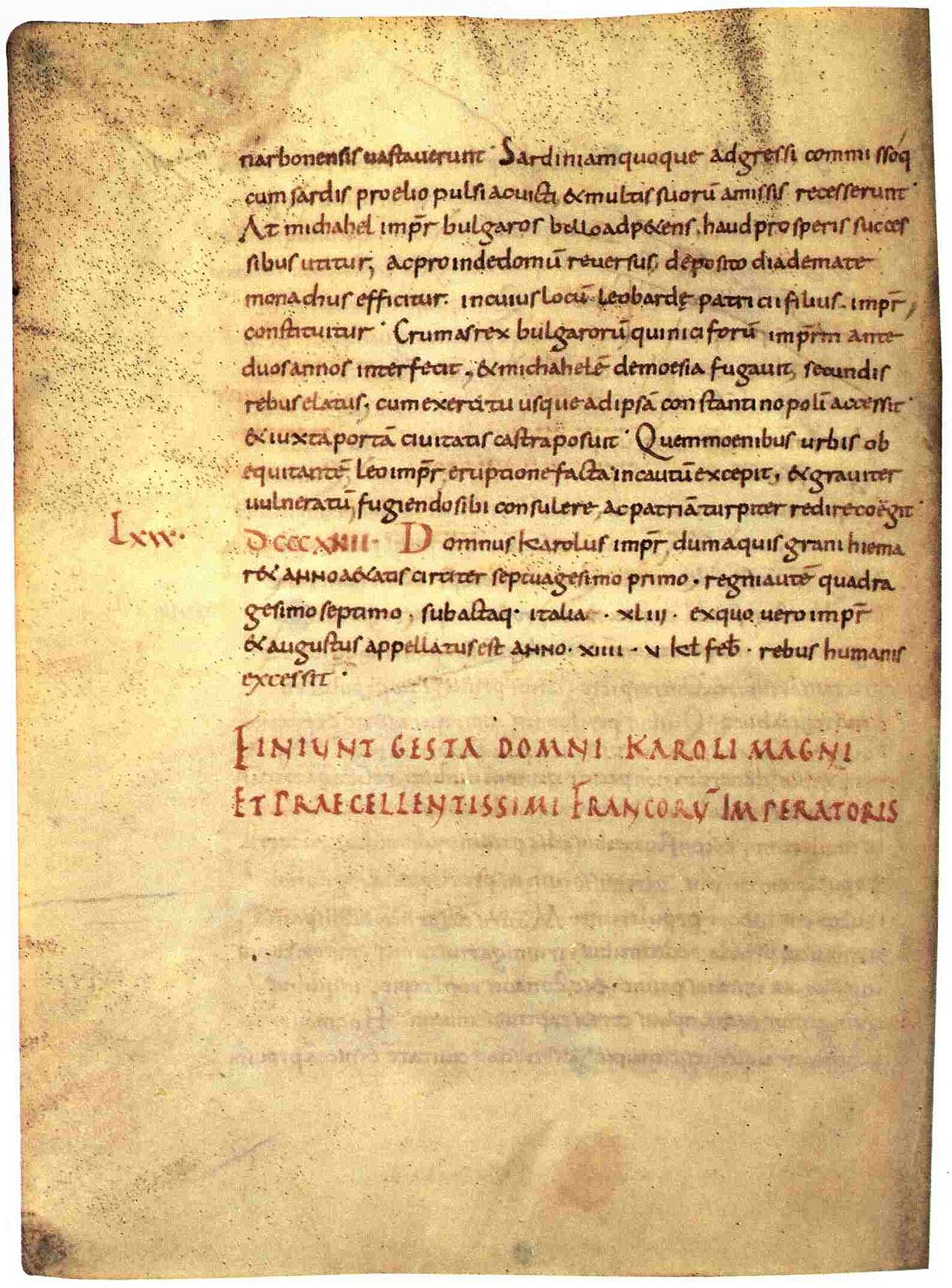
Royal Frankish Annals
741-829, this manuscript c. 900
Primary source
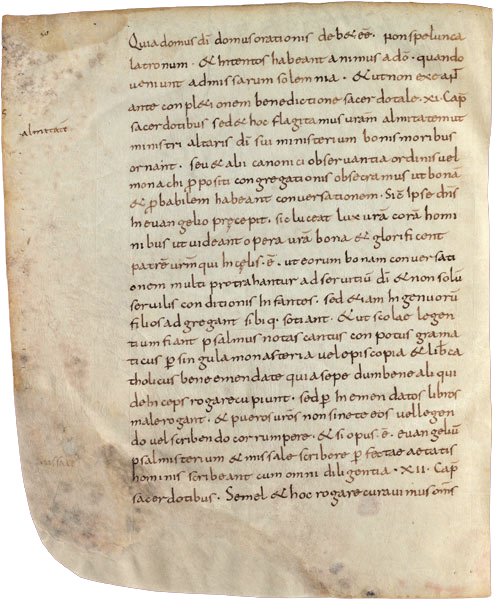
De litteris colendis
Charlemagne · late 780s-800s
 Document
Primary source
Admonitio generalis
Charlemagne · 23 March 789
 Document
Primary source
Capitulare de villis
c. 771-800
Ready when you are
Start chatting with Charlemagne now.
20 messages free · No credit card · Available in 50+ languages.