


Secondary sourcePhotographJuly 1971
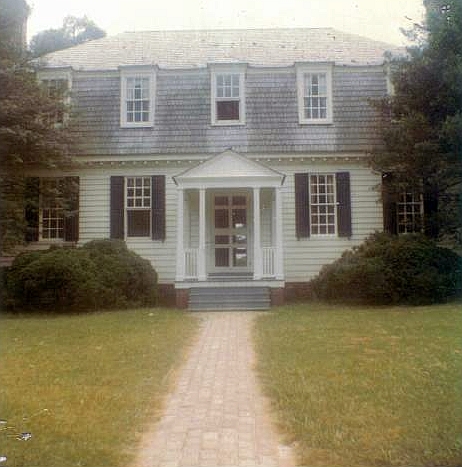
House Where Cornwallis Surrendered to Washington, 1971 Photograph
Billy Hathorn · July 1971
A 1971 photo of the Moore House area near Yorktown, where Cornwallis's surrender ended the campaign that James Armistead Lafayette's spying helped shape.
Shows the site of the Yorktown surrender, the outcome of the campaign James Armistead Lafayette's intelligence helped secure.
About this source
What it is
This is a color photograph taken in July 1971 by Billy Hathorn, showing a colonial-style house associated with the site where British general Cornwallis surrendered to George Washington in 1781, ending the Yorktown campaign.
Why it matters
The surrender at Yorktown was the culmination of a campaign that James Armistead Lafayette's espionage helped the American and French forces win. This modern photograph shows the physical setting of that victory, long after the events took place.
Look closer
- Why might a photograph taken nearly two centuries after the surrender still be useful to historians?
- What does this peaceful, preserved house hide about the violence and tension of the actual surrender?
- Whose stories, like that of enslaved spies, are not visible in a photograph of a building?
This photograph is part of the curated material that grounds the AI version of James Armistead Lafayette on Humy.ai — when students ask about related events, the AI can quote it and cite it.
More James Armistead Lafayette sources
Meet the AI James Armistead Lafayette →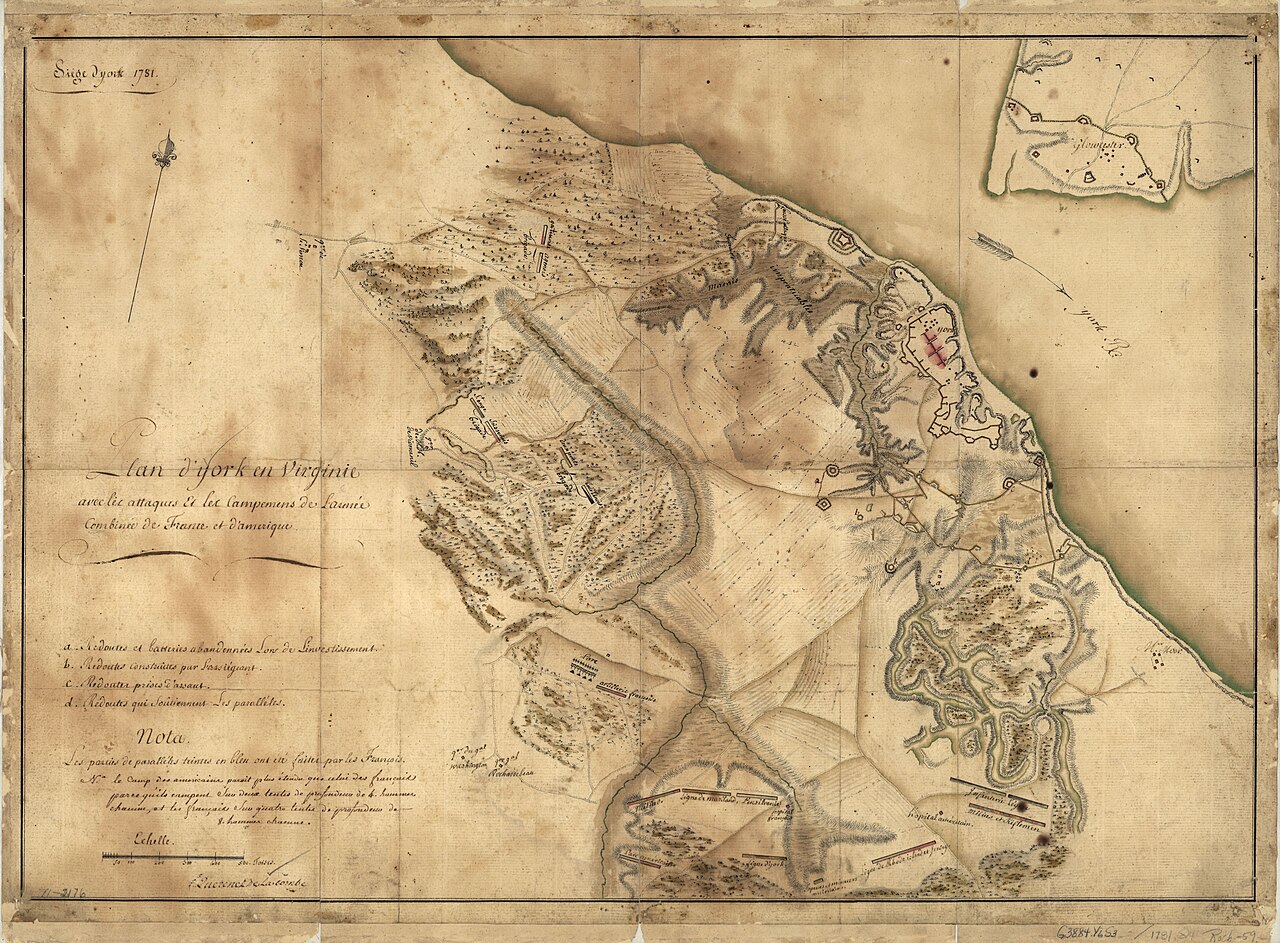 Document
Primary source
Siege of York, 1781: Plan of Franco-American Siege Works
Querenet De La Combe · 1781
 Document
Primary source
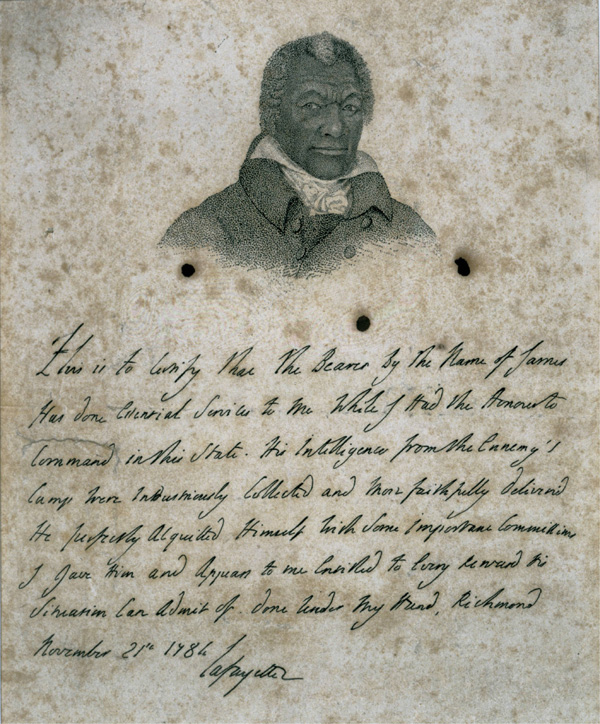
Certificate for James Armistead Lafayette
Marquis de Lafayette · 21 November 1784
 Document
Primary source
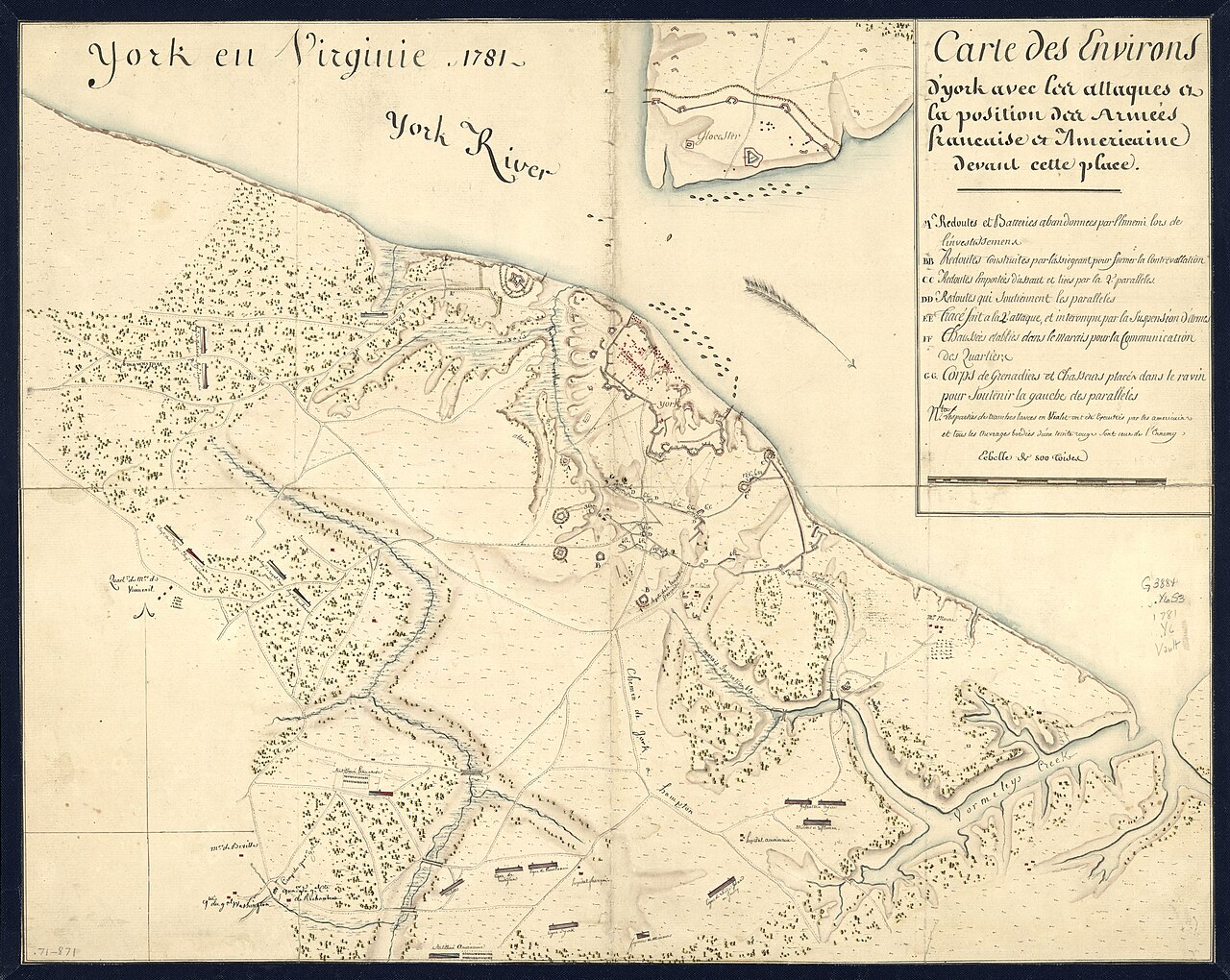
York en Virginie, 1781: Map of Franco-American Positions at York
1781
 Painting
Primary source
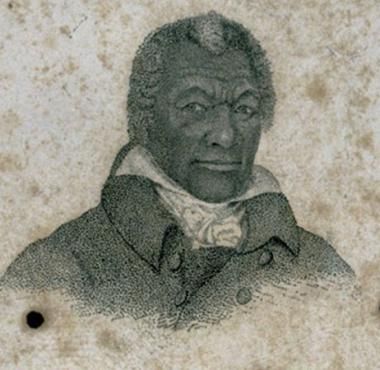
Portrait of James Armistead Lafayette
John B. Martin · c. 1824
 Document
Primary source
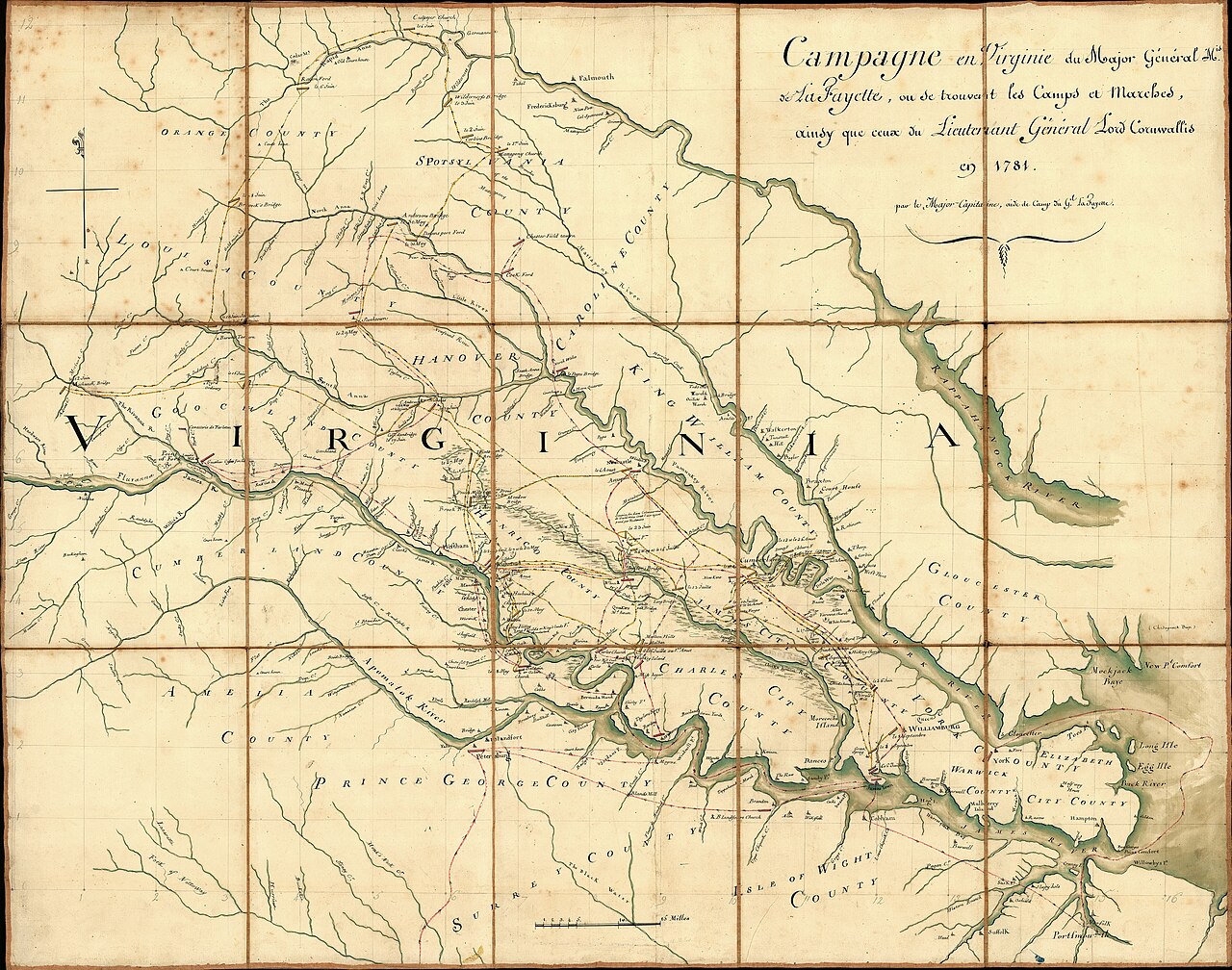
Campaign of the Marquis de Lafayette in Virginia, 1781
Michel Capitaine Du Chesnoy · 1781
Ready when you are
Start chatting with James Armistead Lafayette now.
20 messages free · No credit card · Available in 50+ languages.