


Primary sourceDocument1864
How People May Live and Not Die in India
Florence Nightingale · 1864
Florence Nightingale's 1864 published paper arguing for sanitary and famine reform in India.
Nightingale wrote this paper herself, extending her sanitary reform arguments to colonial India.
About this source
What it is
This is a printed paper by Florence Nightingale, published in 1864 in London. It began as a paper read at a social science meeting in Edinburgh in 1863 and was reprinted because of public demand, based on a Royal Commission report on the sanitary condition of the Indian army.
Why it matters
Nightingale spent much of her later career on public health reform far beyond British hospitals, including sanitary conditions in colonial India. This text shows her extending her statistical and reform-minded approach to a different part of the British Empire, arguing that better sanitation could prevent death and disease.
Look closer
- What does the title suggest about the argument Nightingale is making?
- Why might a report on the Indian army lead Nightingale to write about ordinary people's lives in India?
- What does this text reveal about Britain's relationship with India at the time?
This document is part of the curated material that grounds the AI version of Florence Nightingale on Humy.ai — when students ask about related events, the AI can quote it and cite it.
More Florence Nightingale sources
Meet the AI Florence Nightingale →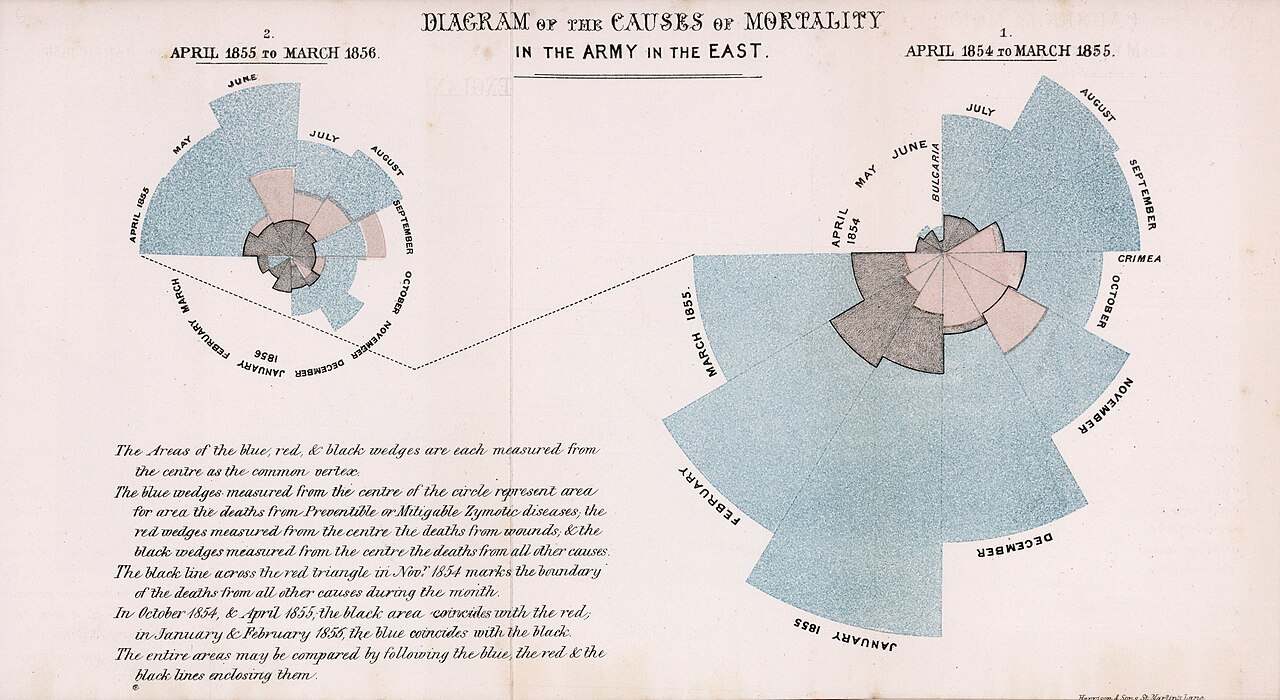 Document
Primary source
Diagram of the Causes of Mortality in the Army in the East
Florence Nightingale · 1858
 Painting
Primary source
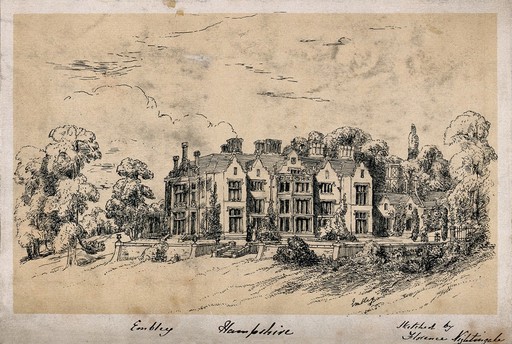
Embley Park, Hampshire
Florence Nightingale · 1854
Primary source
Recording of the voice of Florence Nightingale
Florence Nightingale · 1890
 Painting
Primary source
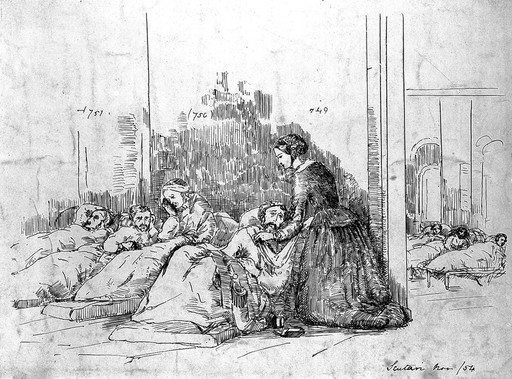
Lithograph of Florence Nightingale, 1854
1854
 Painting
Secondary source
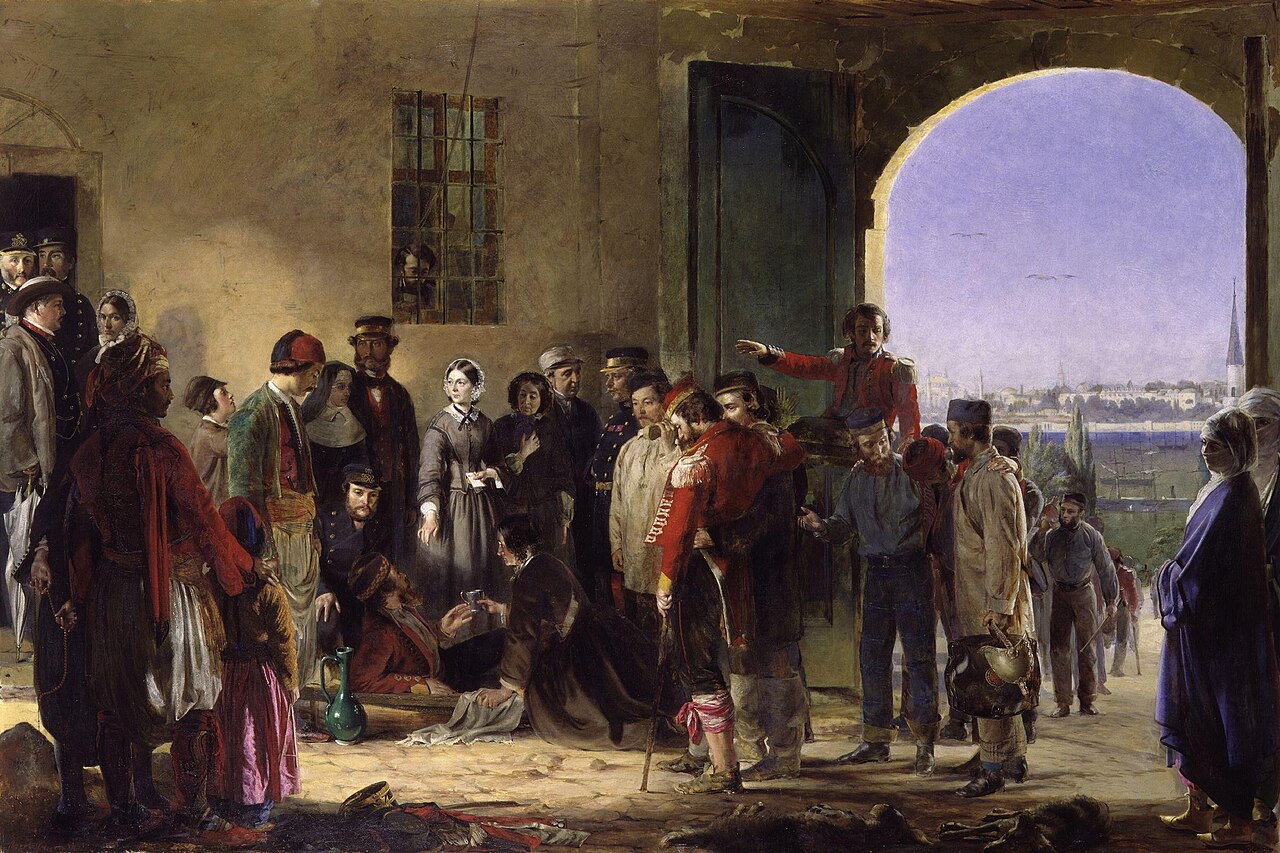
The Mission of Mercy: Florence Nightingale receiving the Wounded at Scutari
Jerry Barrett · 1857
Ready when you are
Start chatting with Florence Nightingale now.
20 messages free · No credit card · Available in 50+ languages.