


Secondary sourceBookc. 139 BCE
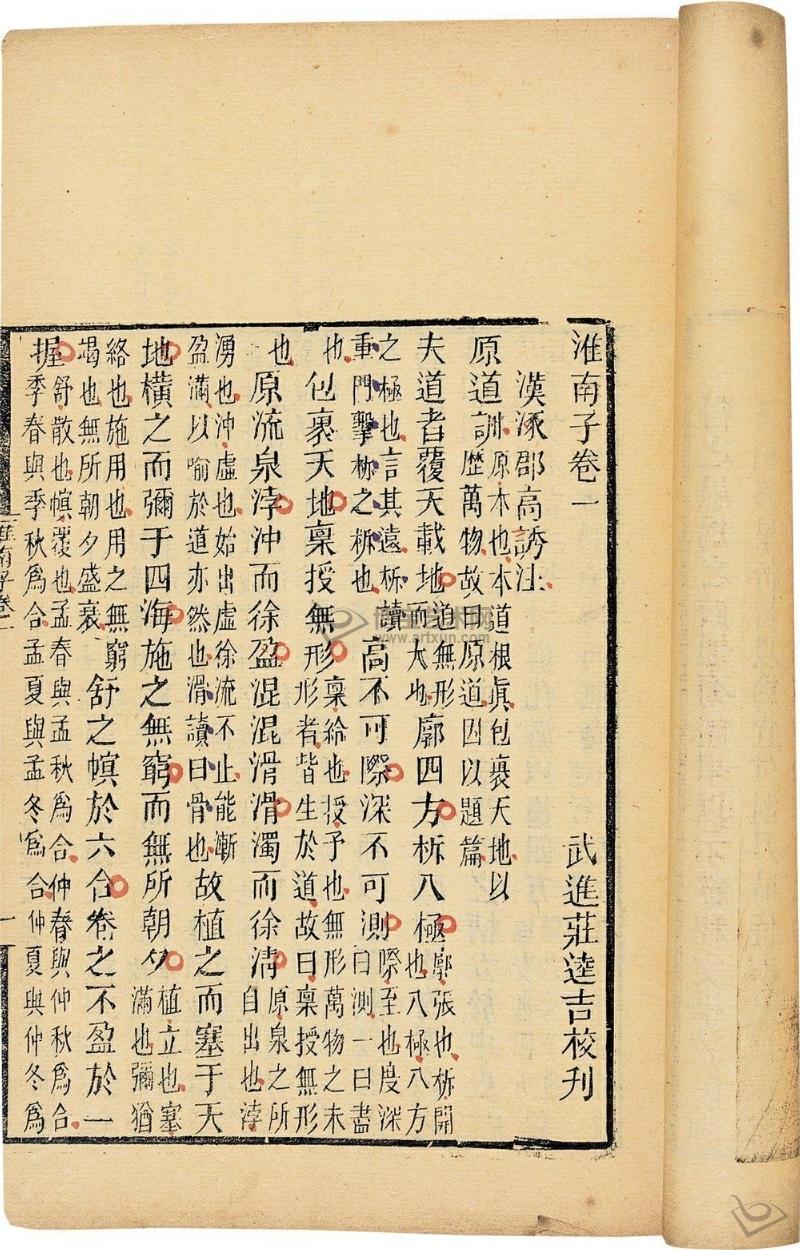
Huainanzi
Liu An · c. 139 BCE
A 2nd-century BCE Chinese philosophical compendium from the court of Liu An that repeatedly quotes Laozi's sayings as authority for its political ideas.
This Han court text quotes Laozi's sayings extensively, showing how his teachings became authority for political philosophy.
About this source
What it is
The Huainanzi is a Han-dynasty compendium of essays compiled from debates at the court of Liu An, Prince of Huainan, presented to Emperor Wu around 139 BCE. It covers philosophy, government, astronomy, and nature, drawing on Taoist, Legalist, Confucian, and Mohist ideas.
Why it matters
The Huainanzi quotes the Laozi extensively, especially in its 'Daoying' chapter, using his sayings to support ideas about a wise, restrained ruler. This shows how Laozi's teachings were adapted by Han scholars and rulers to justify their own political philosophy, long after his own time.
Look closer
- Why might a prince's court want to quote an old philosopher like Laozi to support their political arguments?
- What does it mean that this text mixes Taoist ideas with Confucian and Legalist ones?
- How can quoting a philosopher change or simplify what he originally meant?
This book is part of the curated material that grounds the AI version of Laozi on Humy.ai — when students ask about related events, the AI can quote it and cite it.
More Laozi sources
Meet the AI Laozi →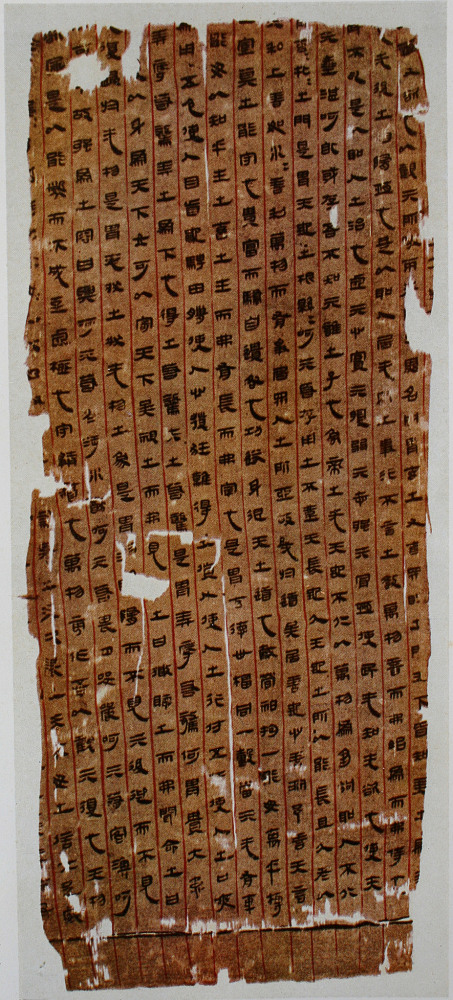 Book
Secondary source
Tao Te Ching
Laozi · c. 4th-3rd century BCE
 Artifact
Primary source
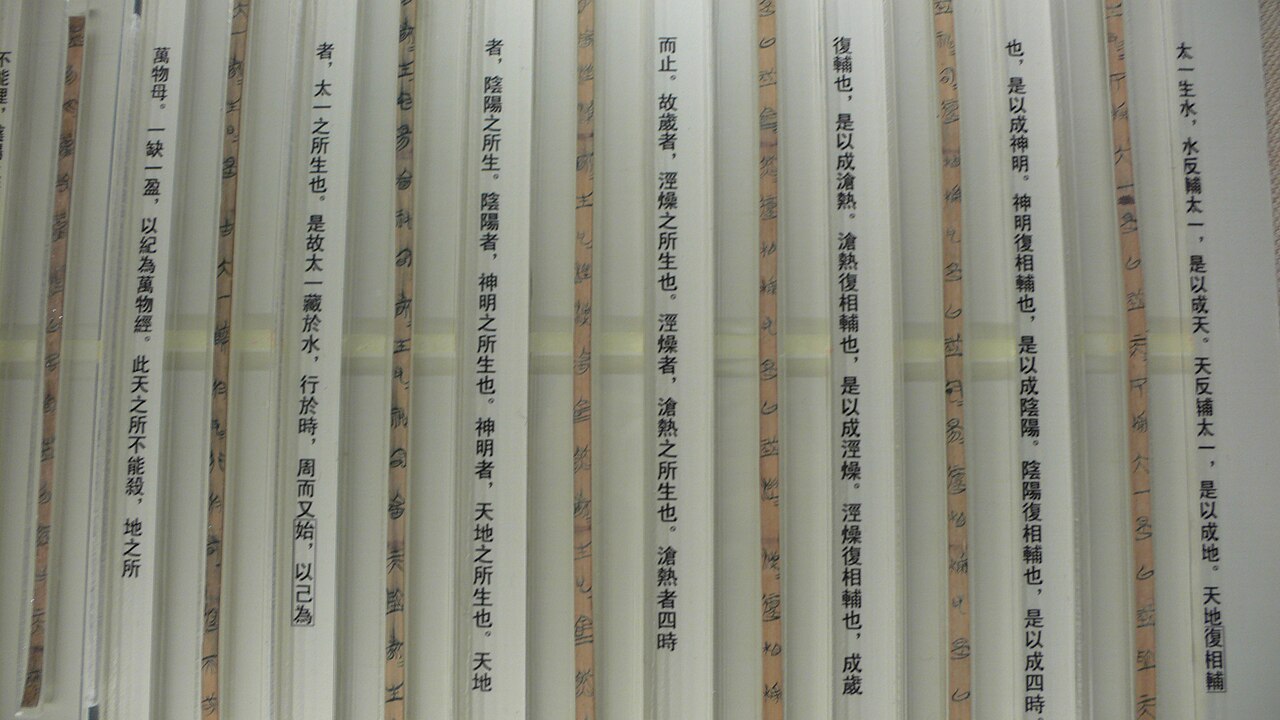
Bamboo Texts of Guodian
c. 300 BCE
 Book
Primary source
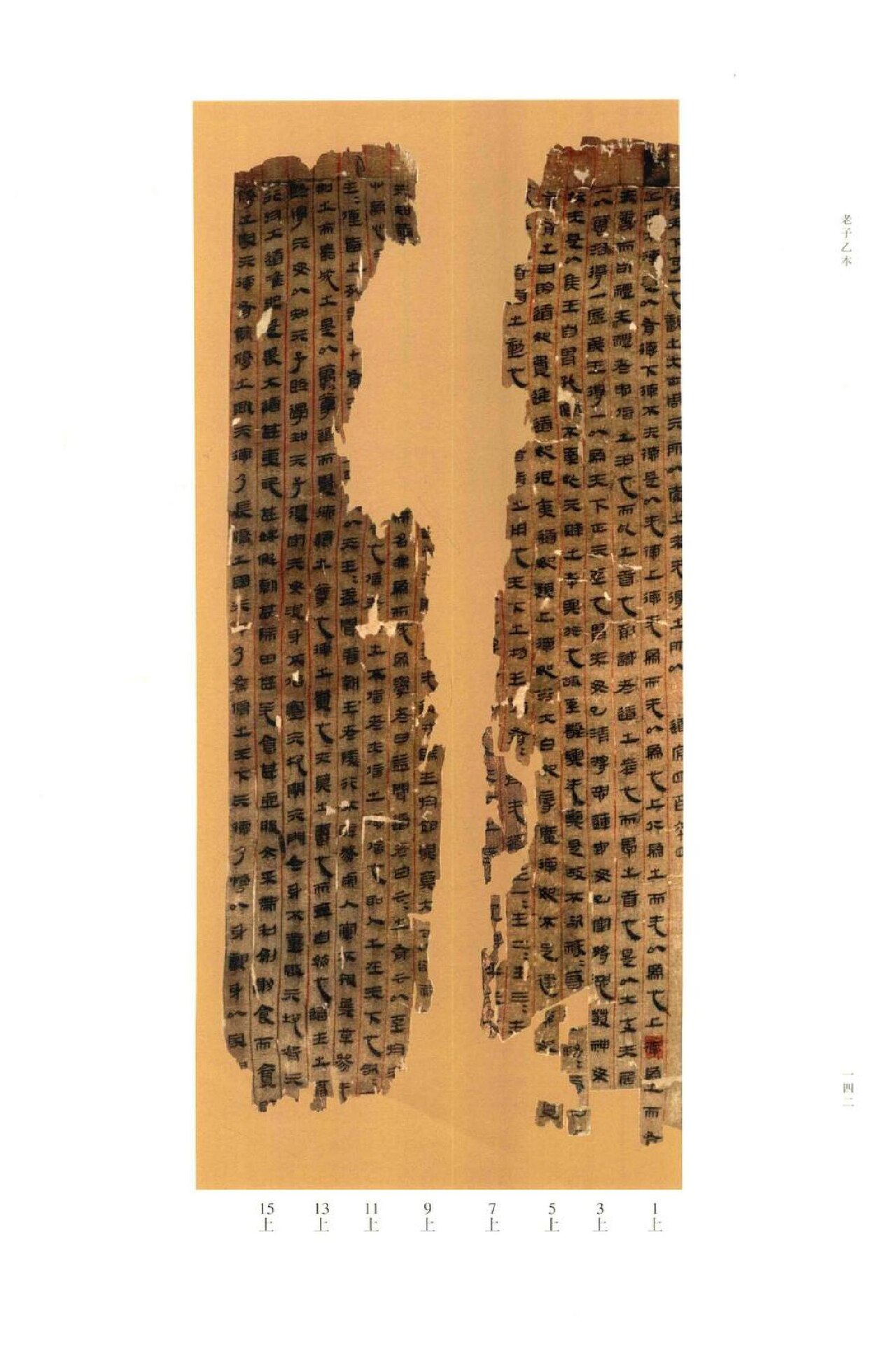
Mawangdui Silk Texts of the Laozi
Anonymous Han scribes · c. 200-168 BCE
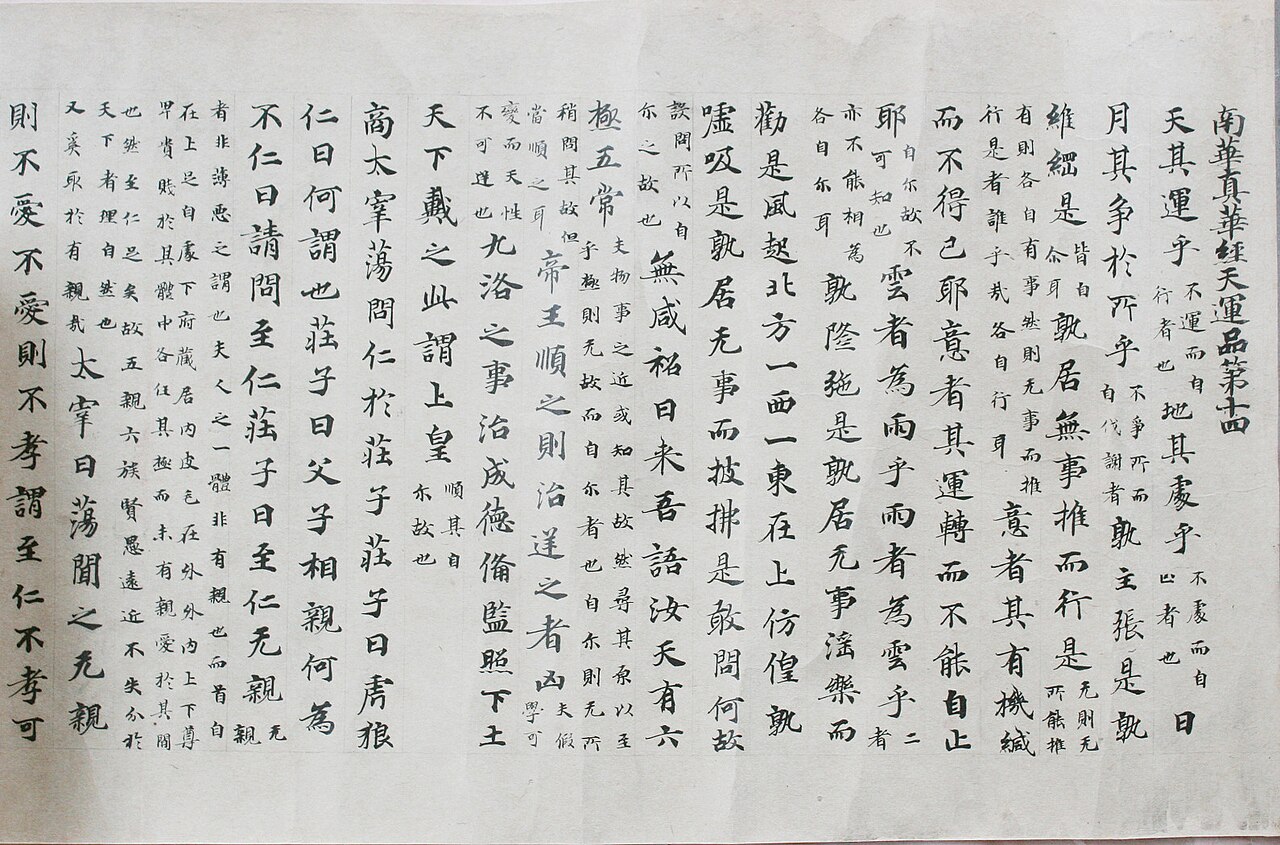 Book
Secondary source
Zhuangzi
Zhuang Zhou · c. 300 BCE
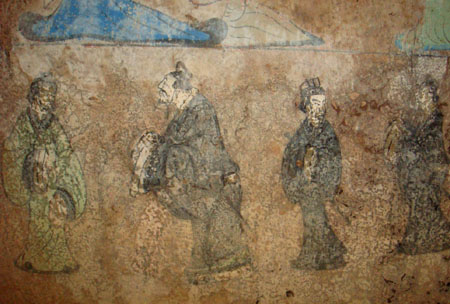 Painting
Secondary source
Confucius and Laozi fresco, Dongping tomb
Anonymous Chinese painter of the Western Han period · Western Han period, c. 2000 years old
Ready when you are
Start chatting with Laozi now.
20 messages free · No credit card · Available in 50+ languages.