


Primary sourceDocument2nd century CE (copy of a 5th-century BCE play)
Ichneutae
Sophocles · 2nd century CE (copy of a 5th-century BCE play)
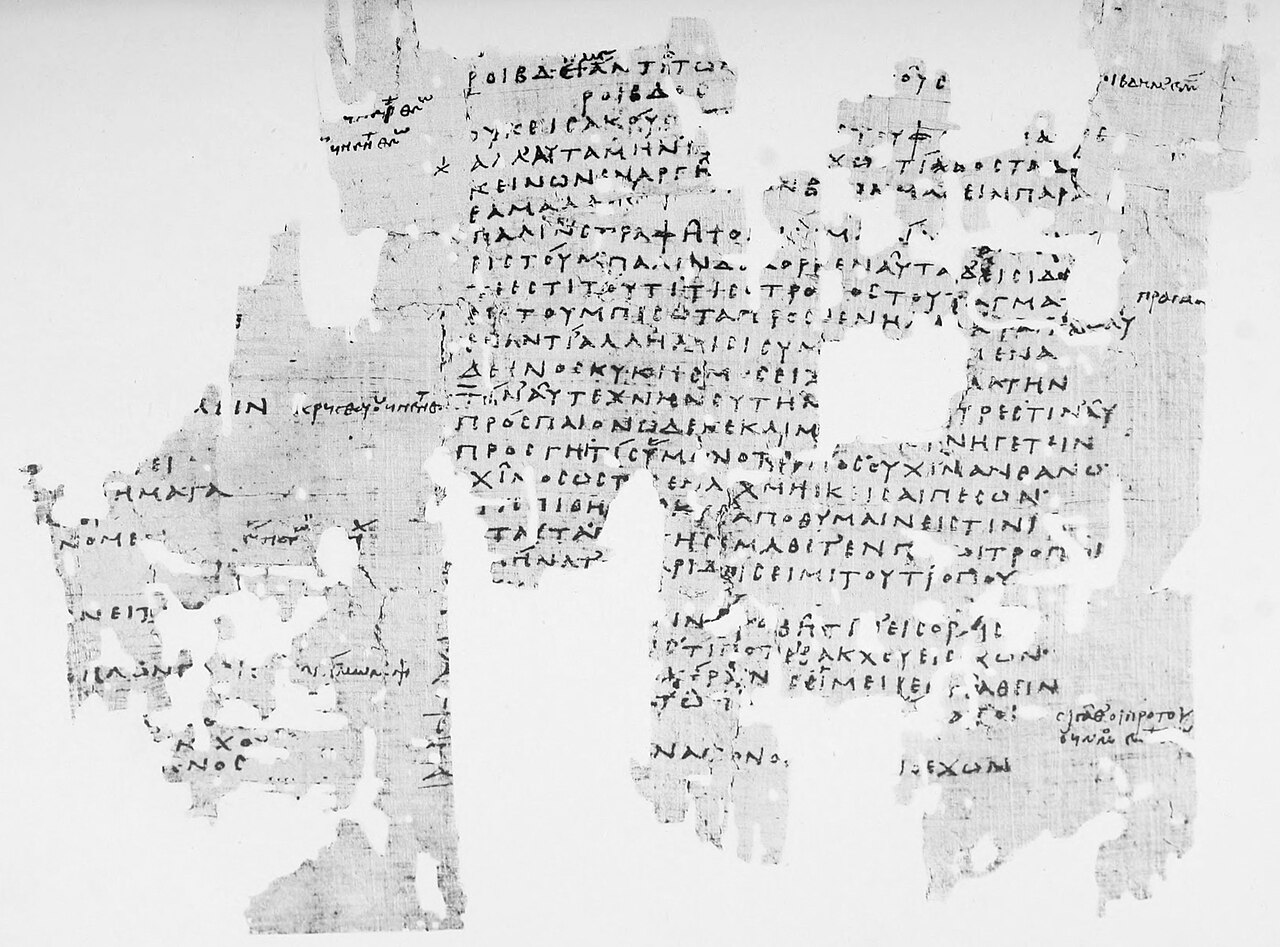
A fragmentary satyr play by Sophocles, largely known today from a 2nd-century CE papyrus found at Oxyrhynchus.
This papyrus preserves one of Sophocles' own plays, revealing a comic side of his dramatic work.
About this source
What it is
The Ichneutae, or 'Trackers,' is a satyr play written by Sophocles in the fifth century BCE. For centuries only brief quotations survived, until a 2nd-century CE papyrus roll containing over four hundred lines was discovered among the Oxyrhynchus Papyri and published in 1912. The manuscript is now kept in the British Library.
Why it matters
This papyrus is the best-preserved ancient satyr play after Euripides' Cyclops, giving scholars a rare look at the lighter, comic side of Sophocles' writing, in contrast to his famous tragedies. The play retells the myth of baby Hermes stealing Apollo's cattle, with a chorus of satyrs trying to track them down.
Look closer
- Why do you think so little of this play survived until the papyrus was found?
- What does the existence of a comic play by Sophocles add to our picture of him?
- What is lost when only fragments of an ancient text survive?
This document is part of the curated material that grounds the AI version of Sophocles on Humy.ai — when students ask about related events, the AI can quote it and cite it.
More Sophocles sources
Meet the AI Sophocles →Primary source
Oedipus Rex
Sophocles · c. 429 BCE
Primary source
Antigone
Sophocles · c. 441 BCE
Primary source
Oedipus at Colonus
Sophocles · written shortly before 406 BCE; first performed 401 BCE
 Book
Secondary source
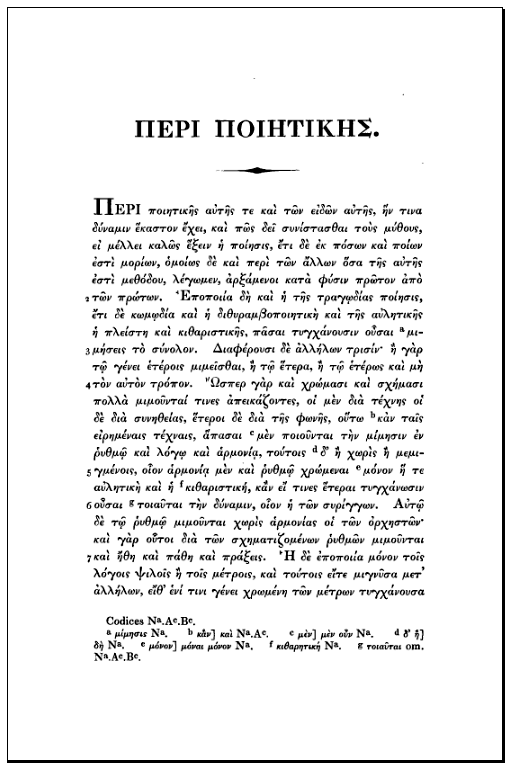
Poetics
Aristotle · c. 335 BCE
 Sculpture
Secondary source
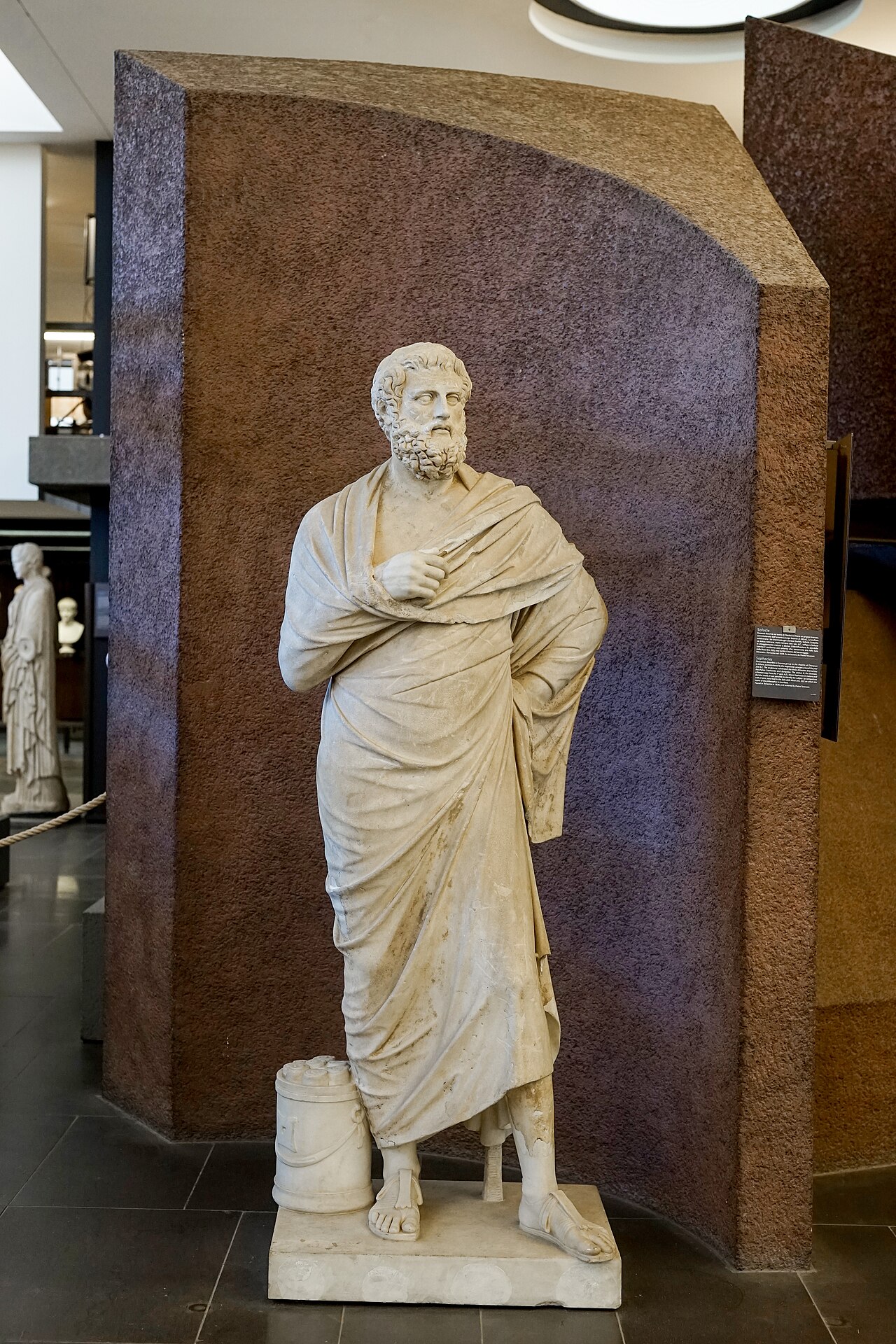
Statue of Sophocles (Lateran type)
Roman copy, 1st century CE, of a Greek original of the 4th century BCE
Ready when you are
Start chatting with Sophocles now.
20 messages free · No credit card · Available in 50+ languages.