


Secondary sourcePaintingbefore 1901
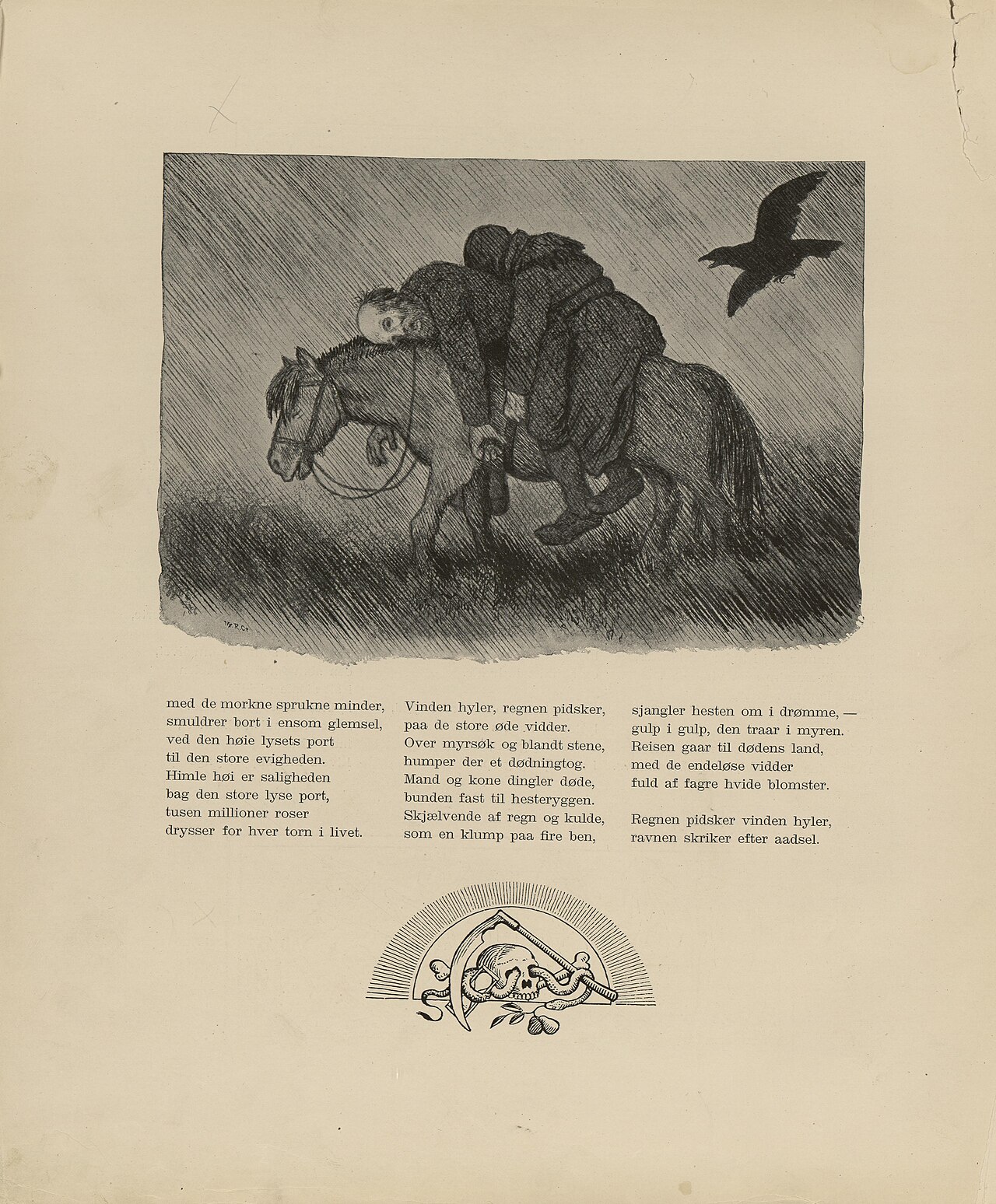
Illustration from Svartedauen (The Black Death)
Theodor Kittelsen · before 1901
A 1901 etching by Theodor Kittelsen for a Norwegian book on the Black Death, showing a death-like rider on horseback.
This symbolic illustration imagines the Black Death as a death-rider, reflecting later cultural memory of the pandemic.
About this source
What it is
This is an illustration by the Norwegian artist Theodor Kittelsen, made for a 1901 book called Svartedauen ('The Black Death'), published by L.E. Tvedte. The image shows a rider on a horse in the rain, with a pale, corpse-like figure draped over the horse's neck and a dark bird flying overhead, alongside Norwegian verse and a skull-and-scythe emblem.
Why it matters
Centuries after the actual pandemic, Kittelsen's haunting imagery became one of the most famous artistic visions of the Black Death in Norwegian culture. It shows how later generations imagined the plague as a ghostly, personified force of death rather than through historical documentation alone.
Look closer
- Why might the artist have chosen to show death as a rider rather than depicting ordinary plague victims?
- What mood do the rain, dark bird, and skull emblem create together?
- How does this imagined, symbolic image differ from a historical map or eyewitness account of the plague?
This painting is part of the curated material that grounds the AI version of The Black Death on Humy.ai — when students ask about related events, the AI can quote it and cite it.
More The Black Death sources
Meet the AI The Black Death →Secondary source
The Decameron
Giovanni Boccaccio · 1351
Primary source
Statute of Labourers 1351
1351
 Painting
Primary source
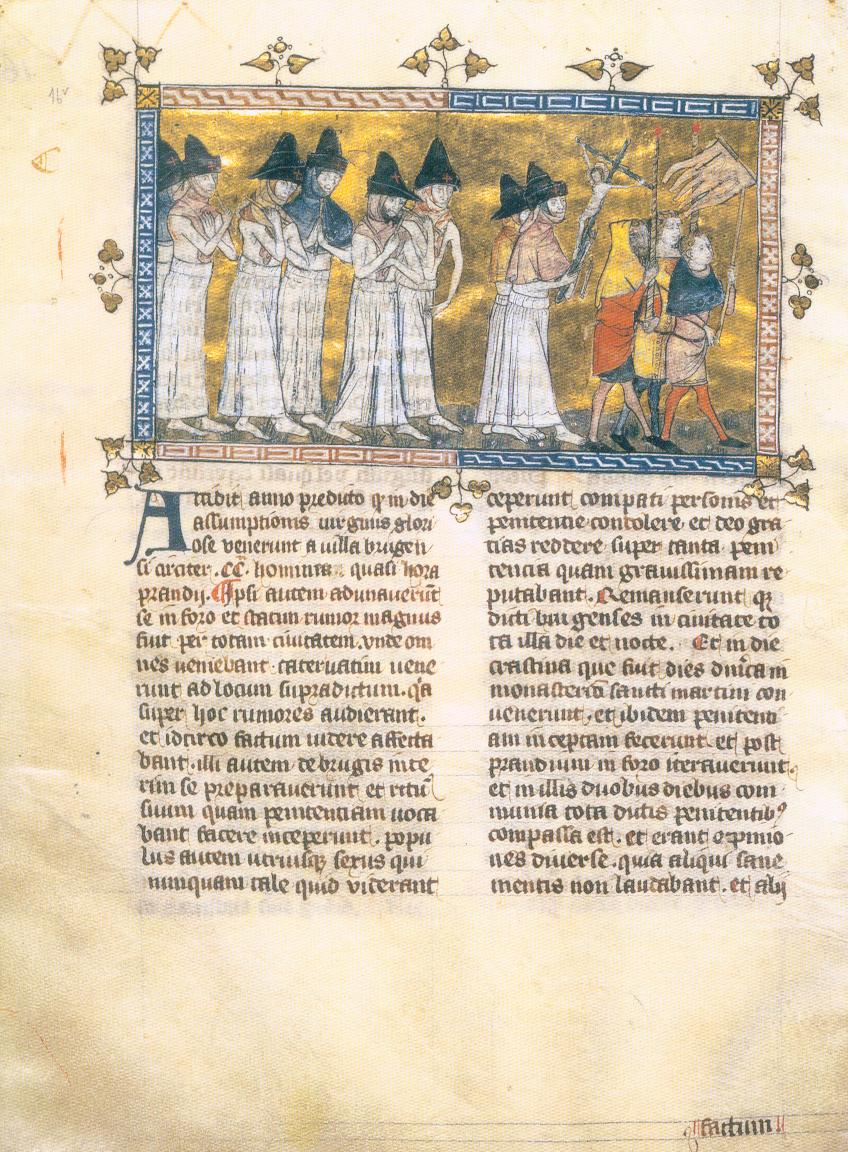
Depiction of the Flagellant Processions
Pierart dou Tielt · c. 1350
 Painting
Primary source
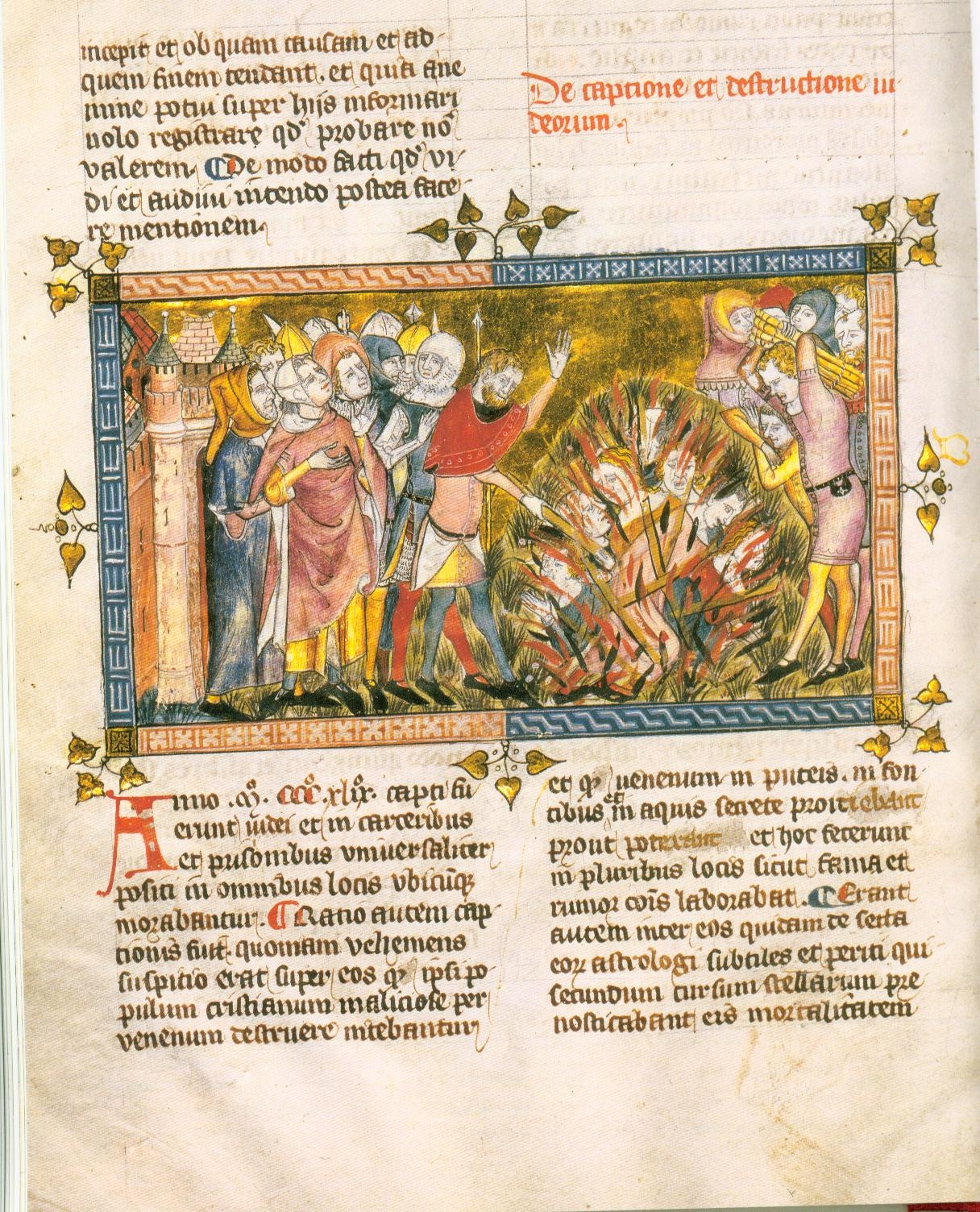
Execution of Jews
c. 1350
 Book
Primary source
The Annals of Ireland by Friar John Clyn
John Clyn · 1348-1349
Ready when you are
Start chatting with The Black Death now.
20 messages free · No credit card · Available in 50+ languages.