


Tertiary sourcePainting20th century
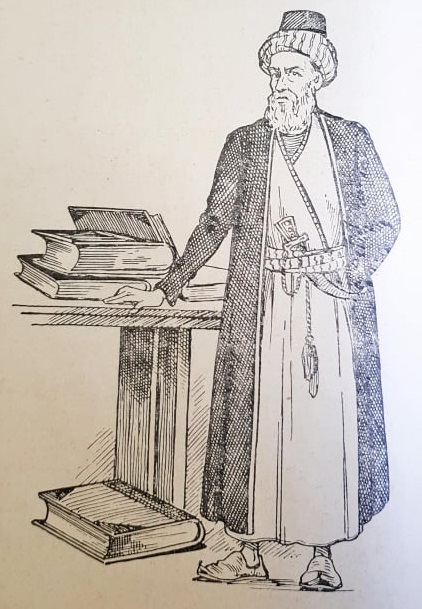
Imagined Portrait of Al-Fārābī (Egyptian Drawing)
Muhammad Atiyya Al-Ibrashi (probable) · 20th century
A twentieth-century Egyptian line drawing imagining Farabi as a classical Islamic sage, standing beside a lectern of books.
A later imagined portrait created to visualize Farabi as a classical Islamic sage for modern Arab readers.
About this source
What it is
This is a black-and-white line drawing of a bearded man in a long robe, sash and tall cap, standing beside a wooden lectern stacked with books, with a large book lying on the floor. It is probably by Muhammad Atiyya Al-Ibrashi, an Egyptian artist of the twentieth century.
Why it matters
Like other later images of Farabi, this drawing was made centuries after his death and reflects how twentieth-century Arab artists and writers pictured great Islamic scholars of the past. It tells us more about how Farabi was remembered and honored than about his actual appearance.
Look closer
- What objects in the drawing (books, lectern) tell us the artist wanted to show a scholar?
- Why might an artist in twentieth-century Egypt want to create an image of a philosopher who lived a thousand years earlier?
- What can and can't a drawing like this tell us about the real historical Farabi?
This painting is part of the curated material that grounds the AI version of Al-Farabi on Humy.ai — when students ask about related events, the AI can quote it and cite it.
More Al-Farabi sources
Meet the AI Al-Farabi →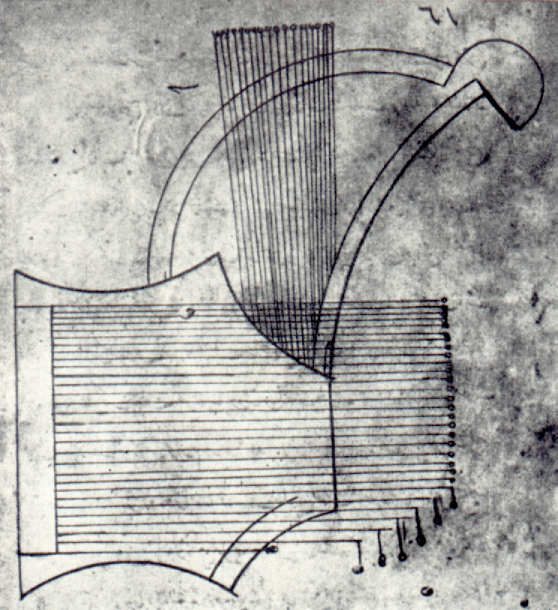 Book
Primary source
Kitab al-Musiqa al-Kabir
Farabi · 10th century
 Artifact
Primary source
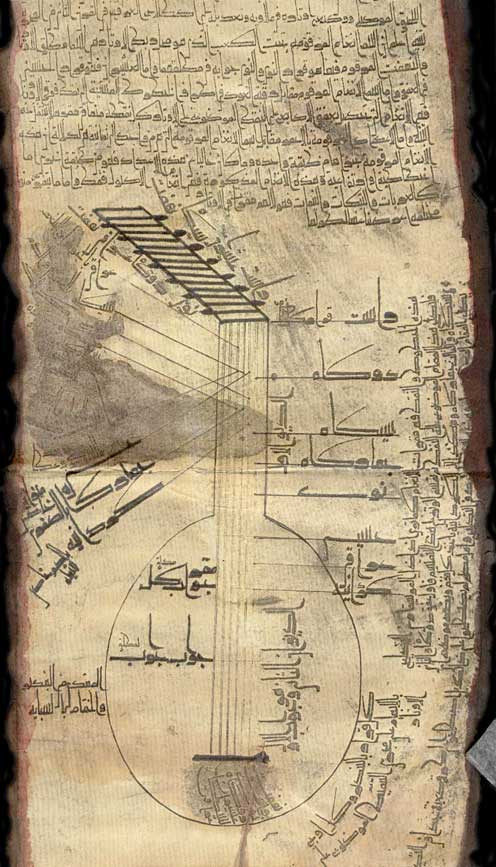
Lute Diagram with Seven Courses
Farabi · 10th century
 Book
Primary source
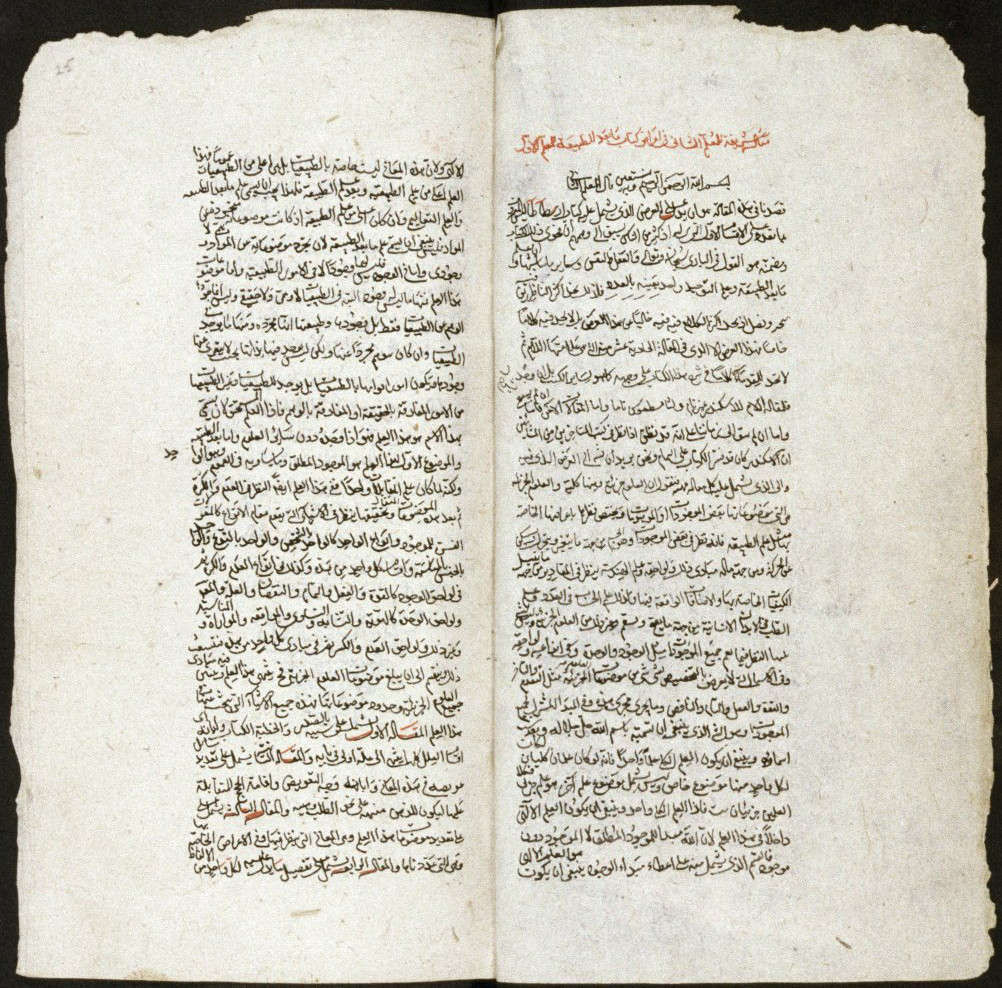
On the Scope of Aristotle's Metaphysics
Farabi · 10th century
 Book
Primary source
Über den Ursprung der Wissenschaften
Farabi · 1916 (edition of the original treatise)
PaintingPrimary source
Drawing of the Shahrud from the Great Book of Music
Farabi · 10th century
Ready when you are
Start chatting with Al-Farabi now.
20 messages free · No credit card · Available in 50+ languages.