


Primary sourceDocument1702
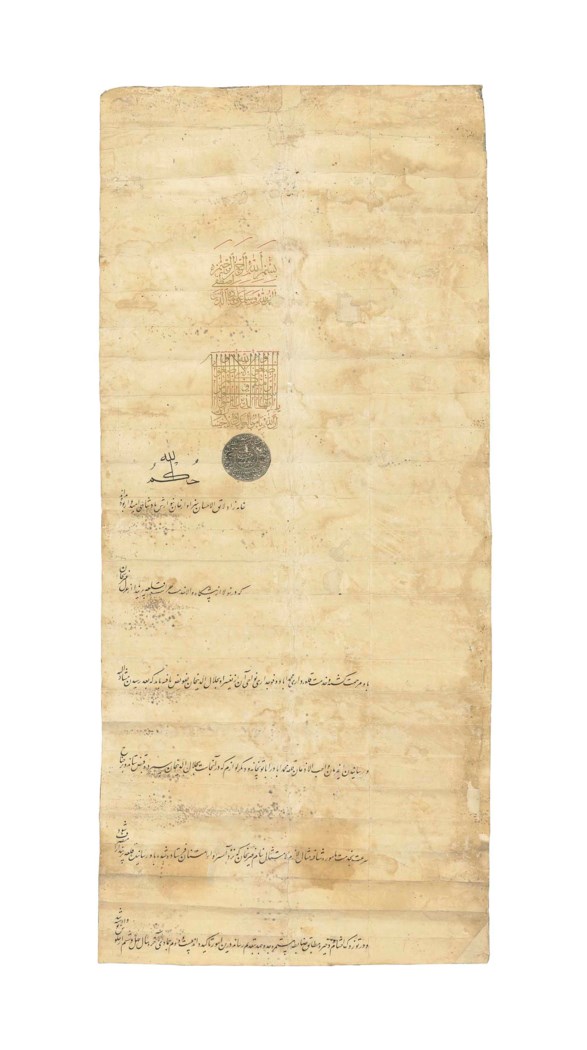
Imperial Firman of Aurangzeb, 1702
1702
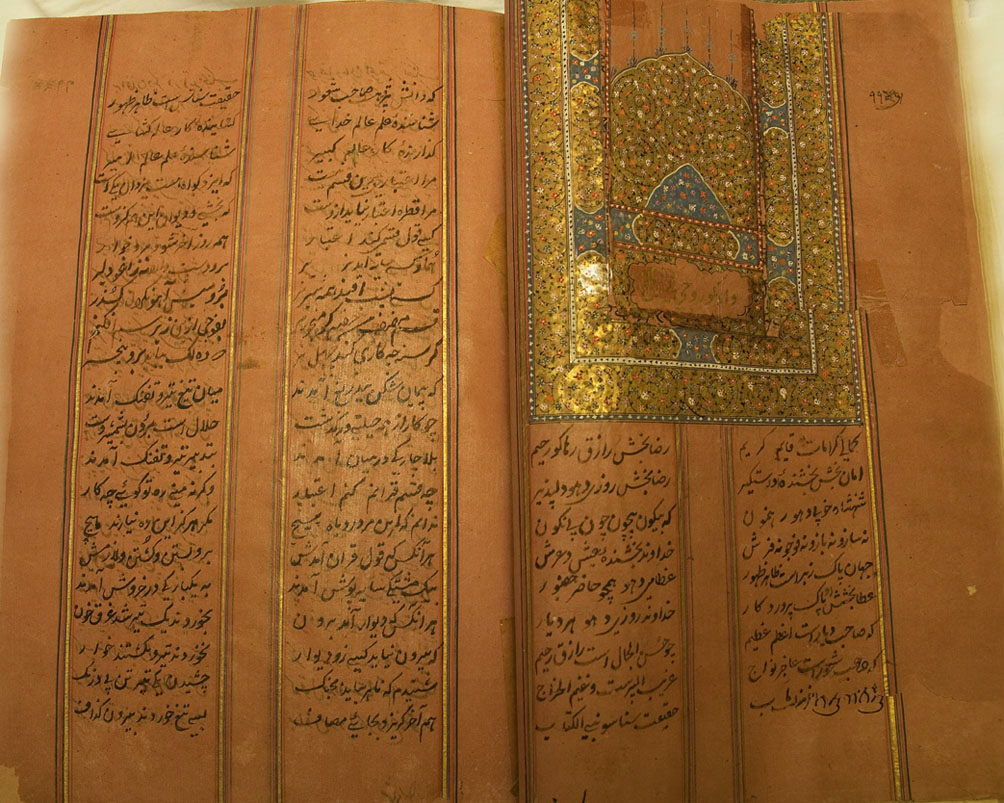
An official decree bearing Aurangzeb's seal, issued in 1702, transferring command of forts in the Deccan region.
An official decree issued under Aurangzeb's authority, bearing his seal, showing his direct control over military administration.
About this source
What it is
This is a Persian-language firman, or imperial decree, issued in 1702 in the name of Emperor Aurangzeb. It is written on paper backed with cloth, with gold calligraphy and seals, and measures over a metre long. The document authorizes the transfer of authority over the forts of Muhammadabad (Bidar) and Paranda in the Deccan to an official named Jalal al-Din Khan, replacing a previous commander.
Why it matters
This firman is a genuine administrative record from Aurangzeb's 46th year as emperor, showing the Mughal state's bureaucracy in action. It demonstrates how the emperor directly controlled military appointments in distant provinces like the Deccan, where Aurangzeb spent much of his later reign campaigning.
- What do the seals and calligraphy tell you about how official Mughal documents were meant to look and feel important?
- Why might control over forts in the Deccan have mattered so much to Aurangzeb late in his reign?
- What does this document NOT tell you about the people actually living near these forts?
This document is part of the curated material that grounds the AI version of Aurangzeb on Humy.ai — when students ask about related events, the AI can quote it and cite it.
More Aurangzeb sources
Meet the AI Aurangzeb →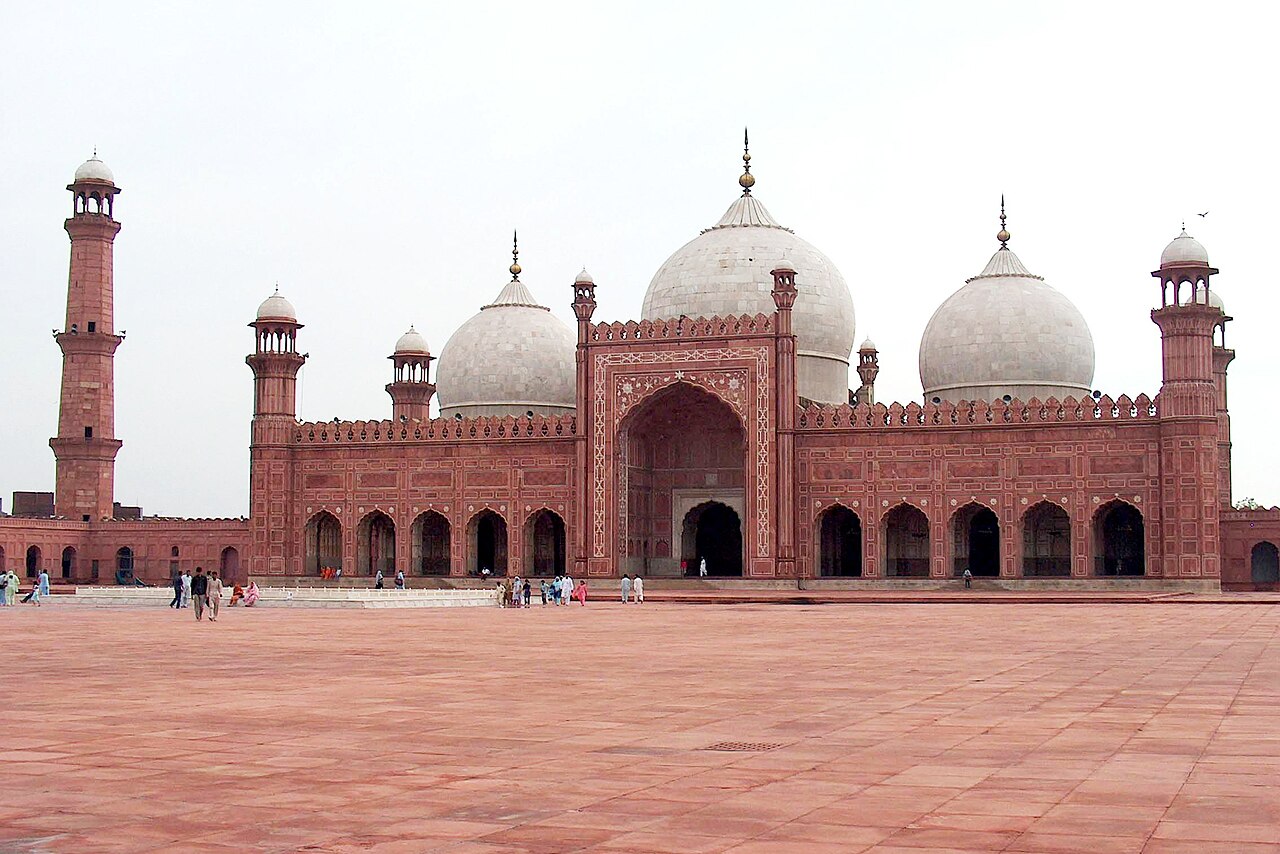 Artifact
Primary source
Badshahi Mosque
1671–1673
 Document
Primary source
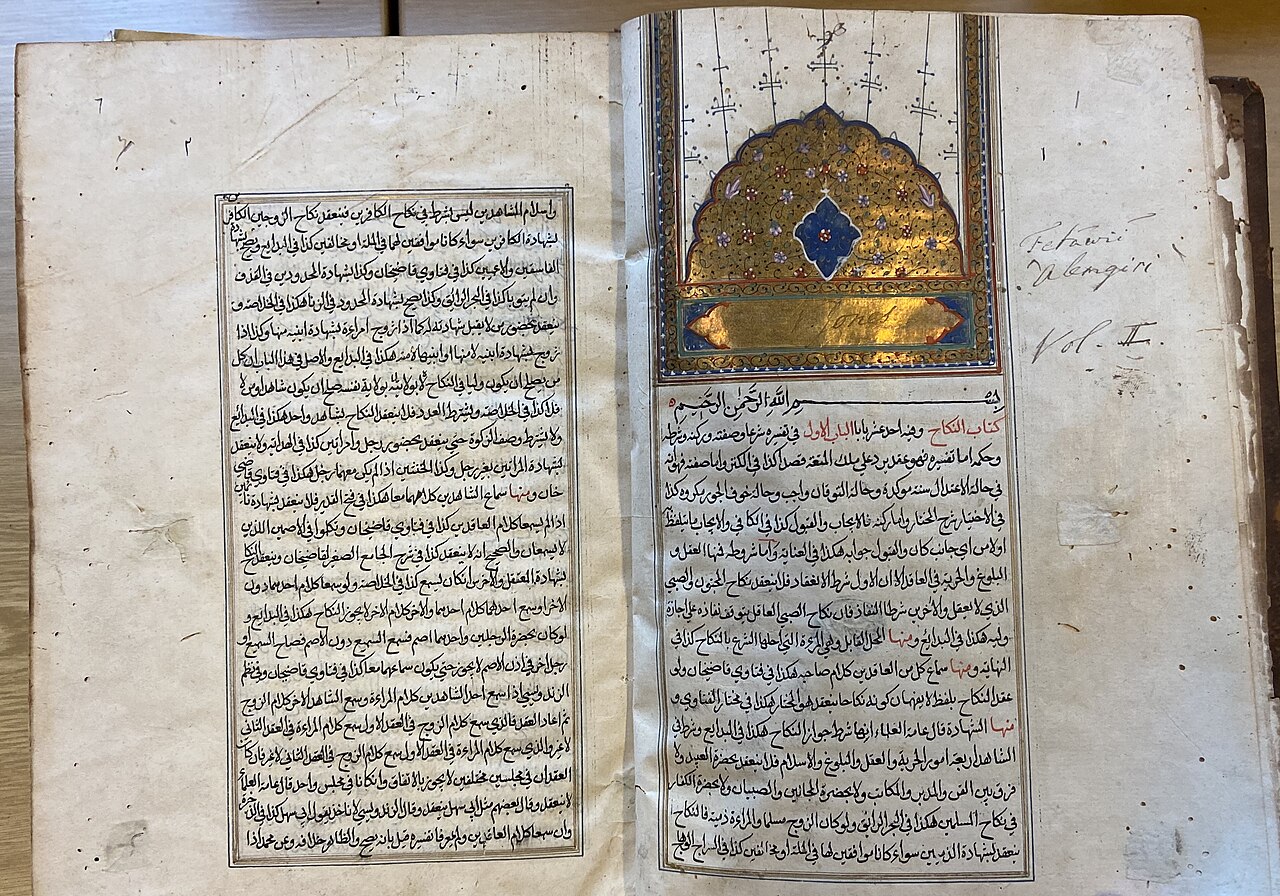
Fatawa-i Alamgiri Manuscript
17th century (this copy later recopied)
 Book
Secondary source
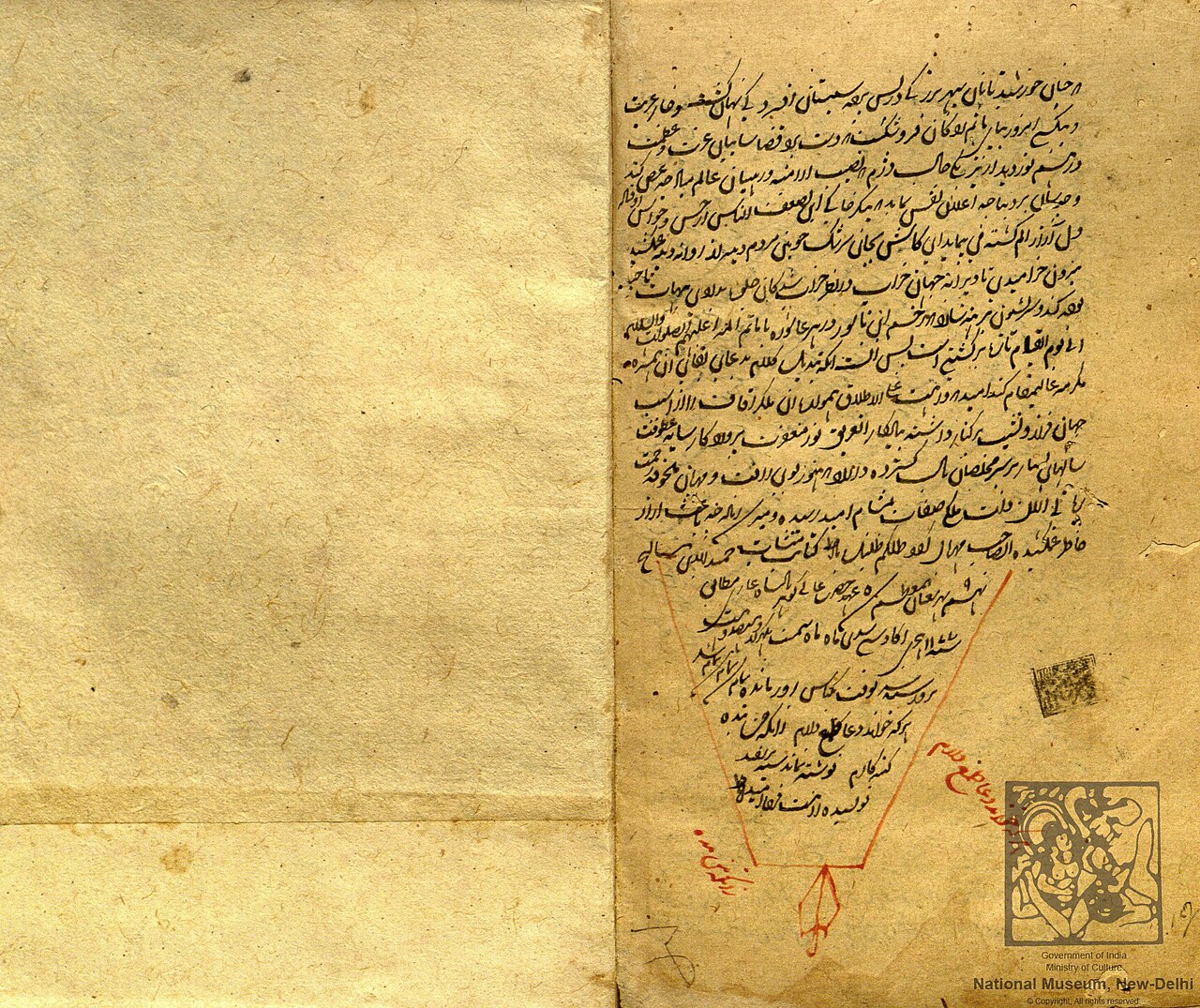
Maasir-i-Alamgiri
Saqi Musta'id Khan · c. 1710 (this copy 1763-1764)
Primary source
Ruka'at-i-Alamgiri
Aurangzeb · 17th century
 Letter
Primary source
Zafarnamah
Guru Gobind Singh · 1705
Ready when you are
Start chatting with Aurangzeb now.
20 messages free · No credit card · Available in 50+ languages.