


Secondary sourcePainting15th century
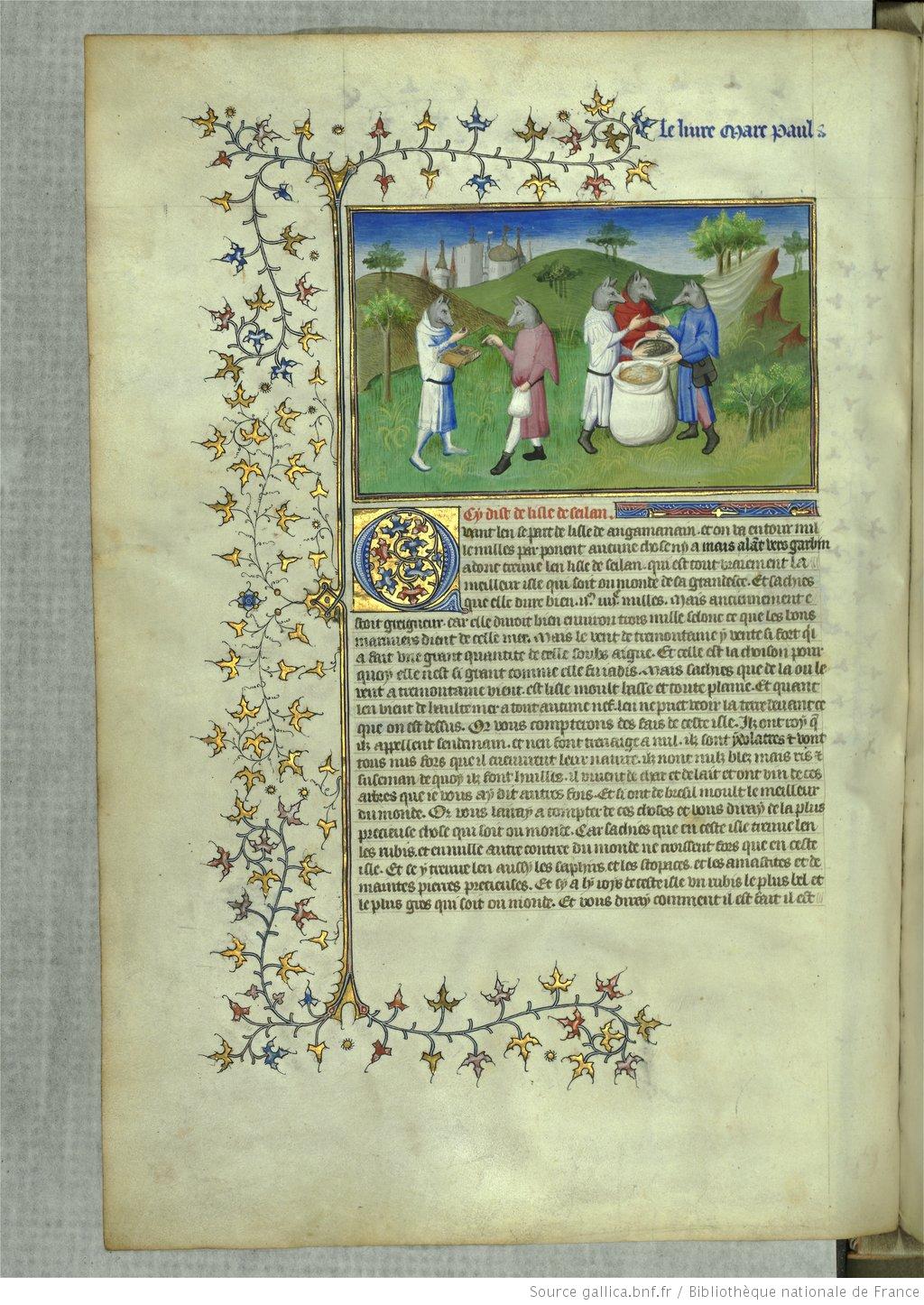
Inhabitants of Angaman (Andaman Islands)
Unknown (manuscript illustrator) · 15th century
A manuscript page from Marco Polo's travel book describing and illustrating the people of the Andaman Islands in striking, exaggerated terms.
This page preserves Marco Polo's own description of the Andaman Islanders, showing his attitudes toward unfamiliar peoples.
About this source
What it is
This page comes from the Livre des Merveilles, an illustrated manuscript of Marco Polo's travels held by the Bibliothèque nationale de France. It combines a miniature illustration with Italian text describing the inhabitants of Angaman, the Andaman Islands, whom Polo's account describes as having dog-like heads and being cannibals.
Why it matters
This page shows both Marco Polo's own account and how medieval illustrators pictured faraway peoples he described, often based on rumor and legend rather than firsthand observation. It is an important example of how European writers and artists represented distant cultures, sometimes in dehumanizing ways.
Look closer
- Why might Marco Polo have described these islanders in such extreme, inhuman terms?
- What does this page tell you about how reliable travel accounts from this period could be?
- How should modern readers treat claims like this when studying history?
This painting is part of the curated material that grounds the AI version of Marco Polo on Humy.ai — when students ask about related events, the AI can quote it and cite it.
More Marco Polo sources
Meet the AI Marco Polo →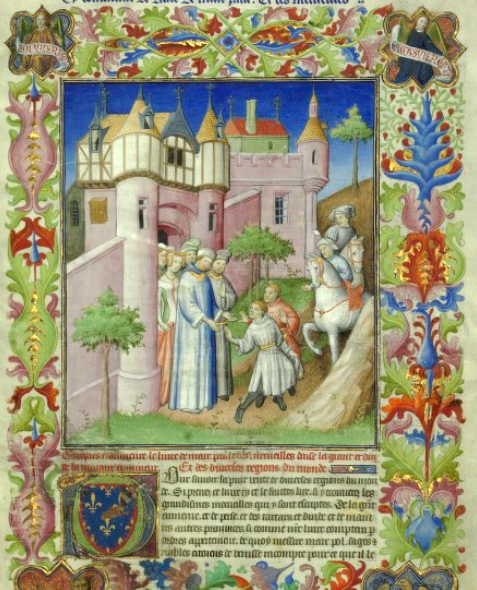 Book
Secondary source
The Travels of Marco Polo
Rustichello da Pisa · 1298
 Document
Primary source
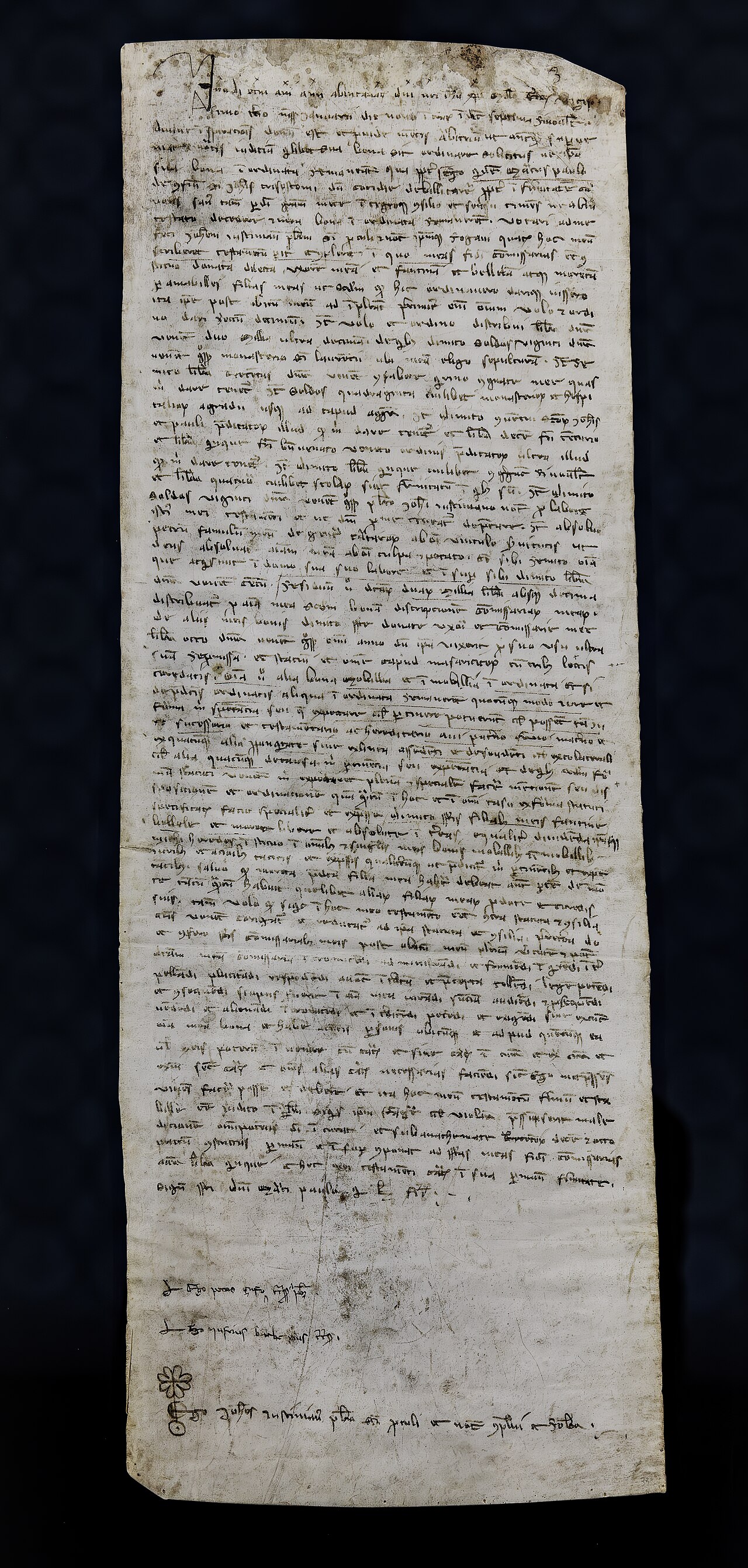
Marco Polo's Will
Marco Polo · 1324
 Painting
Secondary source
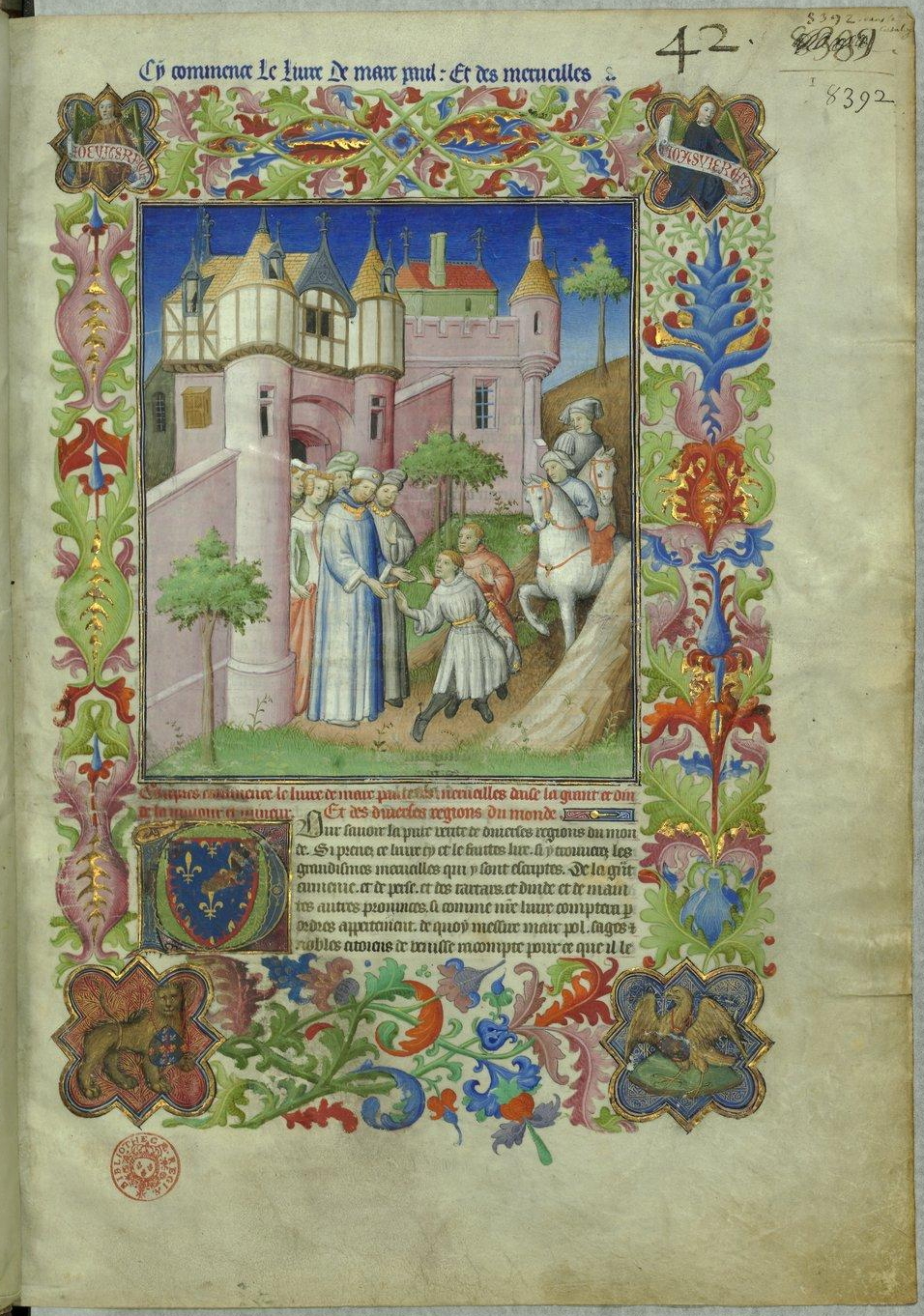
Livre des merveilles
Mazarine Master · c. 1410-1412
 Painting
Secondary source
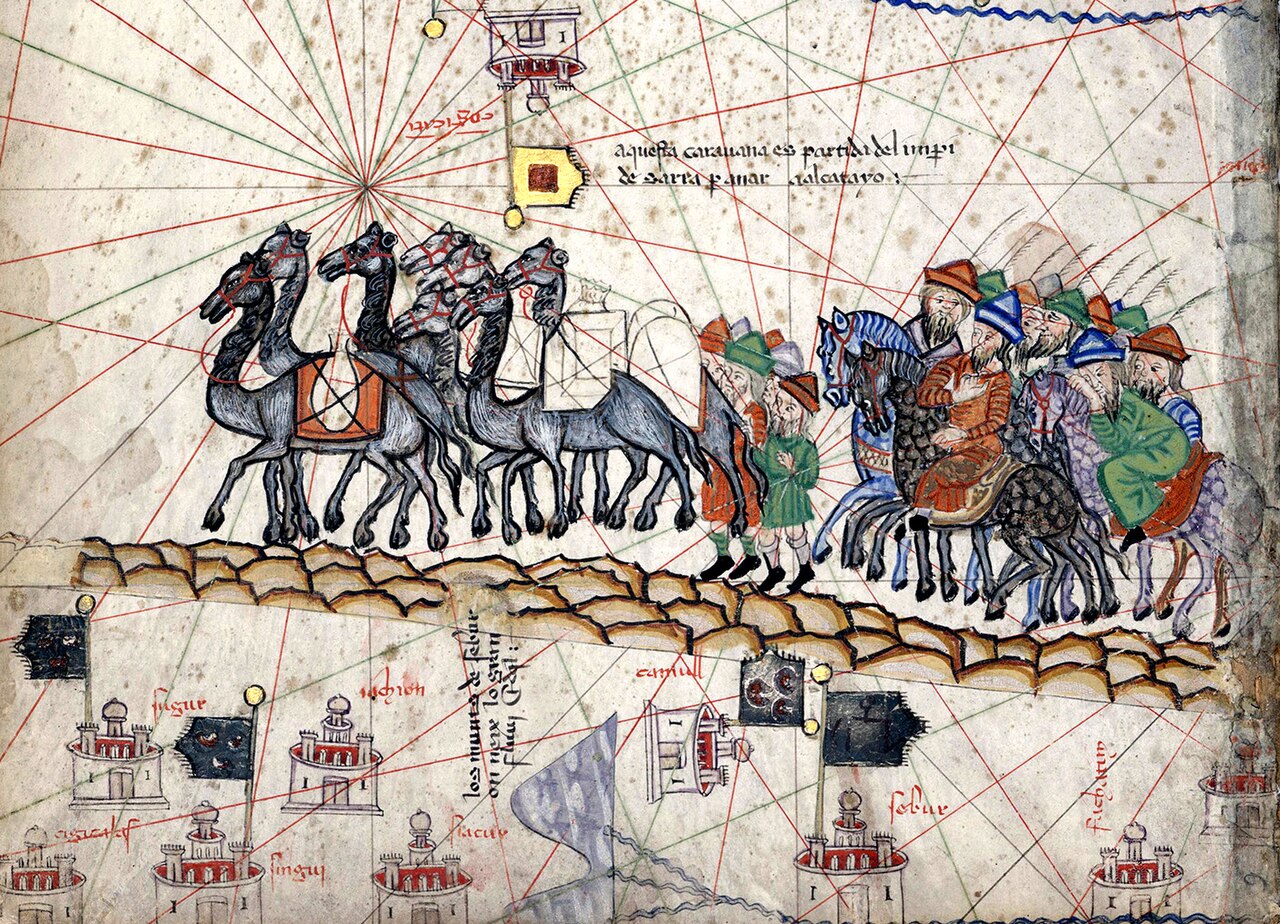
Caravane Marco Polo
Abraham Cresques · c. 1375
 Artifact
Secondary source
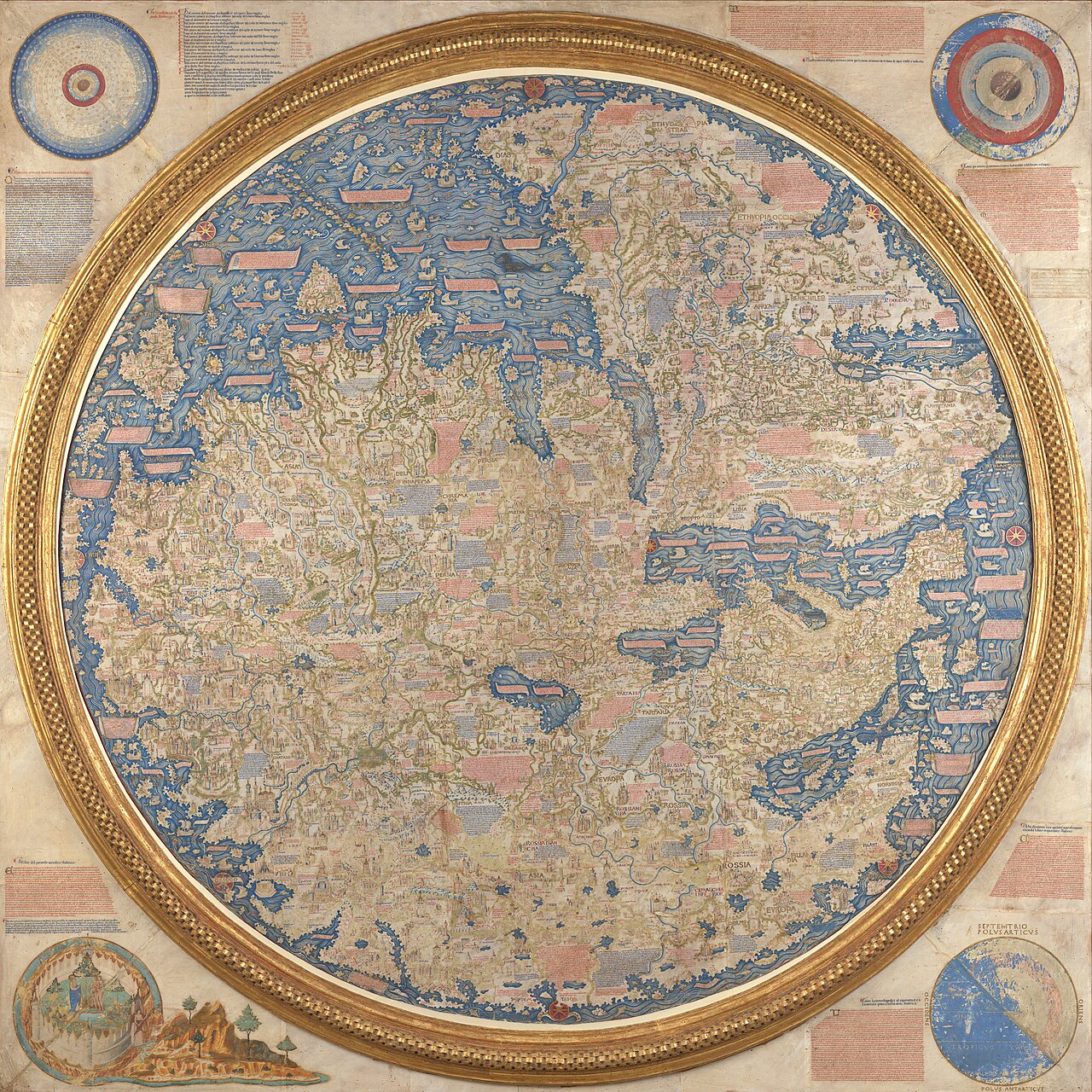
Fra Mauro map
Fra Mauro · c. 1450-1459
Ready when you are
Start chatting with Marco Polo now.
20 messages free · No credit card · Available in 50+ languages.