


Primary sourceBook1871
Introductory Notes on Lying-In Institutions
Florence Nightingale · 1871
An 1871 statistical study by Florence Nightingale on maternal deaths and a proposal for training midwives.
Nightingale wrote this statistical study herself, applying her data-driven method to maternal health and midwifery training.
About this source
What it is
This is a book written by Florence Nightingale, published in London in 1871. It presents statistical notes on 'lying-in institutions' (maternity hospitals) together with a proposal for organising an institution to train midwives and midwifery nurses.
Why it matters
The book shows Nightingale using her statistical methods, which she had developed during the Crimean War, to study a new problem: deaths among women giving birth in hospitals. It reflects her lifelong belief that careful data collection could save lives and improve medical training.
Look closer
- Why might Nightingale have chosen statistics as her main tool for improving midwifery?
- What does her proposal to train midwives suggest about the state of maternity care at the time?
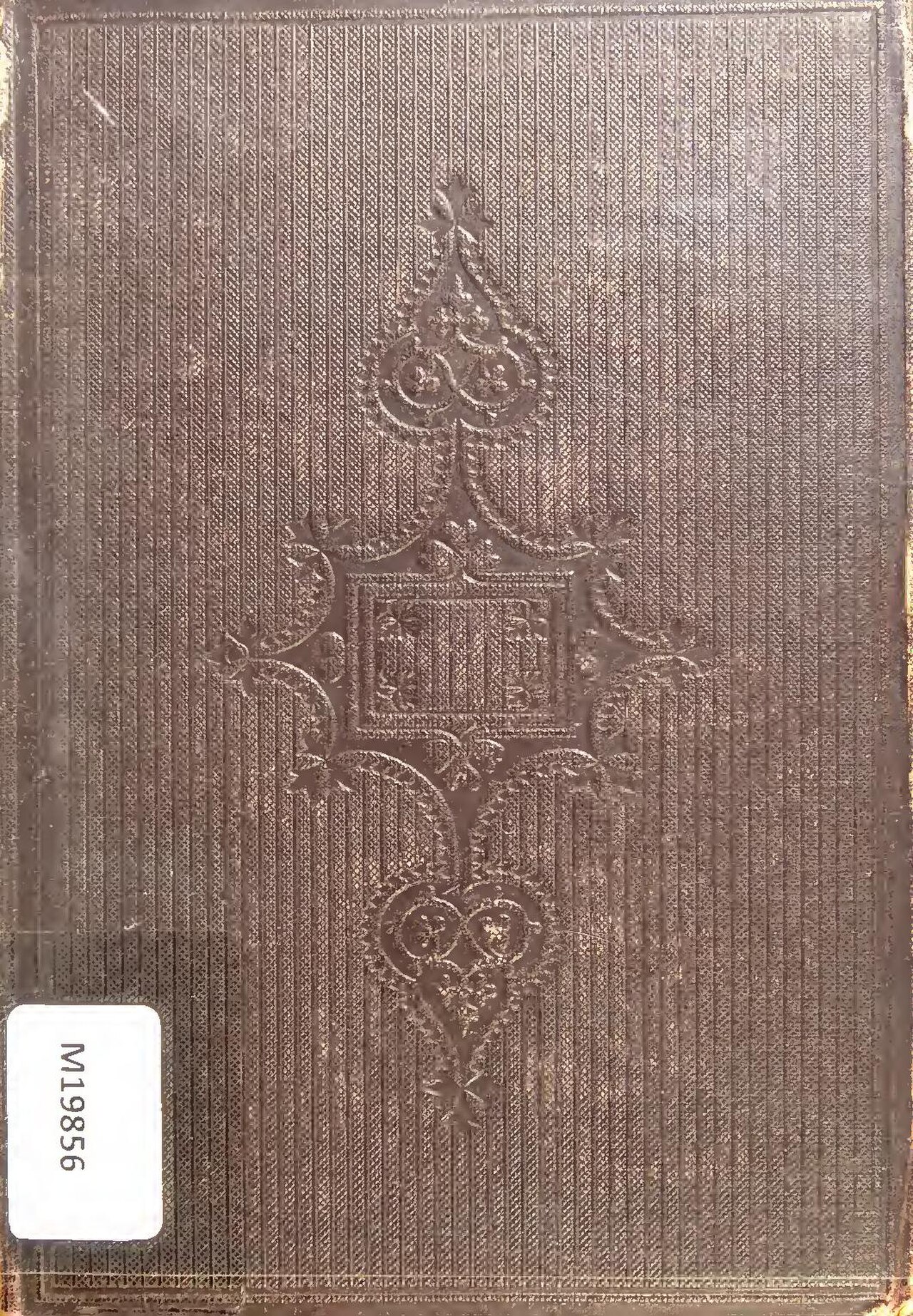
- What does the embossed cover and library label on the surviving copy tell us about how the book has been preserved?
This book is part of the curated material that grounds the AI version of Florence Nightingale on Humy.ai — when students ask about related events, the AI can quote it and cite it.
More Florence Nightingale sources
Meet the AI Florence Nightingale →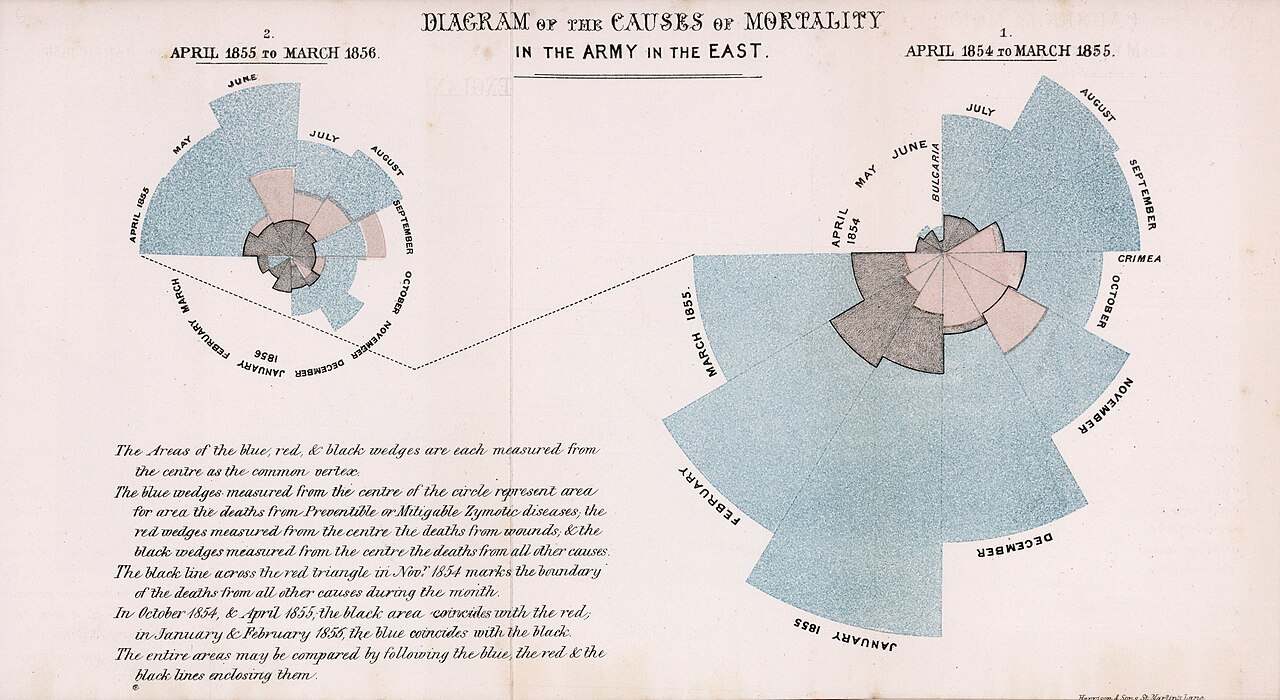 Document
Primary source
Diagram of the Causes of Mortality in the Army in the East
Florence Nightingale · 1858
 Painting
Primary source
Embley Park, Hampshire
Florence Nightingale · 1854
Primary source
Recording of the voice of Florence Nightingale
Florence Nightingale · 1890
 Painting
Primary source
Lithograph of Florence Nightingale, 1854
1854
 Painting
Secondary source
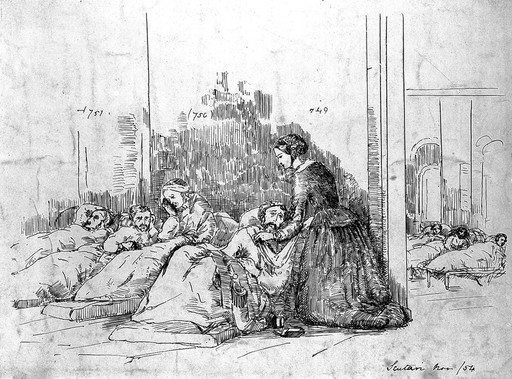
The Mission of Mercy: Florence Nightingale receiving the Wounded at Scutari
Jerry Barrett · 1857
Ready when you are
Start chatting with Florence Nightingale now.
20 messages free · No credit card · Available in 50+ languages.