


Primary sourcePaintingc. 1800 BCE
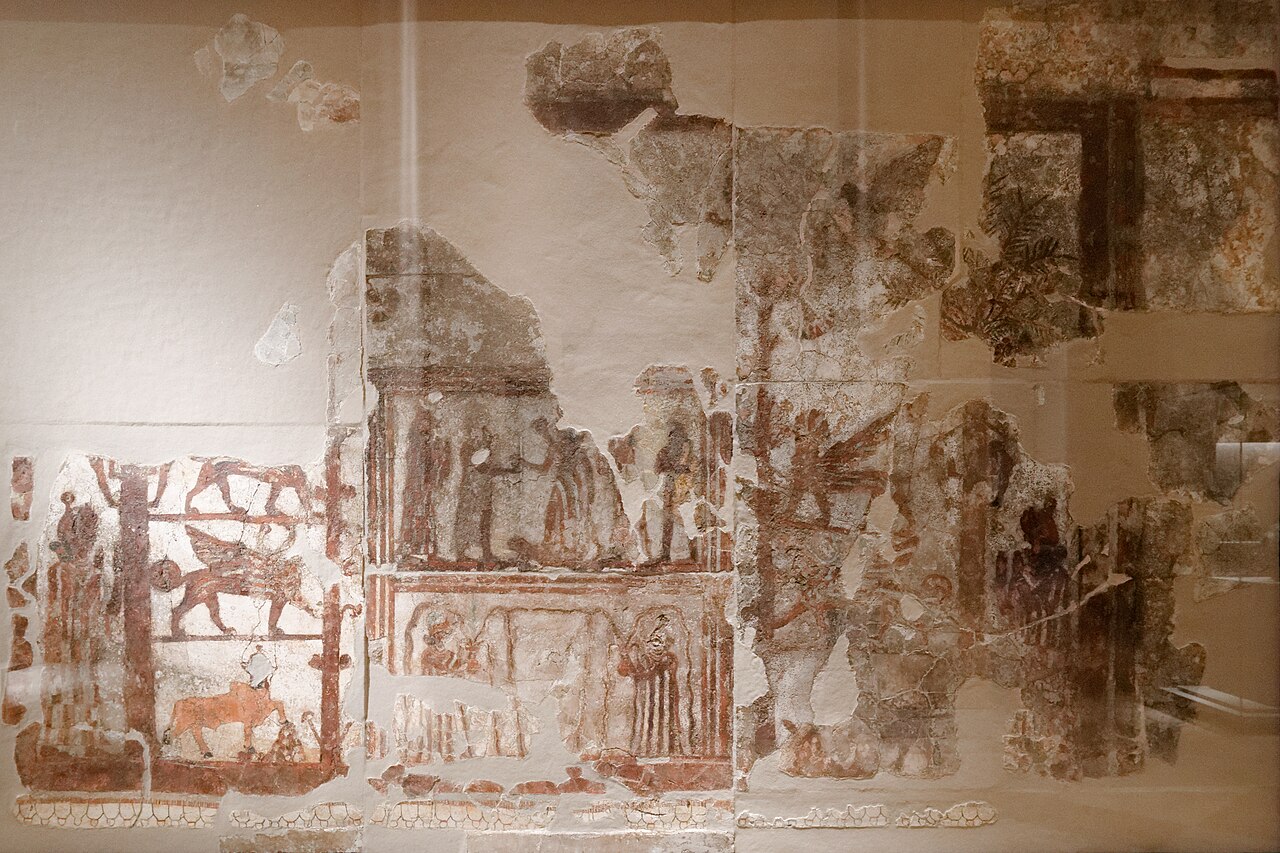
Investiture of Zimrilim
c. 1800 BCE
A large painted mural from the palace of Zimri-Lim, king of Mari, whose city Hammurabi's forces later destroyed.
Shows the royal ideology of Zimri-Lim, Hammurabi's ally turned victim whose city Hammurabi destroyed.
About this source
What it is
This is a large, colourful mural found in the royal palace at Mari, in modern Syria. It shows Zimri-Lim, king of Mari, receiving symbols of rule from the goddess Ishtar. The mural dates to the 18th century BC and was uncovered by French archaeologist André Parrot in the 1930s. It is now kept in the Louvre in Paris.
Why it matters
The mural shows how kings of this period claimed that their power came from the gods. Zimri-Lim was once allied with Hammurabi of Babylon, but Hammurabi's armies later attacked and destroyed Mari. The scene's style and symbols are often compared with the carvings on Hammurabi's own law stele, showing a shared royal tradition.
Look closer
- What does the mural suggest about how kings wanted to be seen by their people?
- Why might rulers want art showing gods approving of their rule?
- What is missing or damaged, and how does that affect what we can know?
This painting is part of the curated material that grounds the AI version of Hammurabi on Humy.ai — when students ask about related events, the AI can quote it and cite it.
More Hammurabi sources
Meet the AI Hammurabi →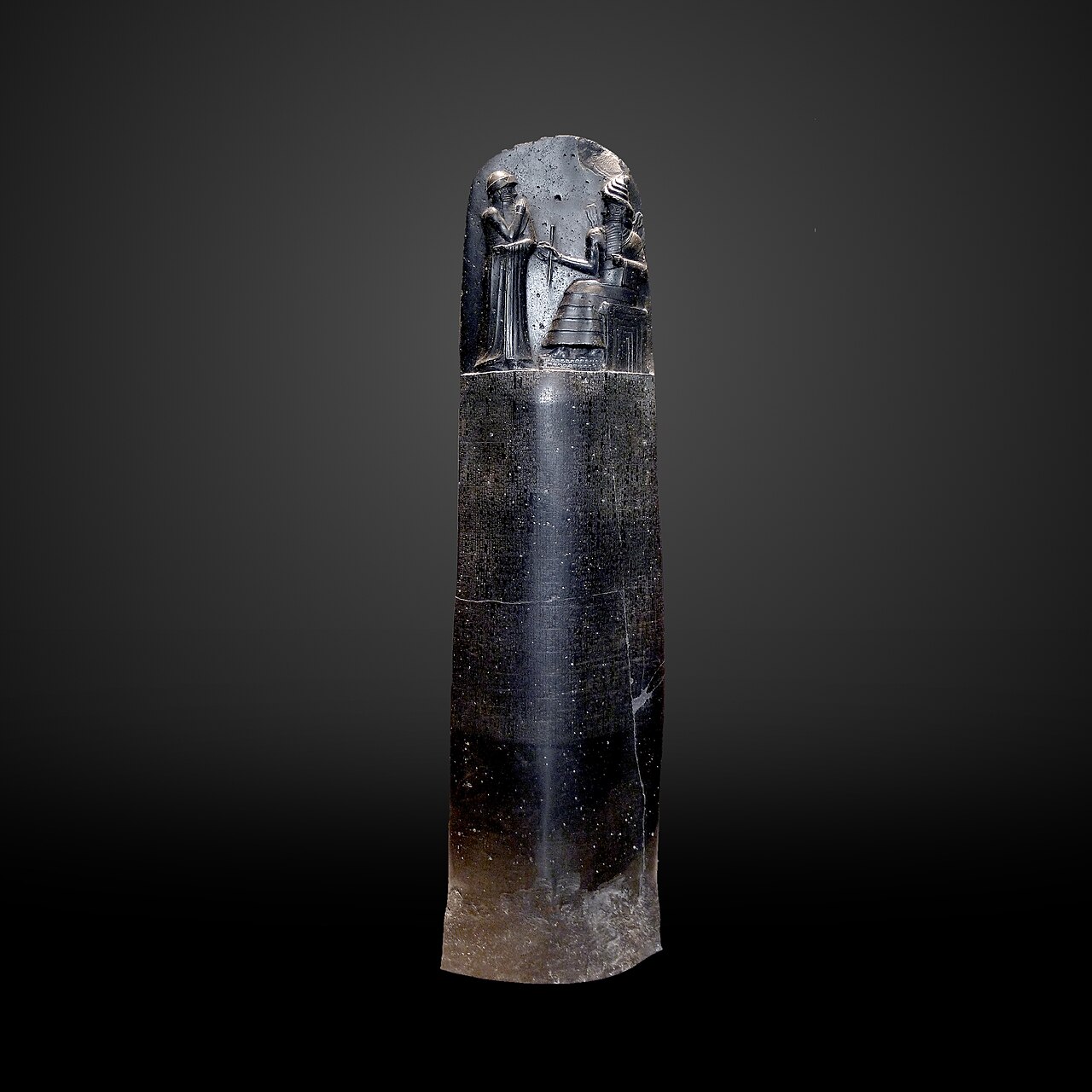 Document
Primary source
Code of Hammurabi
Hammurabi · c. 1753 BCE
 Sculpture
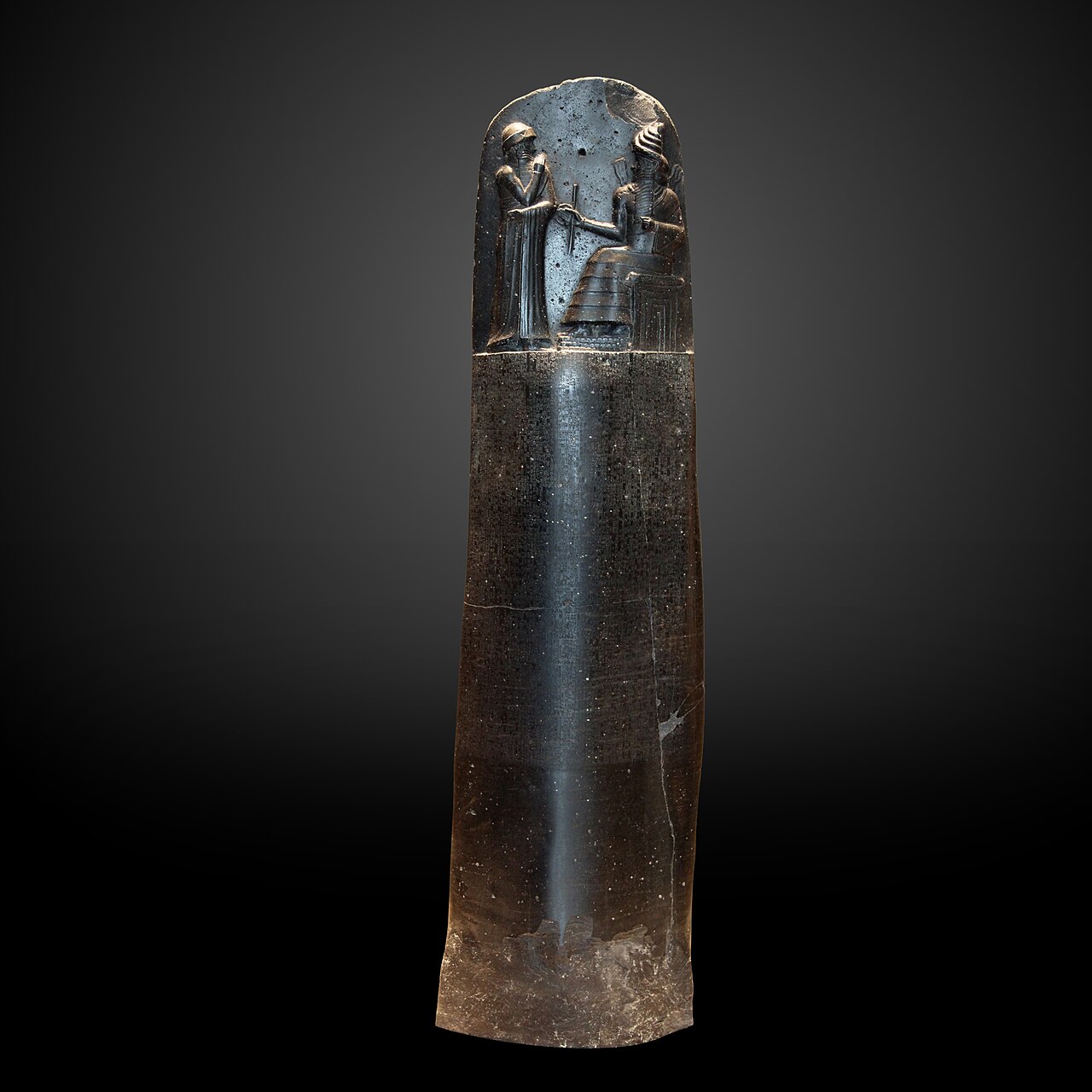
Primary source
Stele with the Code of Hammurabi
Hammurabi · c. 1792 BCE
 Letter
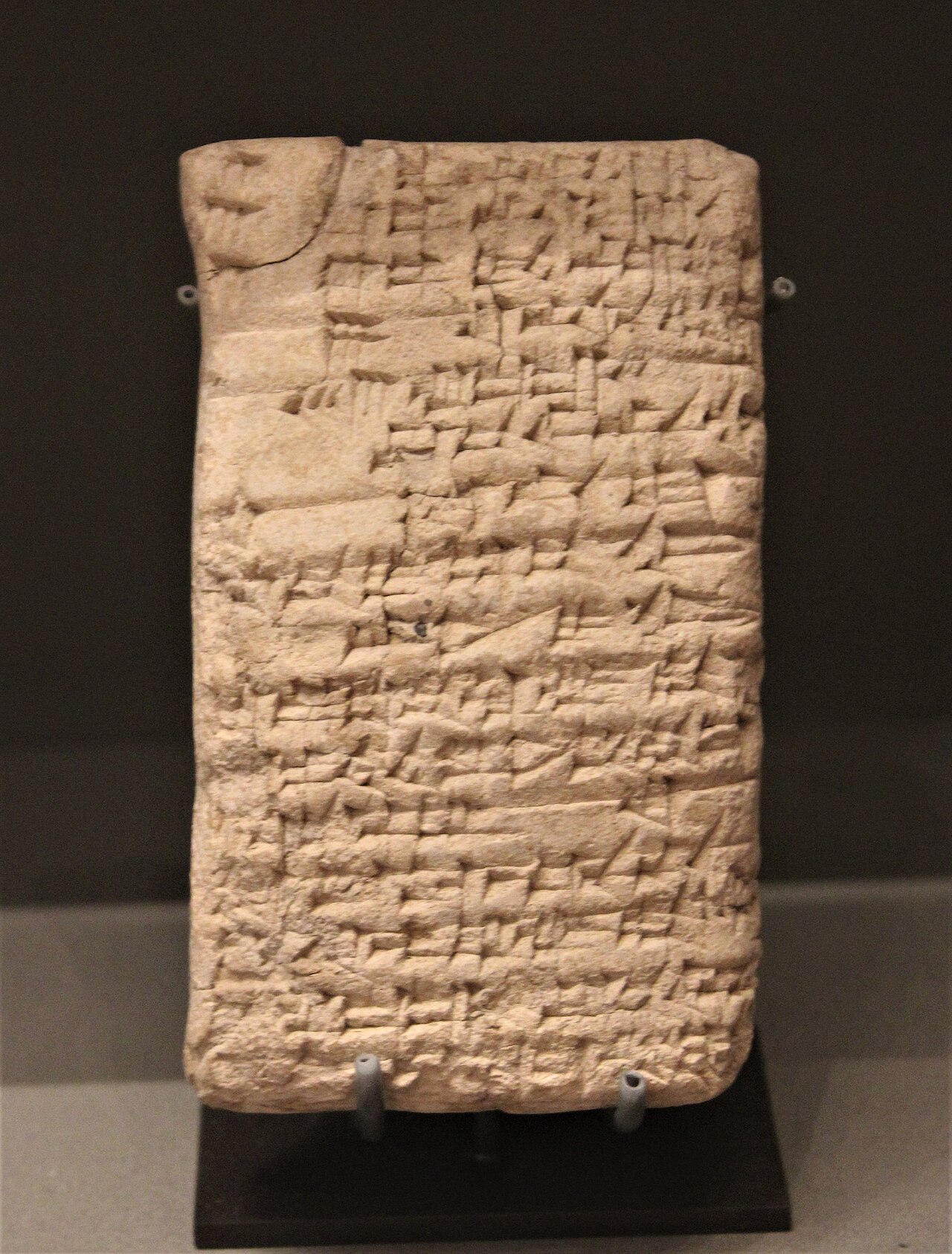
Primary source
Letter from Hammurabi to Sîn-iddinam
Hammurabi · c. 1792-1750 BCE
 Document
Primary source
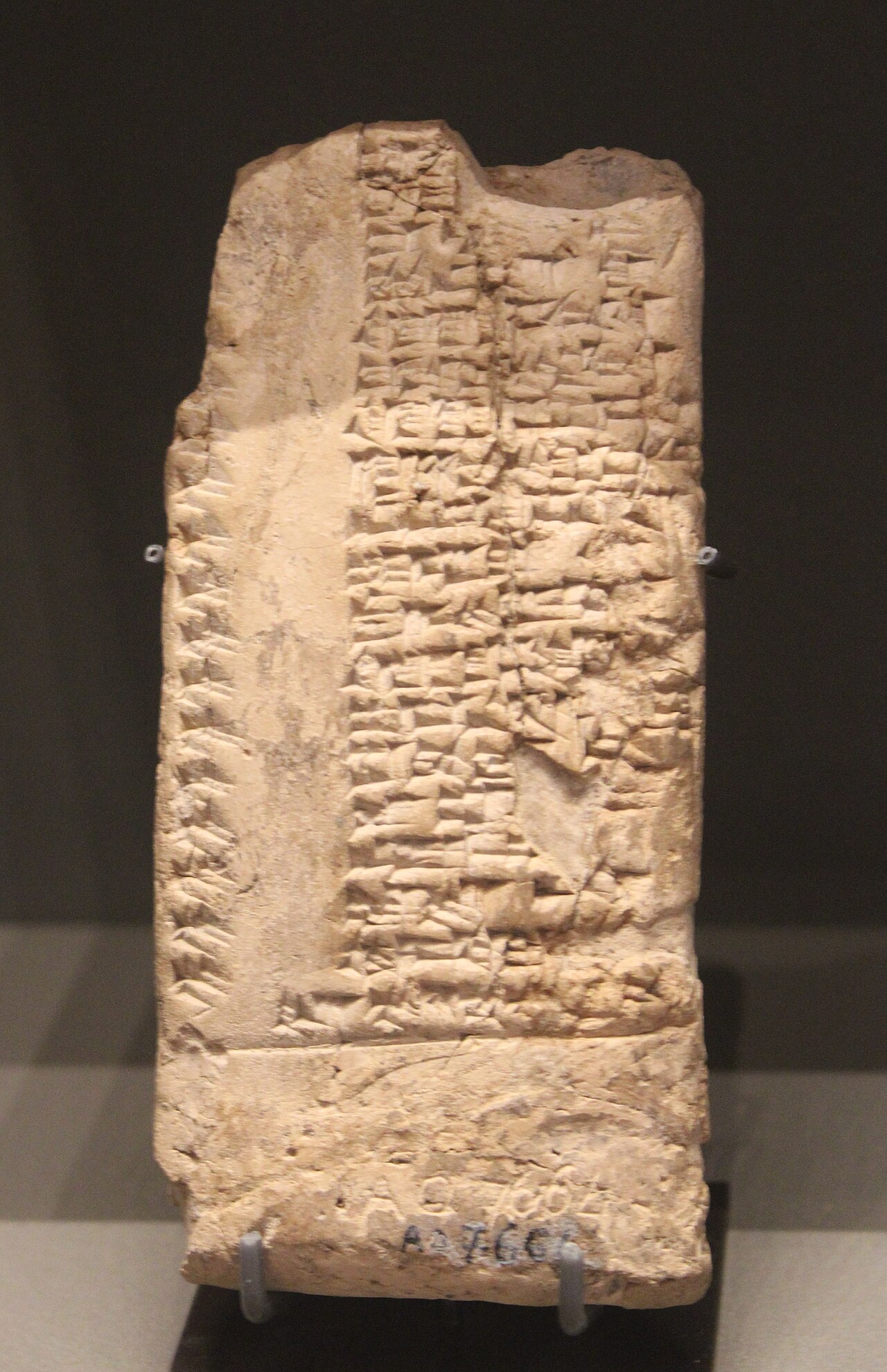
List of the year-names of Hammurabi's reign
Old Babylonian period, reign of Hammurabi (c. 1792-1750 BCE)
 Document
Secondary source
Chronicle of Early Kings
Babylonian scribes · c. 6th century BCE copy
Ready when you are
Start chatting with Hammurabi now.
20 messages free · No credit card · Available in 50+ languages.