


Primary sourceDocumentc. 1926 (edited version of earlier aria text)
Ja, nun laß das Schicksal wüten
Wolfgang Amadeus Mozart · c. 1926 (edited version of earlier aria text)
German text of an aria from Mozart's opera Zaide, written by the composer for the character Gomatz (later called Alonso).
The German text of an aria from Mozart's opera Zaide, representing his work as a composer for the stage.
About this source
What it is
This is the German text of an aria from Wolfgang Amadeus Mozart's opera Zaide. The text as given here, beginning 'Ja, nun laß das Schicksal wüten,' was a later edited version of an earlier aria originally titled 'Rase Schicksal, wüte immer,' used until 1957.
Why it matters
Opera librettos and arias like this one reveal how Mozart's stage works were written, performed, and sometimes revised over time. The note about character name changes (Gomatz to Alonso) shows how operas can be adapted by later editors and publishers.
Look closer
- Why might a character's name or an aria's text be changed in later performances of an opera?
- What might this aria's words tell you about the character singing it and their situation?
- How does knowing a text was edited after Mozart's time change how we should read it?
This document is part of the curated material that grounds the AI version of Wolfgang Amadeus Mozart on Humy.ai — when students ask about related events, the AI can quote it and cite it.
More Wolfgang Amadeus Mozart sources
Meet the AI Wolfgang Amadeus Mozart →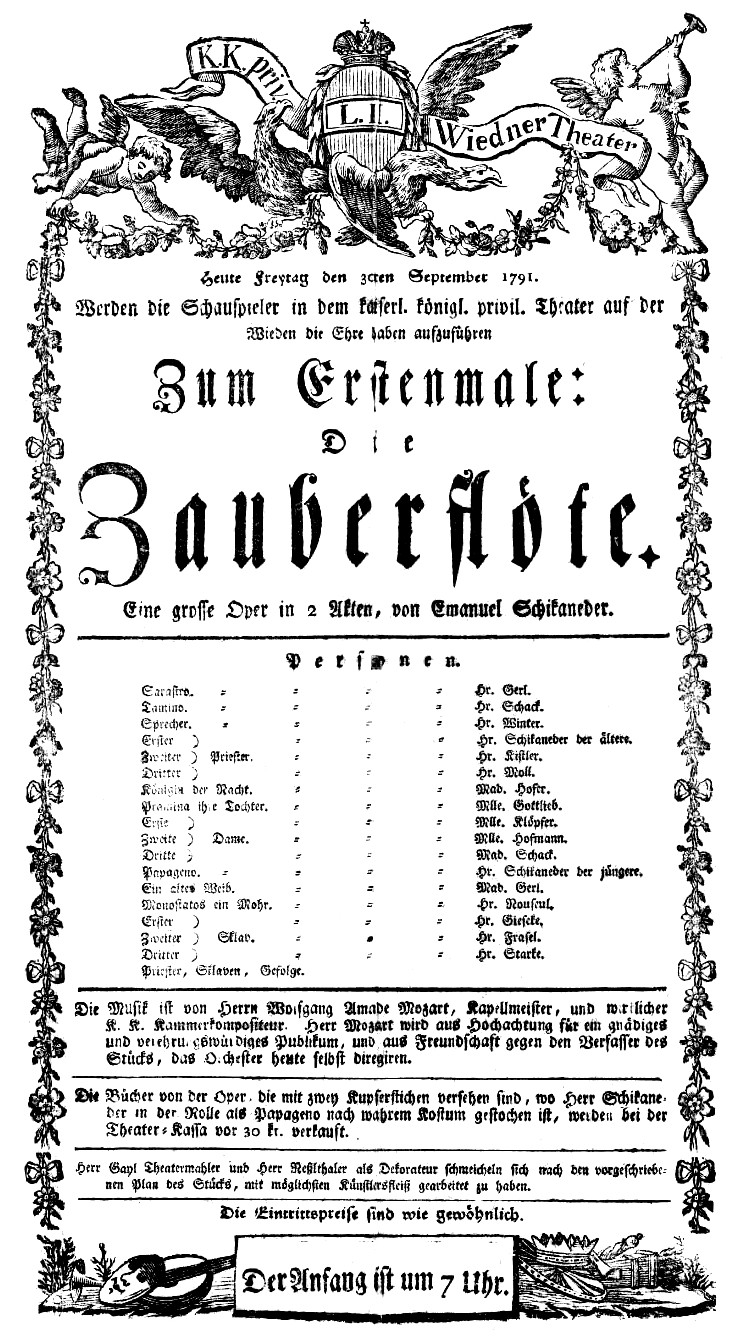 Document
Primary source
The Magic Flute
Wolfgang Amadeus Mozart · 1791
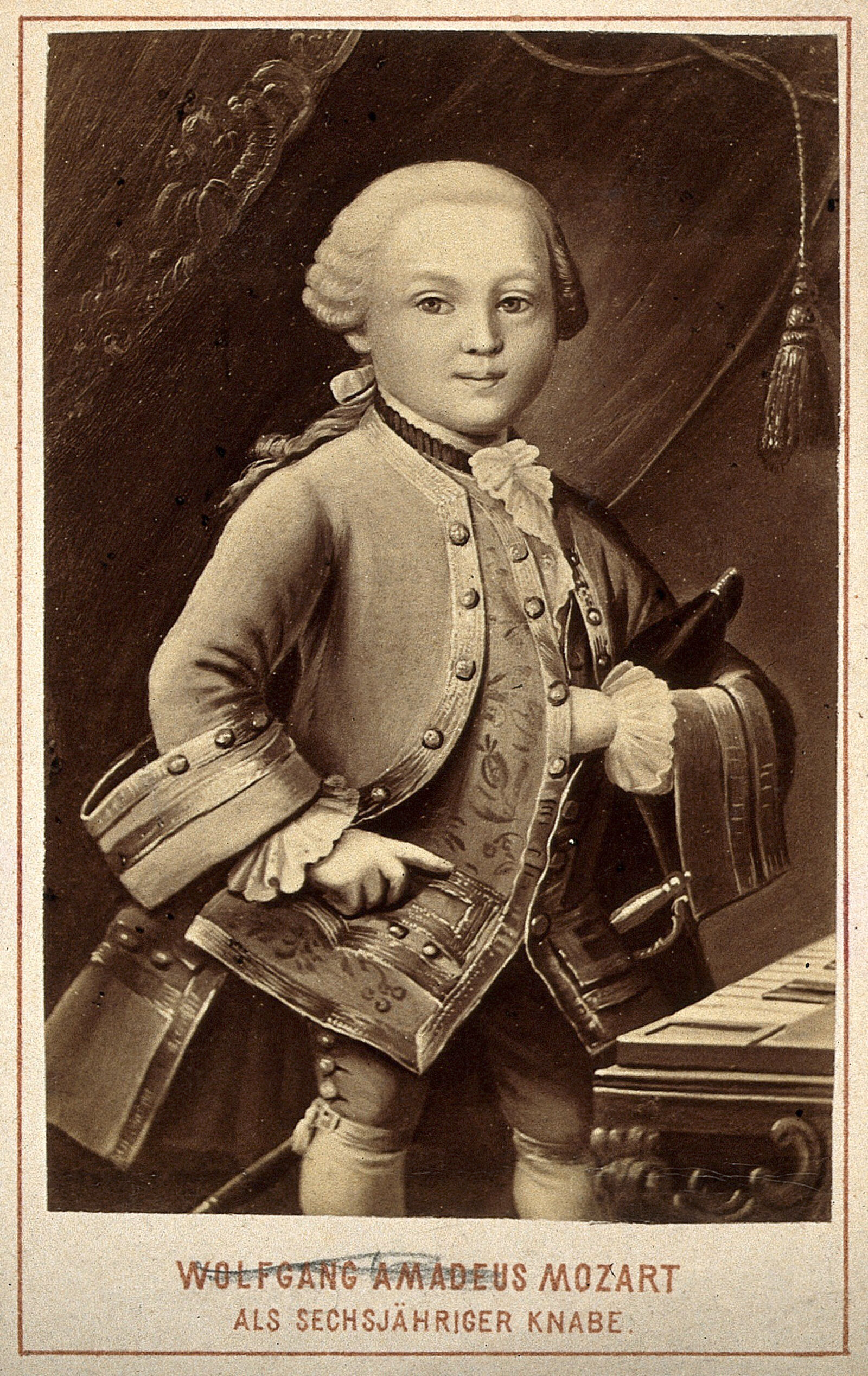 Photograph
Secondary source
Wolfgang Amadeus Mozart at the age of six
A. Lenisch
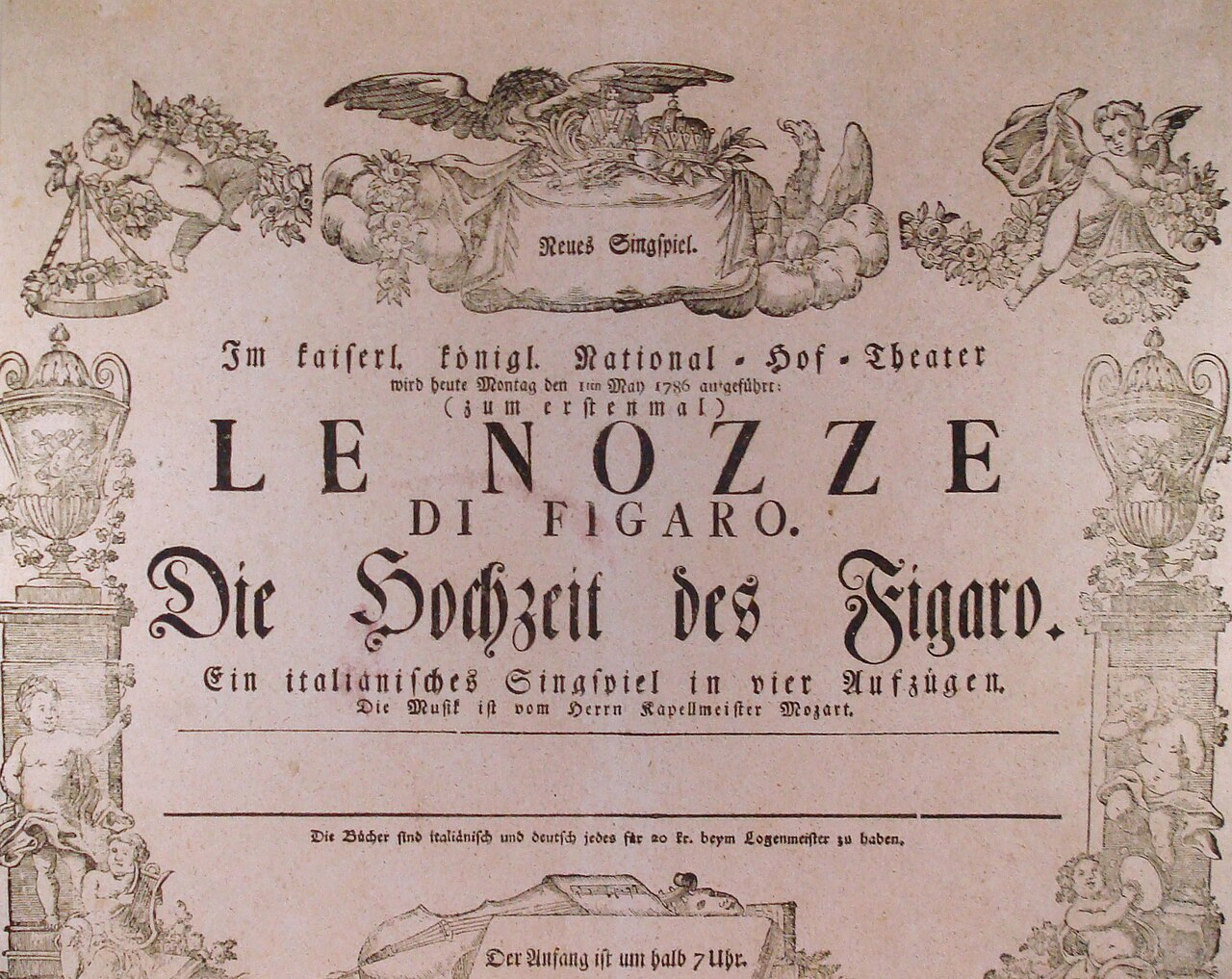 Document
Primary source
The Marriage of Figaro
Wolfgang Amadeus Mozart · 1786
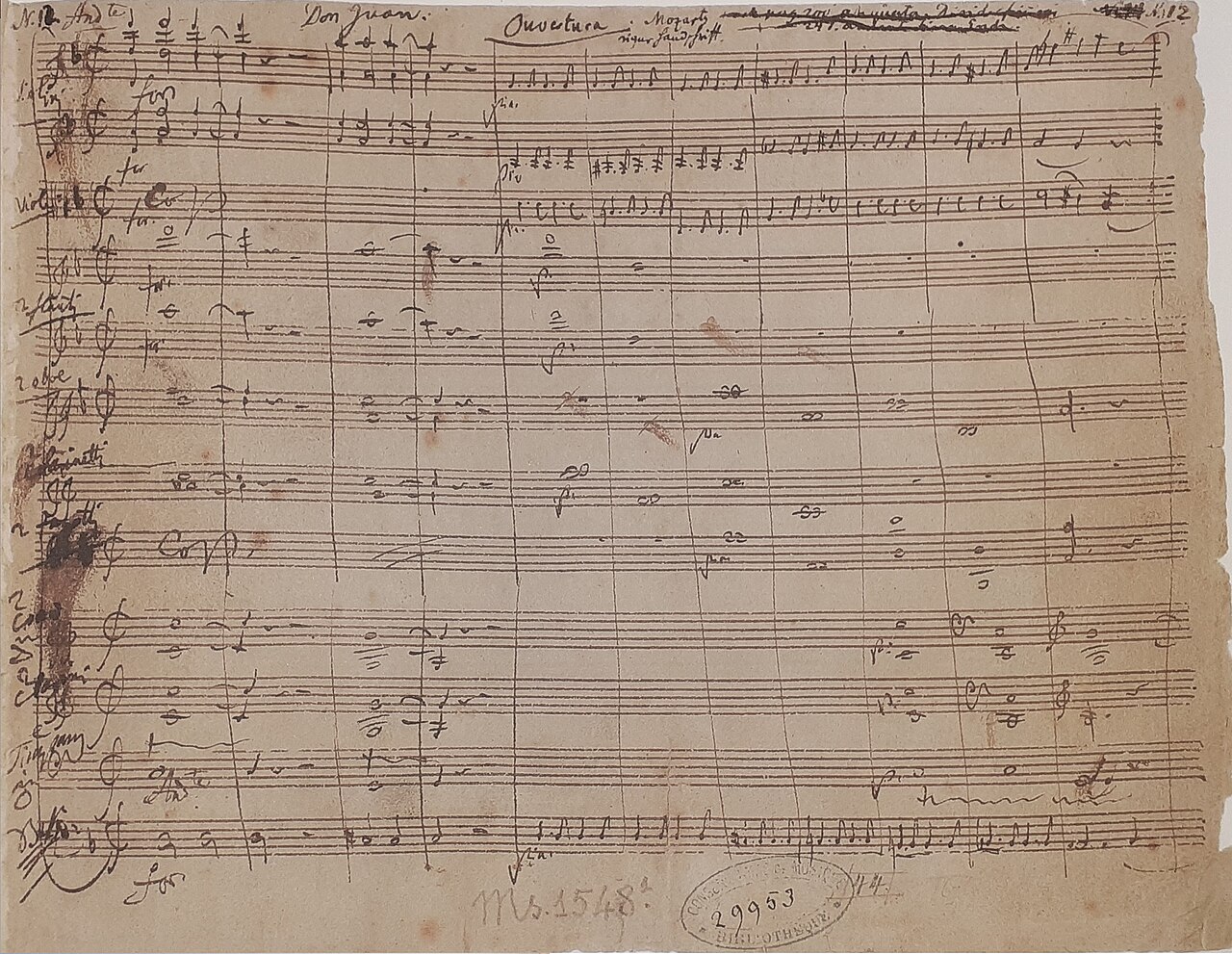 Document
Primary source
Don Giovanni
Wolfgang Amadeus Mozart · 1787
 Document
Primary source
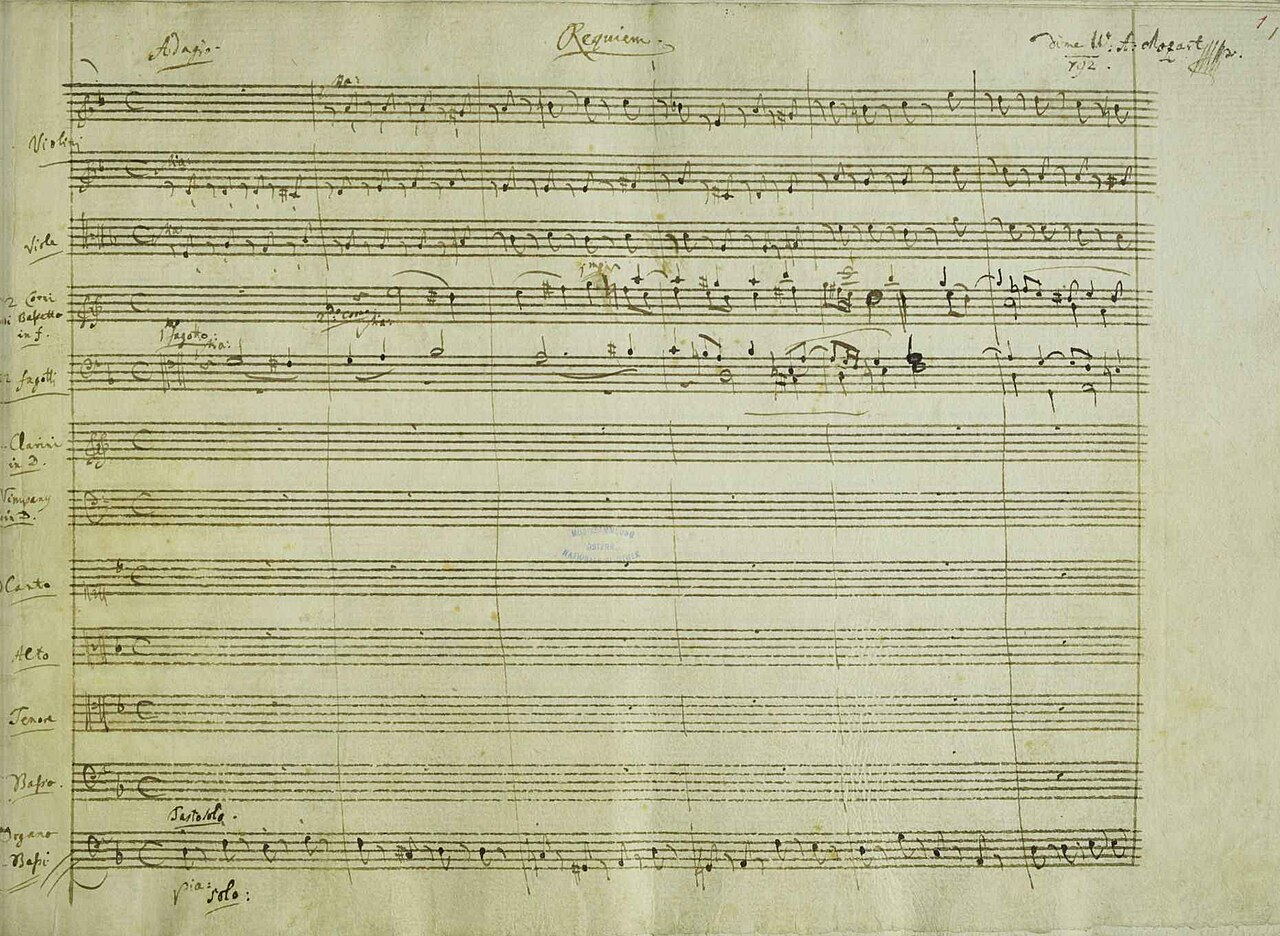
Requiem
Wolfgang Amadeus Mozart · 1791
Ready when you are
Start chatting with Wolfgang Amadeus Mozart now.
20 messages free · No credit card · Available in 50+ languages.