


Primary sourceDocument1769 (reprinted 1855)
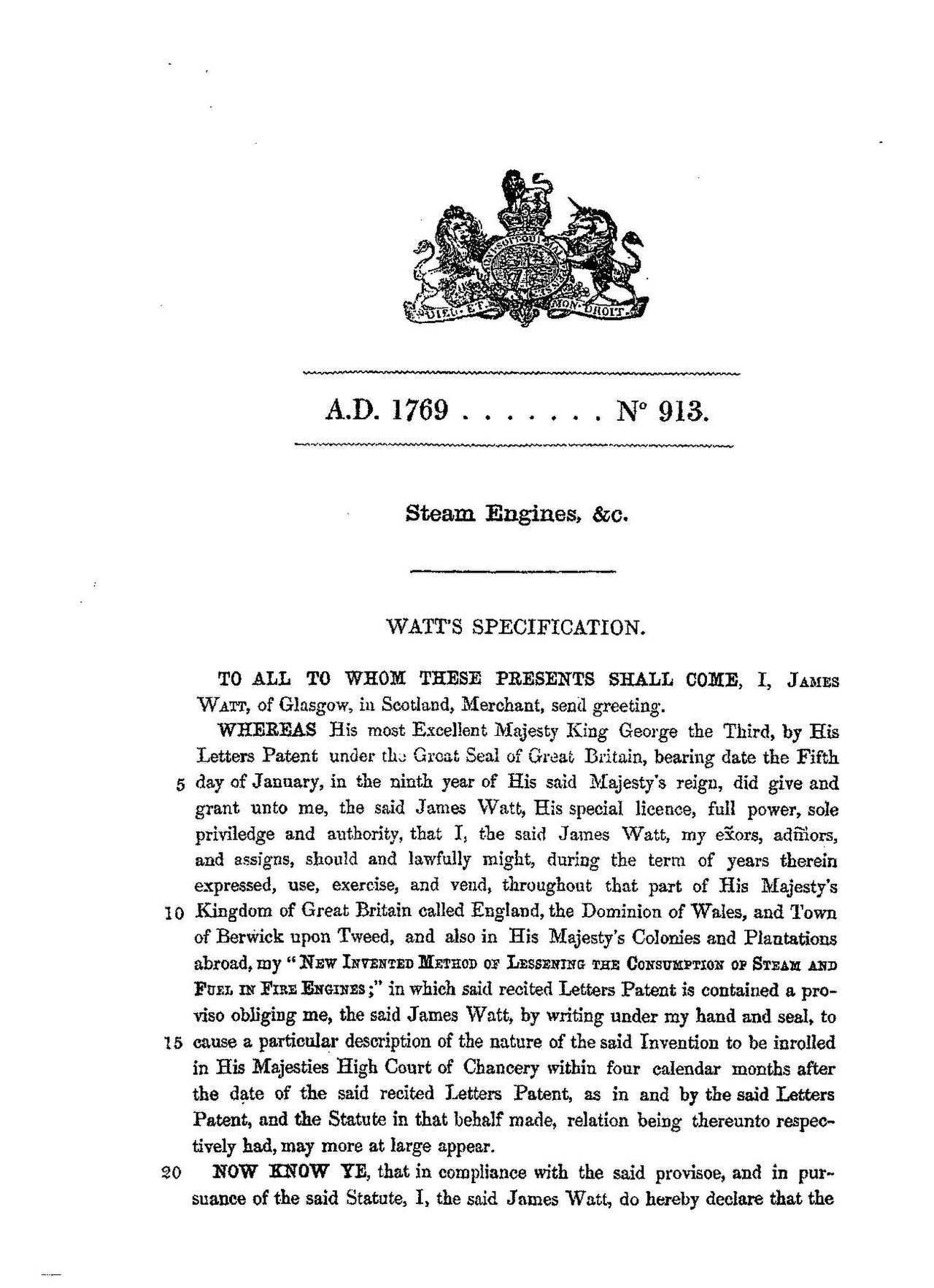
James Watt Patent No. 913
James Watt · 1769 (reprinted 1855)
Watt's 1769 patent for a method of reducing steam and fuel use in fire engines, describing the separate condenser that made him famous.
Watt wrote and filed this patent himself, making it the core legal record of his central invention.
About this source
What it is
This is the printed specification for Patent No. 913 of 1769, granted to James Watt of Glasgow. It describes his 'new invented method of lessening the consumption of steam and fuel in fire-engines.' This copy is an 1855 reprint of the original document.
Why it matters
This patent is the legal foundation of Watt's reputation as an engineer. It protected his idea of the separate condenser, which made steam engines far more efficient than earlier designs. Patents like this show how new ideas in the Industrial Revolution were owned and defended.
Look closer
- Why would Watt want legal protection for his idea?
- What does the formal, old-fashioned language tell you about official documents of the time?
- What does the patent not tell you about how Watt actually built his invention?
This document is part of the curated material that grounds the AI version of James Watt on Humy.ai — when students ask about related events, the AI can quote it and cite it.
More James Watt sources
Meet the AI James Watt →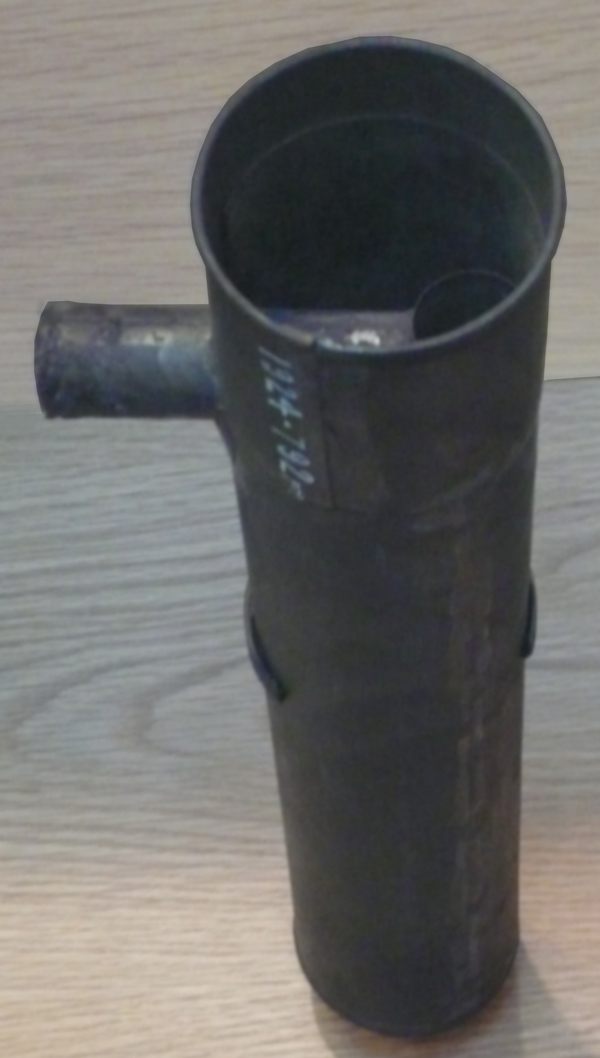 Artifact
Primary source
Watt's First Condenser
James Watt · c. 1765
 Artifact
Primary source
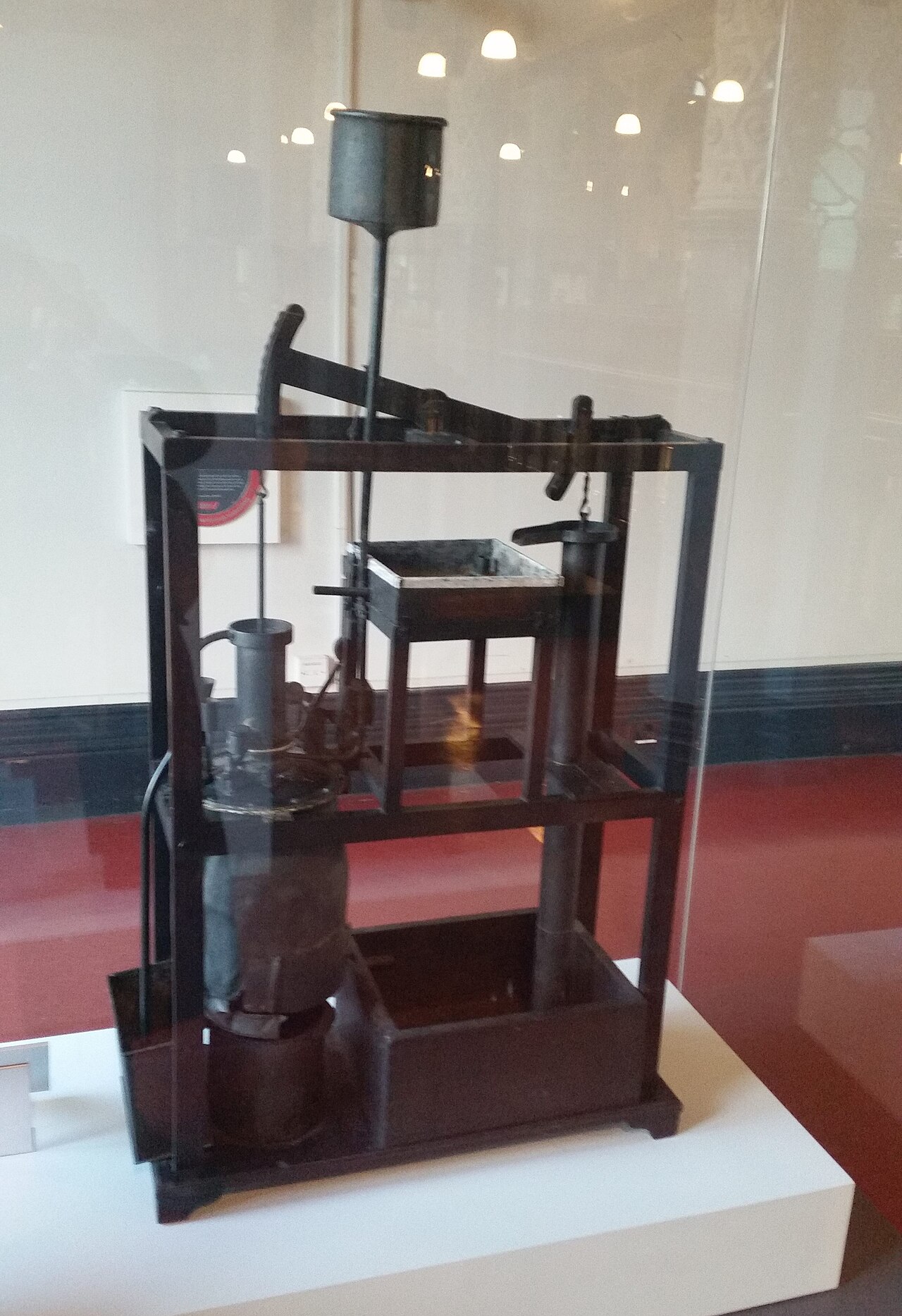
Model Newcomen Engine Repaired by James Watt
Unknown maker (repaired by James Watt) · c. 1760
 Artifact
Primary source
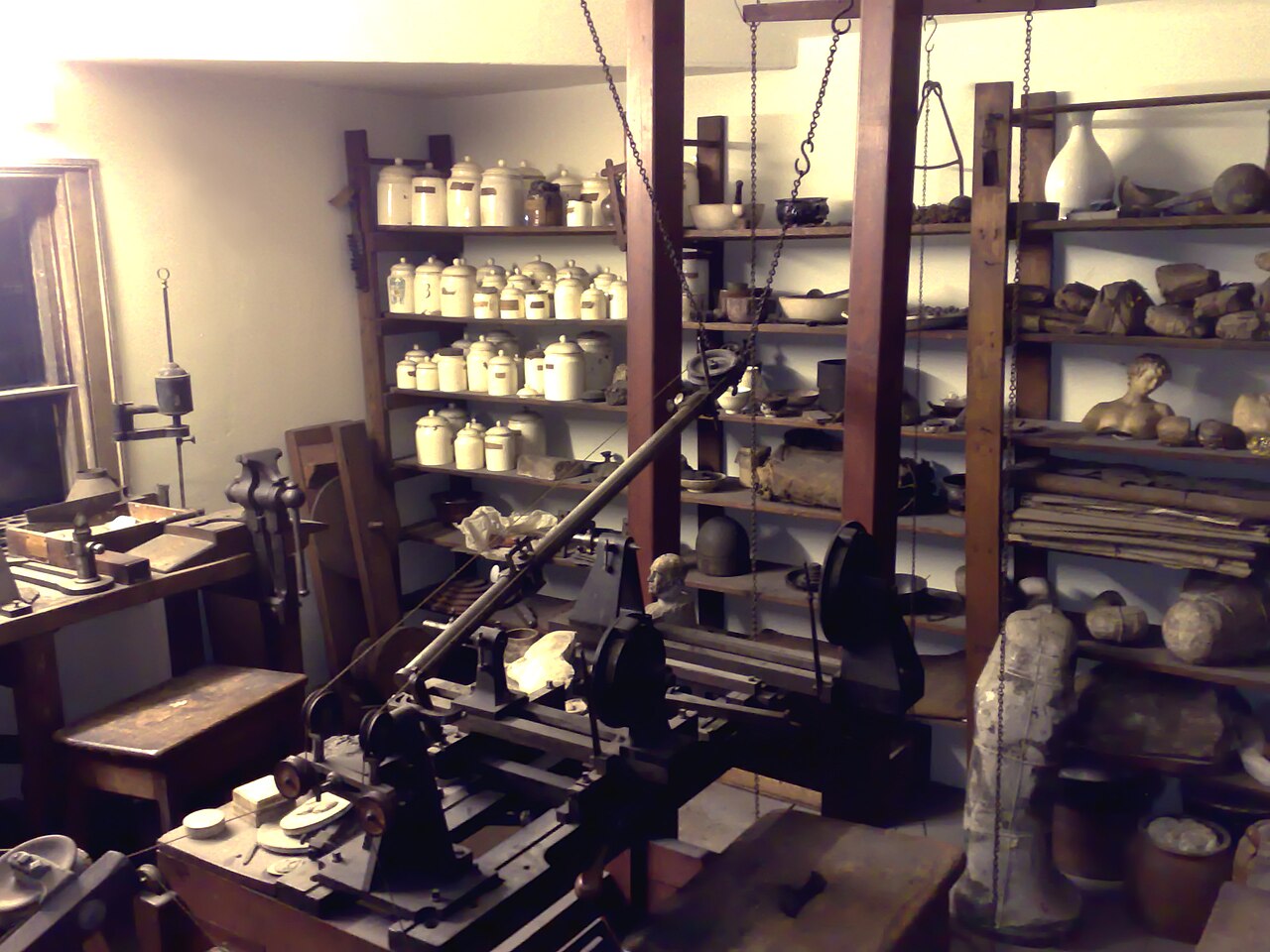
James Watt's Workshop
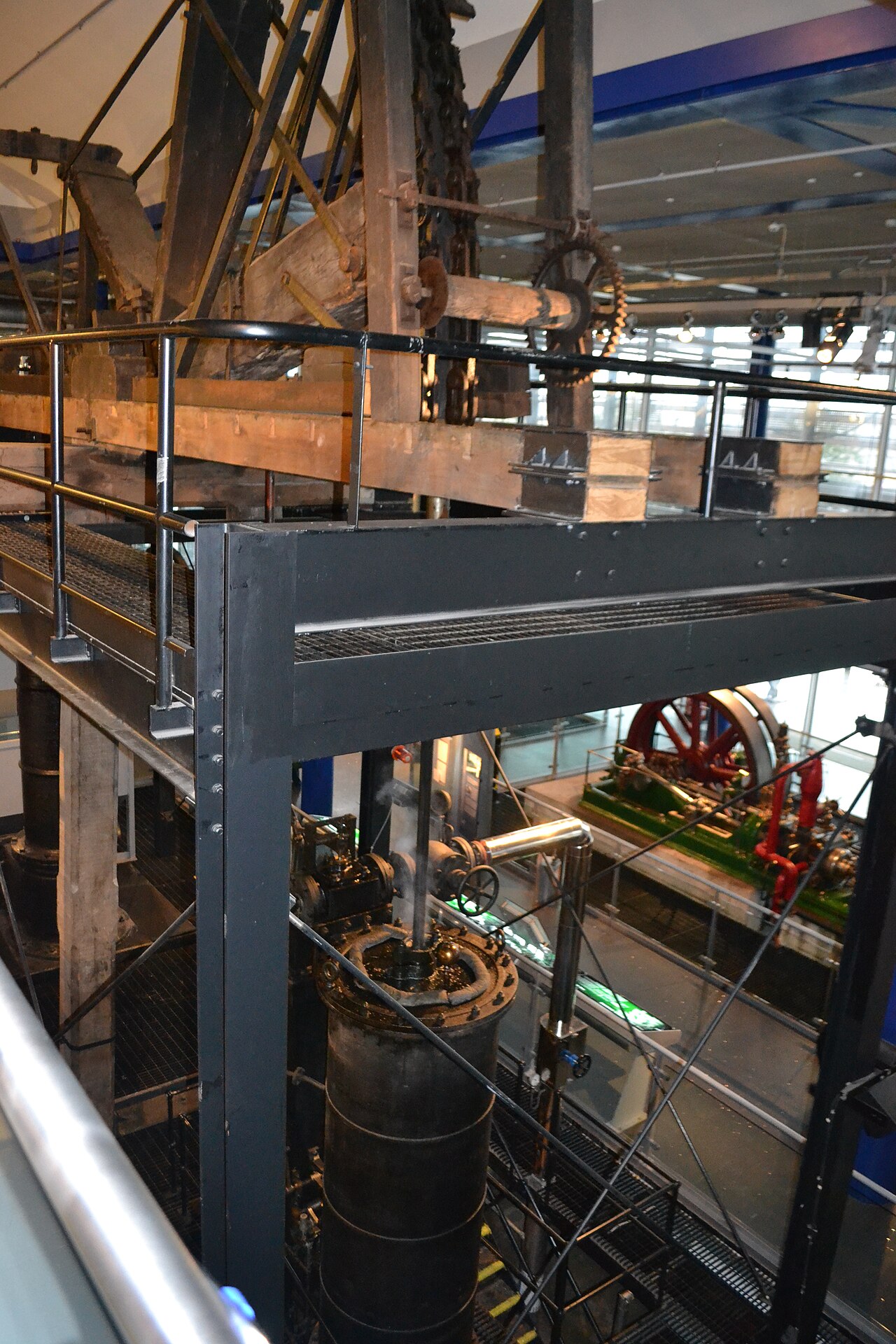 Artifact
Primary source
Smethwick Engine
James Watt · 1779
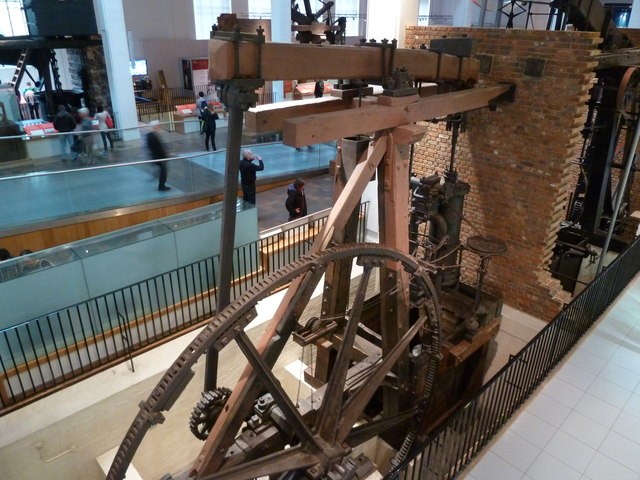 Artifact
Primary source
Lap Engine
James Watt · 1788
Ready when you are
Start chatting with James Watt now.
20 messages free · No credit card · Available in 50+ languages.