


Primary sourceArtifactc. 1765
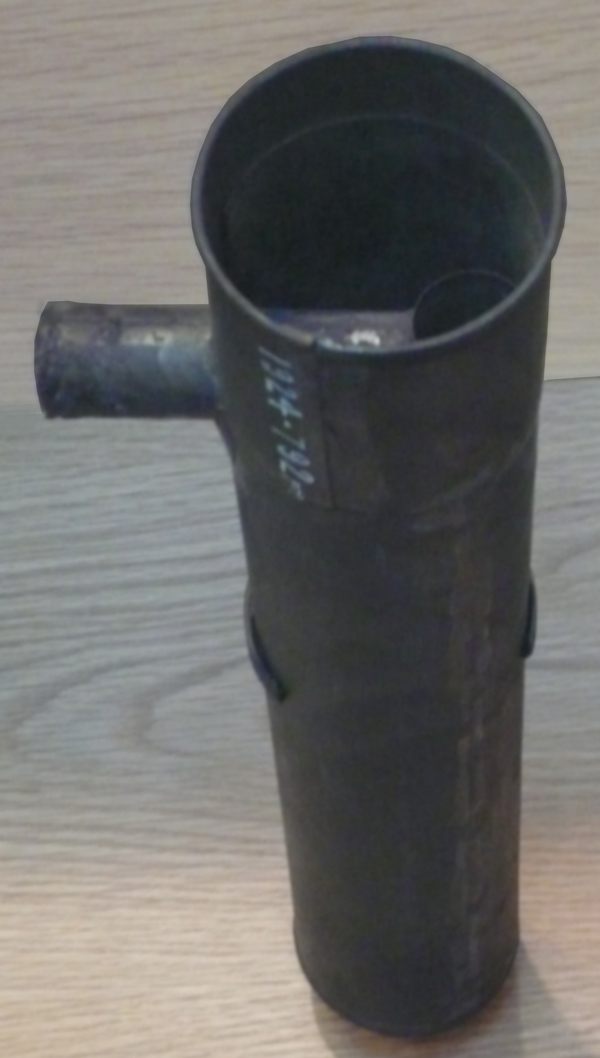
Watt's First Condenser
James Watt · c. 1765
A surviving experimental separate-condenser model from around 1765, showing Watt's key insight for improving the steam engine.
This is the physical model embodying Watt's own breakthrough idea of the separate condenser.
About this source
What it is
This dark metal cylindrical object is an early experimental model of James Watt's separate condenser, dating from around 1765. Steam entered the brass condenser and was pumped through it by an air pump, with the device filled with water during operation.
Why it matters
This small device represents the breakthrough that separated Watt's engines from earlier Newcomen engines. By condensing steam away from the hot cylinder, Watt avoided wasting huge amounts of heat, which made his engines much more efficient and commercially successful.
Look closer
- What can you tell about how the device worked just from its shape and openings?
- Why might an object this small have had such a big effect on industry?
- What questions would you ask an engineer about how this was tested?
This artifact is part of the curated material that grounds the AI version of James Watt on Humy.ai — when students ask about related events, the AI can quote it and cite it.
More James Watt sources
Meet the AI James Watt →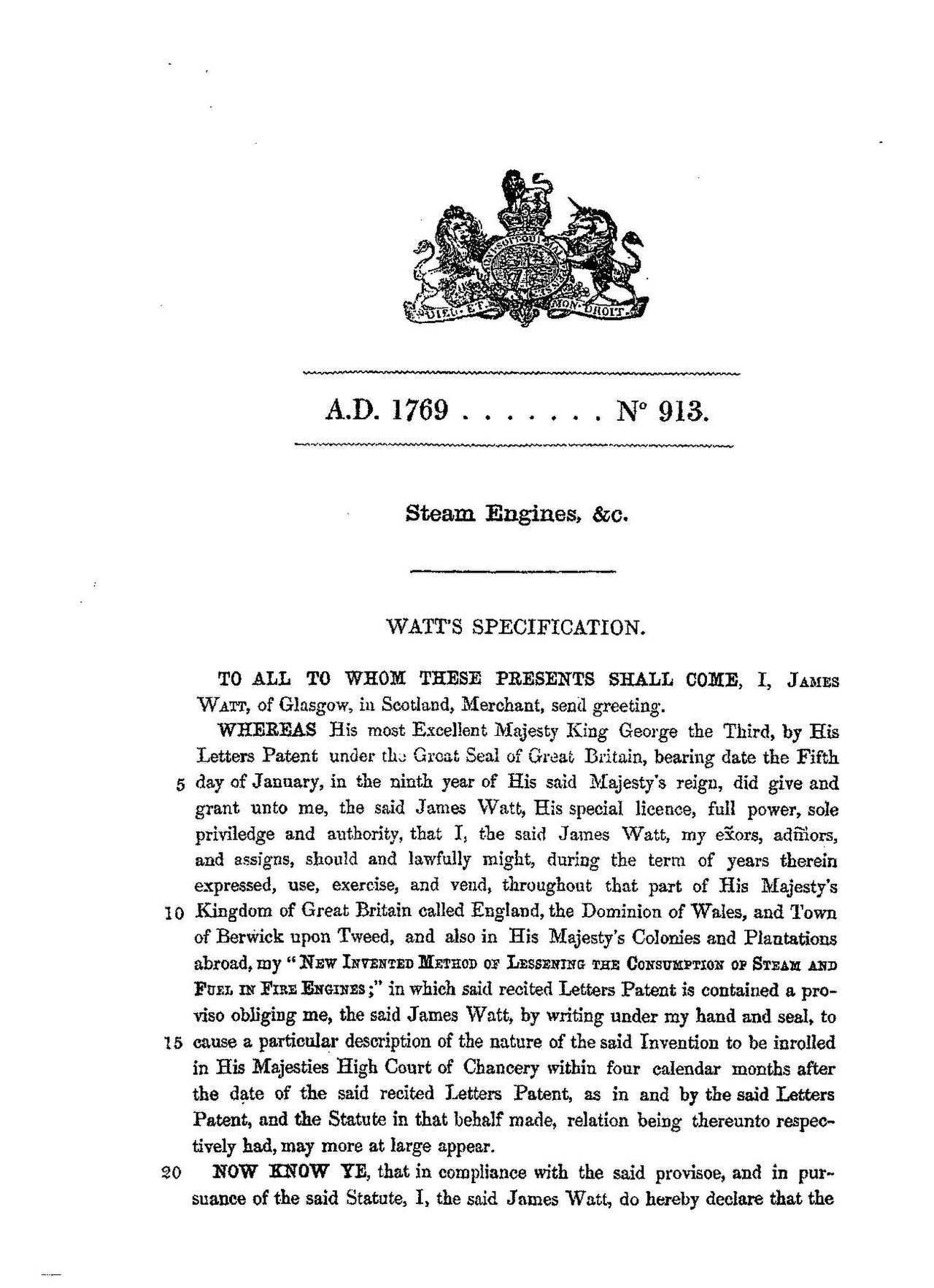 Document
Primary source
James Watt Patent No. 913
James Watt · 1769 (reprinted 1855)
 Artifact
Primary source
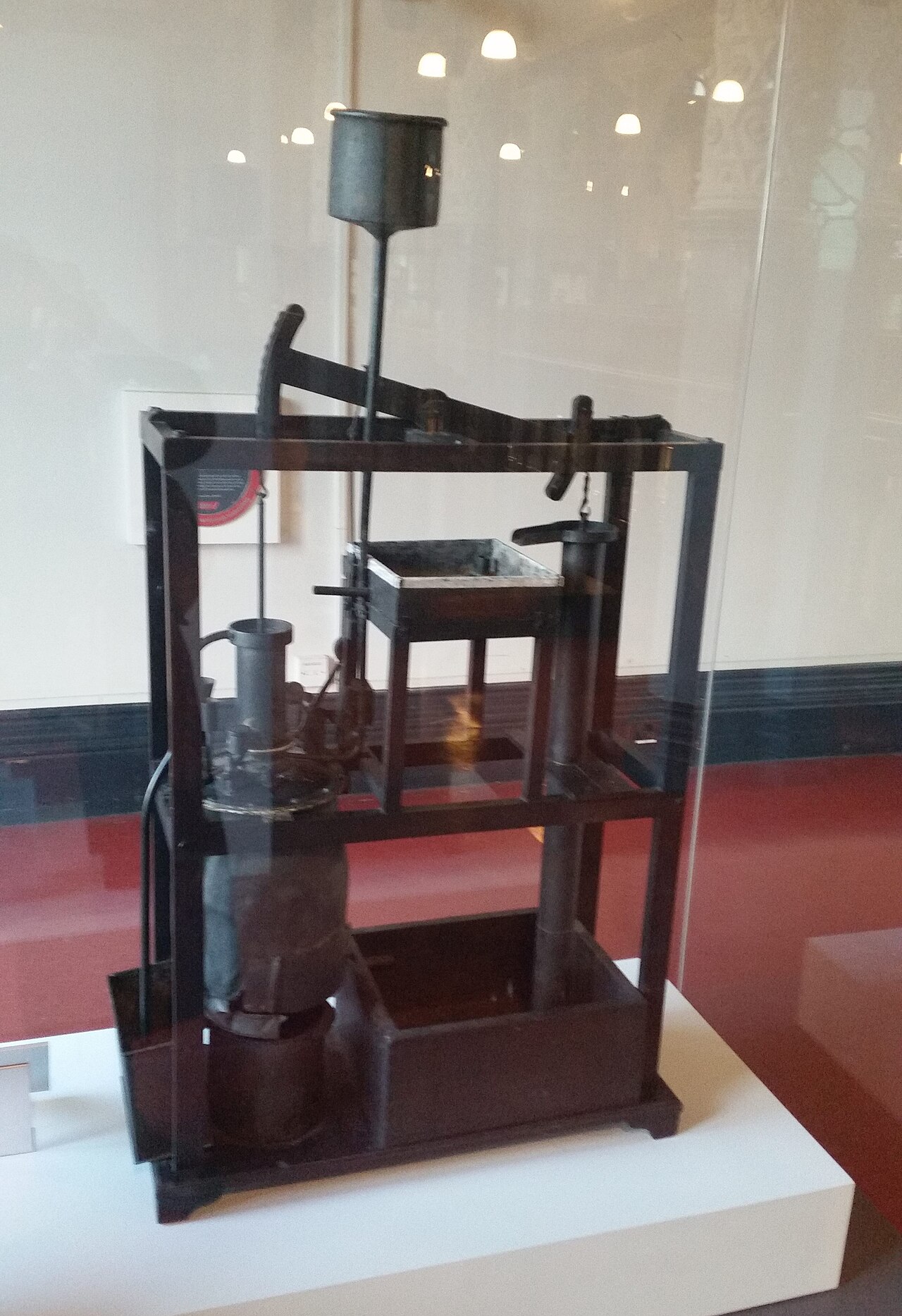
Model Newcomen Engine Repaired by James Watt
Unknown maker (repaired by James Watt) · c. 1760
 Artifact
Primary source
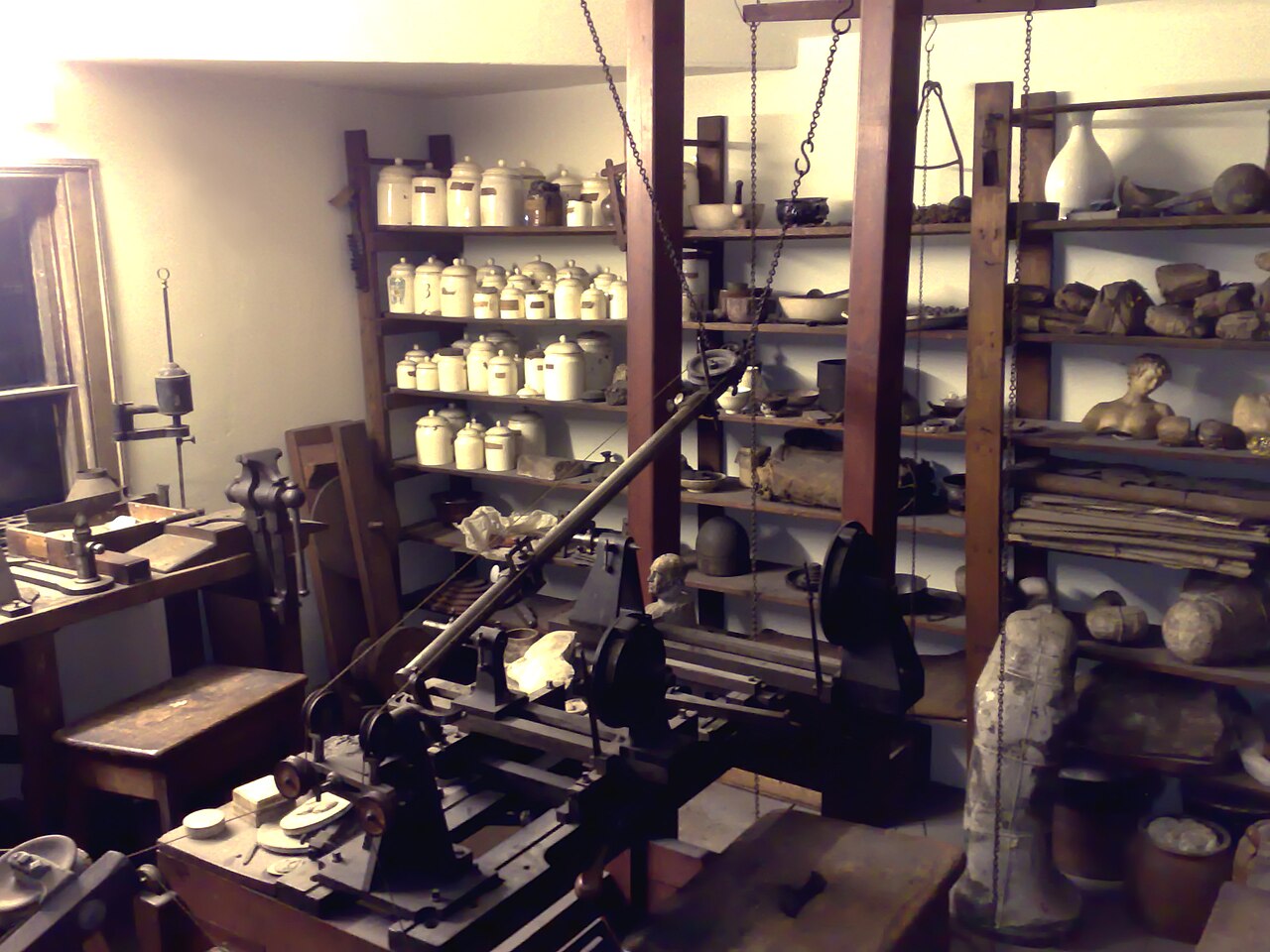
James Watt's Workshop
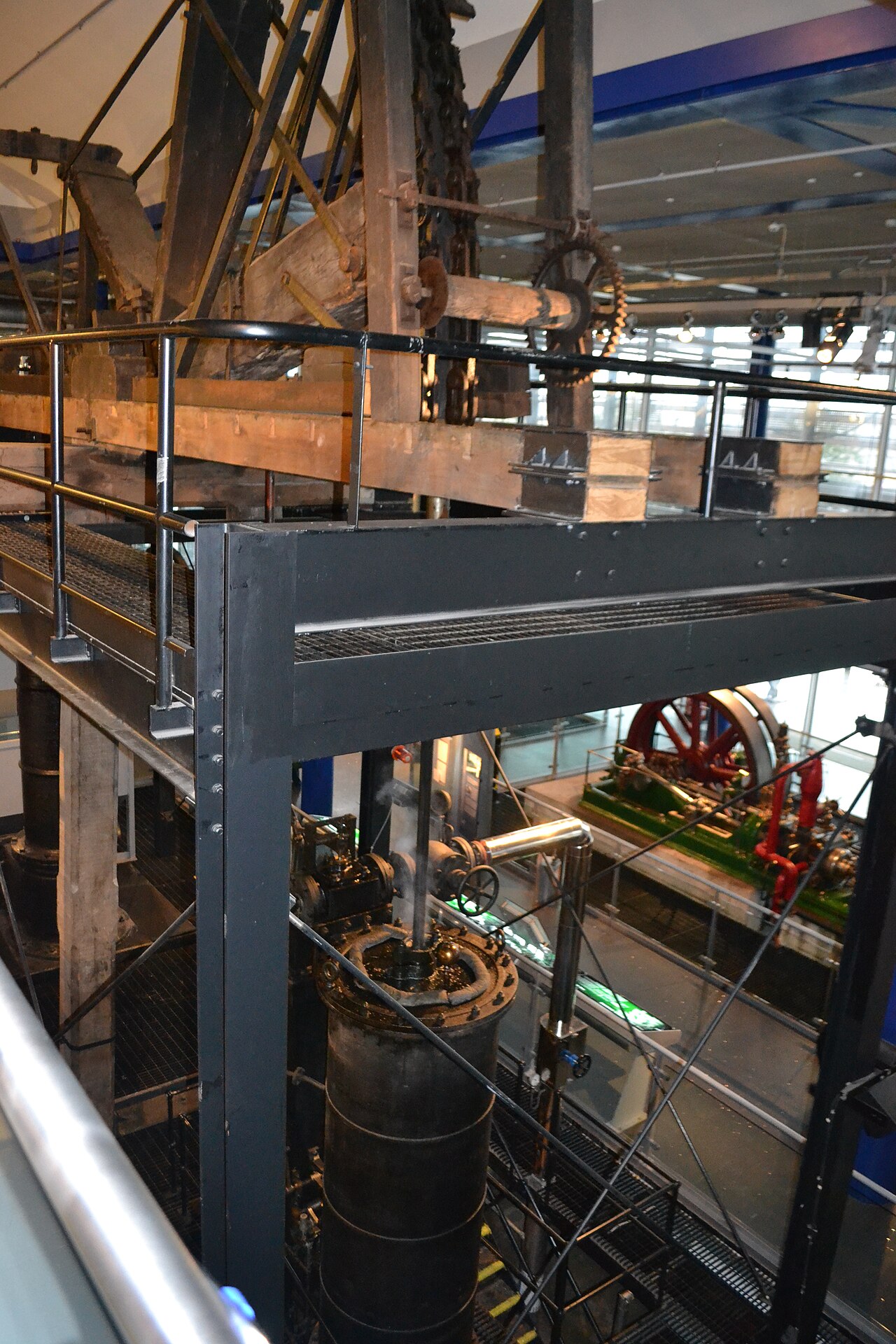 Artifact
Primary source
Smethwick Engine
James Watt · 1779
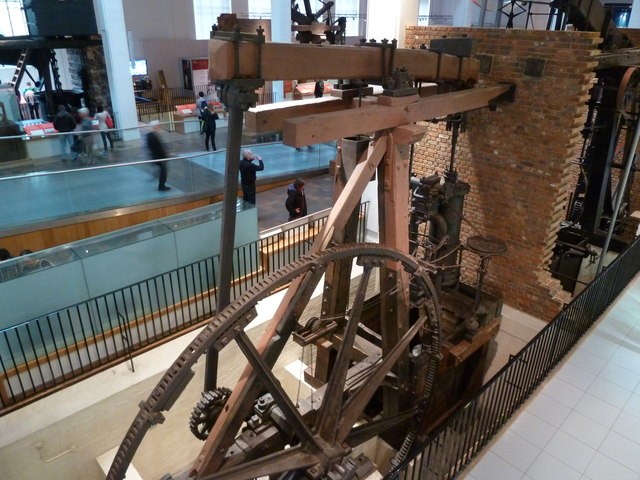 Artifact
Primary source
Lap Engine
James Watt · 1788
Ready when you are
Start chatting with James Watt now.
20 messages free · No credit card · Available in 50+ languages.