


Primary sourceArtifact1779
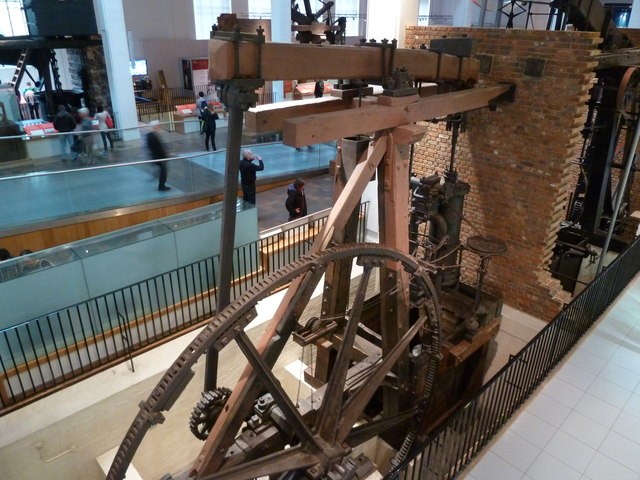
Smethwick Engine
James Watt · 1779
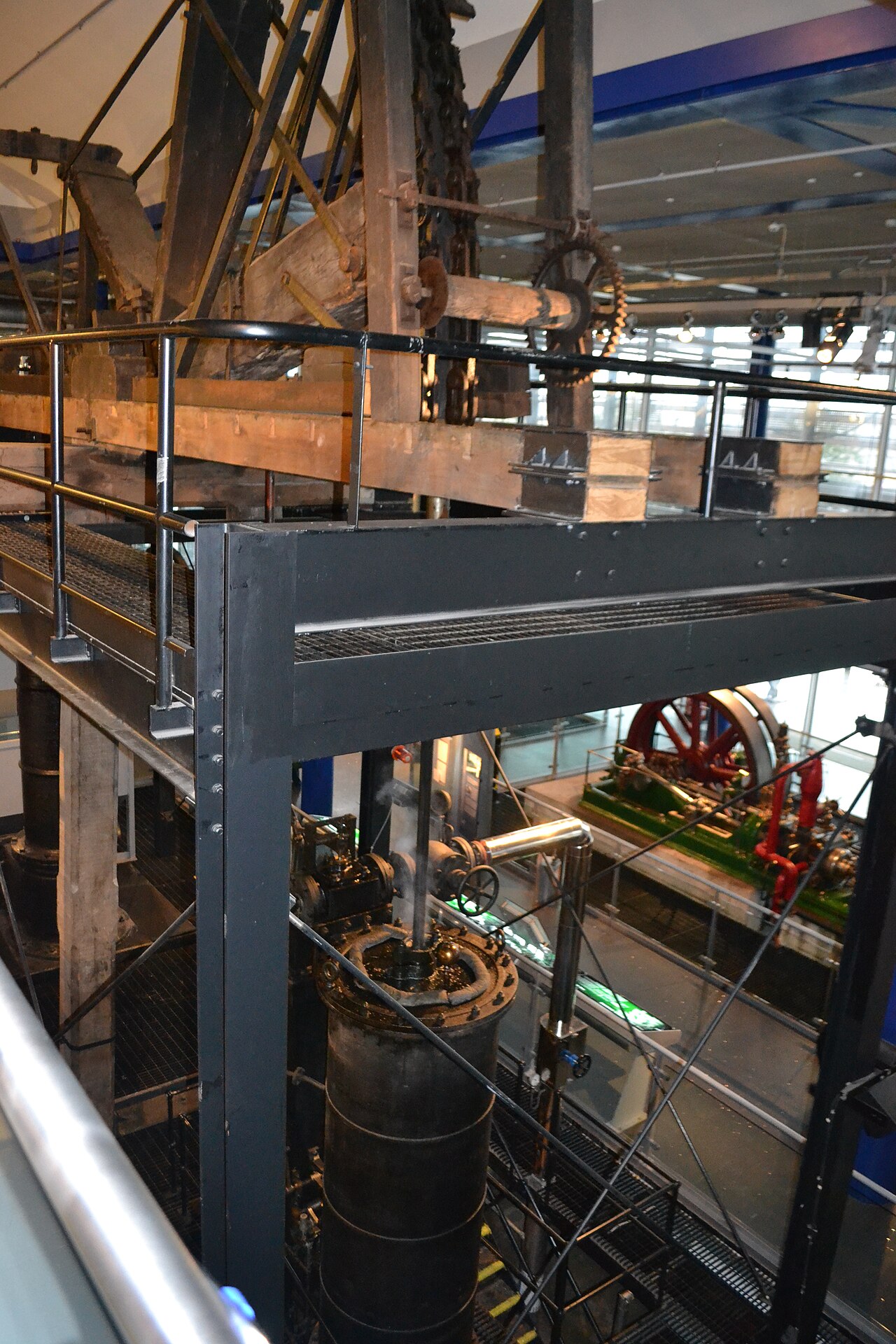
A Boulton and Watt steam engine from 1779, believed to be the oldest working engine in the world, built to pump water for a canal.
Designed by Watt, this engine shows his invention successfully applied to real industrial water-pumping work.
About this source
What it is
The Smethwick Engine is a steam engine designed by James Watt and built by Boulton and Watt. It entered service in 1779 to pump water up to the summit of the Birmingham Canal near Smethwick. It is now preserved at Thinktank, Birmingham Science Museum, and is considered the oldest working engine in the world.
Why it matters
This engine shows Watt's invention put to real industrial use, solving a practical problem of canal engineering alongside figures like James Brindley and Thomas Telford, who built the canal system it served. It demonstrates how Watt's engineering changed transport and industry in Britain.
Look closer
- Why was pumping water up to the canal's summit necessary?
- What does the engine's survival for so long suggest about its design and construction?
- What does the engine alone not tell you about the canal workers and the wider industry around it?
This artifact is part of the curated material that grounds the AI version of James Watt on Humy.ai — when students ask about related events, the AI can quote it and cite it.
More James Watt sources
Meet the AI James Watt →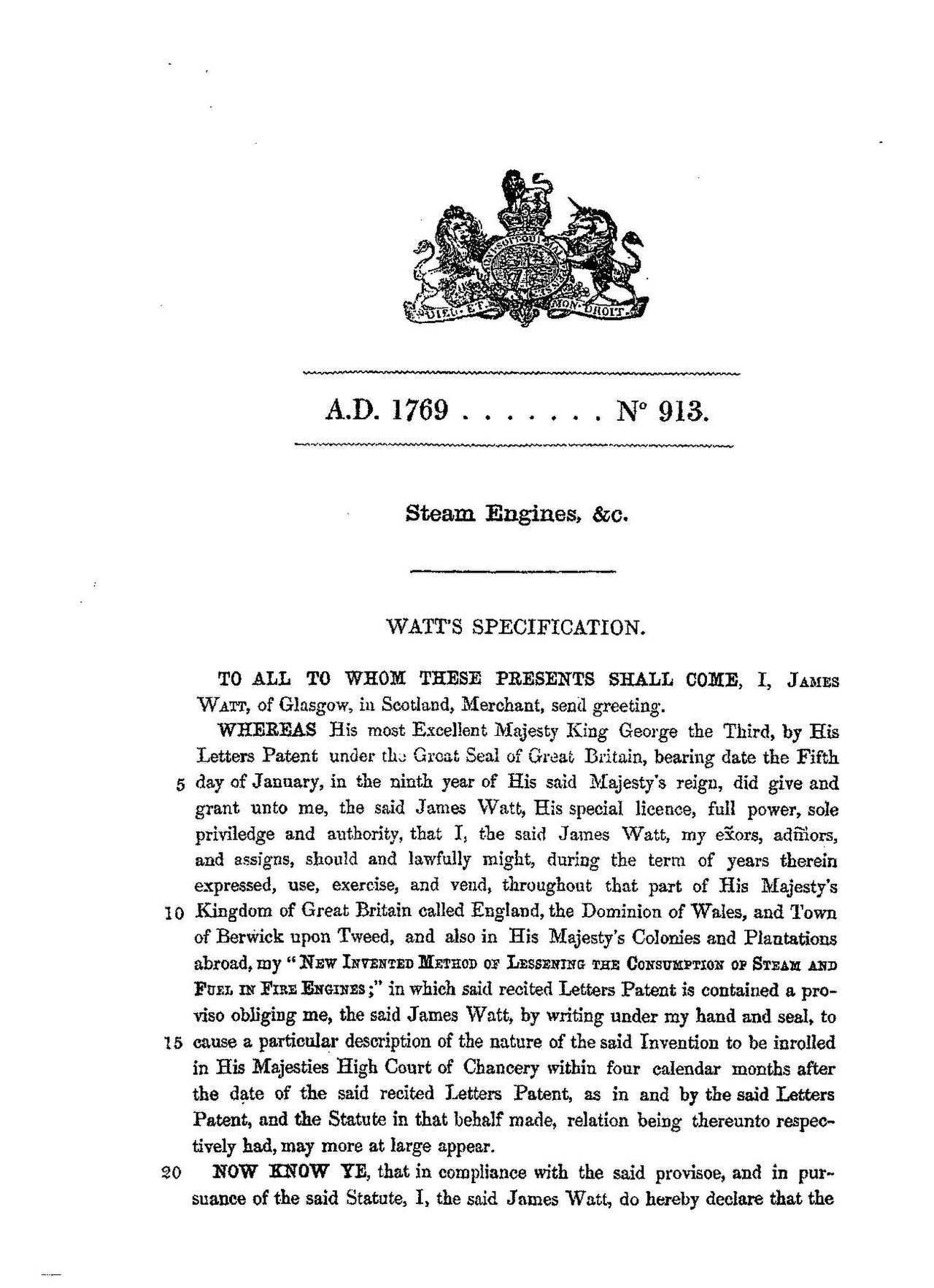 Document
Primary source
James Watt Patent No. 913
James Watt · 1769 (reprinted 1855)
 Artifact
Primary source
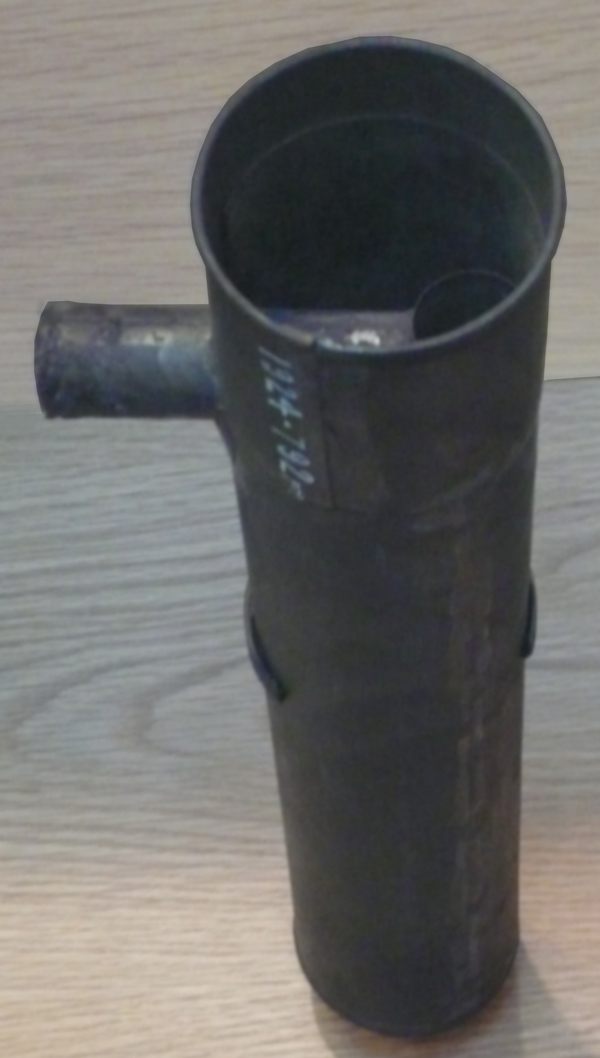
Watt's First Condenser
James Watt · c. 1765
 Artifact
Primary source
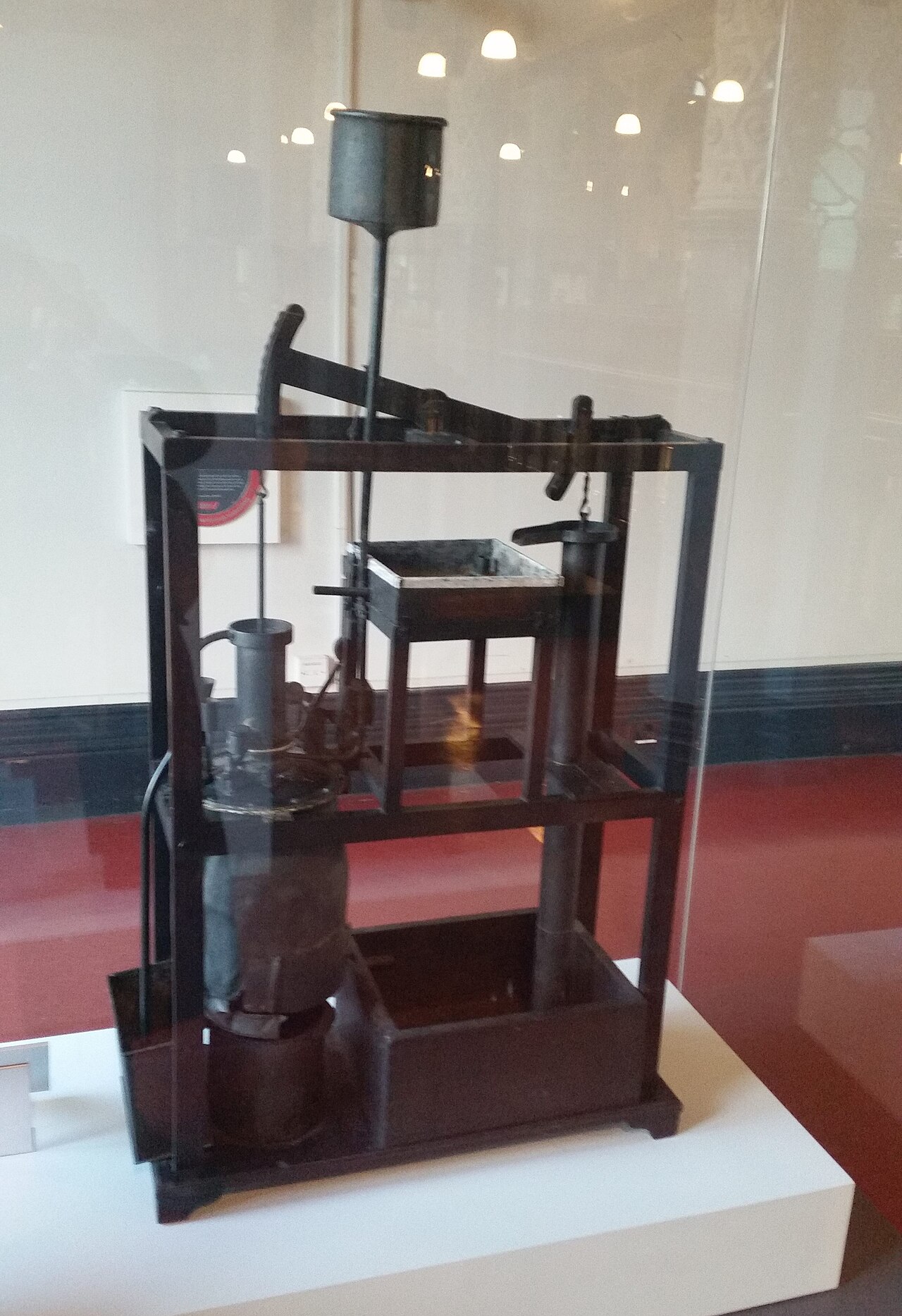
Model Newcomen Engine Repaired by James Watt
Unknown maker (repaired by James Watt) · c. 1760
 Artifact
Primary source
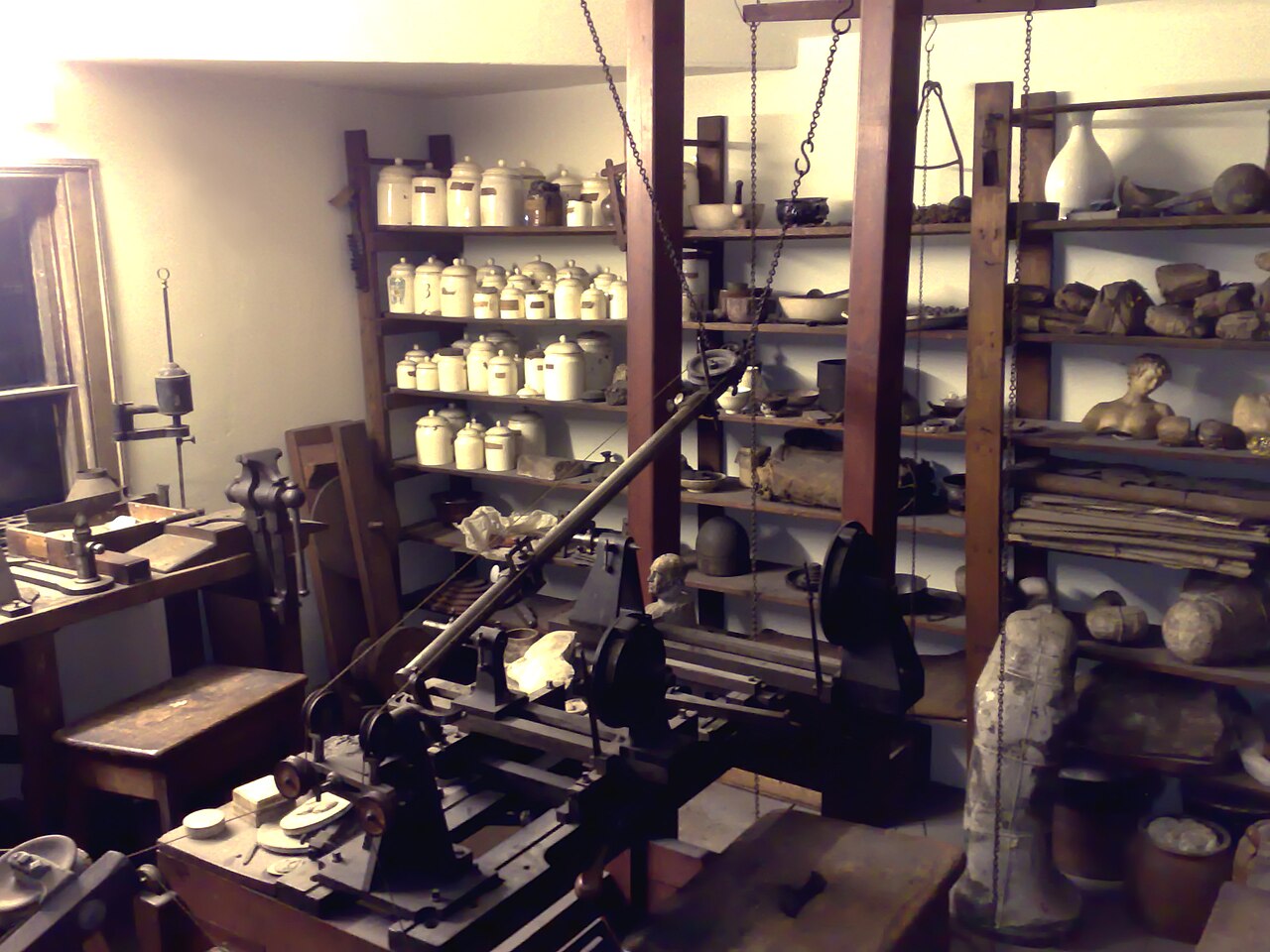
James Watt's Workshop
 Artifact
Primary source
Lap Engine
James Watt · 1788
Ready when you are
Start chatting with James Watt now.
20 messages free · No credit card · Available in 50+ languages.