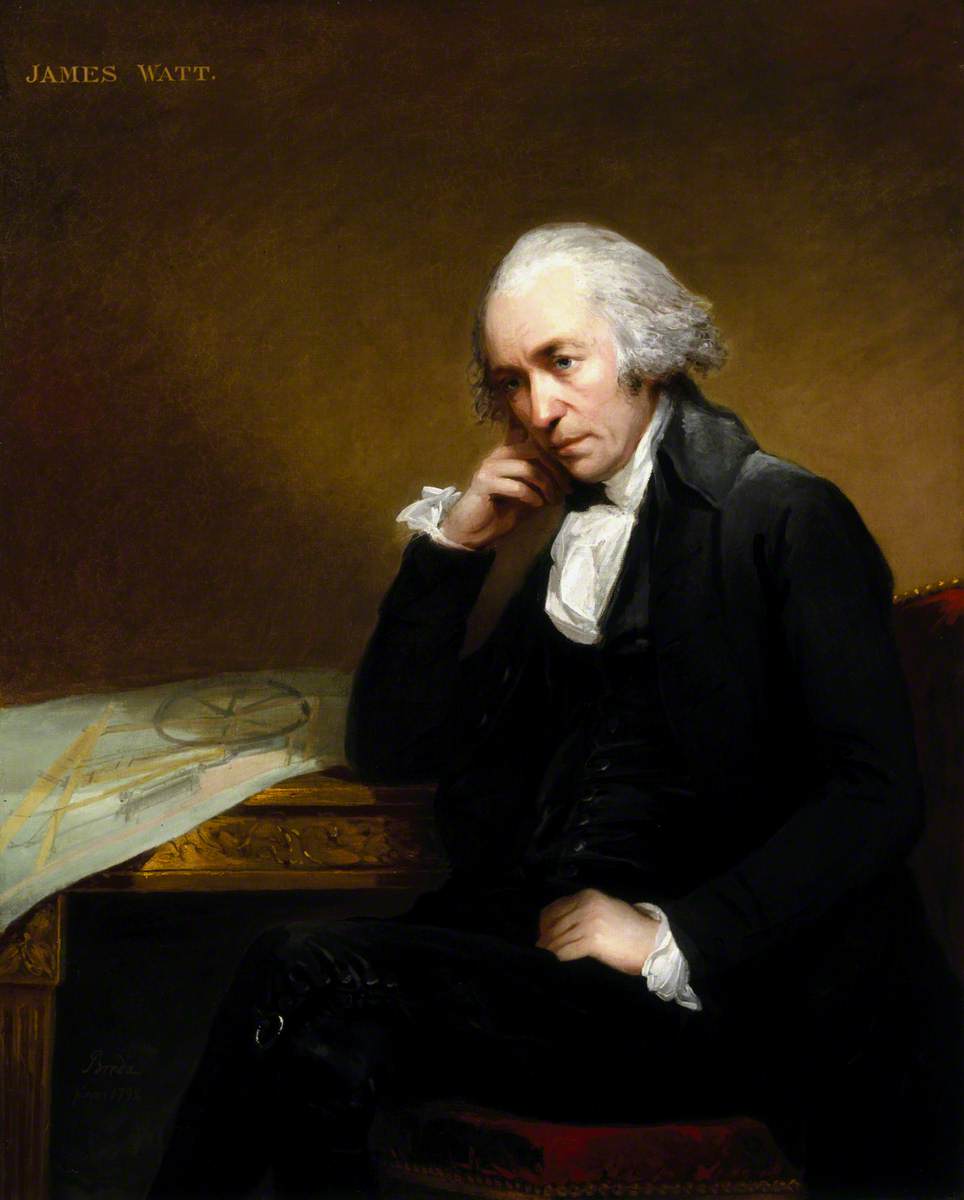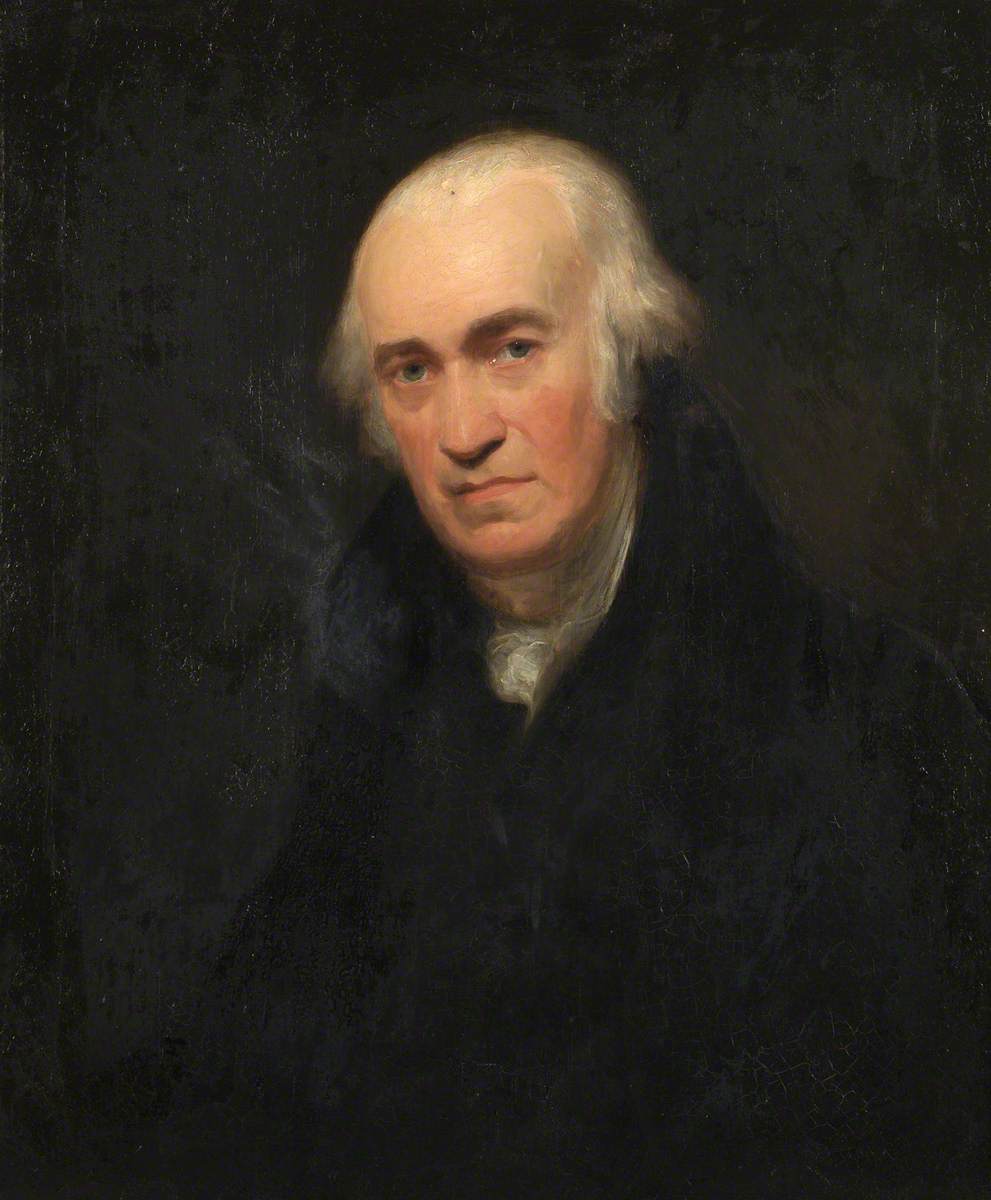
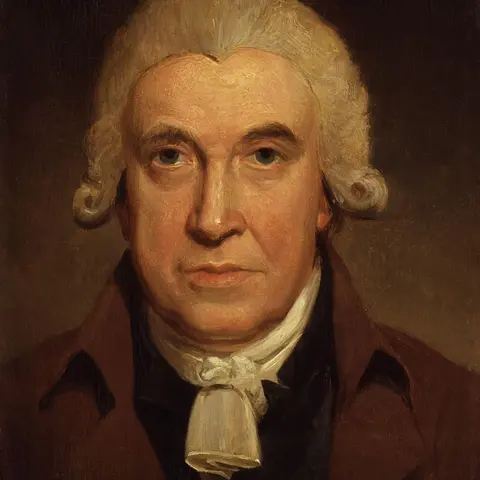

Portrait of James Watt

AI Historical Figure

James Watt

Scottish engineer and inventor of the steam engine.

Chat with James Watt via text or voice — in 42 languages, drawing on a curated biography and 75 historical sources. Available 24/7.

Start chatting with James Watt20 messages free · No credit card
Lived
1736–1819
From
United Kingdom
Known for
Science & medicineTechnology & invention
James Watt

James Watt

Online · responds in seconds

Hello — I'm James Watt. Scottish engineer and inventor of the steam engine. What would you like to ask me?

20 messages free · No credit card · Powered by Humy.ai

Live preview · Switch between 42 languages above · Send a message to continue in the app

Multilingual

Talk to James Watt in 42 languages

Ask James Watt questions in any language below, and the rest of Humy's app speaks it too. Pick yours to open the chat in that language.

Also in German (Austria), German (Switzerland), English (UK), English (Australia), English (Canada).

The sources behind this AI

75 sources · 30 paintings · 14 documents · 11 artifacts · 10 books · 4 letters · 3 sculptures · 1 speech · 1 newspaper article · 1 interview

James Watt doesn’t improvise from thin air. The AI is grounded in 75 curated historical sources students can inspect. Open any of them to see what informs the conversation.

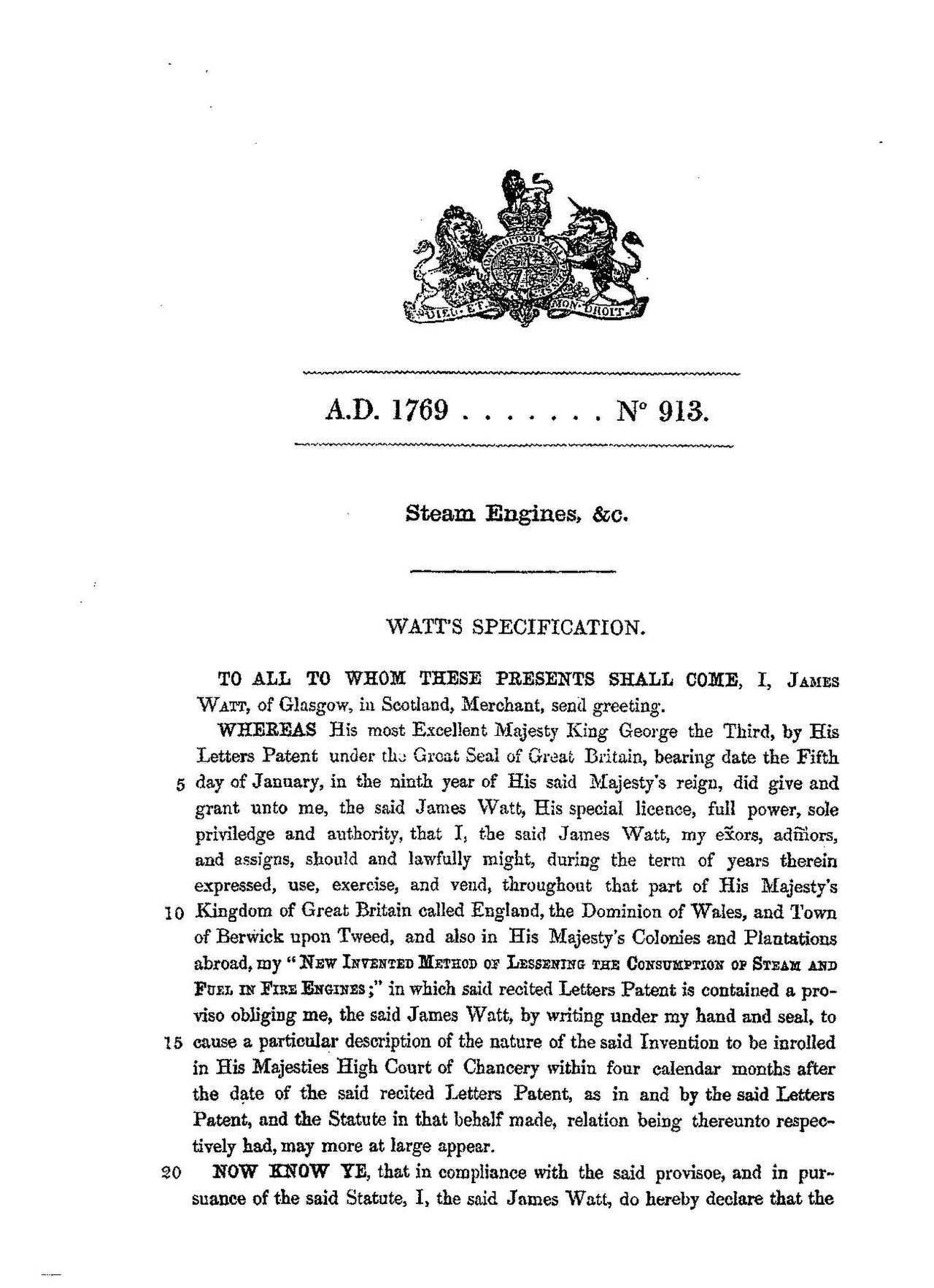
Printed first page of Watt's Specification, patent No. 913 dated A.D. 1769, headed Steam Engines, &c., with a royal coat of arms above. The text begins 'To all to whom these presents shall come, I, James Watt, of Glasgow, in Scotland, Merchant, send greeting.'Document

Primary source

James Watt Patent No. 913

James Watt · 1769 (reprinted 1855)

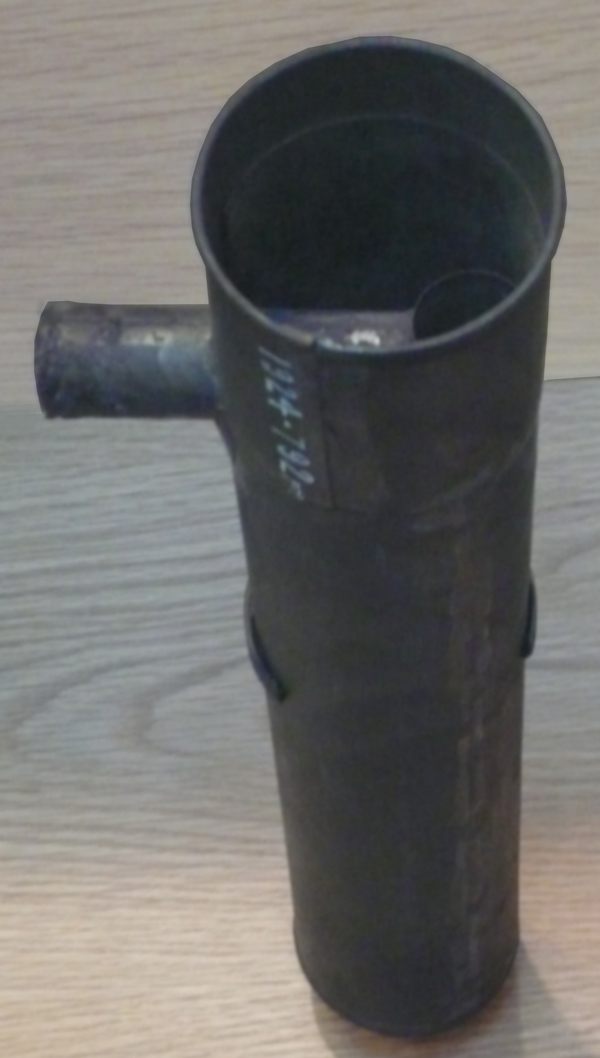
Dark metal cylindrical object standing upright on a wood-grain surface, viewed from above. It has a short pipe projecting from its left side, and a hand-painted marking reading roughly '1744-786' runs down its front.Artifact

Primary source

Watt's First Condenser

James Watt · c. 1765

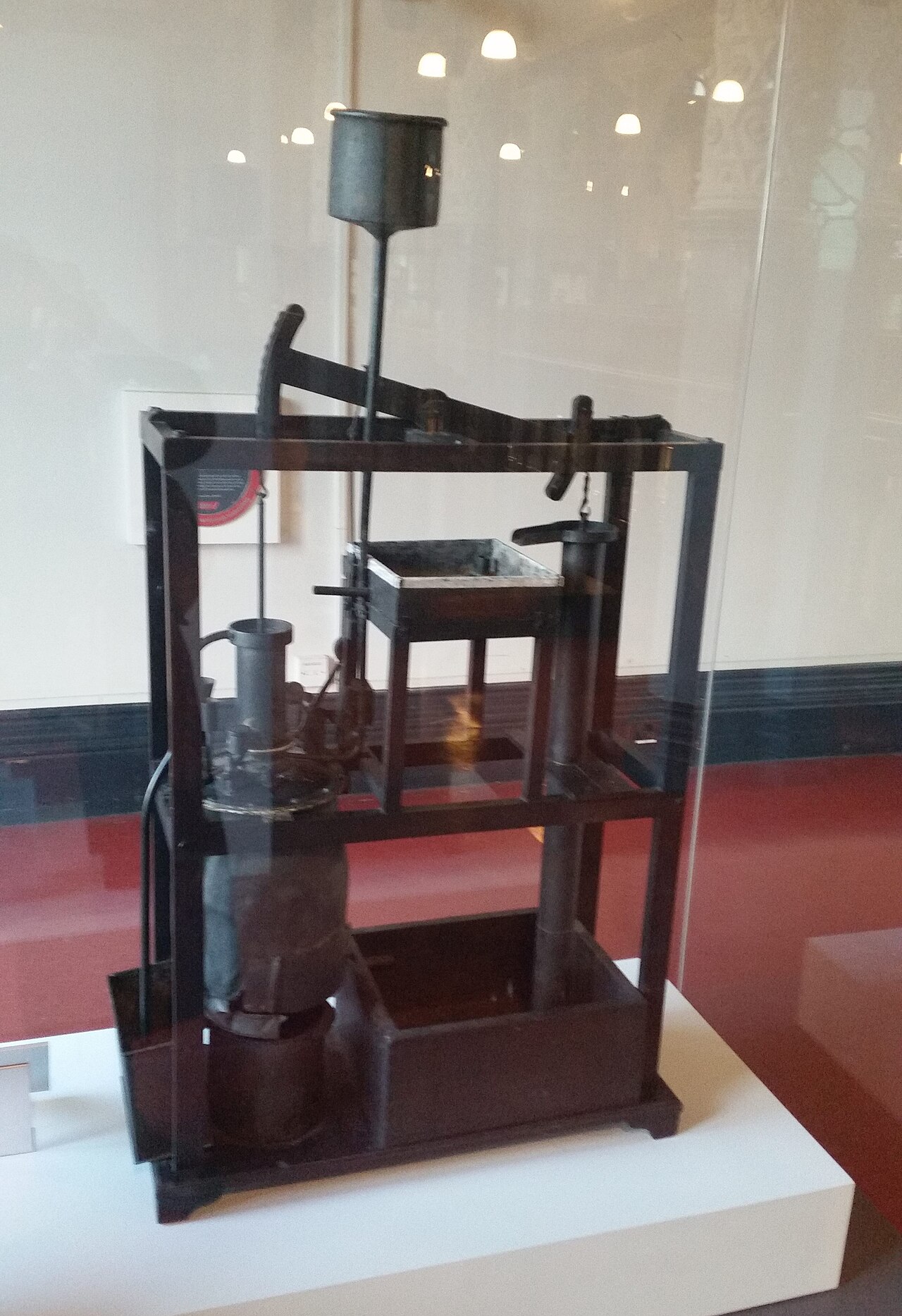
A dark metal and wood model steam engine in a glass case on a white pedestal. It has a tall cylinder with a funnel-shaped top, a rocking beam across the top frame, and a cylinder with a piston and a wooden base frame.Artifact

Primary source

Model Newcomen Engine Repaired by James Watt

Unknown maker (repaired by James Watt) · c. 1760

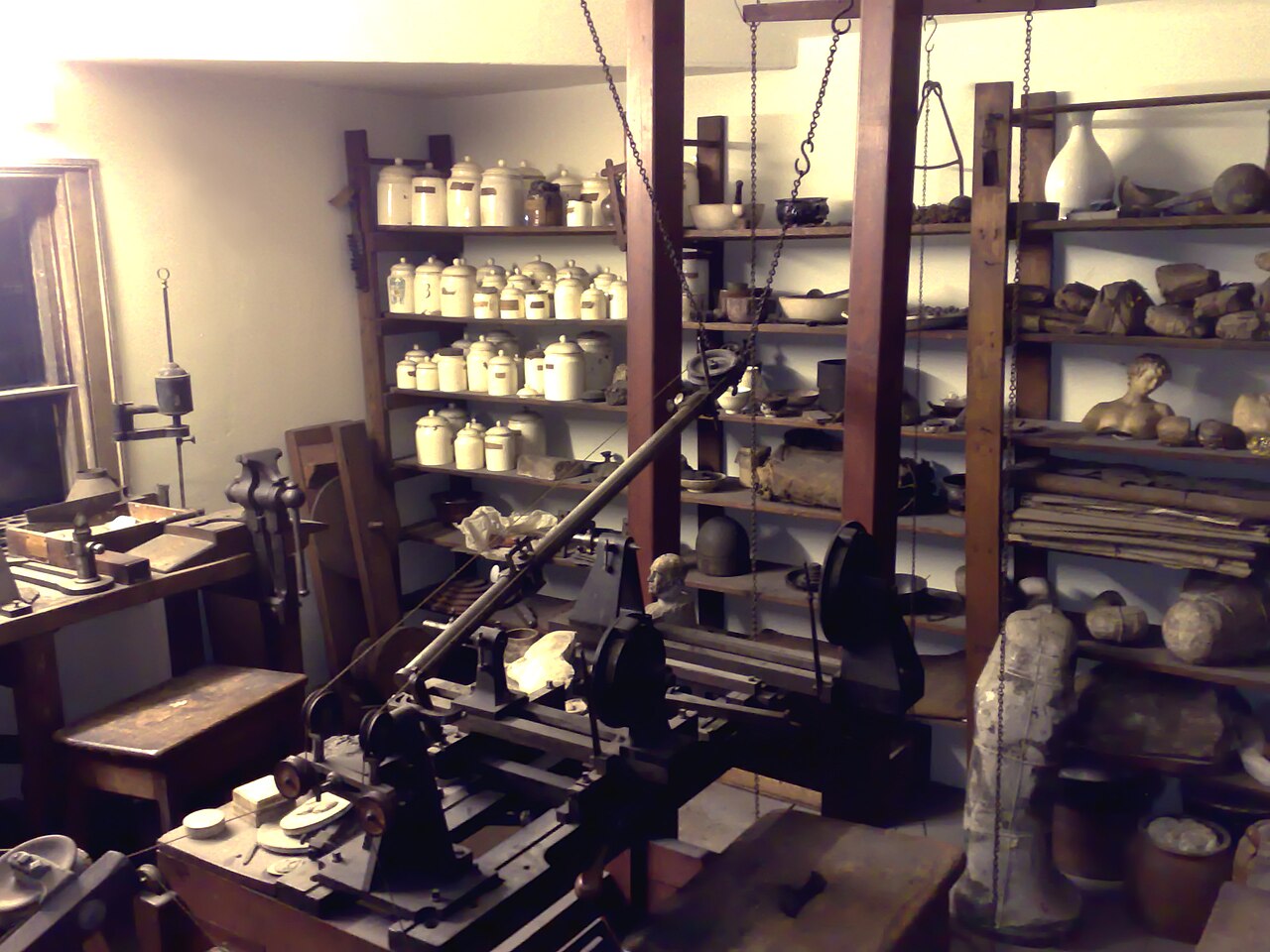
Interior of a cluttered 18th-century style workshop with a wooden workbench, a large iron lathe-like machine, shelves of white ceramic jars and stoneware, plaster busts and casts, and hanging chains and a beam overhead. A window is at the left.Artifact

Primary source

James Watt's Workshop

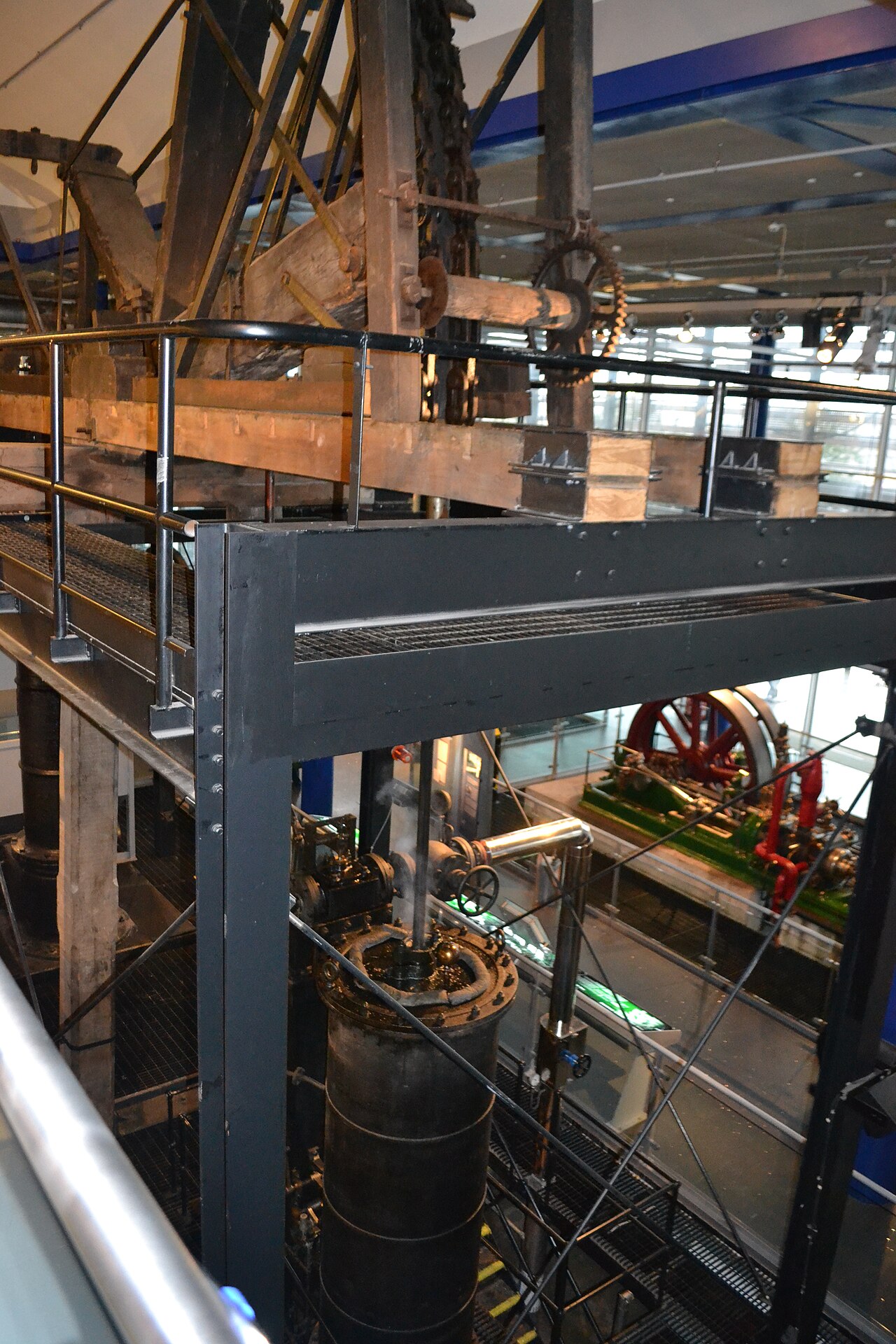
Interior of a museum showing the Smethwick Engine: a large dark cylinder with a steam pipe and valve rises beside a steel walkway. Above, wooden beams and a large iron beam structure stand. In the background, a red-spoked flywheel engine sits on a green base.Artifact

Primary source

Smethwick Engine

James Watt · 1779

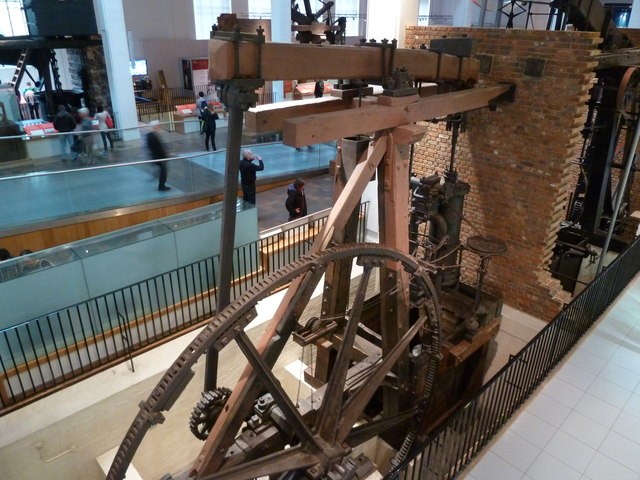
A large historic wooden beam engine with a massive toothed gear wheel and iron fittings, displayed in a museum atrium. Visitors walk on upper galleries behind glass railings, and a brick wall stands at right.Artifact

Primary source

Lap Engine

James Watt · 1788

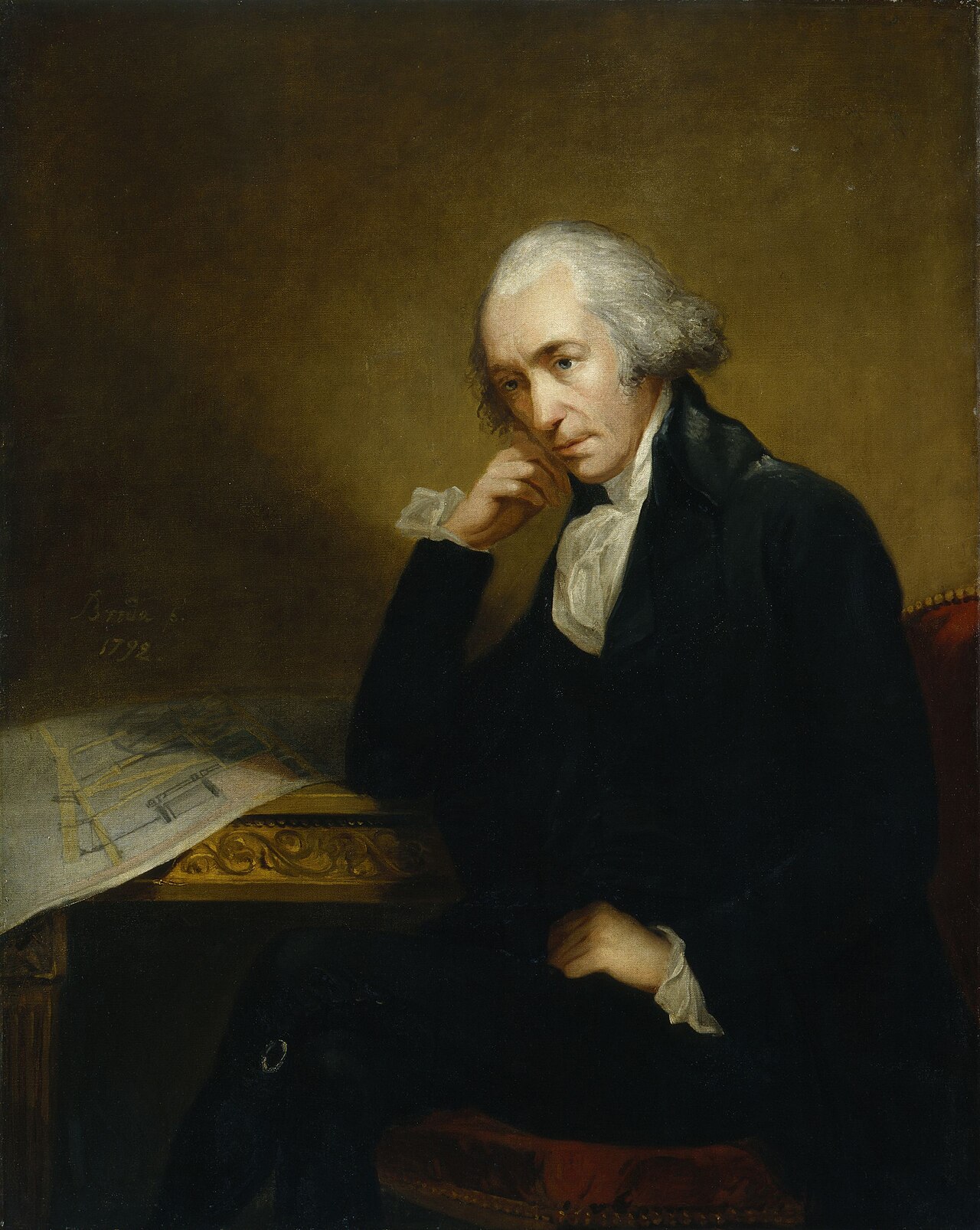
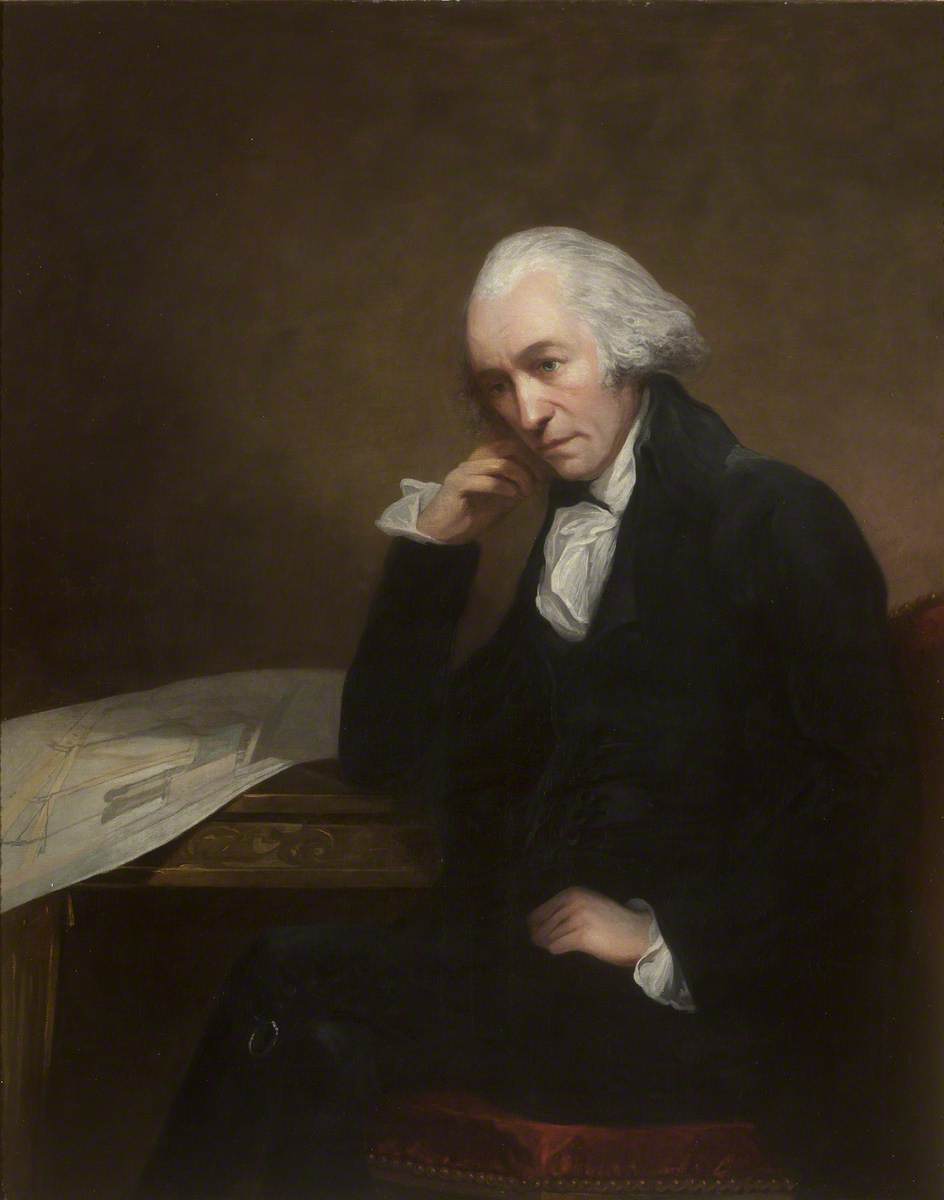
Oil painting of an older man with white hair, dressed in a black coat and white cravat, resting his finger against his cheek while seated beside a table with a rolled plan drawing. Signed and dated 1792 at left.Painting

Primary source

Portrait of James Watt

Carl Frederik von Breda · 1792

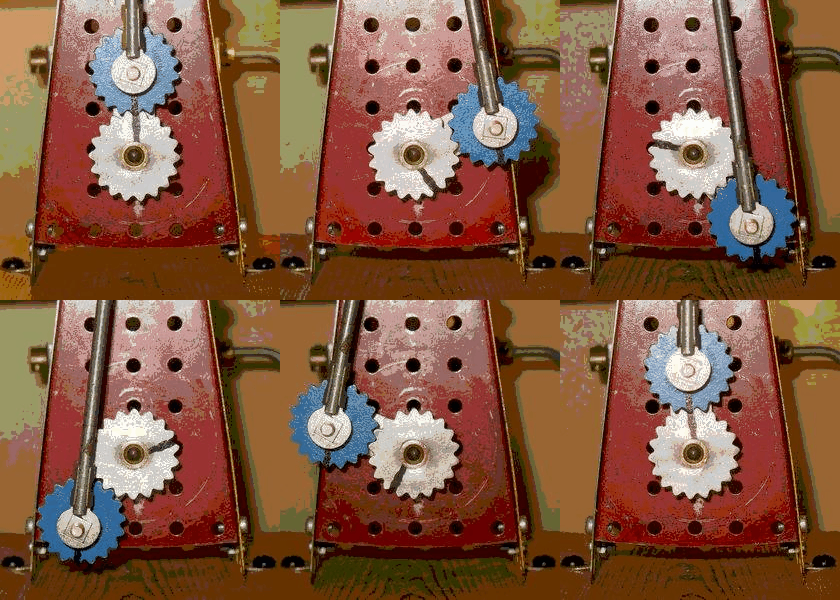
Close-up photo of a red metal frame with two meshing gears: a blue-grey gear at top and a larger white gear below, with a shaft and bolts visible. Appears to be a Meccano model.Document

Primary source

Sun and Planet Gear Patent

James Watt · October 1781

Oil portrait of an elderly man with white hair in a dark coat, white cravat and cuffs, resting his hand on his chin while seated beside a table with a drawing of a mechanical device. The title JAMES WATT appears in the upper left corner and a signature with date appears lower left.Painting

Primary source

James Watt

Carl Frederik von Breda · 1792

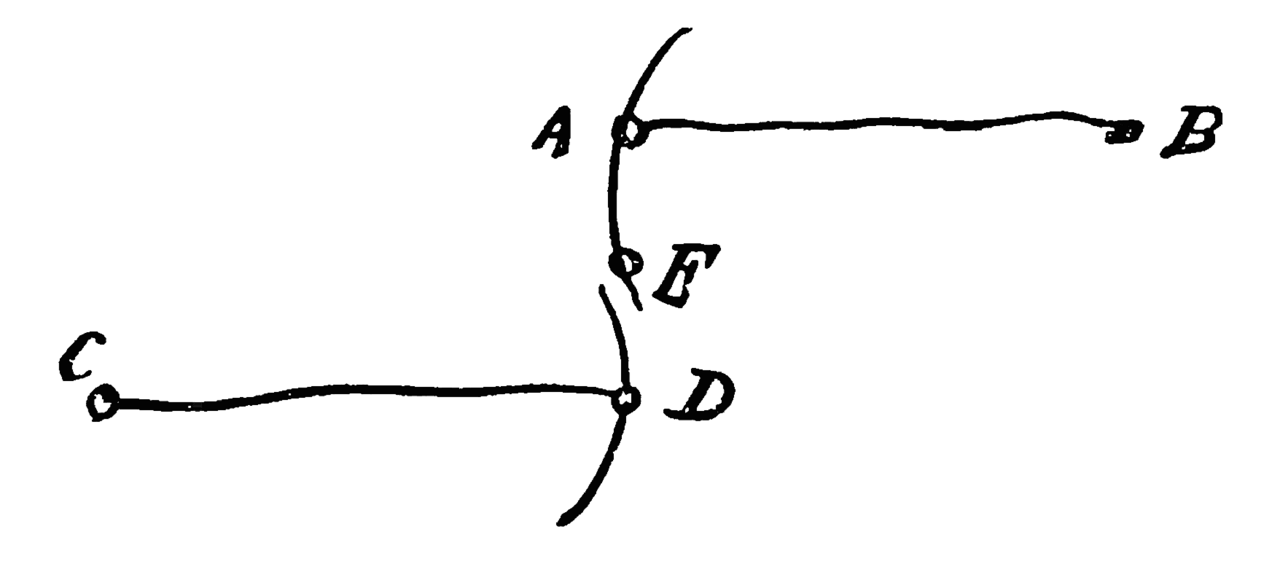
Hand-drawn line diagram with points labeled A, B, C, D, and E. A curved arc passes through A and D, with a straight line from A to B and a straight line from C to D. Point E sits on the arc between A and D.Document

Primary source

Diagram of the Parallel Motion

James Watt · 1784

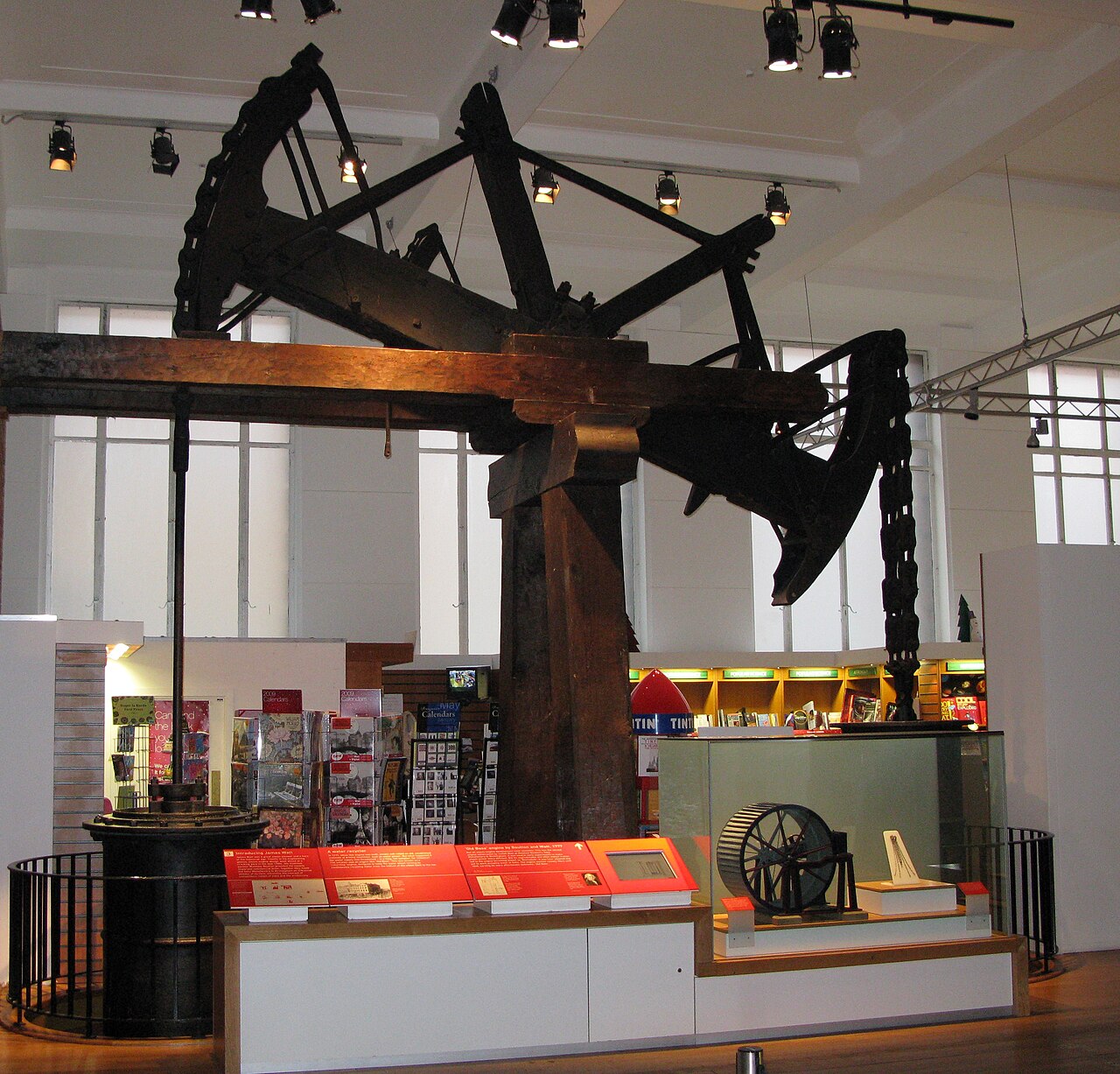
A large dark iron beam engine with a wooden beam and a central wooden support, displayed in a museum hall with overhead spotlights, red information panels, and a glass case holding a small engine model in the foreground.Artifact

Primary source

Old Bess Engine

Boulton & Watt · 1777

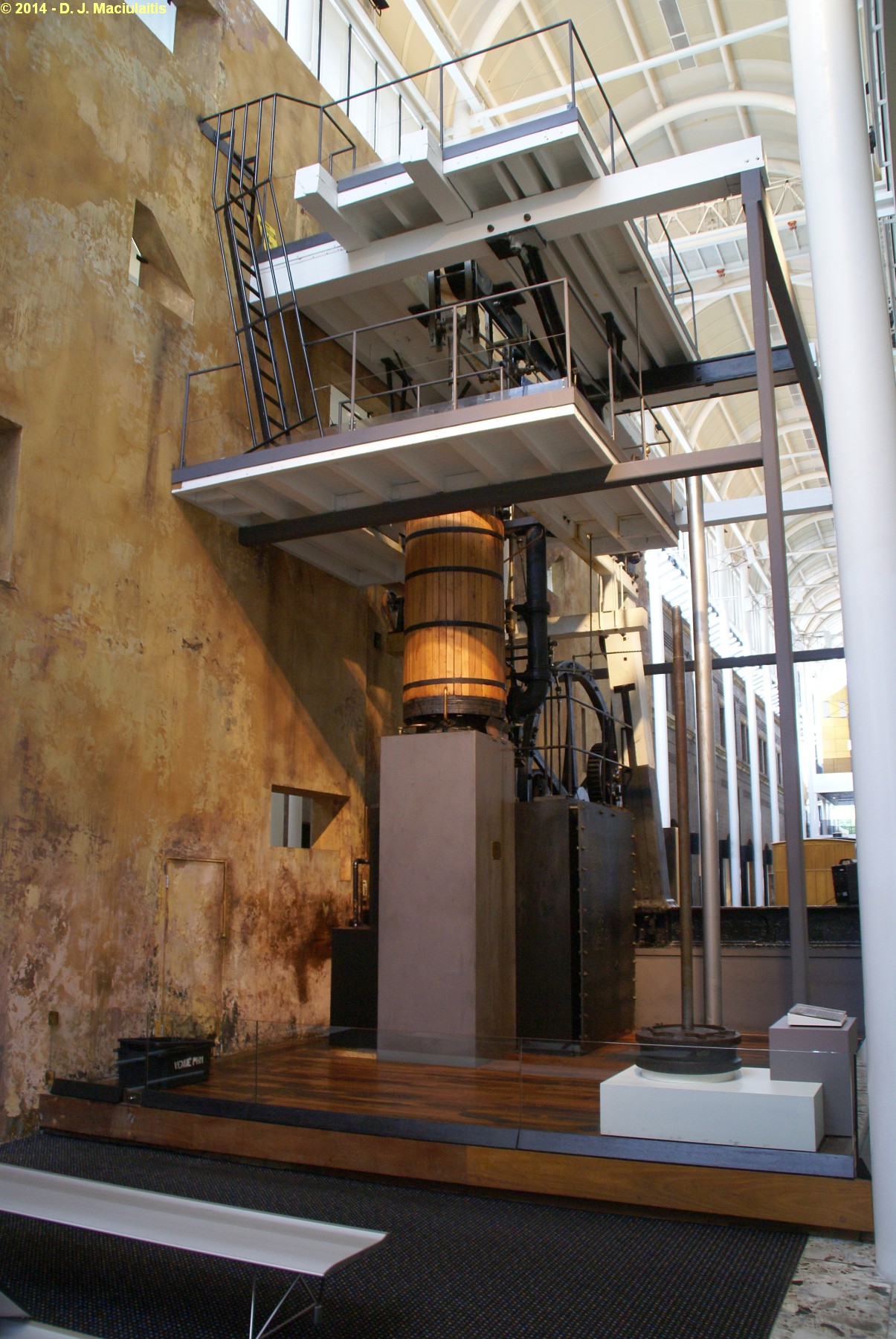
A large Boulton and Watt steam engine displayed in a museum hall. A tall wooden cylinder with iron bands stands on a grey pedestal, with black iron machinery, pipes and a flywheel behind it. A metal staircase and platforms rise on the left beside an old stone wall.Artifact

Primary source

Whitbread Engine

James Watt · 1785

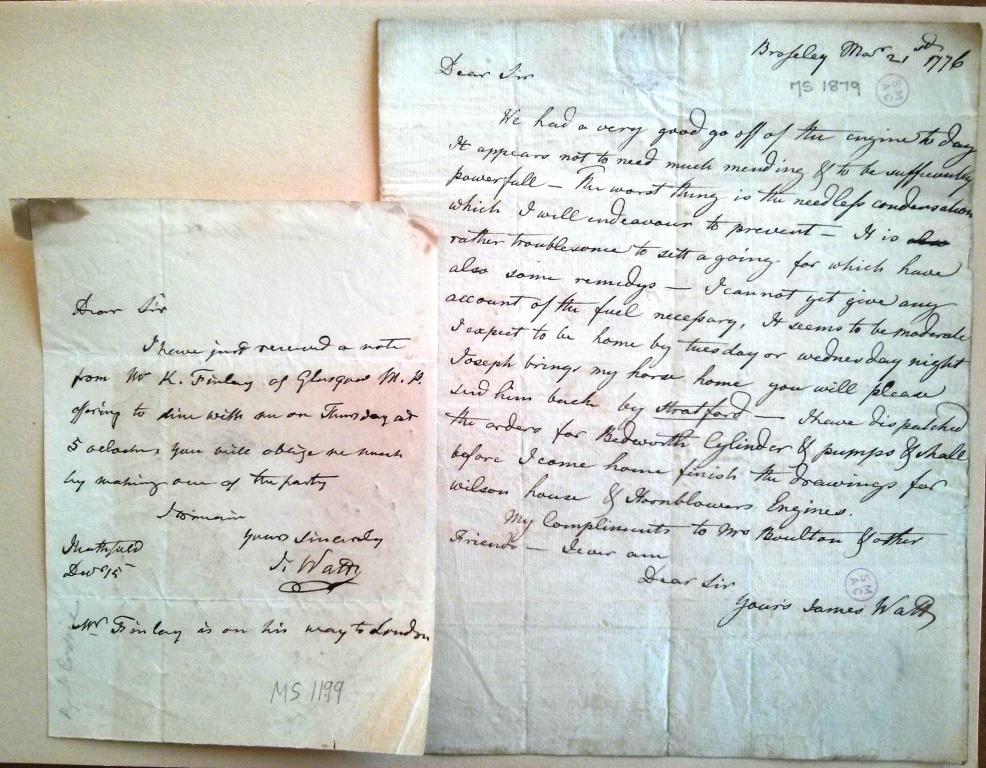
Two handwritten letters on aged paper in a museum display. The larger letter, dated Bradley March 21 1776 and signed James Watt, discusses an engine and condensers. A smaller letter in front, signed J. Watt, mentions Mr. Finlay of Glasgow and is marked MS 1199.Letter

Primary source

James Watt's Letters from the Science Museum Archives

James Watt · 21 March 1776

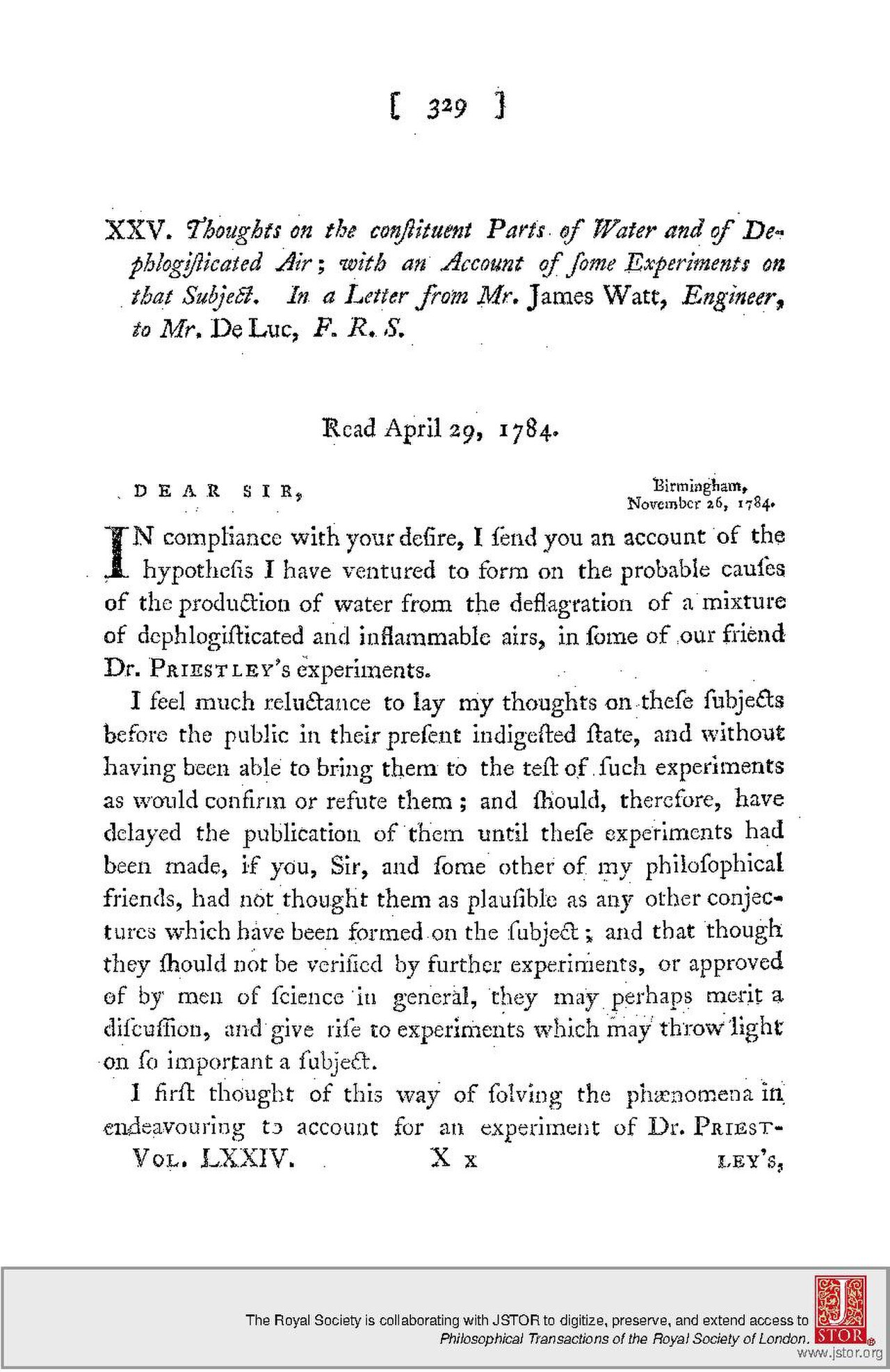
Printed journal page numbered 329 from the Philosophical Transactions, showing the title 'Thoughts on the Constituent Parts of Water and of Dephlogisticated Air' by James Watt, a letter to Mr. De Luc, dated Birmingham, November 26, 1784, with body text in running paragraphs and a page footer reading Vol. LXXIV.Document

Primary source

Thoughts on the Constituent Parts of Water and of Dephlogisticated Air

James Watt · 26 November 1784

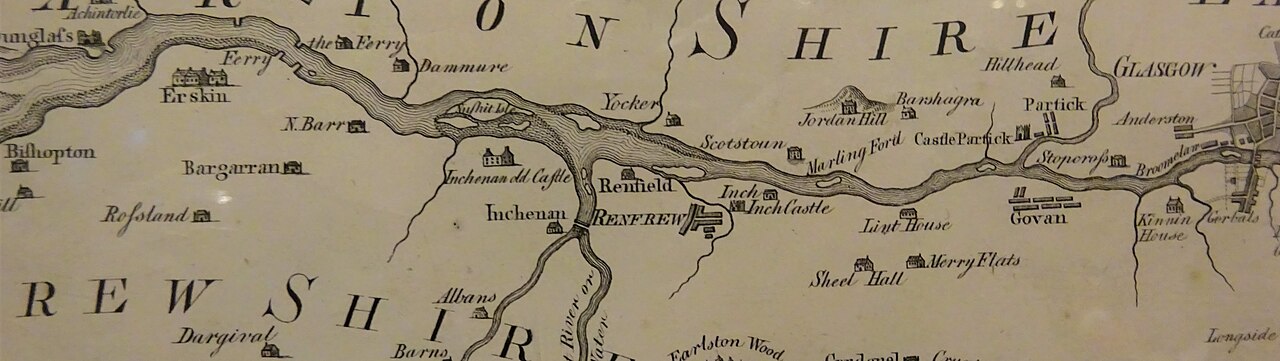
Detail of an antique engraved map showing the River Clyde winding through Renfrewshire and Lanarkshire, with place names such as Renfrew, Inchinnan, Erskine, Bargarran, Scotstoun, Partick, and Glasgow, and labels reading Renfrew Shire and Lanark Shire in large letters.Document

Primary source

James Watt's Survey of the River Clyde

James Watt

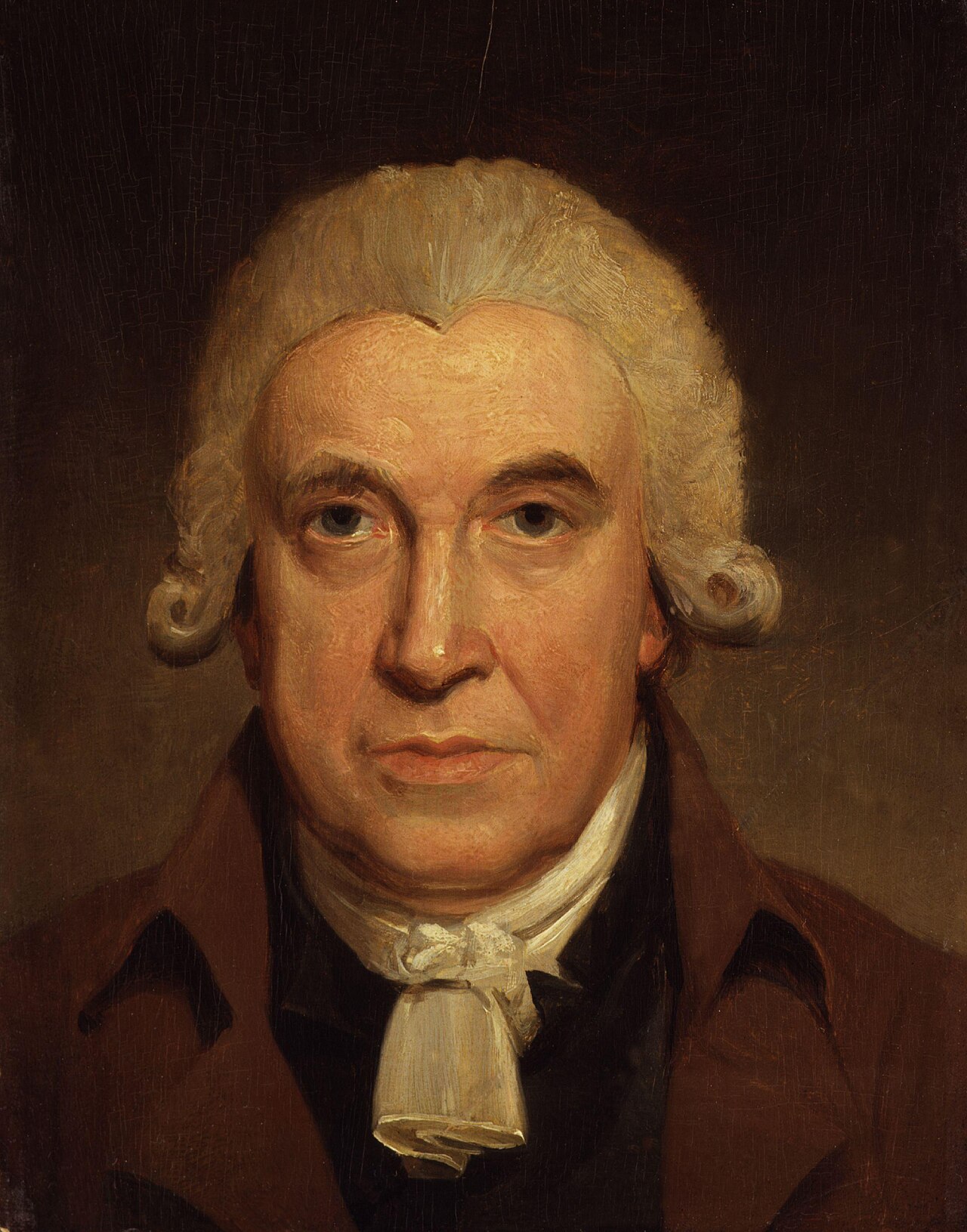
Oil painting portrait of an older man with powdered grey wig with side curls, brown coat, dark waistcoat and white cravat, against a dark background, looking directly at the viewer.Painting

Primary source

James Watt

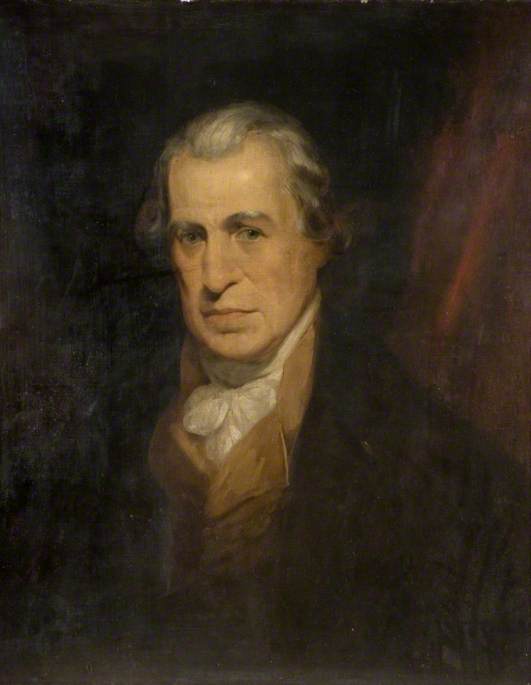
Oil painting portrait of an older man with white hair, shown from the chest up, wearing a dark coat, a brown-orange waistcoat and a white cravat against a dark background with a red curtain at right.Painting

Primary source

placeholder

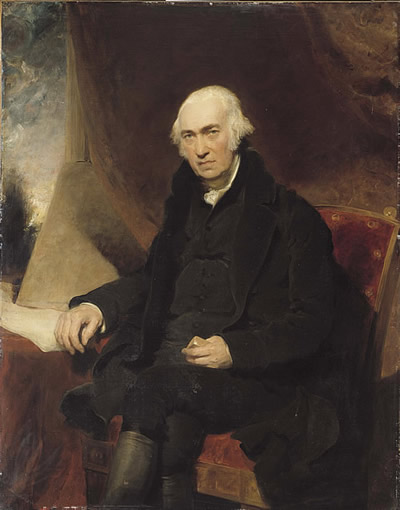
Oil painting of an elderly white-haired man seated in a red upholstered chair, wearing a dark long coat with a fur-trimmed collar and a dark waistcoat, hands resting in his lap, with a dark red drapery behind him.Painting

Primary source

placeholder

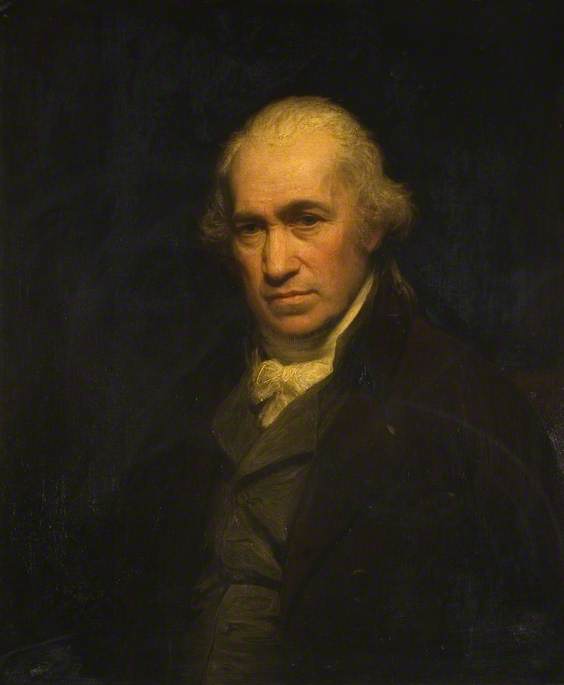
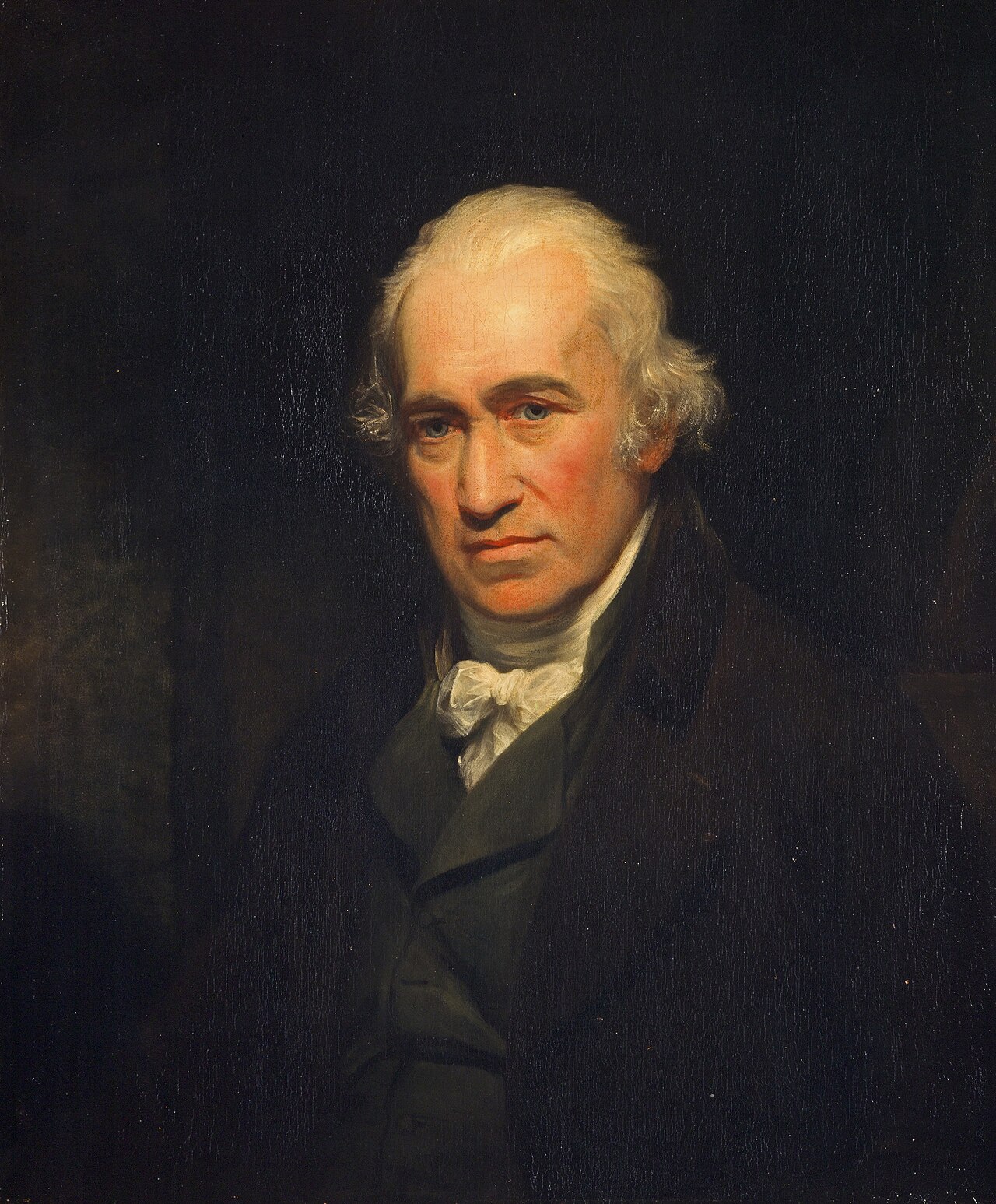
Oil portrait of an elderly man with white hair at the sides and a pale, high forehead, wearing a dark brown coat over a grey waistcoat and a cream cravat, against a very dark background. He looks toward the viewer with a serious expression.Painting

Primary source

James Watt

William Beechey · c. 1800

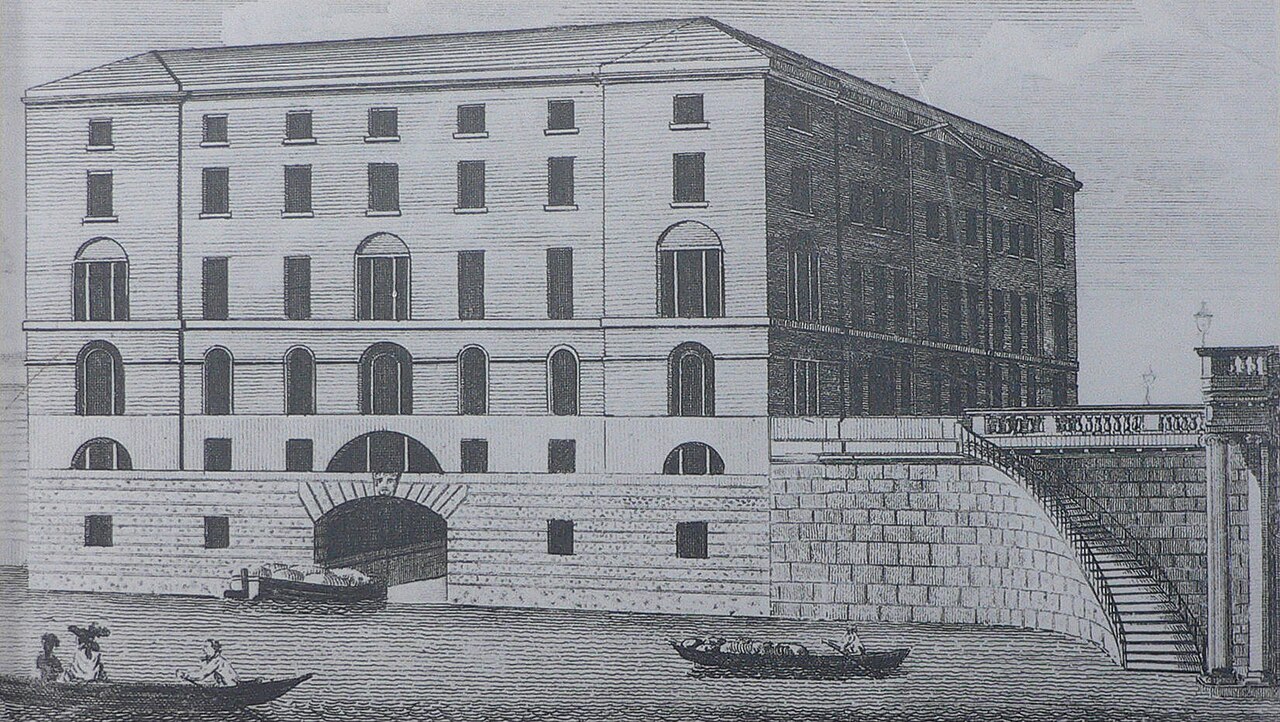
Engraving of the Albion Mills building on the Thames, a long multi-storey brick and stone mill with rows of windows, a stone arched riverside base with a boat passing beneath, a stone stairway to the right, and small boats with figures on the water in front.Painting

Secondary source

Albion Mills, Southwark

1786 (mill built); destroyed 1791

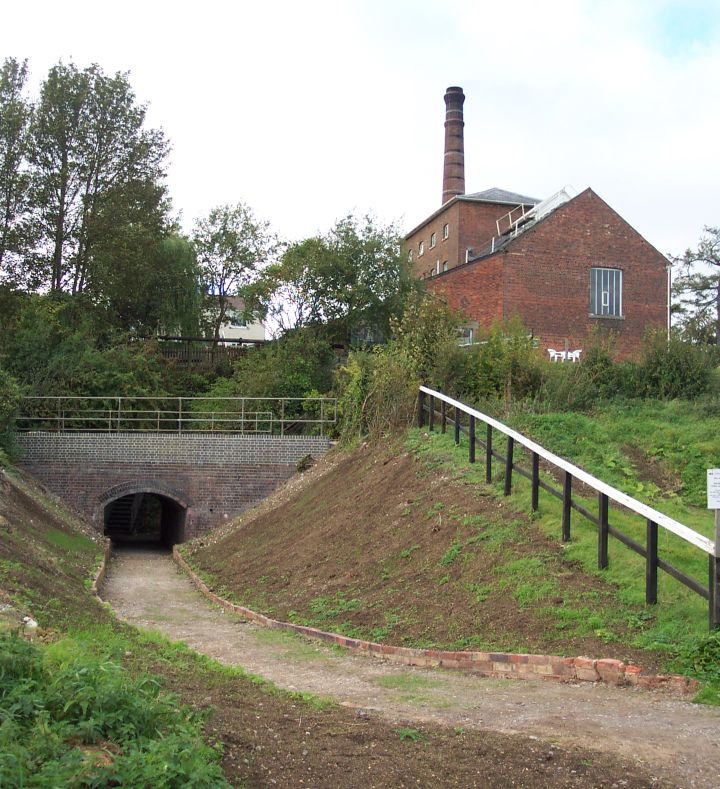
Brick building with a tall red chimney and a gabled brick engine house, seen from a canal towpath. In the foreground a brick arched tunnel with a railing-topped bridge above it, and a sloped grassy bank with a white railing.Artifact

Primary source

Crofton Pumping Station Beam Engine

Boulton and Watt · 1812

Dark brown book cover or spine-like image with a barcode label in the upper left showing the numbers 0664437 6 7 partially visible. A white edge and a pink and white checkered object appear at the right edge.Book

Primary source

A System of Mechanical Philosophy, with Notes by James Watt

John Robison, with notes by James Watt · 1822

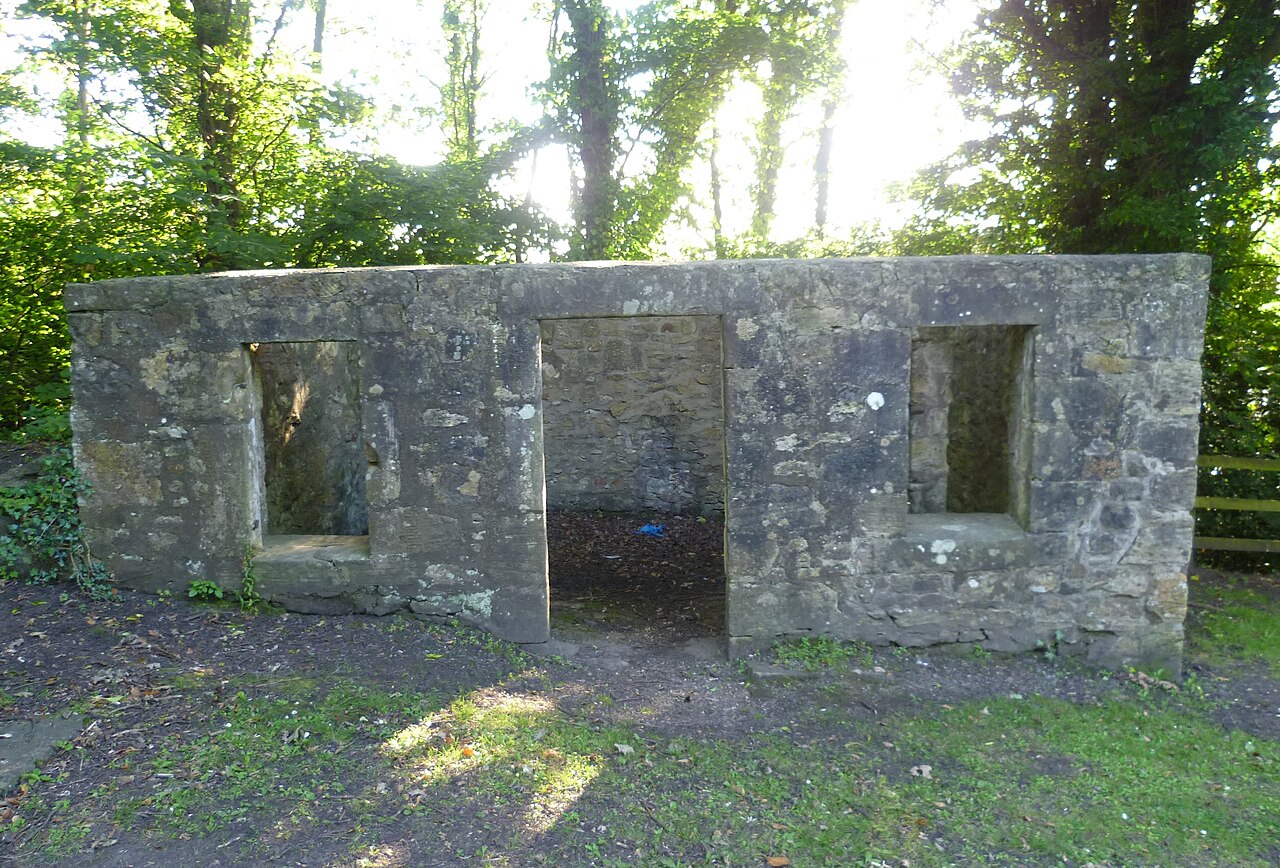
Ruined stone wall of a small cottage, with two empty window openings and a central doorway, set among trees and grass. Sunlight falls on the ground in front of it.Artifact

Primary source

James Watt's Cottage, Kinneil House

1760s

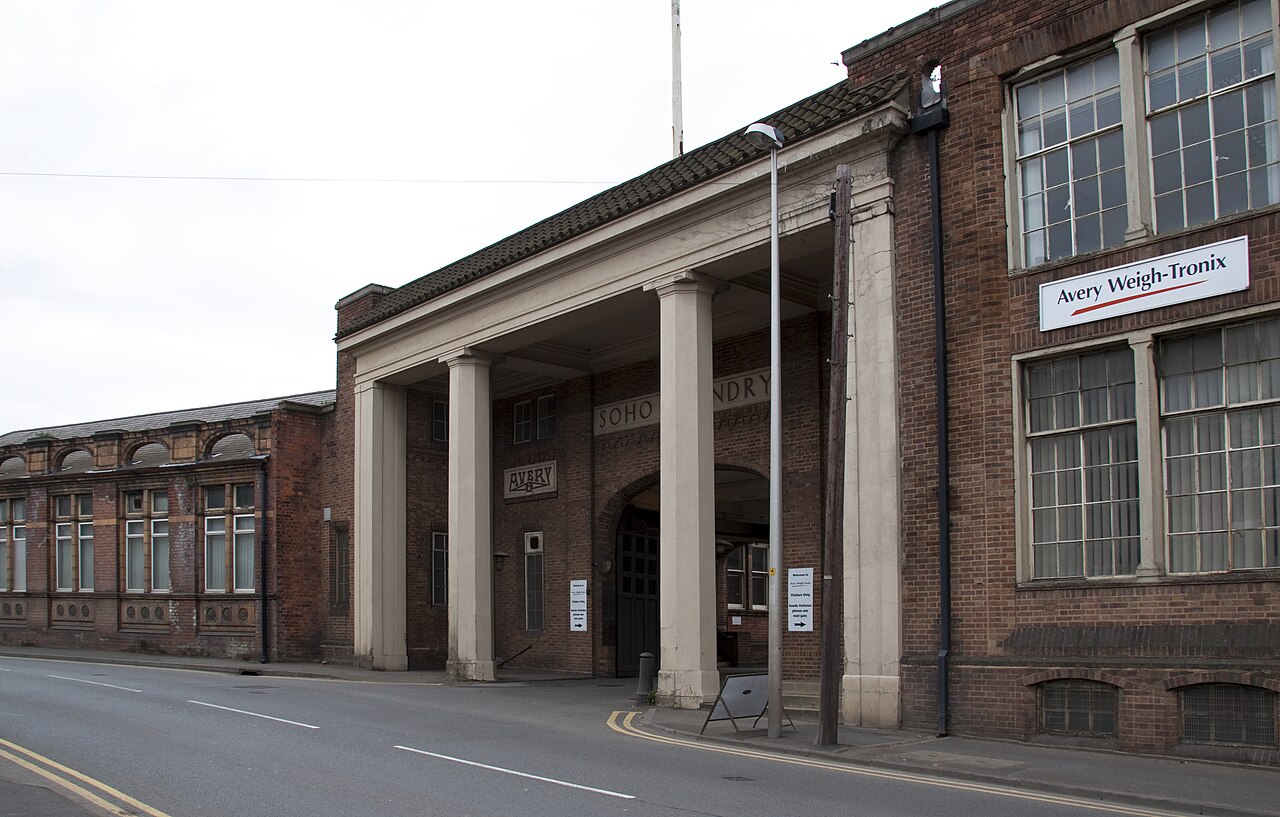
Front view of a brick industrial building with a stone-columned portico entrance. The arch reads 'SOHO FOUNDRY' and a sign says 'AVERY'. A large sign on the right facade reads 'Avery Weigh-Tronix'. A street with a lamp post is in the foreground.Artifact

Primary source

Soho Foundry

Boulton & Watt · 1795

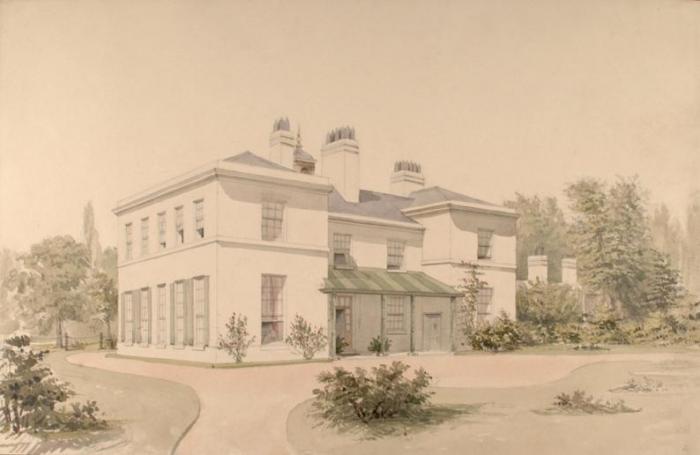
Sepia-toned watercolour drawing of a two-storey white classical house with a hipped slate roof, several chimneys, a green-roofed porch, and tall windows, set among trees and winding gravel paths.Artifact

Secondary source

Heathfield Hall

Samuel Wyatt · built 1790

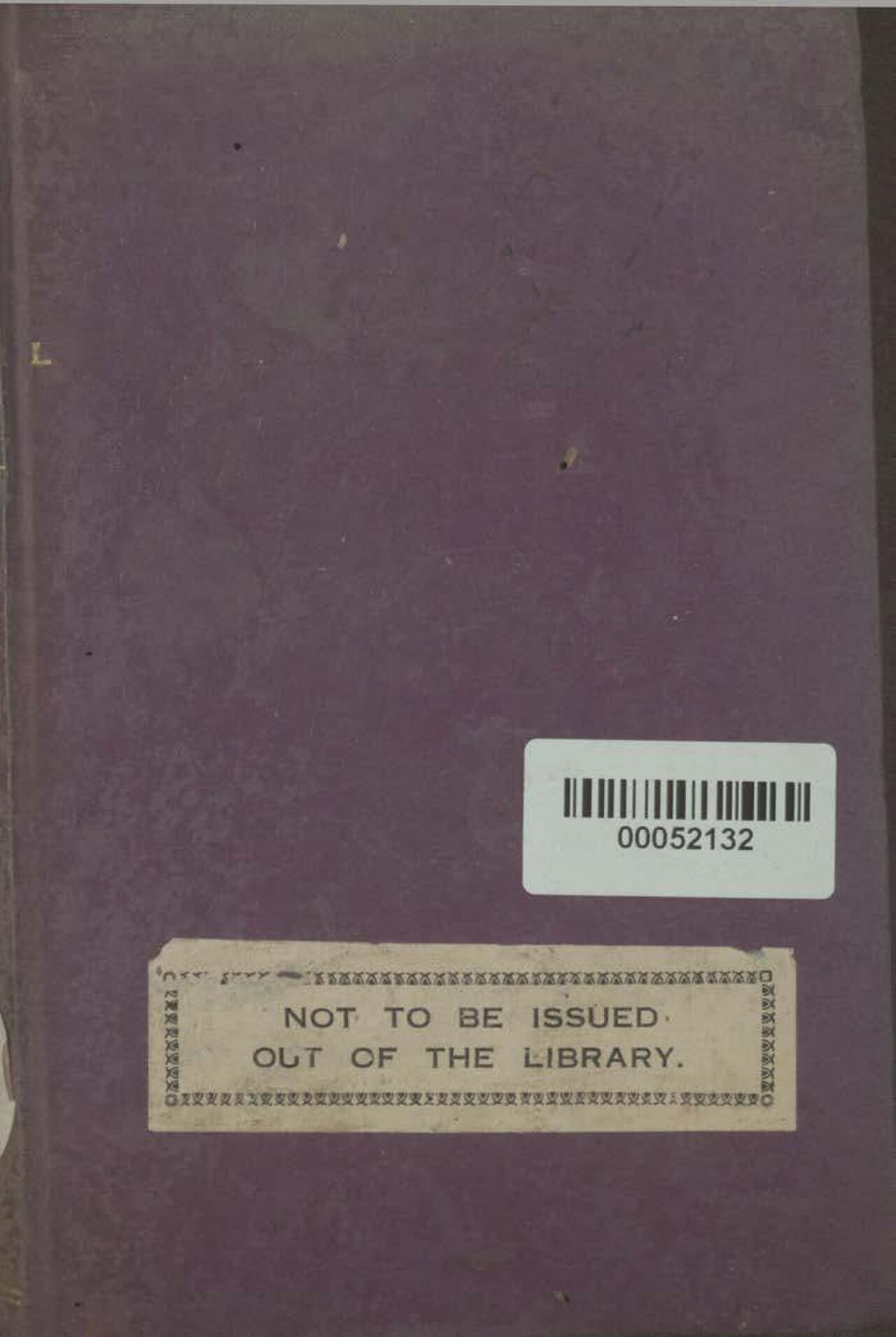
Front cover of a purple cloth-bound library book with a white barcode label reading 00052132 and a cream label printed 'NOT TO BE ISSUED OUT OF THE LIBRARY.' A small gilt letter L appears on the spine edge at left.Book

Secondary source

The Origin and Progress of the Mechanical Inventions of James Watt

James Patrick Muirhead · 1854

Speech

Secondary source

James Watt

François Arago · 18 December 1834

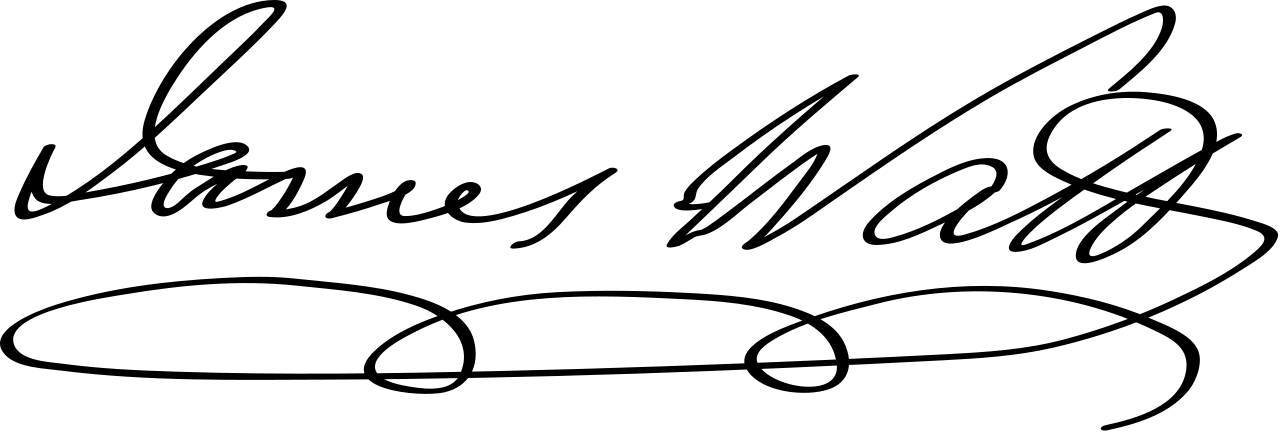
Black handwritten cursive signature on white background reading 'James Watt', with a looping underline stroke beneath it.Document

Primary source

Signature of James Watt

James Watt

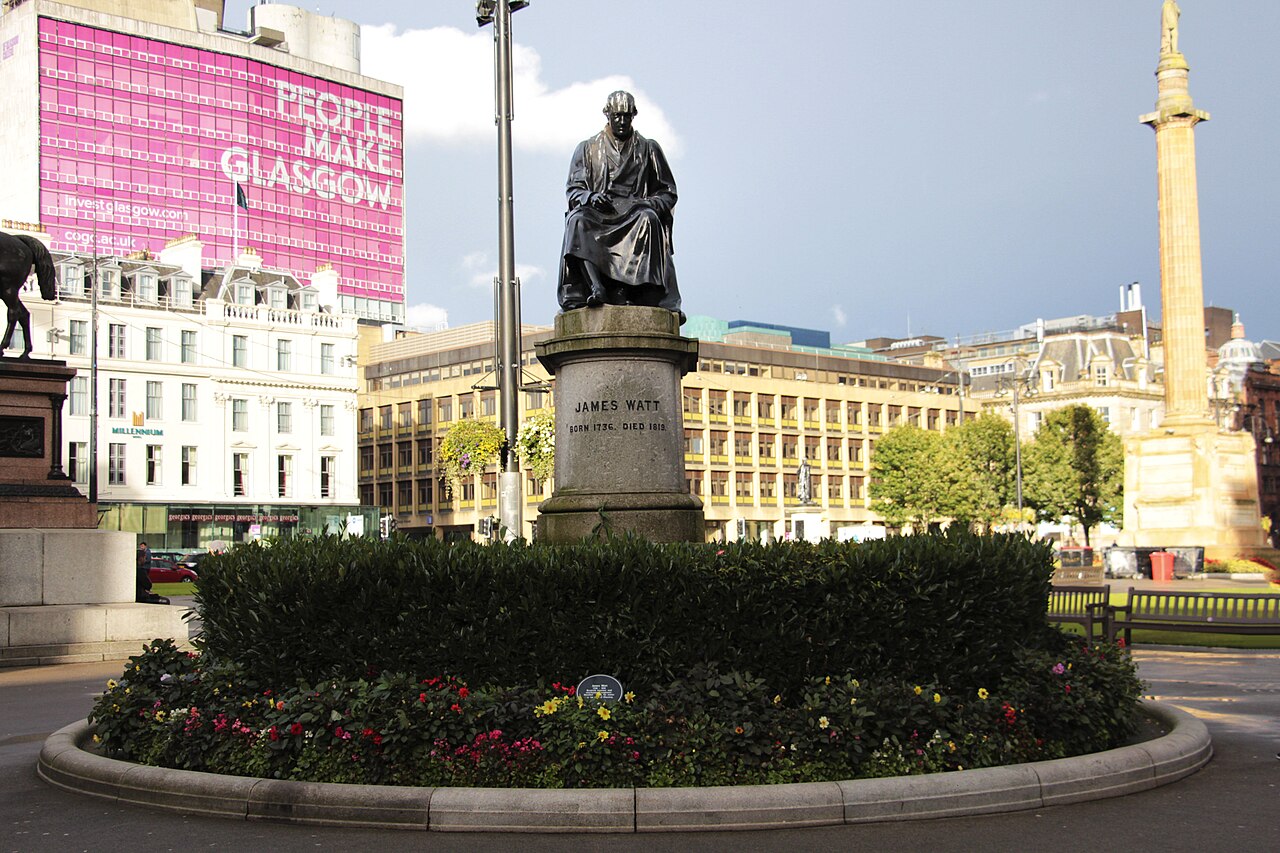
Bronze statue of a seated man in a long coat on a tall granite pedestal inscribed 'JAMES WATT, BORN 1736, DIED 1819', set in a circular flowerbed in a city square. Tall column and buildings behind, pink billboard reading 'People Make Glasgow'.Sculpture

Secondary source

Statue of James Watt

Francis Legatt Chantrey · 1832

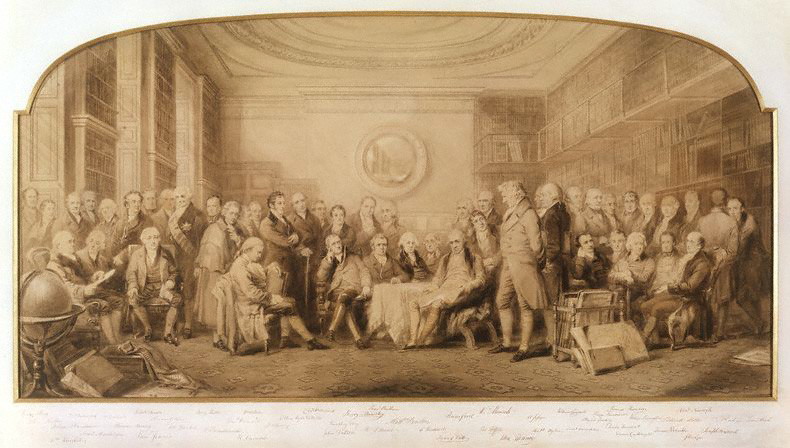
Sepia-toned group drawing of a large library-like room with a domed ceiling and bookshelves. Dozens of men in 18th-19th century dress stand and sit around a central table, with a round medallion on the back wall and a globe at lower left. Names are inscribed along the bottom edge.Painting

Secondary source

Men of Science Living in 1807-8

Sir John Gilbert, Frederick John Skill, William Walker and Elizabeth Walker · 1858-1862

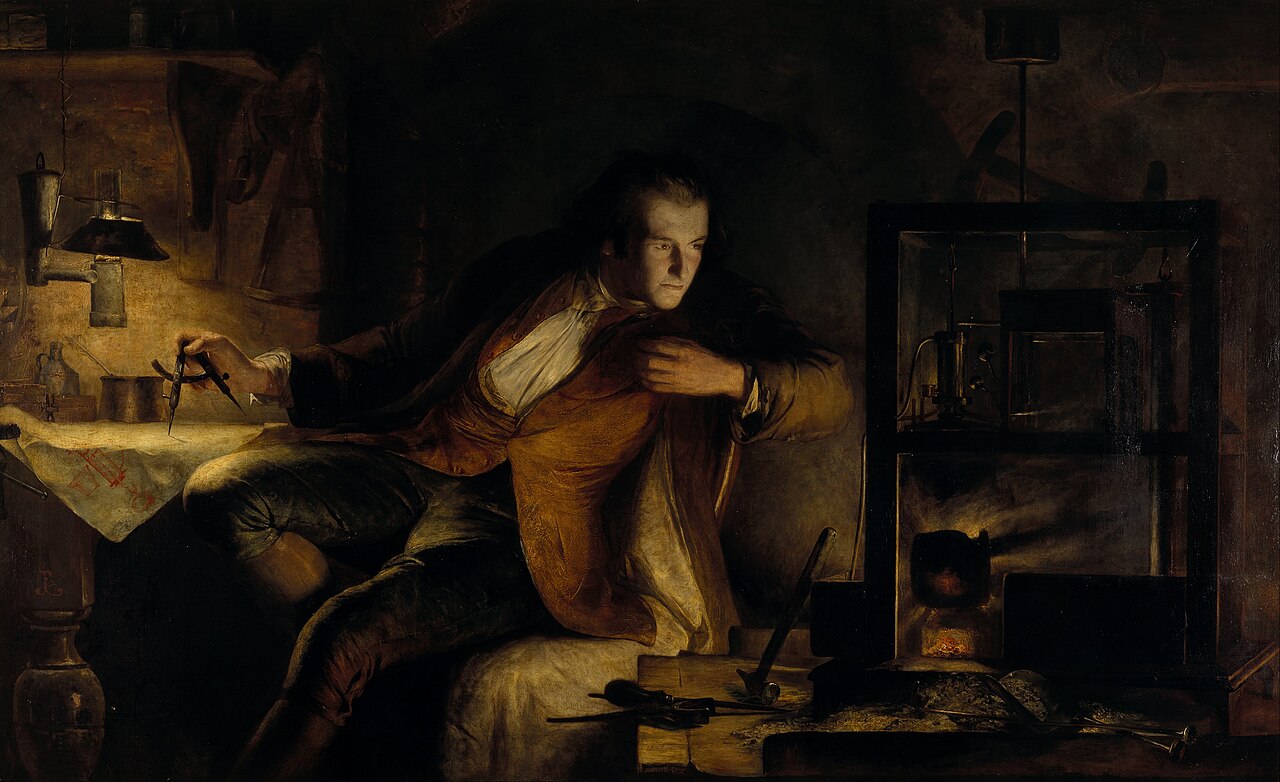
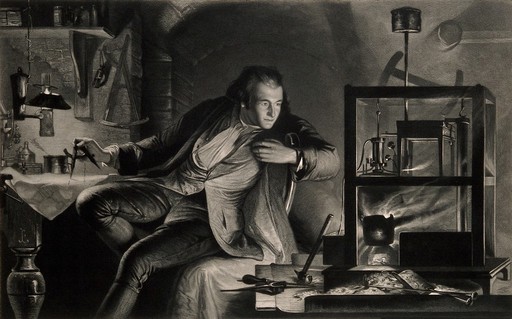
Painting of a seated man in a brown-orange coat and white cravat, holding a pair of compasses at a candlelit table with papers. To the right, a glowing furnace and a glass-fronted cabinet hold a steam engine model. The room is dark.Painting

Secondary source

James Watt and the Steam Engine: the Dawn of the Nineteenth Century

James Eckford Lauder · 1855

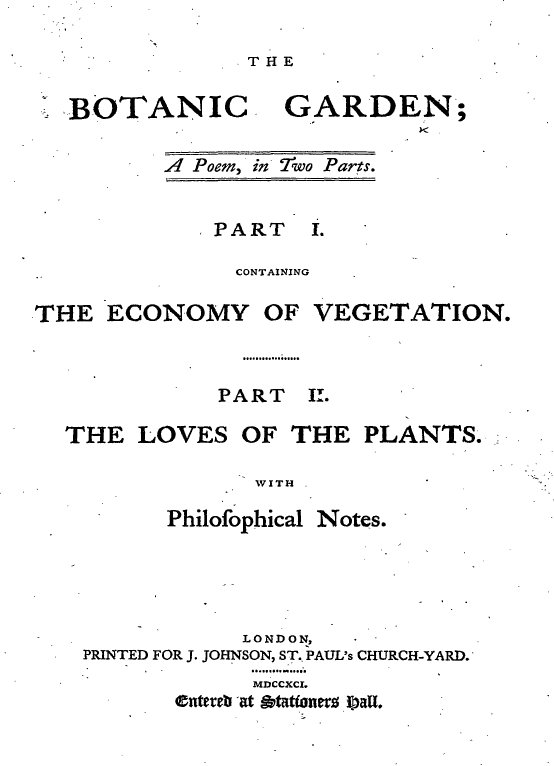
Title page of The Botanic Garden, a poem in two parts. Text reads: THE BOTANIC GARDEN; A Poem, in Two Parts. PART I. Containing The Economy of Vegetation. PART II. The Loves of the Plants. With Philosophical Notes. London, printed for J. Johnson, St. Paul's Church-Yard, MDCCXCI. Entered at Stationers Hall.Book

Primary source

The Botanic Garden

Erasmus Darwin · 1791

Oil portrait of an elderly man with white hair at the sides and a bald crown, wearing a dark coat and white cravat against a near-black background. He has pink cheeks and looks toward the viewer.Painting

Primary source

James Watt (1736–1819)

John Graham Gilbert · 1819

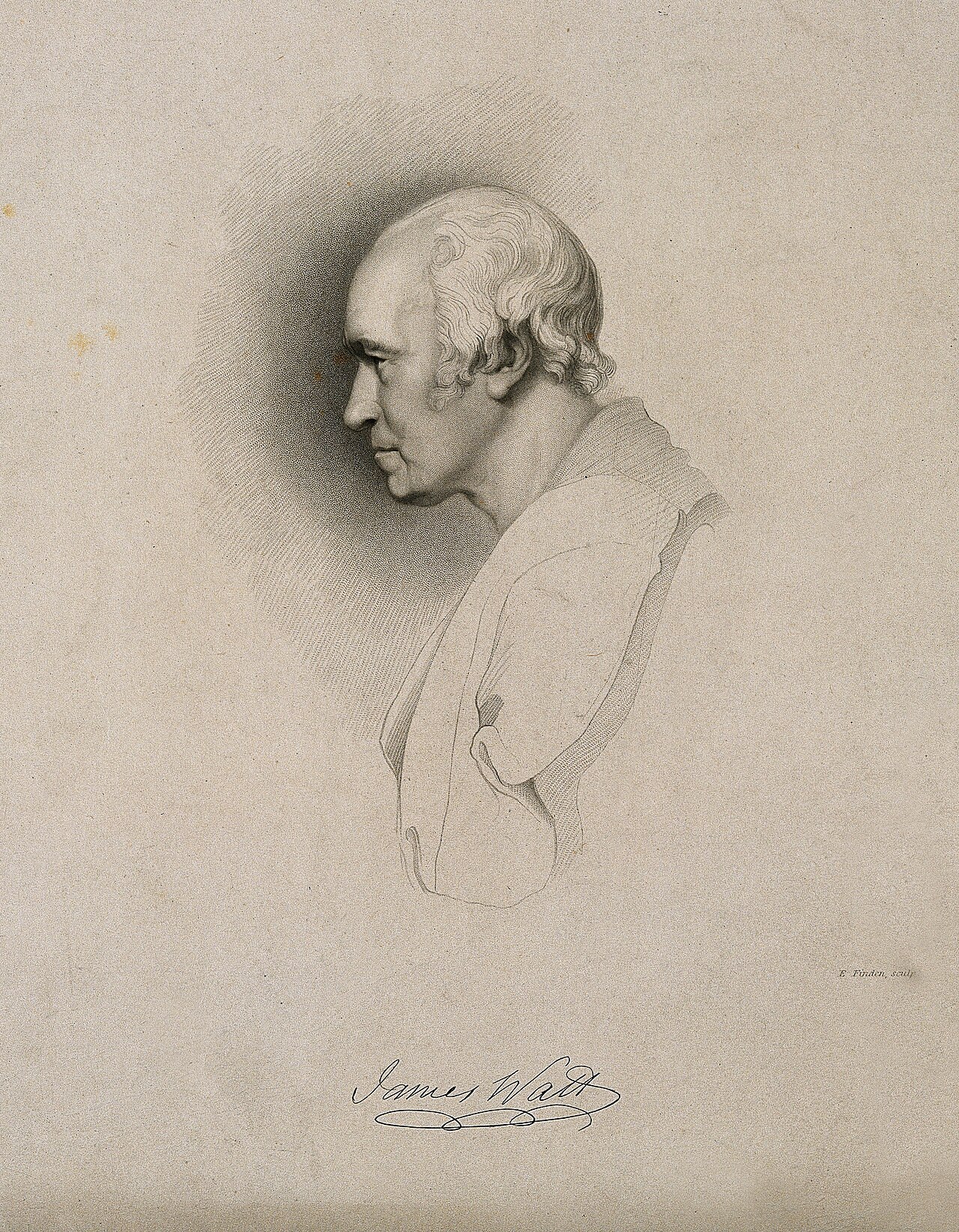
Stipple engraving portrait in profile of an elderly bald man with curly white hair at the sides, wearing a loose collar and cloak, facing left. Signature 'James Watt' appears below; small signature 'E. Finden, sculp' at lower right.Painting

Secondary source

James Watt, Stipple Engraving by E. Finden after Sir F. Chantrey

E. Finden, after Sir F. Chantrey · 1832

Letter

Primary source

Correspondence of James Watt on the Composition of Water

James Watt · 1846 (letters originally earlier)

Book

Secondary source

Lives of Boulton and Watt

Samuel Smiles · 1865

James WattBook

Secondary source

James Watt

Andrew Carnegie · 1905

Newspaper article

Secondary source

The Growth of the Steam-Engine II

B. H. Thurston · December 1877

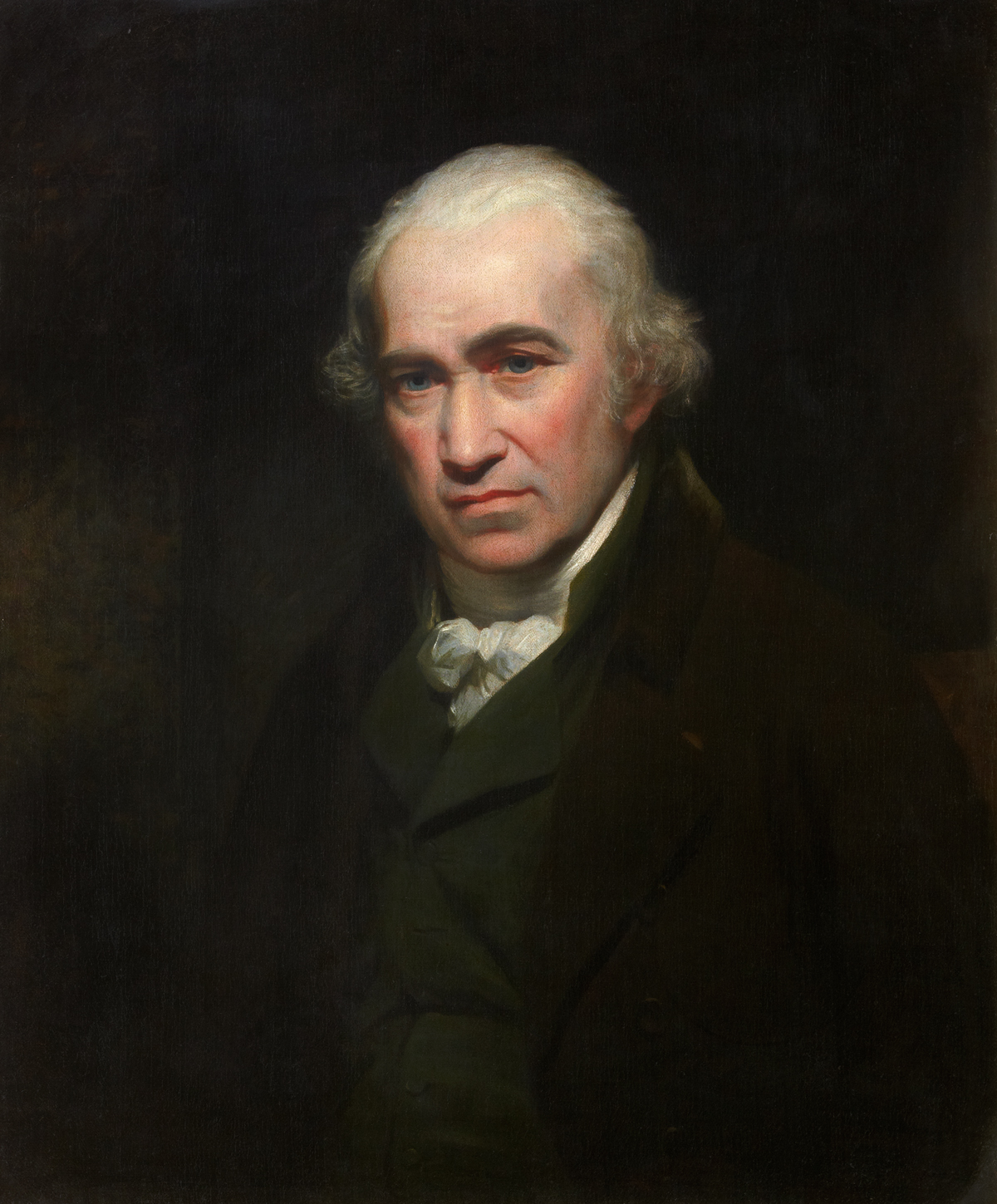
Oil portrait of an elderly man with white hair, shown from the chest up against a dark background. He wears a dark green coat and a white cravat, and looks toward the viewer with a serious expression.Painting

Primary source

Portrait of James Watt

Sir William Beechey · c. 1802

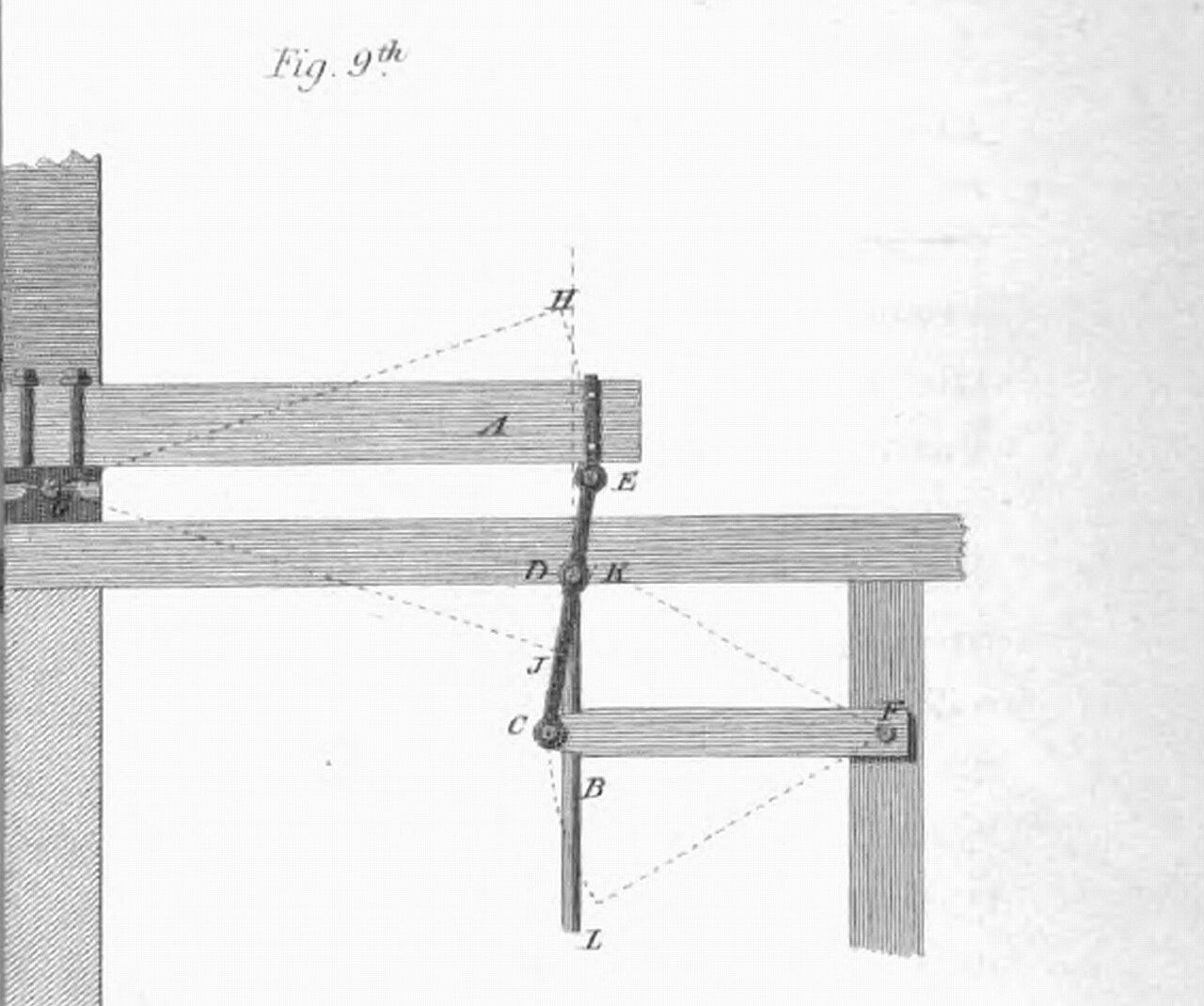
Engraved patent drawing labeled Fig. 9th showing a mechanical linkage: horizontal beams A and a lower beam, a vertical rod with pivots labeled D, E, K, C, F, B, J, H, and L, with dashed guide lines connecting the pivots.Document

Primary source

James Watt's Straight-Line Linkage, Patent 1432 Figure

James Watt · 28 April 1784

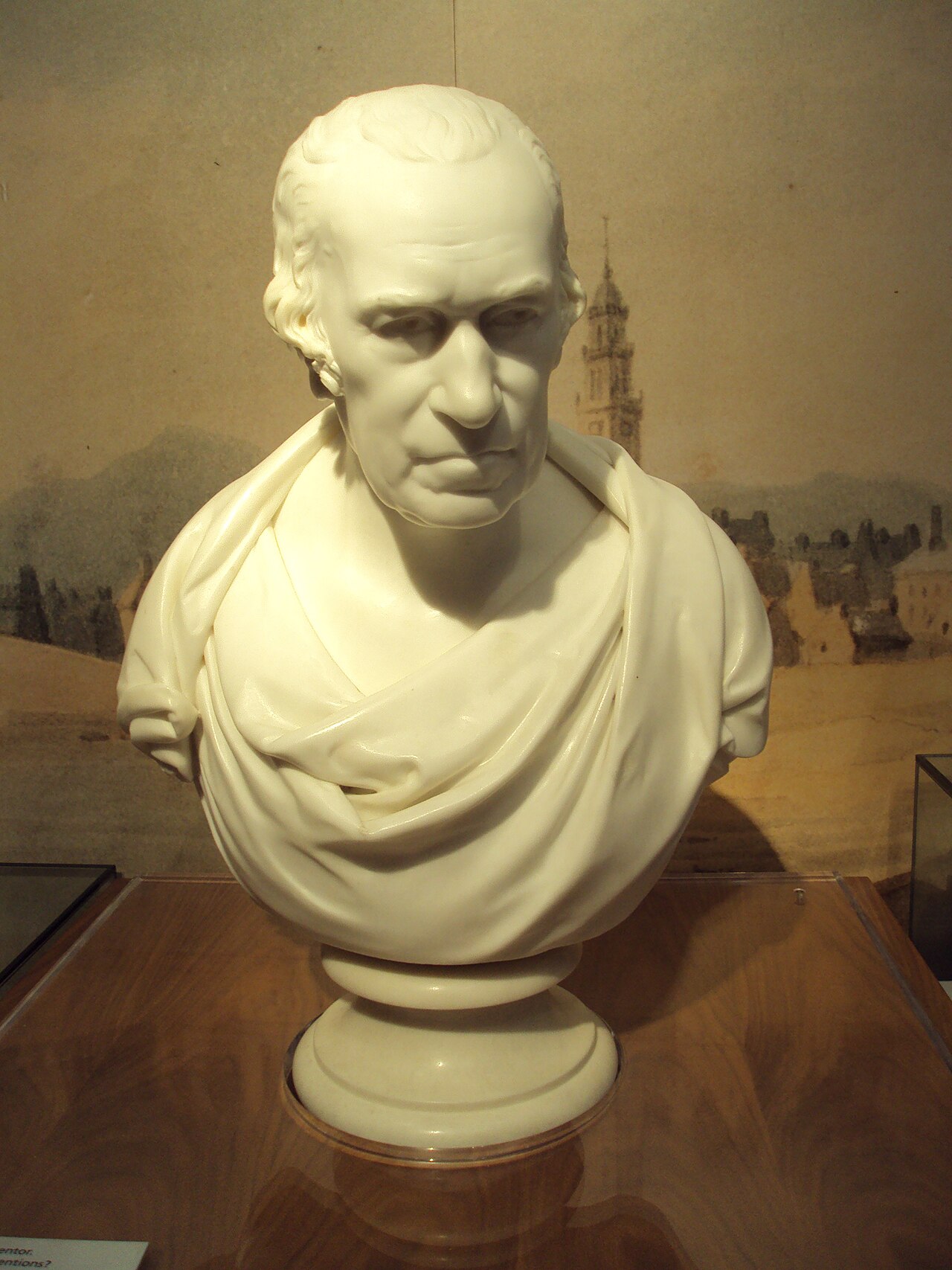
White marble bust of a balding older man with a draped cloth over his shoulders, displayed on a round pedestal in a museum case, with a painted landscape backdrop showing a tower and buildings.Sculpture

Primary source

Marble Bust of James Watt by Francis Chantrey

Francis Chantrey · 1816

Oil portrait of an elderly man with white powdered hair, dressed in a dark coat and white cravat, resting his hand against his face while leaning on a table with a drawing on it. Dark brown background.Painting

Primary source

Portrait of James Watt by Carl Frederik von Breda

Carl Frederik von Breda · 1792

Catalogue of the Watt Centenary ExhibitionDocument

Secondary source

Catalogue of the Watt Centenary Exhibition

Science Museum (Great Britain) · 1919

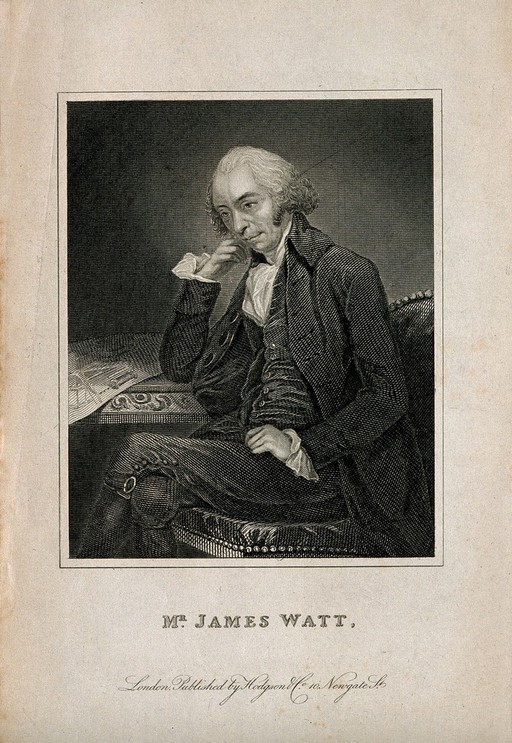
Black and white engraved portrait of an elderly man with white hair, seated in a chair, resting his chin on his hand and looking to the side. He wears a dark coat and cravat, with a map or papers on a table beside him. Caption below reads 'Mr. James Watt' and 'London: Published by Hodgson & Co. 1811 Newgate St.'Painting

Primary source

James Watt, Engraving after von Breda

Carl Frederik von Breda · 1792

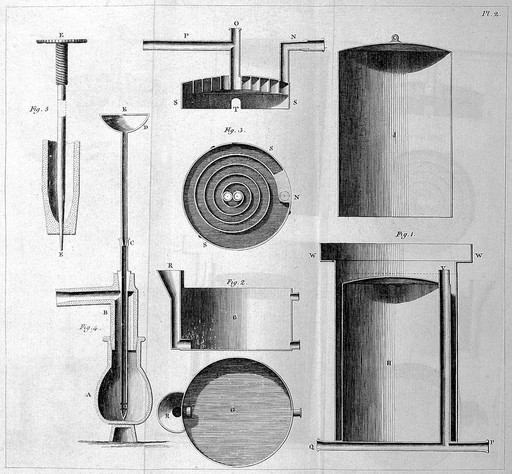
Engraved plate labeled Pl. 2 with multiple technical diagrams of laboratory apparatus: a pneumatic vessel with pipes, a spiral coil, a cylindrical gas vessel, a bell-shaped apparatus with labeled parts, and a circular chamber with lettered fittings. Labels include letters such as E, S, N, T, O, P, W, R, and Q.Document

Primary source

Scientific Paper by Beddoes and Watt, Plate 2

Thomas Beddoes and James Watt · 1795

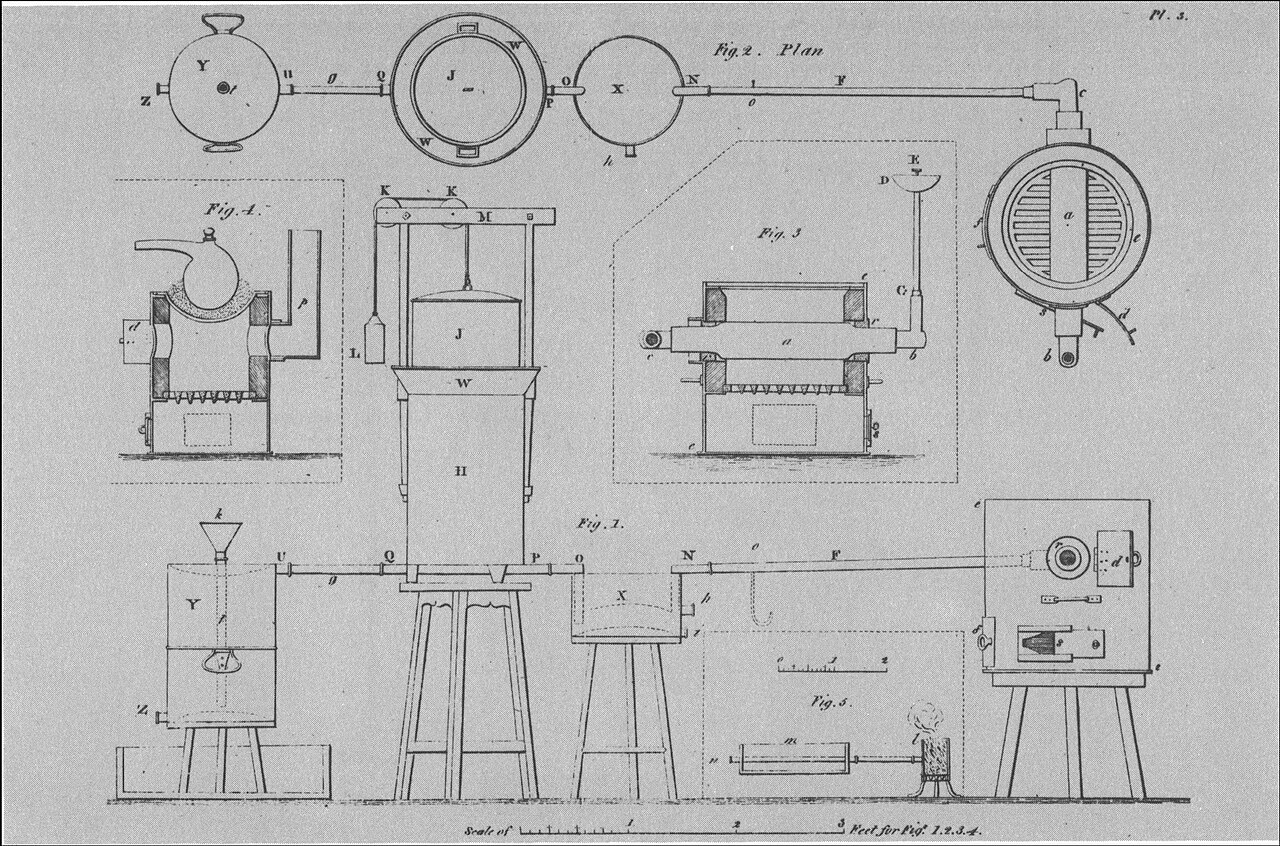
Engraved plate labeled Pl. 3 showing scientific apparatus diagrams: Fig. 1 a tall furnace-like vessel with stands and pipes, Fig. 2 plan view of connected vessels and a round chamber, Fig. 3 a long horizontal cylinder with a funnel and gas pipe, Fig. 4 a furnace with a curved retort, and Fig. 5 a small apparatus on a stand, with a scale bar in feet at the bottom.Document

Primary source

Scientific Paper by Beddoes and Watt, Plate 3

Thomas Beddoes and James Watt · 1795

Dark reddish-brown leather book cover with a blind-tooled decorative border of fine lines and a faint gilt-like pattern at the bottom edge. No title or text is visible.Letter

Primary source

Correspondence of James Watt on the Composition of Water

James Watt

Memorials of the Lineage, Early Life and Development of James WattBook

Secondary source

Memorials of the Lineage, Early Life and Development of James Watt

Watt Club (Greenock) · 1856

Letters Respecting the Watt Family, with FacsimilesBook

Secondary source

Letters Respecting the Watt Family, with Facsimiles

George Williamson · 1840

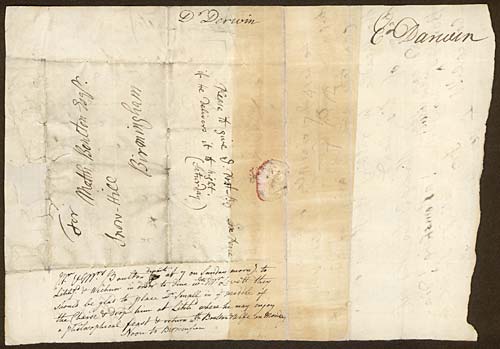
Handwritten letter on aged paper, folded, with address reading 'For Matthew Boulton Esq. Birmingham' and a postscript in cursive ink. A red wax seal and the name 'E. Darwin' appear at the top right.Letter

Primary source

Letter from Erasmus Darwin to Matthew Boulton

Erasmus Darwin · 1766

Document

Tertiary source

Watt, James (1736-1819), Dictionary of National Biography

1885-1900

Document

Tertiary source

Watt, James, Encyclopaedia Britannica 1911

1911

Interview

Secondary source

James Watt by Andrew Carnegie, LibriVox audio reading

Andrew Carnegie · 1905 (text); modern reading

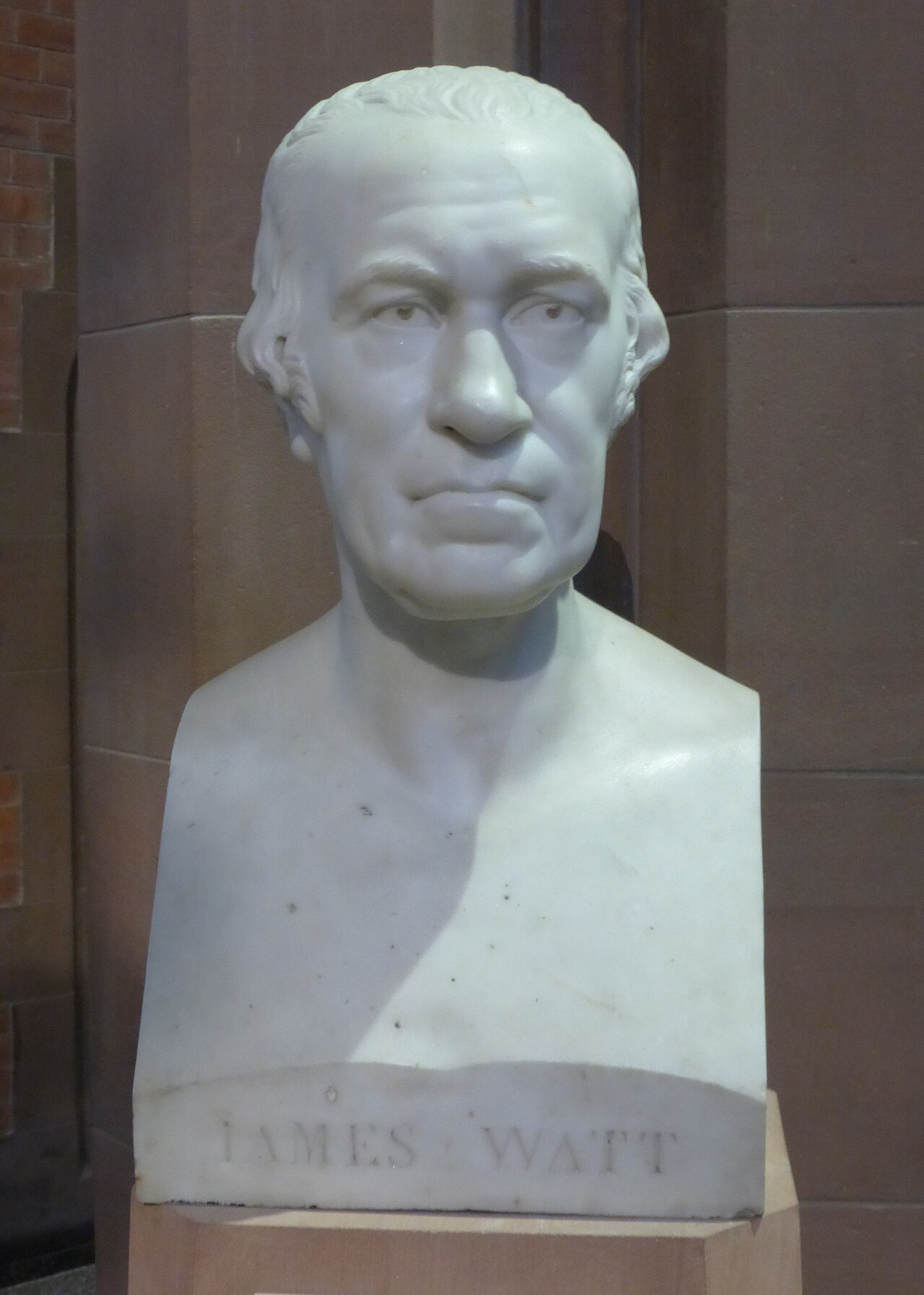
White marble bust of a man with short, swept-back hair, a stern expression, and a bare chest, set on a wooden plinth in front of a brown stone wall. The inscription 'JAMES WATT' is carved on the base.Sculpture

Primary source

Bust of James Watt

Francis Chantrey

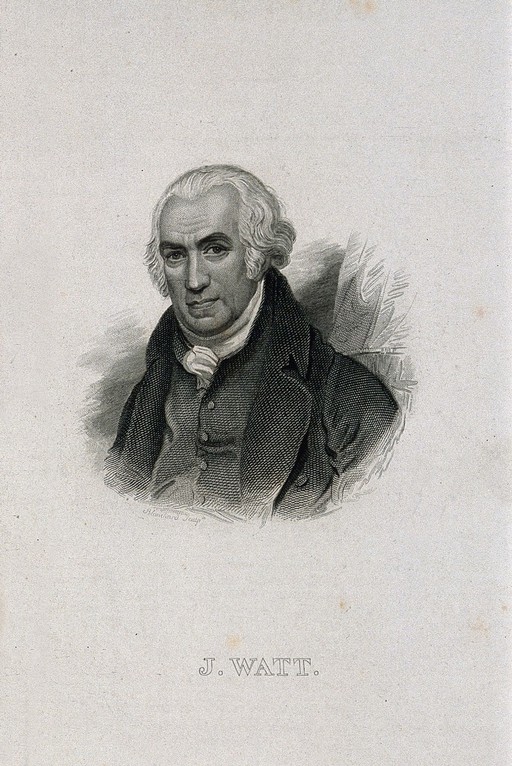
Black-and-white line engraving of an older man with white hair, wearing a dark coat, waistcoat, and white cravat, facing forward in a three-quarter view against a shaded background. Caption below reads 'J. WATT.'Painting

Primary source

James Watt line engraving by Blanchard after Lawrence

Blanchard, after Thomas Lawrence · 1815

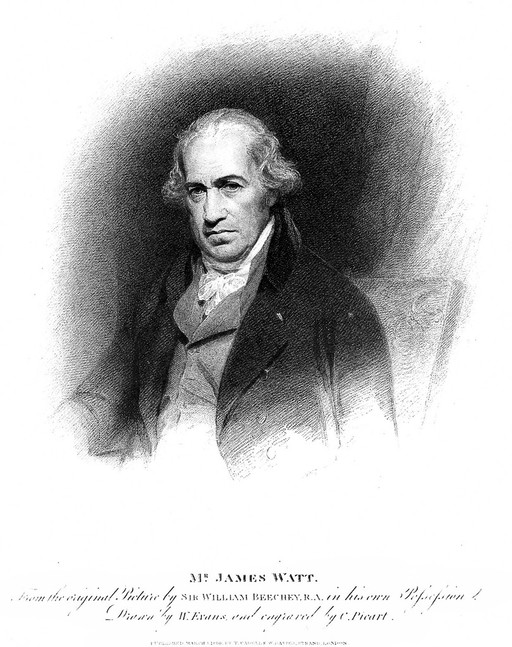
Black-and-white engraved portrait of a man with white hair, wearing a dark coat, white cravat and waistcoat, shown from the chest up. Caption below reads Mr James Watt, with credits to Sir William Beechey, W. Evans, and C. Picart.Painting

Primary source

James Watt stipple engraving by C. Picart after Evans

C. Picart, after W. Evans, after William Beechey · 1809

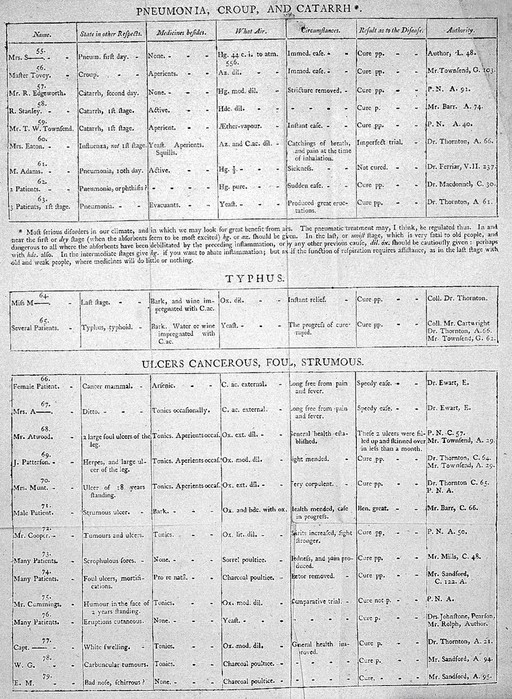
Scanned printed table page with three sections: Pneumonia, Croup, and Catarrh; Typhus; and Ulcers Cancerous, Foul, Strumous. Columns list patient names, state in other respects, medicines besides, what air was used, circumstances, result as to the disease, and authority. Dense small print with footnotes.Document

Primary source

Table from Considerations on Factitious Airs

Thomas Beddoes and James Watt · c. 1794-1796

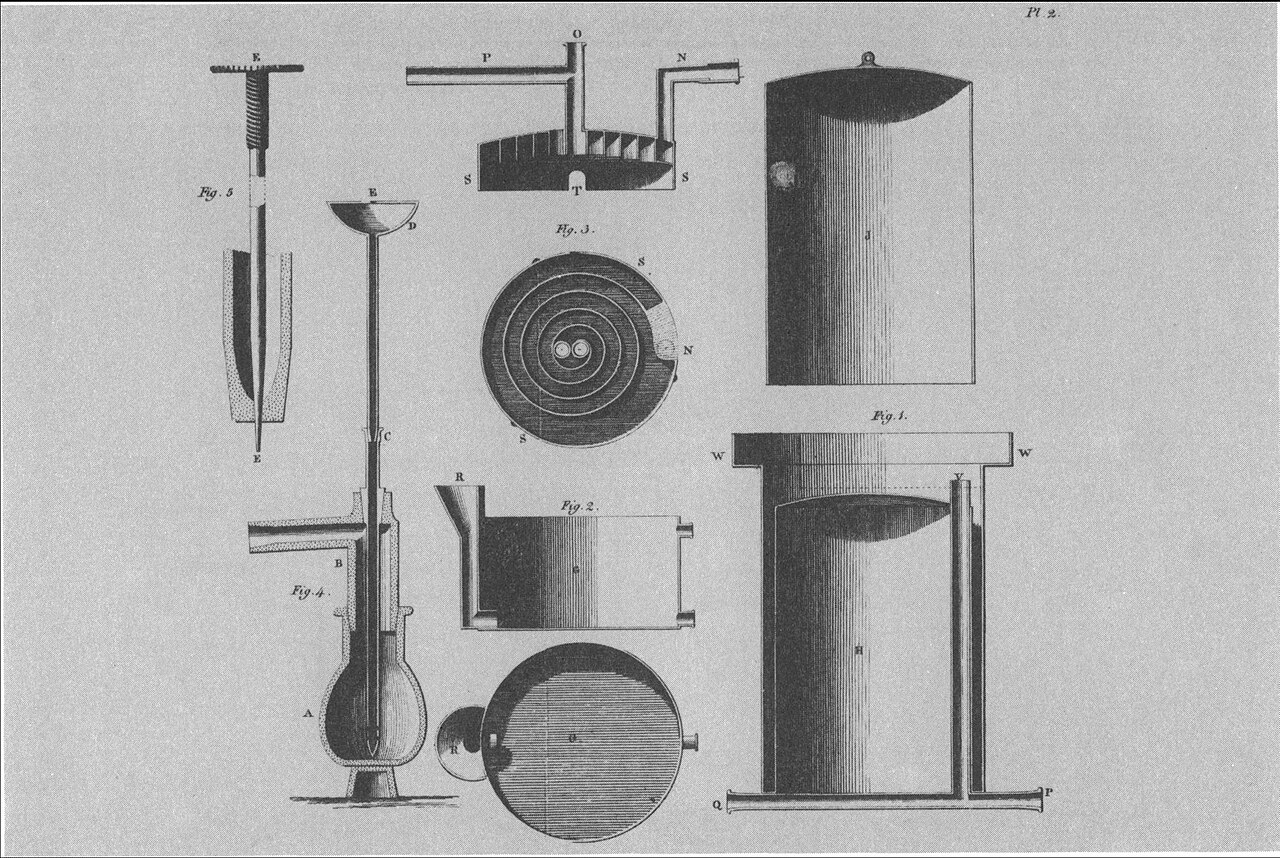
Engraved plate labeled Pl. 2 showing technical diagrams of apparatus, including figures labeled Fig. 1 through Fig. 5 with pipes, valves, cylinders, a spiral-shaped vessel, and a large vertical tube with a funnel, drawn in black line on a light background.Document

Primary source

Plate 2 from Considerations on Factitious Airs

Thomas Beddoes and James Watt · c. 1794-1796

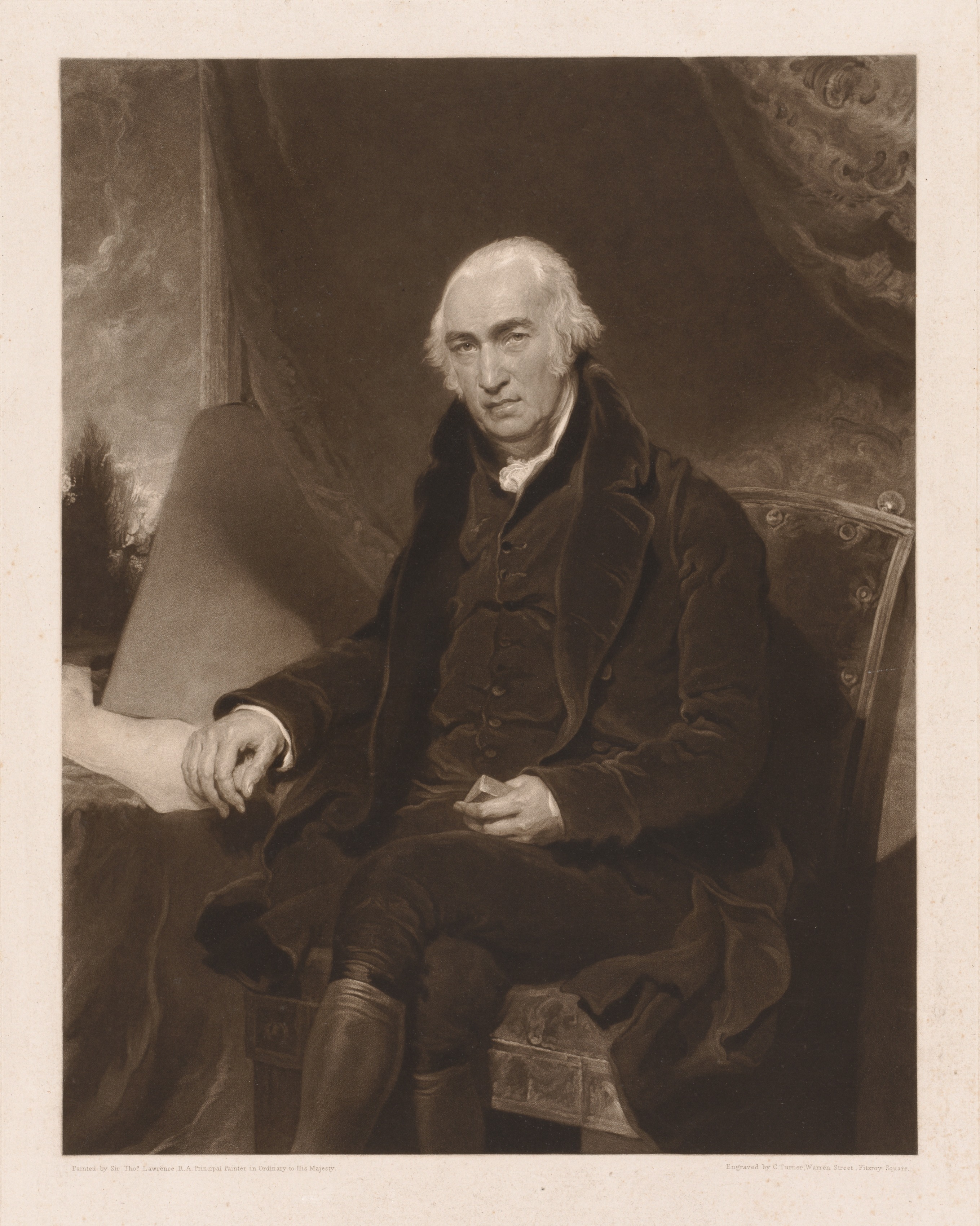
Sepia mezzotint portrait of an older man with white hair seated in a high-backed carved chair, wearing a dark coat with fur-trimmed collar, white cravat, and boots, one hand resting on a table and the other holding a small object. Dark curtained background. Printed caption text along the bottom margin.Painting

Primary source

James Watt mezzotint by Charles Turner after Lawrence

Charles Turner, after Thomas Lawrence · 1815

Oil portrait of an elderly man with white hair, wearing a dark coat, white high collar and white cravat, against a dark background. He has pale blue eyes and a serious expression, and is shown from the chest up.Painting

Secondary source

James Watt portrait by John Partridge after Beechey

John Partridge, after William Beechey · 1806

Medallic Portraits of Matthew Boulton and James WattBook

Secondary source

Medallic Portraits of Matthew Boulton and James Watt

Robert James Eidlitz · 1928

Oil portrait of an elderly man with white hair, wearing a dark coat, dark waistcoat, and white cravat, against a dark background. He faces the viewer with a serious expression.Painting

Secondary source

Portrait of James Watt (after Beechey)

John Partridge · 1806

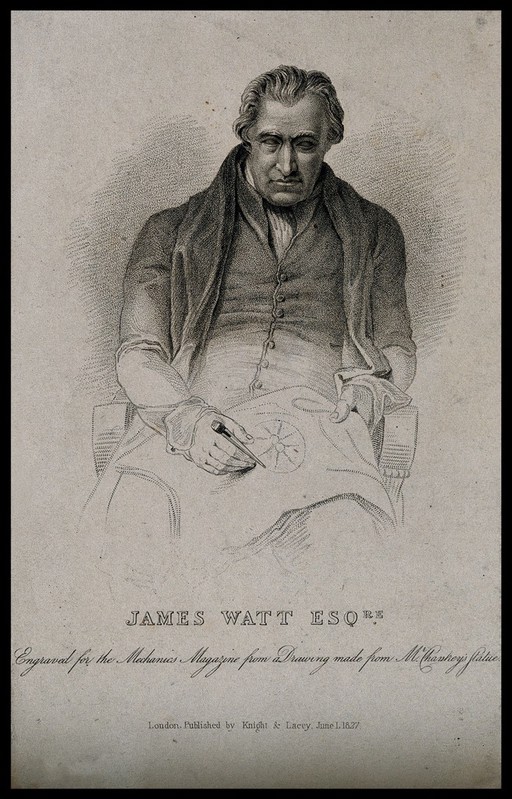
Engraved portrait of a seated older man with swept-back hair, wearing a high-collared coat, waistcoat and cravat, holding a pair of compasses or dividers over a sheet of paper. Below the image is the printed caption 'JAMES WATT ESQRE' and a line noting it was engraved for the Mechanics Magazine from a drawing by Mr. Chantrey's studio, London, published by Knight & Lacey, June 1827.Painting

Secondary source

James Watt, Stipple Engraving after Chantrey

1827

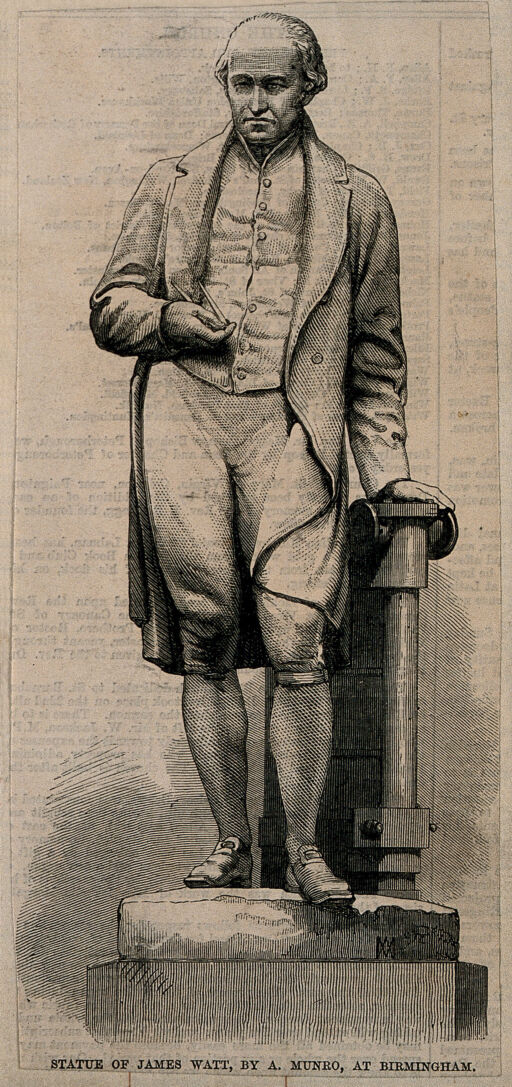
Black-and-white wood engraving of a standing bronze-style statue of James Watt on a stone plinth. Watt wears a long coat, waistcoat, knee breeches and buckled shoes, and holds a small object in one hand. His other hand rests on a tall cylindrical pillar beside him, and a caption along the bottom reads: Statue of James Watt, by A. Munro, at Birmingham.Painting

Secondary source

James Watt Statue, Wood Engraving after Munro

after Alexander Munro

Monochrome print of a seated man in 18th-century clothing, holding calipers, in a dim workshop. Shelves, a hanging lamp, a glass-cased steam engine model, and books and tools on a table surround him.Painting

Secondary source

James Watt in His Workshop, Etching after Lauder

J. Scott, after J. E. Lauder · 1869

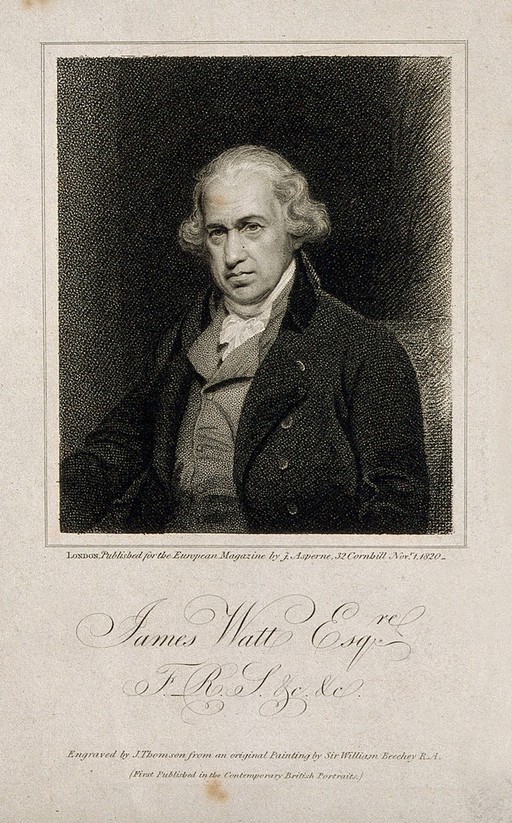
Stipple engraving portrait of a man with white hair, dark coat, waistcoat and white cravat, set in an oval-cornered frame. Below are printed captions: 'James Watt Esqre F.R.S. &c.' and publication and engraver credits.Painting

Secondary source

James Watt stipple engraving by J. Thomson after Beechey

J. Thomson, after Sir William Beechey · 1820

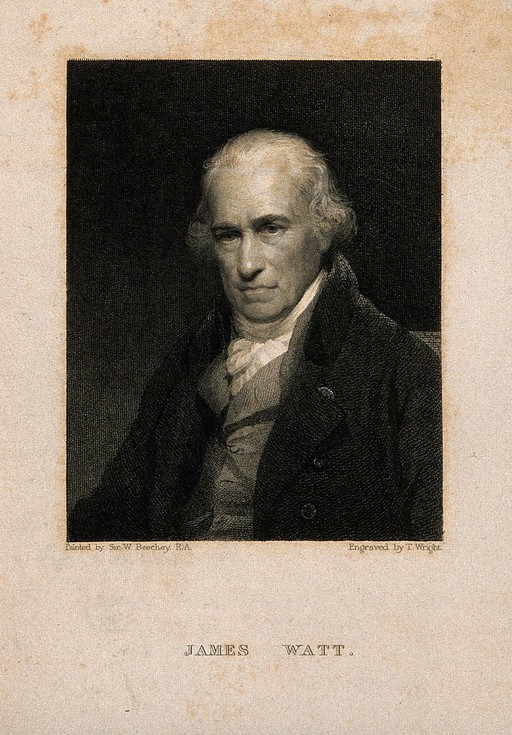
Engraved portrait of an older man with white hair, dark coat, white cravat and waistcoat, looking toward the viewer. Printed caption below reads 'JAMES WATT', with small credits 'Painted by Sir W. Beechey R.A.' and 'Engraved by T. Wright'.Painting

Secondary source

James Watt stipple engraving by T. Wright after Beechey

T. Wright, after Sir William Beechey · 1830

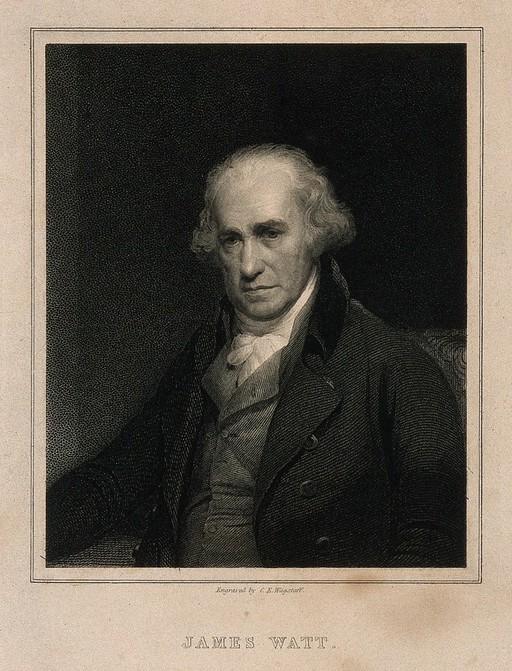
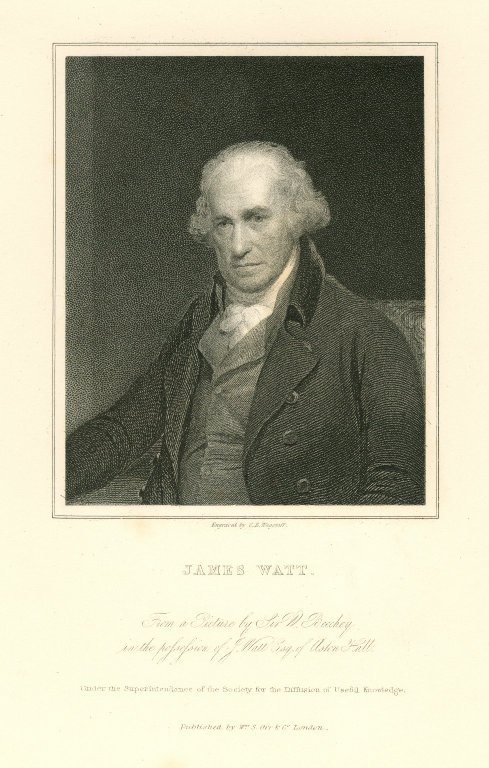
Engraved portrait of an older man with white hair, wearing a dark coat, waistcoat and white cravat, seated against a dark background. Caption below reads 'James Watt' and the engraver's credit.Painting

Secondary source

James Watt stipple engraving by C. E. Wagstaff after Beechey

C. E. Wagstaff, after Sir William Beechey · 1845

Black-and-white engraved portrait of an older man with white hair, wearing a dark coat, waistcoat, and cravat, seen from the chest up against a shaded background. Caption below reads 'James Watt, Esqr.' with credits.Painting

Secondary source

James Watt stipple engraving by J. Thomson after Lawrence

J. Thomson, after Sir Thomas Lawrence · 1820

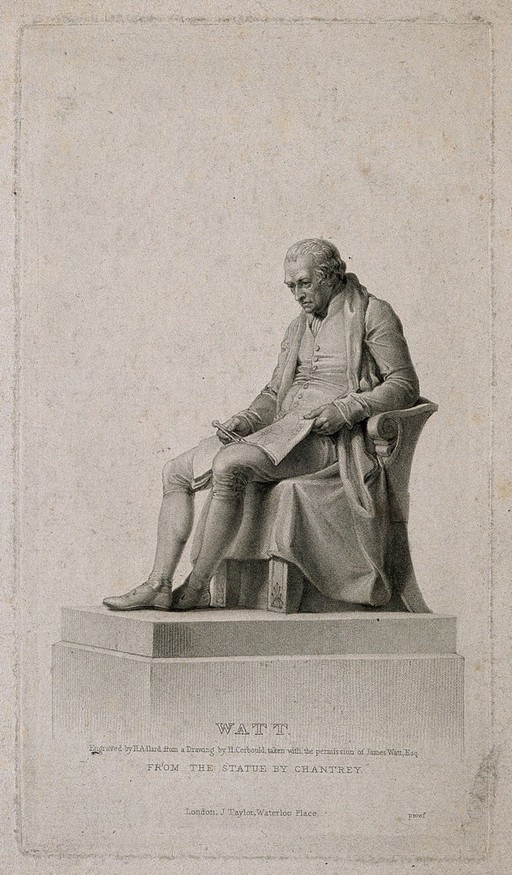
Engraving of a seated man in a robe, with a notebook or papers on his lap, looking down and writing. Below the figure are the words 'WATT' and 'Engraved by H. Adlard from a Drawing by H. Corbould, taken with the permission of James Watt, Esq.' and 'From the Statue by Chantrey'. Printed credit reads 'London, J. Taylor, Waterloo Place'.Painting

Secondary source

James Watt

H. Adlard

Engraved portrait of an older man with white hair, dark coat, and white cravat, seated and turned slightly, within a plate border. Below the image: title 'JAMES WATT', dedication text, and publisher line.Painting

Secondary source

Engraved portrait of James Watt

Charles Eden Wagstaff · 1853

Grayscale engraved portrait of an older man with white, wavy hair swept back over his ears. He wears a dark coat and a white cravat, and gazes forward with a serious expression against a dark background.Painting

Secondary source

James Watt engraving by Frédéric

Frédéric

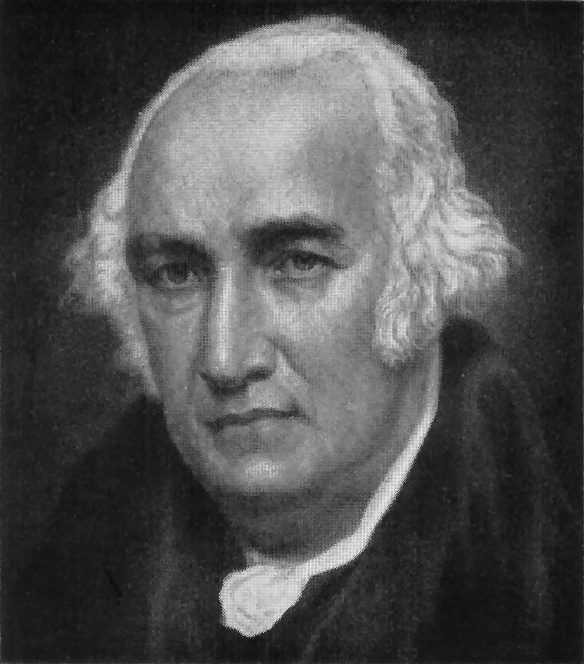
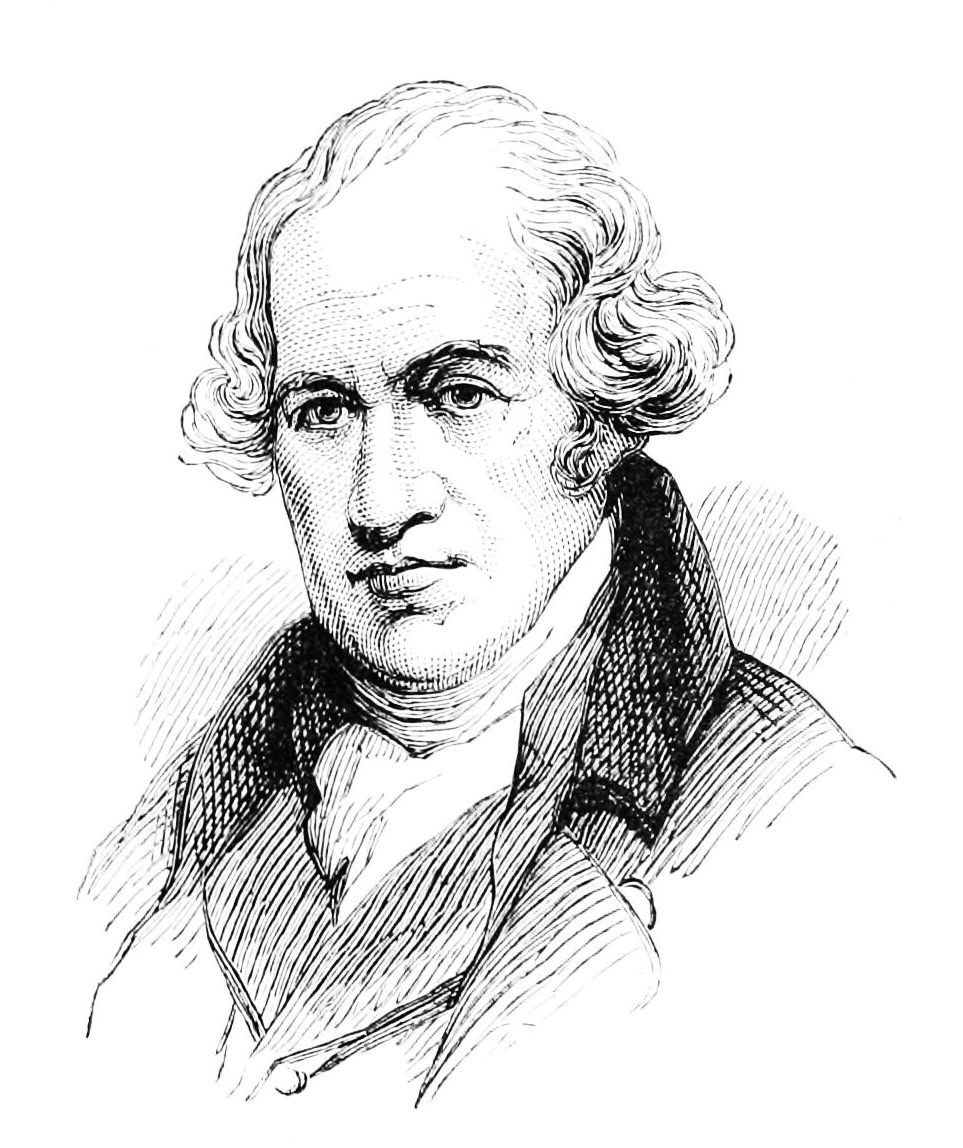
Black-and-white engraved portrait of an older man with curly white hair, looking toward the viewer, wearing a dark high-collared coat over a white cravat. Hatched line shading fills the background and clothing.Painting

Secondary source

James Watt portrait, Popular Science Monthly, 1877

between 1877 and 1878

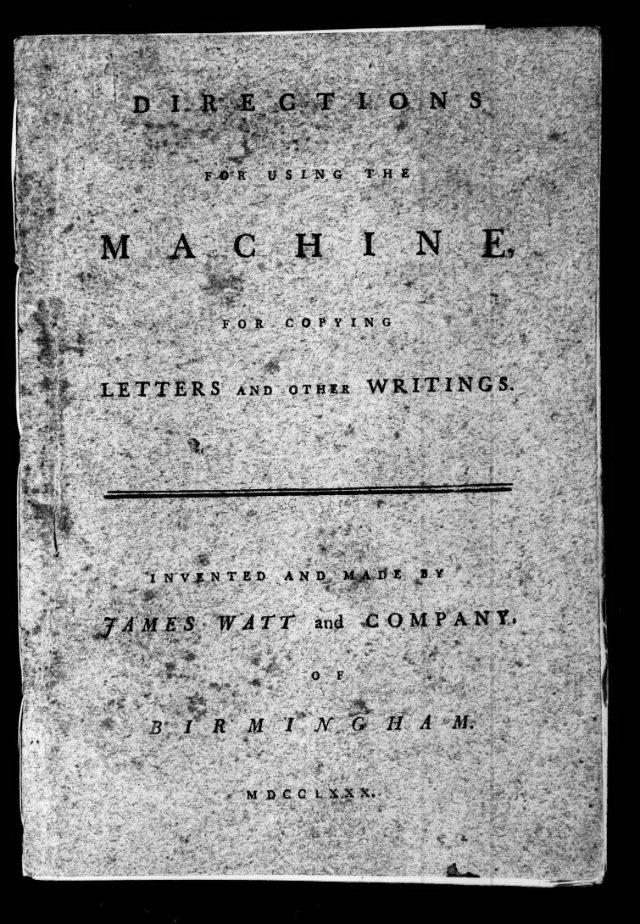
Directions for Using the Copying MachineBook

Primary source

Directions for Using the Copying Machine

James Watt and Company · 1780

The Triumphs of Steam: Stories of Watt, Arkwright and StephensonBook

Secondary source

The Triumphs of Steam: Stories of Watt, Arkwright and Stephenson

E. Burrows · 1858

Want the full shelf? Chat with James Watt in the app and open the Sources panel — every quote links back to the original.

Trusted by educators worldwide

Conversations
375,000+
Real exchanges between students and historical figures
Messages exchanged
4,142,000+
Across every figure, classroom and language
Historical figures
100,000+
Each informed by a curated biography and selected sources
Languages supported
50+
From English and Spanish to Arabic and Korean

Paying customers

Used by 98 schools and universities

Partner school logo
Tecnológico de Monterrey logo
Hyper Island logo
Partner school logo
Chambersburg Area School District logo
Broward County Public Schools logo
Nebo School District logo
National Louis University logo
South Florida PBS logo
Punahou School logo
University of Wisconsin–River Falls logo
Partner school logo
Partner school logo
Archbishop Mitty High School logo
Kingsburg High School logo
Norwalk Public Schools logo
Partner school logo
Connections logo
Partner school logo
Moore Public Schools logo
Partner school logo
Partner school logo
Partner school logo
Partner school logo
Robbinsville Public Schools logo
Partner school logo
Partner school logo
Partner school logo
Tecnológico de Monterrey logo
Hyper Island logo
Partner school logo
Chambersburg Area School District logo
Broward County Public Schools logo
Nebo School District logo
National Louis University logo
South Florida PBS logo
Punahou School logo
University of Wisconsin–River Falls logo
Partner school logo
Partner school logo
Archbishop Mitty High School logo
Kingsburg High School logo
Norwalk Public Schools logo
Partner school logo
Connections logo
Partner school logo
Moore Public Schools logo
Partner school logo
Partner school logo
Partner school logo
Partner school logo
Robbinsville Public Schools logo
Partner school logo
Partner school logo

What educators are saying

“We enjoyed the program last year and used it frequently.”
“My students say it’s a welcome change of pace. I’m not a fan of the “sage on the stage” model, so I try to incorporate research-oriented and self-paced activities. With Humy, students have to take charge of their learning. They’ve become more adept at critical thinking, forming better questions, and improving their reading comprehension. The interview feature has been my go-to tool. I create assignments where students must ask historical figures a set number of questions, then summarize the responses to ensure they’re truly absorbing the material. This approach lets them actively explore the past rather than passively consuming information.”
“Humy has helped me bring historical figures, sometimes long past, to life. When my students interact with these figures in real-time, it eliminates some of the perceived “ancient” characteristics of my curriculum. This has shifted my students’ thinking away from viewing history as abstract or irrelevant. Real-time interactions make historical figures relatable, even allowing students to ask off-topic questions that help put historical lives in a more relevant context for 13-year-olds. The feature I use the most is the interview feature. After teaching a topic, most recently Gandhi and Joan of Arc, I have the students ask pointed, focused questions. We practice good conversation techniques beforehand, teaching them to listen (or read) carefully and formulate thoughtful follow-up questions rather than just interrogating. It helps students practice effective conversation skills.”

FAQ

Frequently asked questions

Who is James Watt?
Scottish engineer and inventor of the steam engine. On Humy.ai you can chat with an AI version of James Watt that draws on a short biography and 75 historical sources during the conversation — by text or voice, in 42 languages.
Is James Watt AI free?
James Watt is part of Humy's full library of more than 100,000 figures, which comes with a paid plan. A free account (no credit card) includes 20 messages a month with the free library's figures, so you can try how the conversations work first.
What sources does the James Watt AI use?
It draws on a short biography and 75 historical sources (paintings, documents and artifacts), including “James Watt Patent No. 913”, “Watt's First Condenser” and “Model Newcomen Engine Repaired by James Watt”. Each source has its own page on Humy.ai.
How historically accurate is the AI version of James Watt?
Each figure uses a short biography and a small set of selected historical sources as context (retrieval-augmented generation), so answers stay closer to known material than the model's general knowledge alone. It isn't a citation-grade research tool — like any LLM, the AI can get details wrong or extrapolate. Treat it as a strong starting point for inquiry and cross-reference important claims.
Can I talk to James Watt by voice?
Yes. In addition to text chat, you can call James Watt and hear their voice respond in real time — useful for auditory learners, interview practice and Socratic dialogue.
Is Humy.ai safe and compliant for schools?
Yes. Humy.ai is used by more than 100 schools, universities and organisations. The platform is FERPA- and GDPR-aligned, supports SSO, and offers an IT-approval pack tailored for school procurement teams.

Ready when you are

Start chatting with James Watt now.

20 messages free · No credit card · Available in 50+ languages.