


Primary sourceArtifact1760s
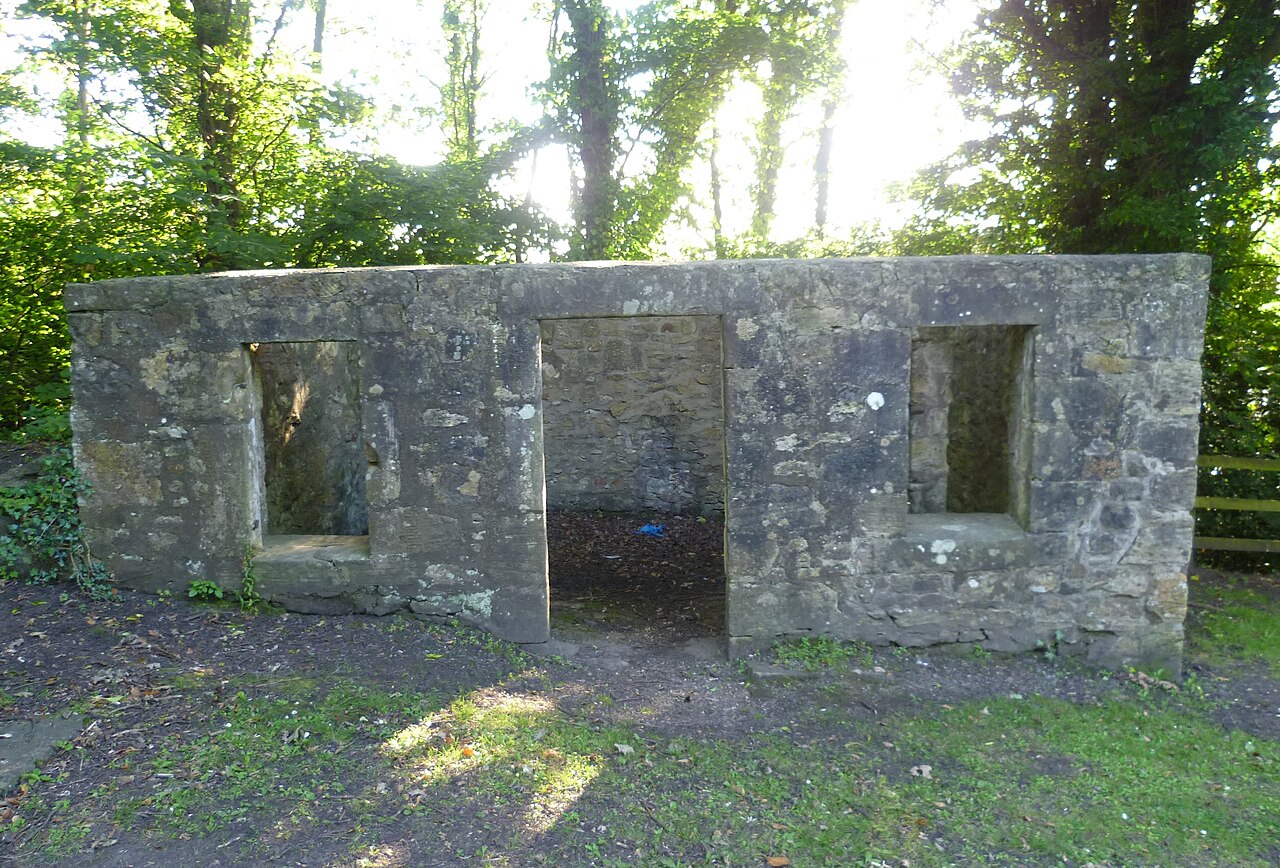
James Watt's Cottage, Kinneil House
1760s
The ruined cottage near Kinneil House where Watt worked to perfect his steam engine with the backing of John Roebuck in the late 1760s and early 1770s.
Watt lived and worked at this cottage while struggling to perfect his steam engine with Roebuck's financial support.
About this source
What it is
This is the shell of a cottage next to Kinneil House in Bo'ness, Scotland, where James Watt worked on perfecting his steam engine between 1769 and 1773, backed by John Roebuck, founder of the Carron Iron Works. Part of the surrounding site still survives.
Why it matters
The cottage marks the difficult early stage of Watt's invention, when he struggled with practical problems like machining the piston and cylinder accurately. It shows that turning an idea into a working engine took years of effort and financial backing from people like Roebuck, not just a single flash of inspiration.
Look closer
- What does the ruined state of the cottage tell us about how much importance was placed on preserving it at the time?
- Why might practical problems like cylinder-boring have been so hard to solve in the 1760s?
- What does this site leave out about the role of Watt's backers and workmen?
This artifact is part of the curated material that grounds the AI version of James Watt on Humy.ai — when students ask about related events, the AI can quote it and cite it.
More James Watt sources
Meet the AI James Watt →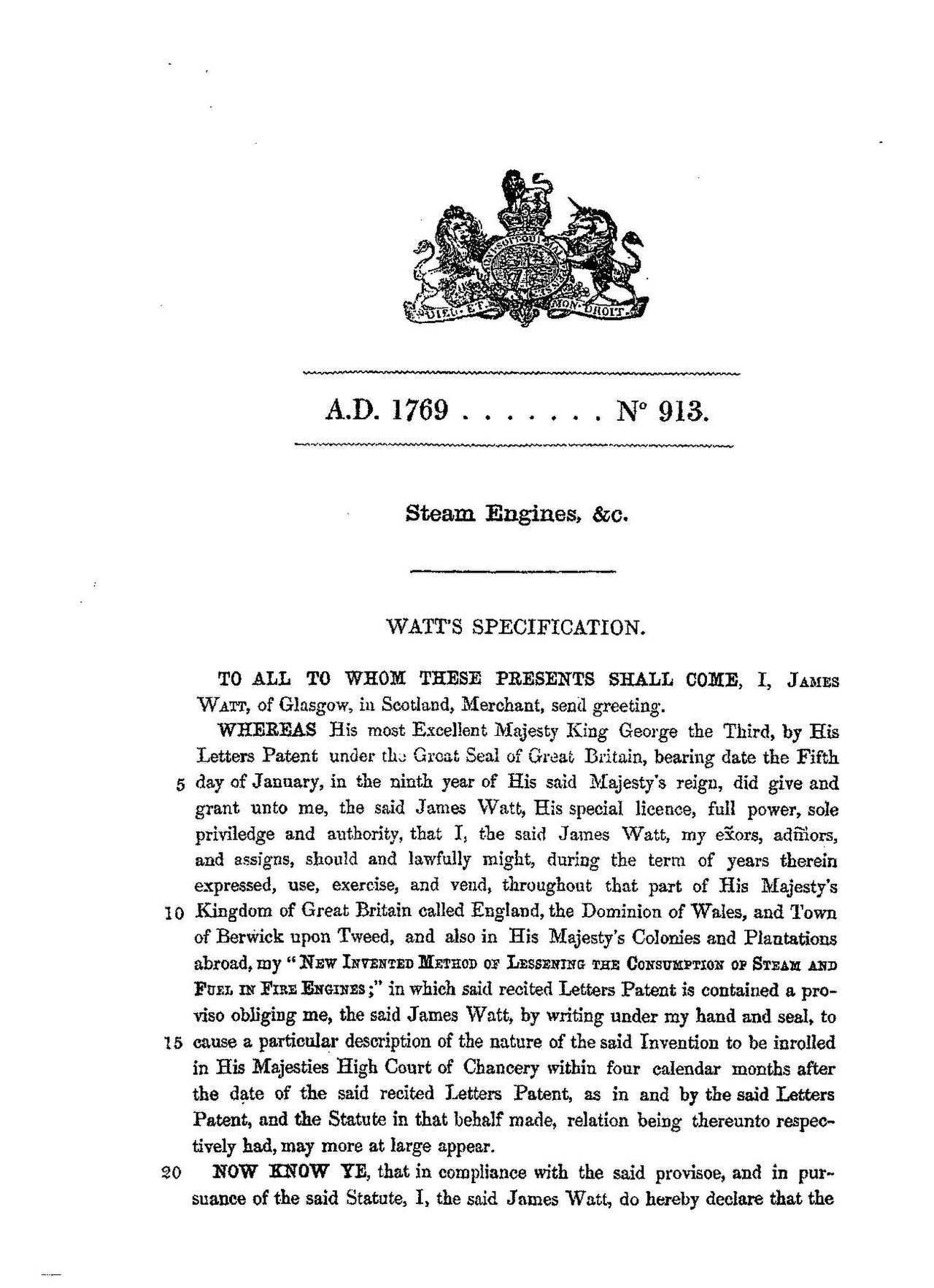 Document
Primary source
James Watt Patent No. 913
James Watt · 1769 (reprinted 1855)
 Artifact
Primary source
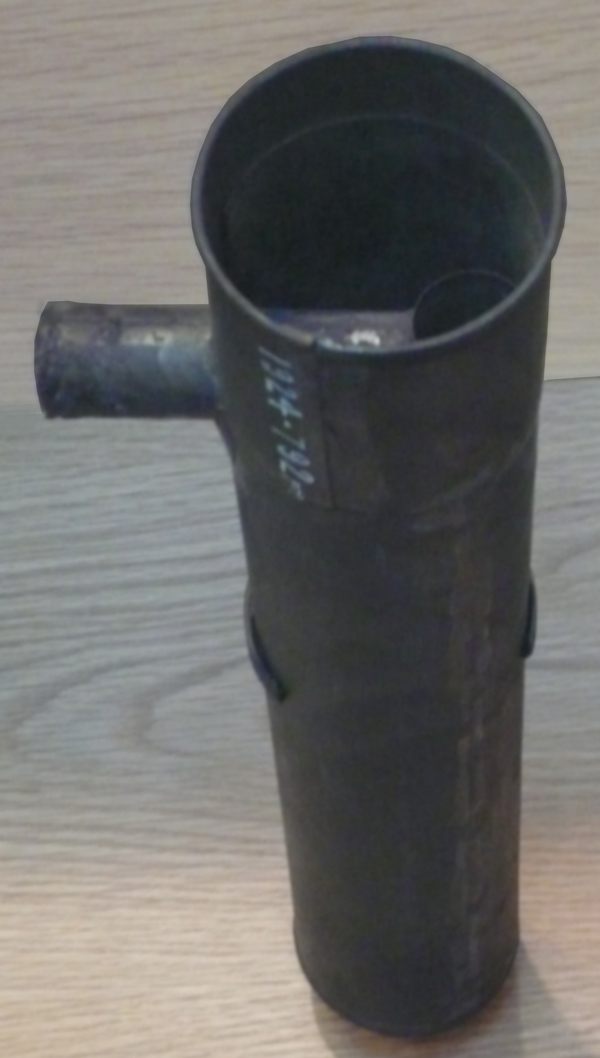
Watt's First Condenser
James Watt · c. 1765
 Artifact
Primary source
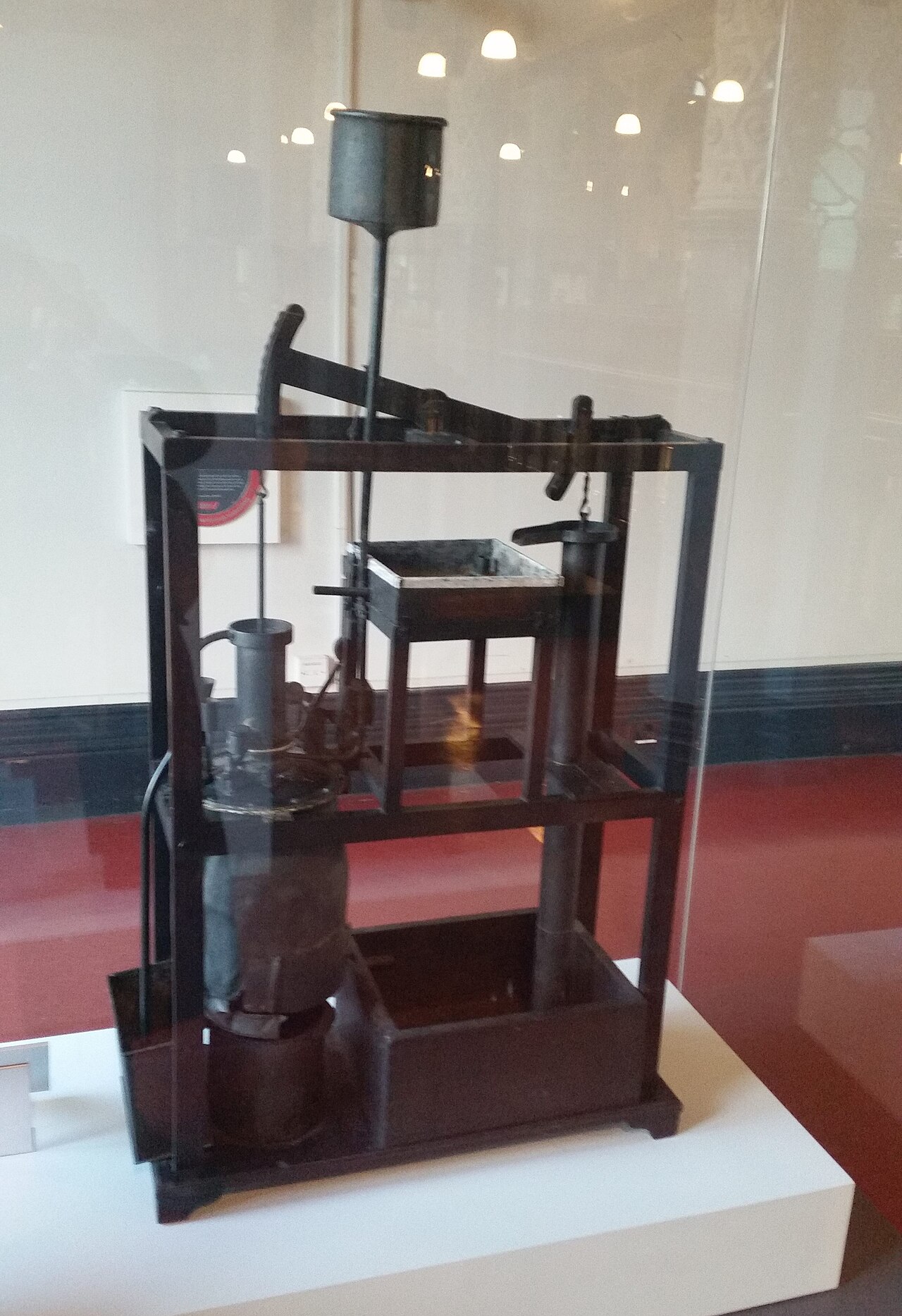
Model Newcomen Engine Repaired by James Watt
Unknown maker (repaired by James Watt) · c. 1760
 Artifact
Primary source
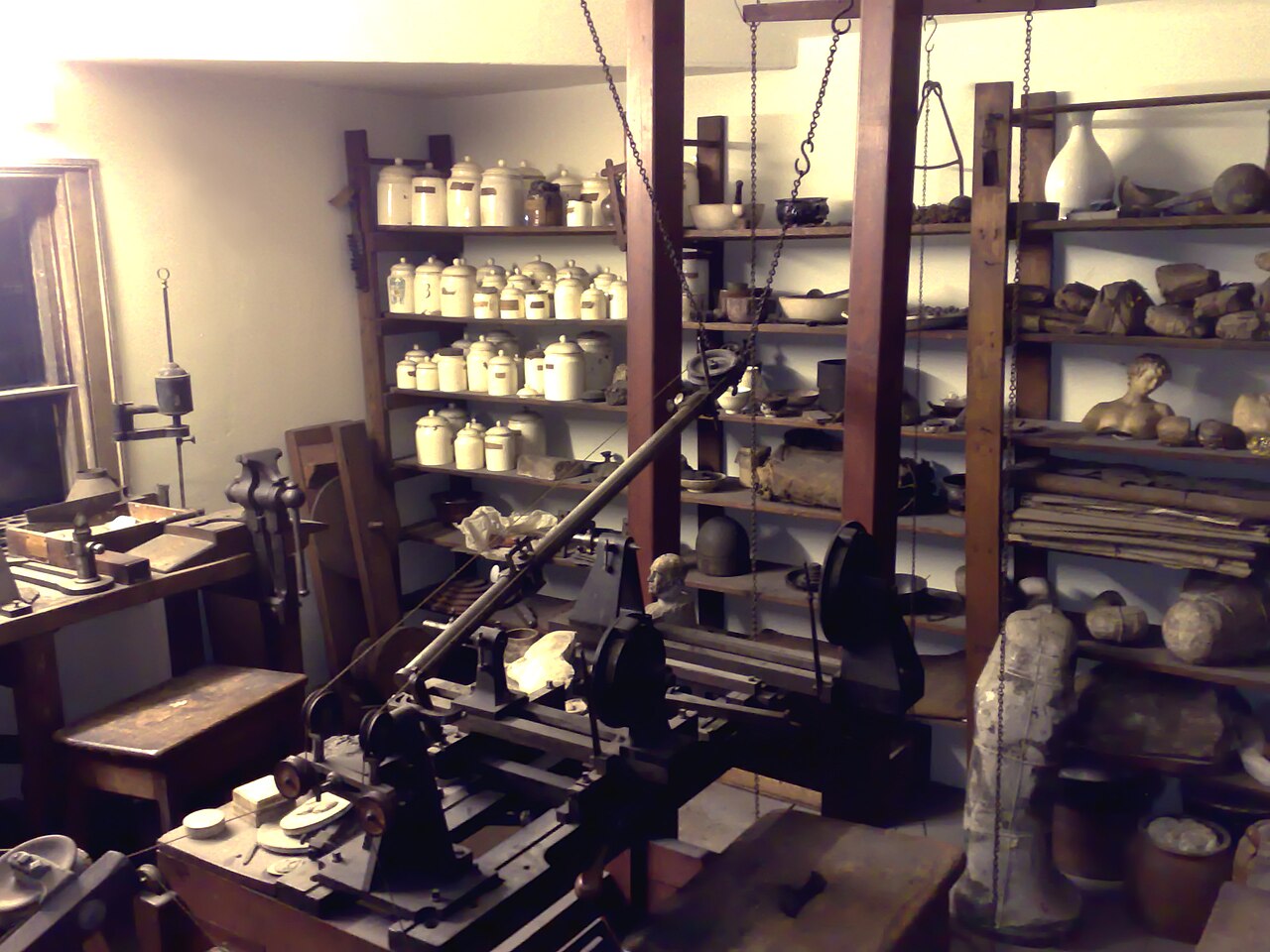
James Watt's Workshop
 Artifact
Primary source
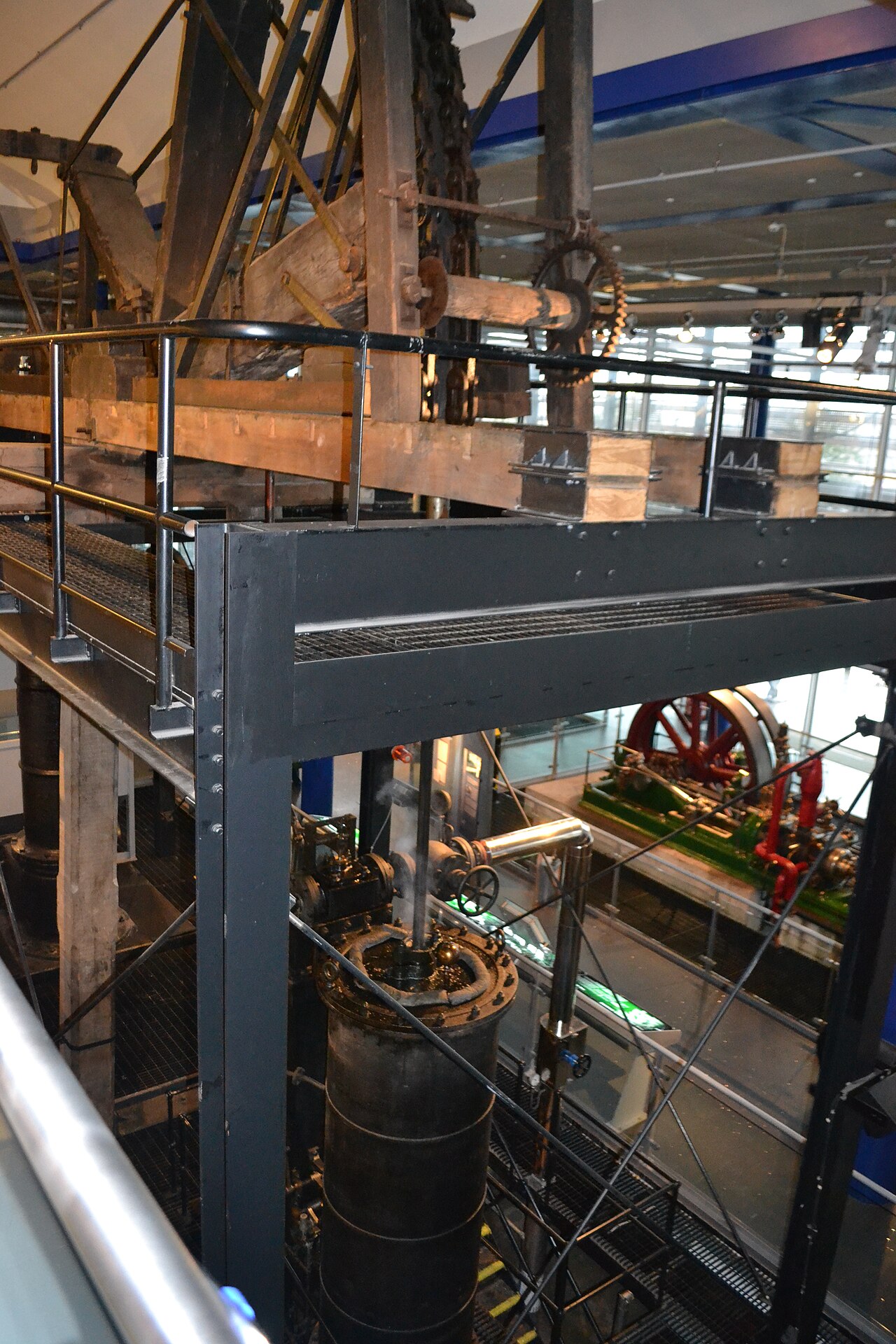
Smethwick Engine
James Watt · 1779
Ready when you are
Start chatting with James Watt now.
20 messages free · No credit card · Available in 50+ languages.