


Secondary sourcePainting1832
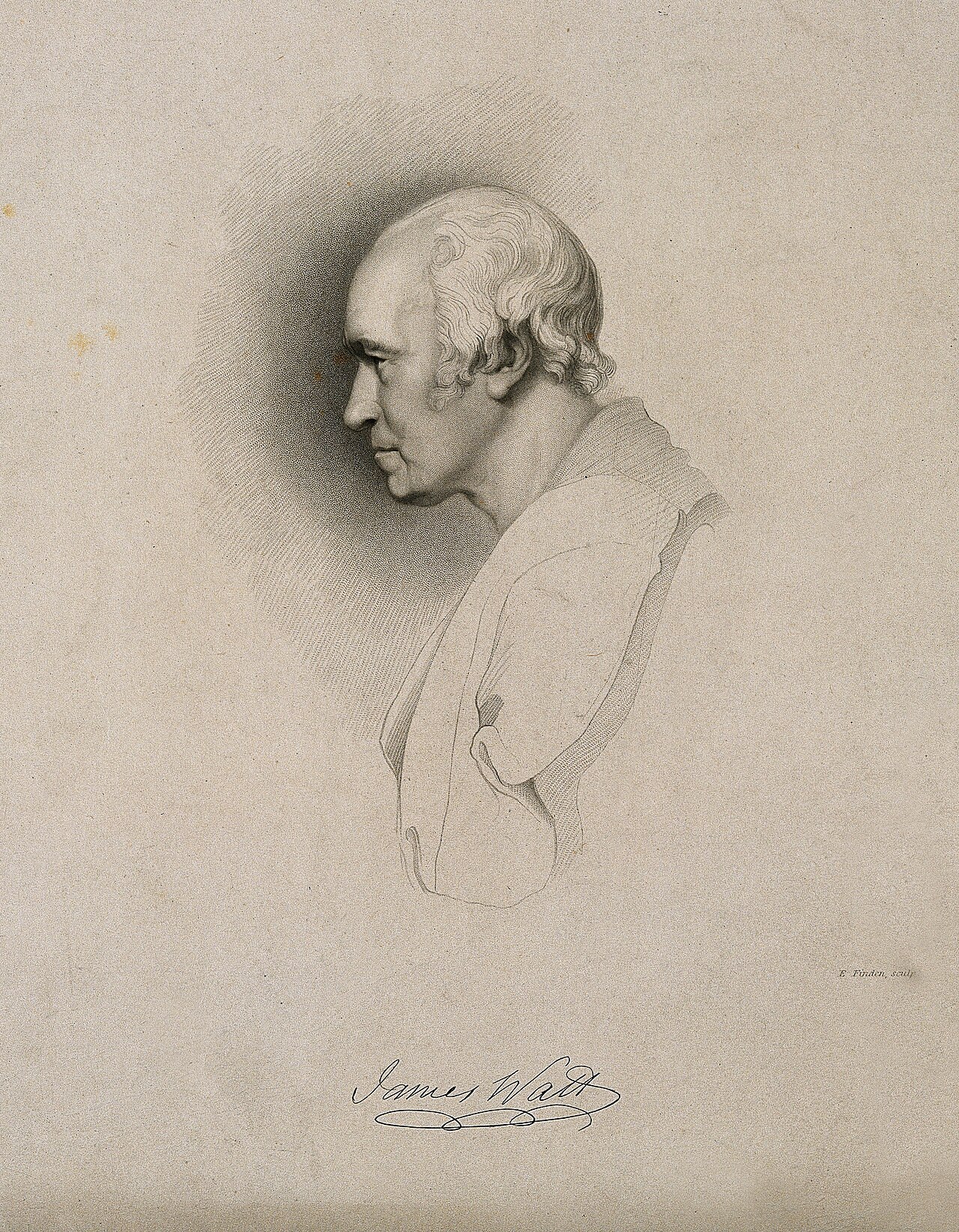
James Watt, Stipple Engraving by E. Finden after Sir F. Chantrey
E. Finden, after Sir F. Chantrey · 1832
An 1832 engraved portrait of Watt, copied from a sculpture made from life, showing how his image was spread to a wide public after his death.
This engraving, based on a life sculpture of Watt, shows how his portrait was mass-produced and circulated after his death.
About this source
What it is
This is a stipple engraving made in 1832 by E. Finden, based on a sculpture by Sir Francis Chantrey. It shows an elderly bald man with curly white hair, shown in profile wearing a loose collar and cloak, with his signature printed below.
Why it matters
Chantrey's original sculpture was made from life, meaning it captured Watt's actual appearance. This engraving, made after Watt's death, shows how printmakers reproduced and spread images of famous figures like Watt to a mass audience who could never have met him.
Look closer
- Why would an engraving based on a life sculpture be considered more reliable than an imagined portrait?
- What is the effect of showing Watt in profile rather than facing the viewer?
- Why might publishers want to produce and sell many copies of a famous person's portrait?
This painting is part of the curated material that grounds the AI version of James Watt on Humy.ai — when students ask about related events, the AI can quote it and cite it.
More James Watt sources
Meet the AI James Watt →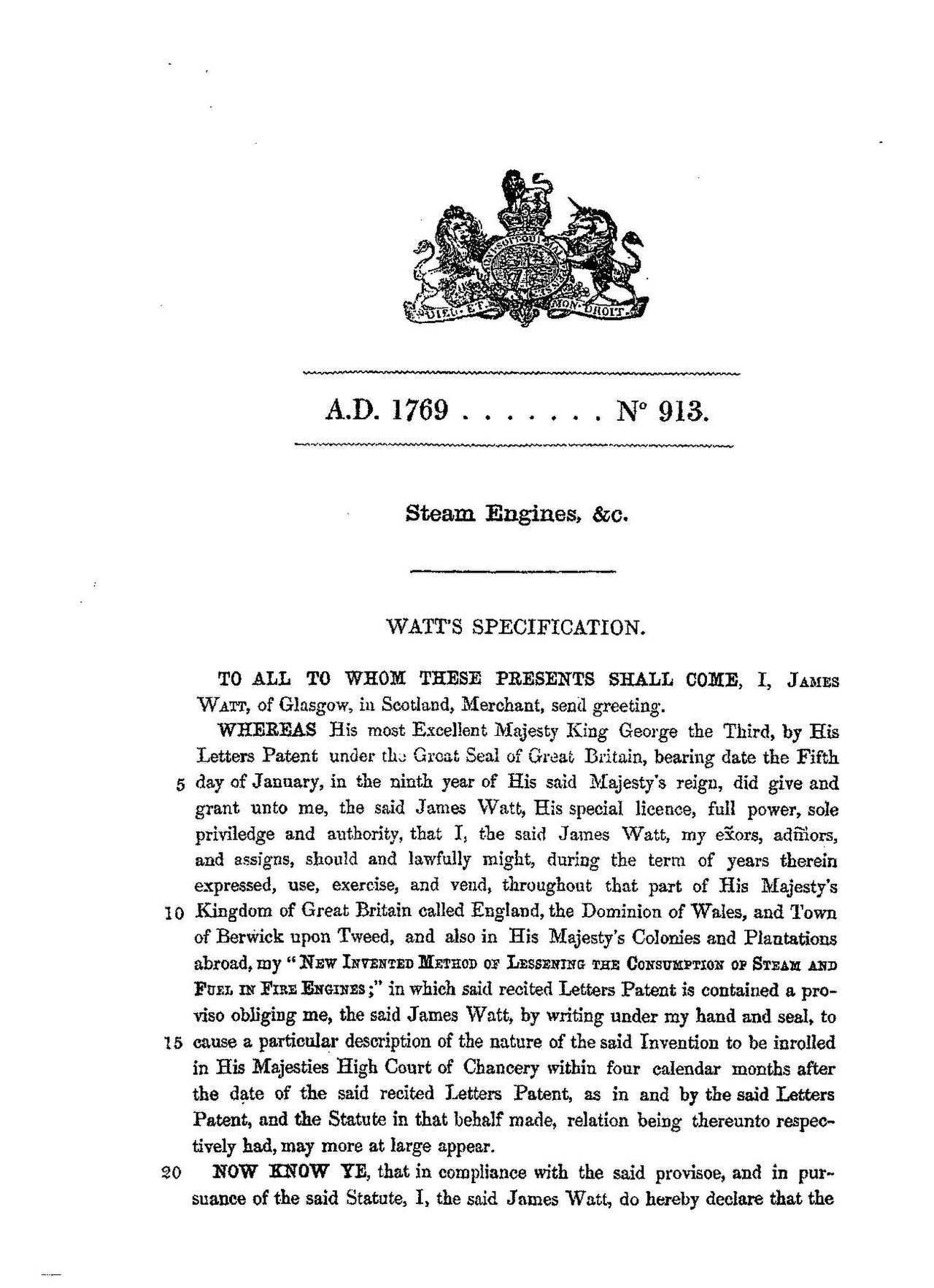 Document
Primary source
James Watt Patent No. 913
James Watt · 1769 (reprinted 1855)
 Artifact
Primary source
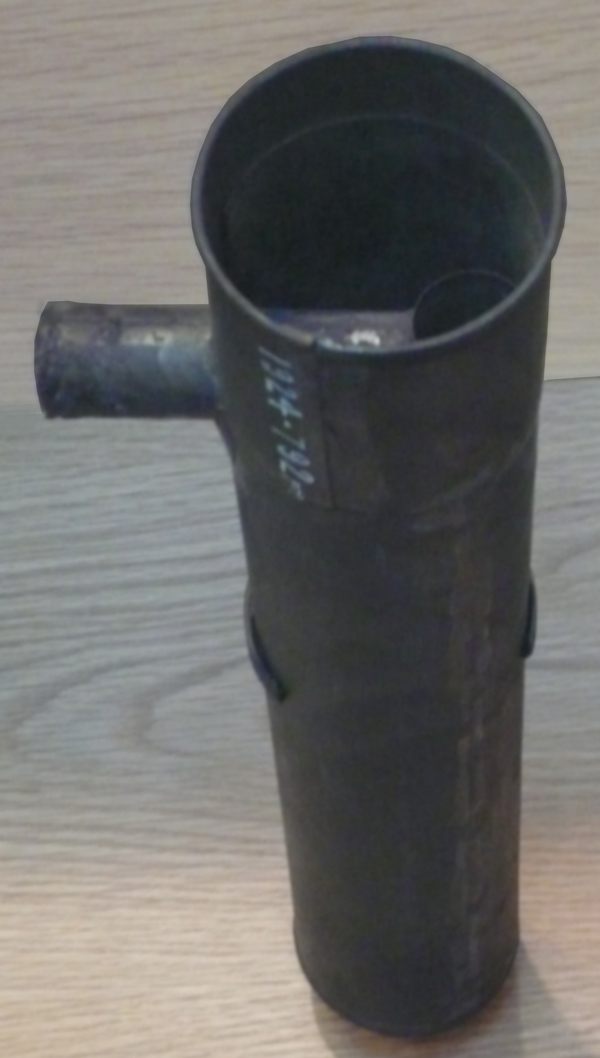
Watt's First Condenser
James Watt · c. 1765
 Artifact
Primary source
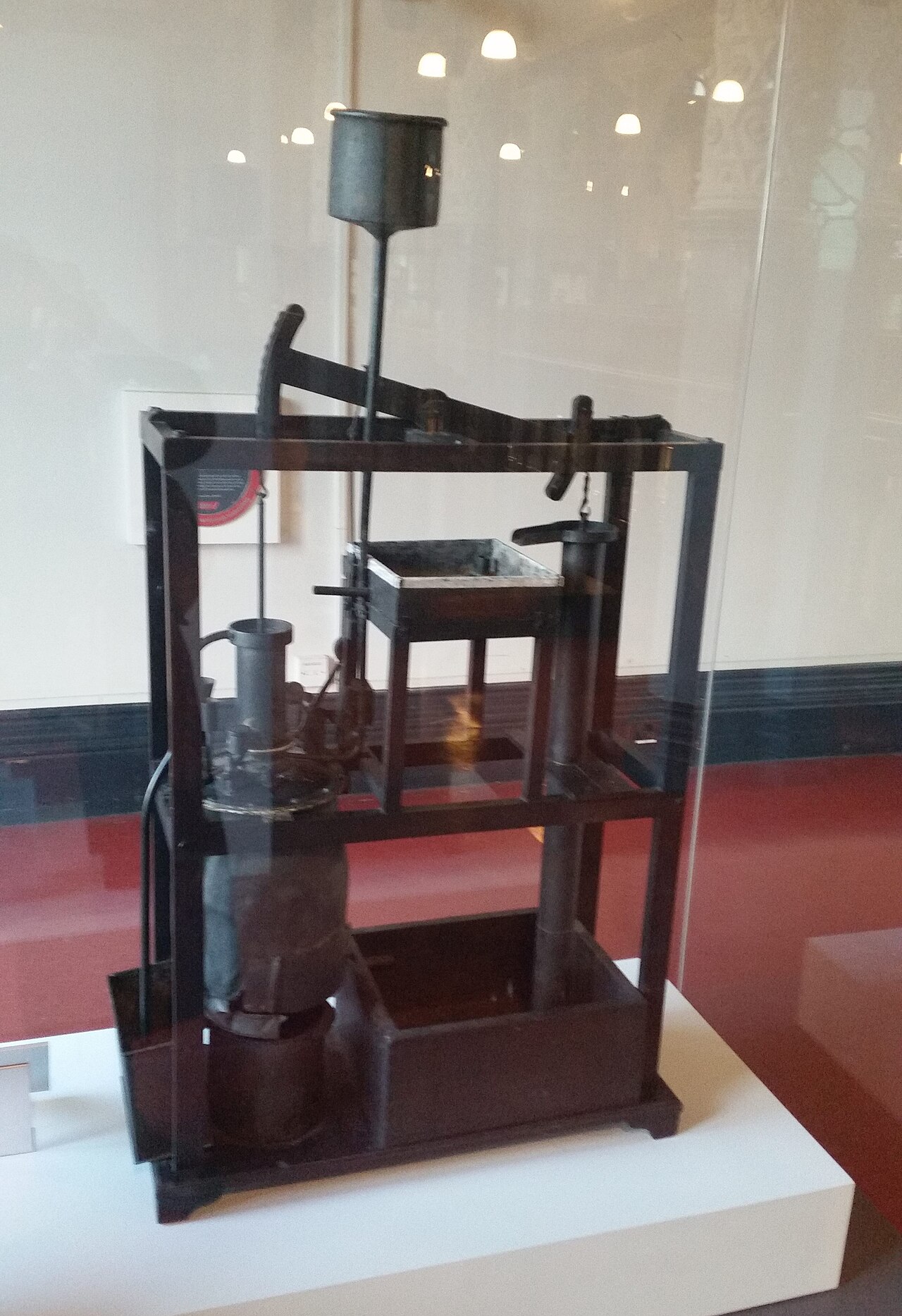
Model Newcomen Engine Repaired by James Watt
Unknown maker (repaired by James Watt) · c. 1760
 Artifact
Primary source
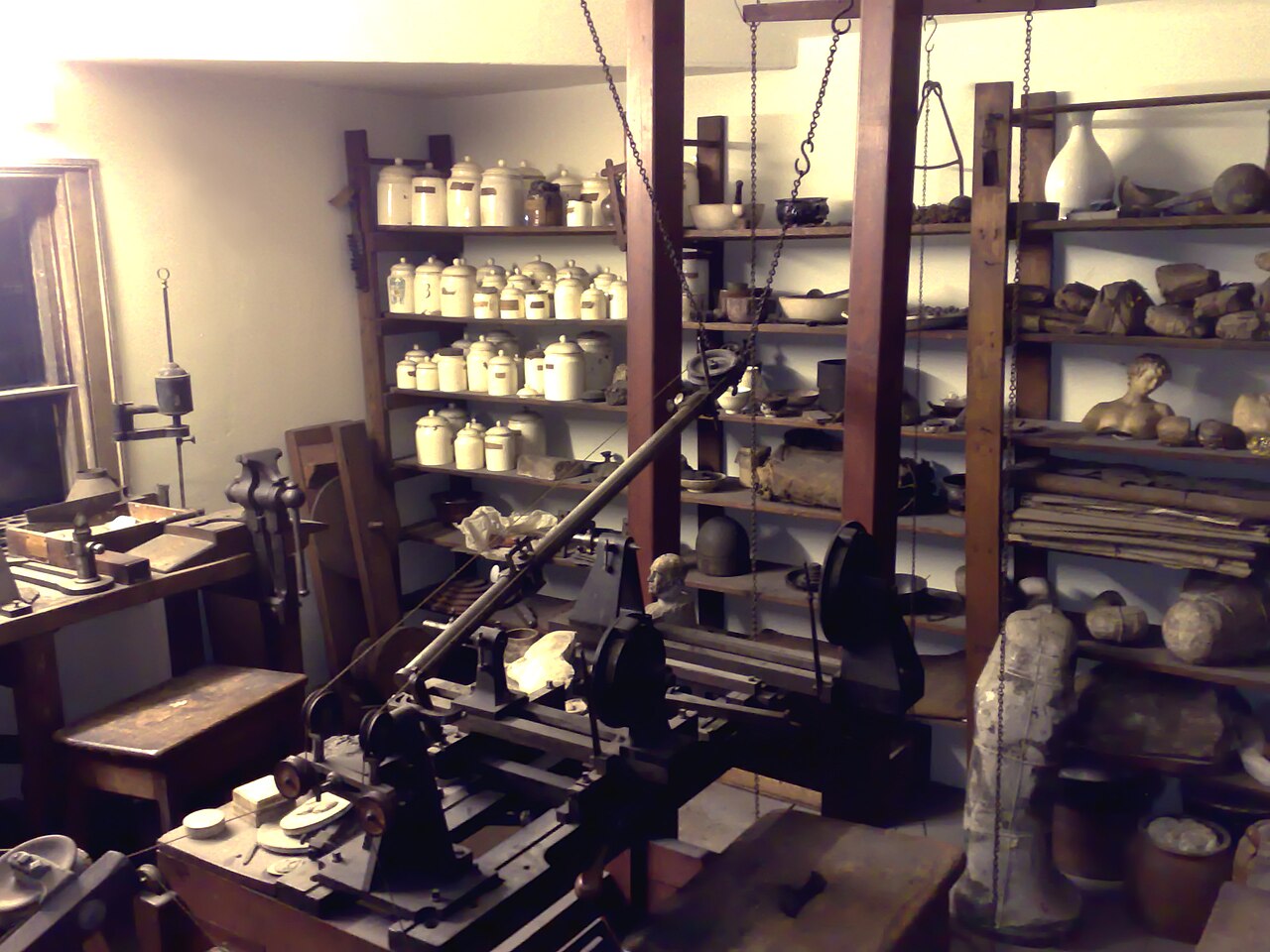
James Watt's Workshop
 Artifact
Primary source
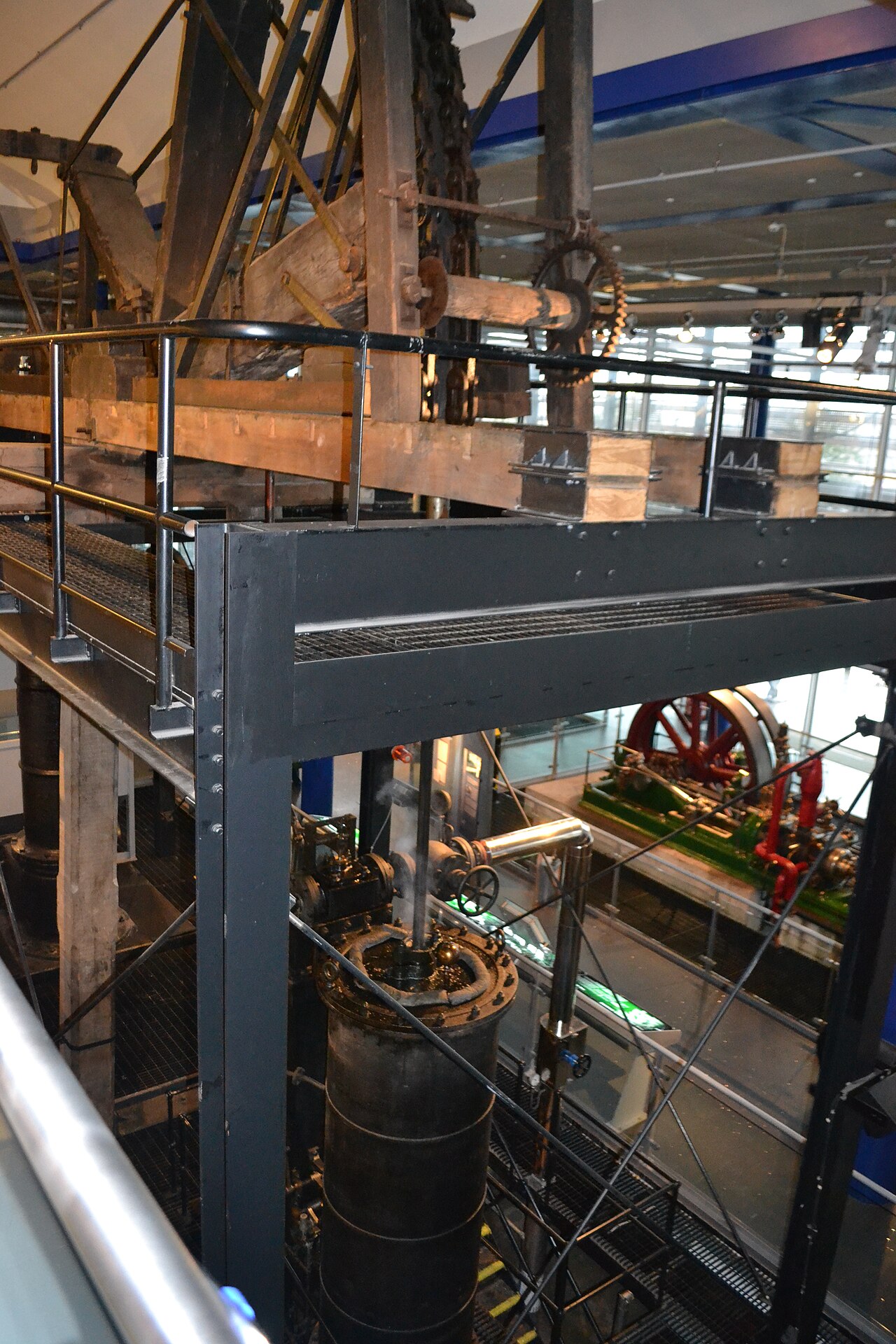
Smethwick Engine
James Watt · 1779
Ready when you are
Start chatting with James Watt now.
20 messages free · No credit card · Available in 50+ languages.