


Secondary sourcePainting1786 (mill built); destroyed 1791
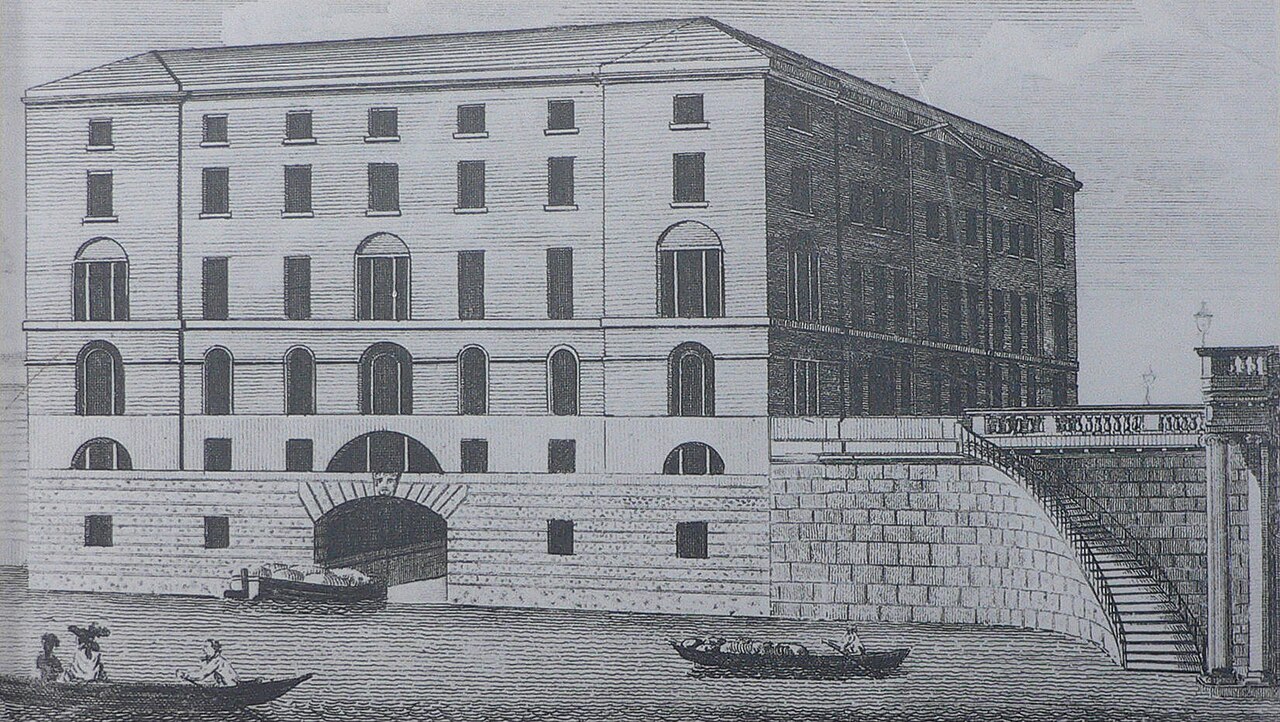
Albion Mills, Southwark
1786 (mill built); destroyed 1791
A steam-powered flour mill built by Boulton and Watt in London, fitted with their rotative engines before it burned down in 1791.
The mill used Boulton & Watt rotative steam engines, showing Watt's technology applied to large-scale industry.
About this source
What it is
Albion Mills was a steam-powered flour mill built on the Thames at Southwark, London, completed in 1786 with engines supplied by Boulton and Watt and architecture by Samuel Wyatt. It was destroyed by fire in 1791.
Why it matters
Albion Mills showed the power of Watt's rotative steam engines applied to industry on a large scale, using grinding gears designed by John Rennie. Its destruction by fire was widely depicted in prints of the time, making it a famous early example of both the promise and the risks of steam-powered factories.
Look closer
- What details in the engraving show it is an industrial building rather than a house or palace?
- Why might contemporary artists have been so interested in drawing the mill's fire?
- What does this image not tell us about how the machinery inside actually worked?
This painting is part of the curated material that grounds the AI version of James Watt on Humy.ai — when students ask about related events, the AI can quote it and cite it.
More James Watt sources
Meet the AI James Watt →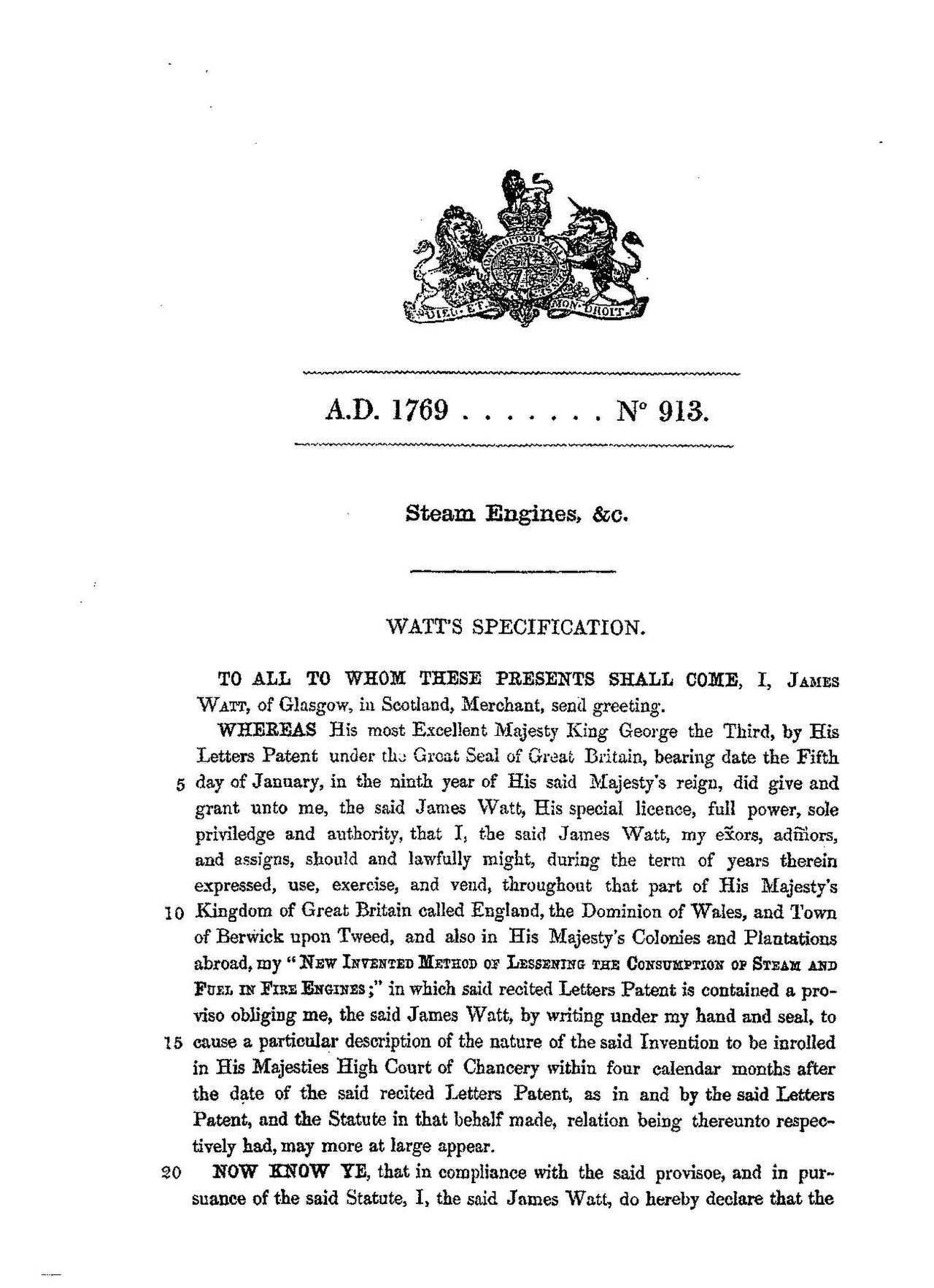 Document
Primary source
James Watt Patent No. 913
James Watt · 1769 (reprinted 1855)
 Artifact
Primary source
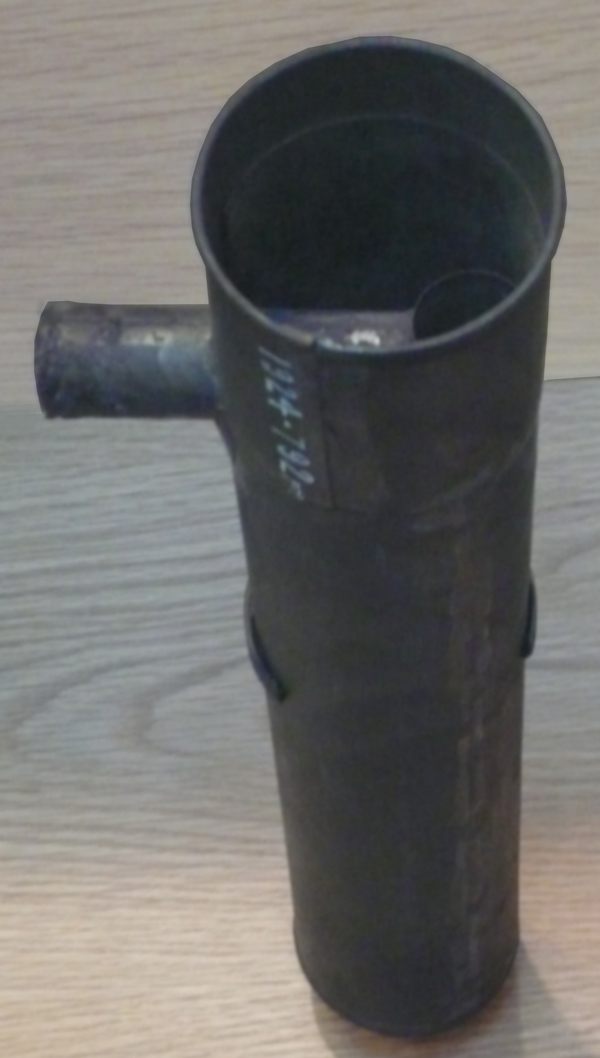
Watt's First Condenser
James Watt · c. 1765
 Artifact
Primary source
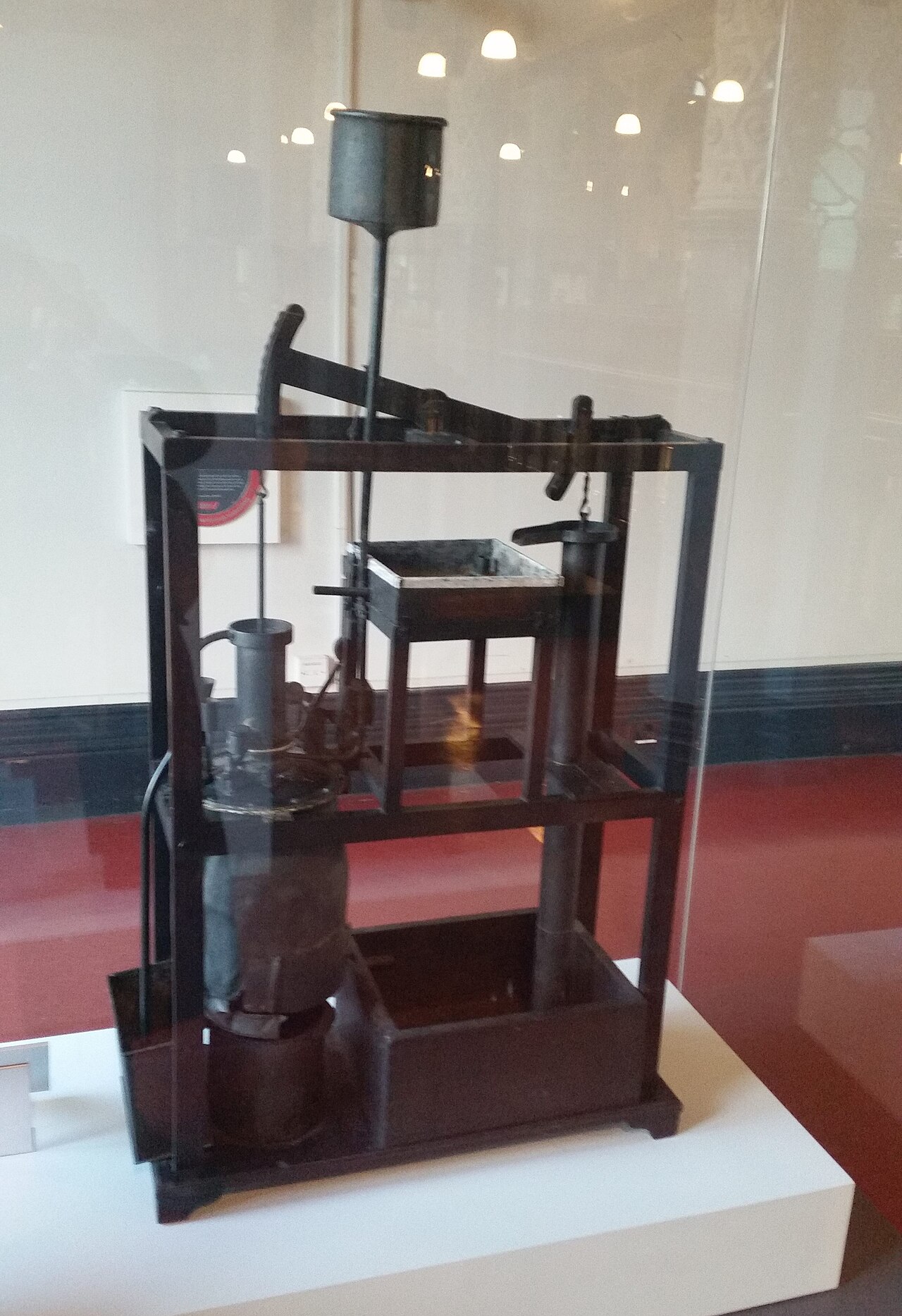
Model Newcomen Engine Repaired by James Watt
Unknown maker (repaired by James Watt) · c. 1760
 Artifact
Primary source
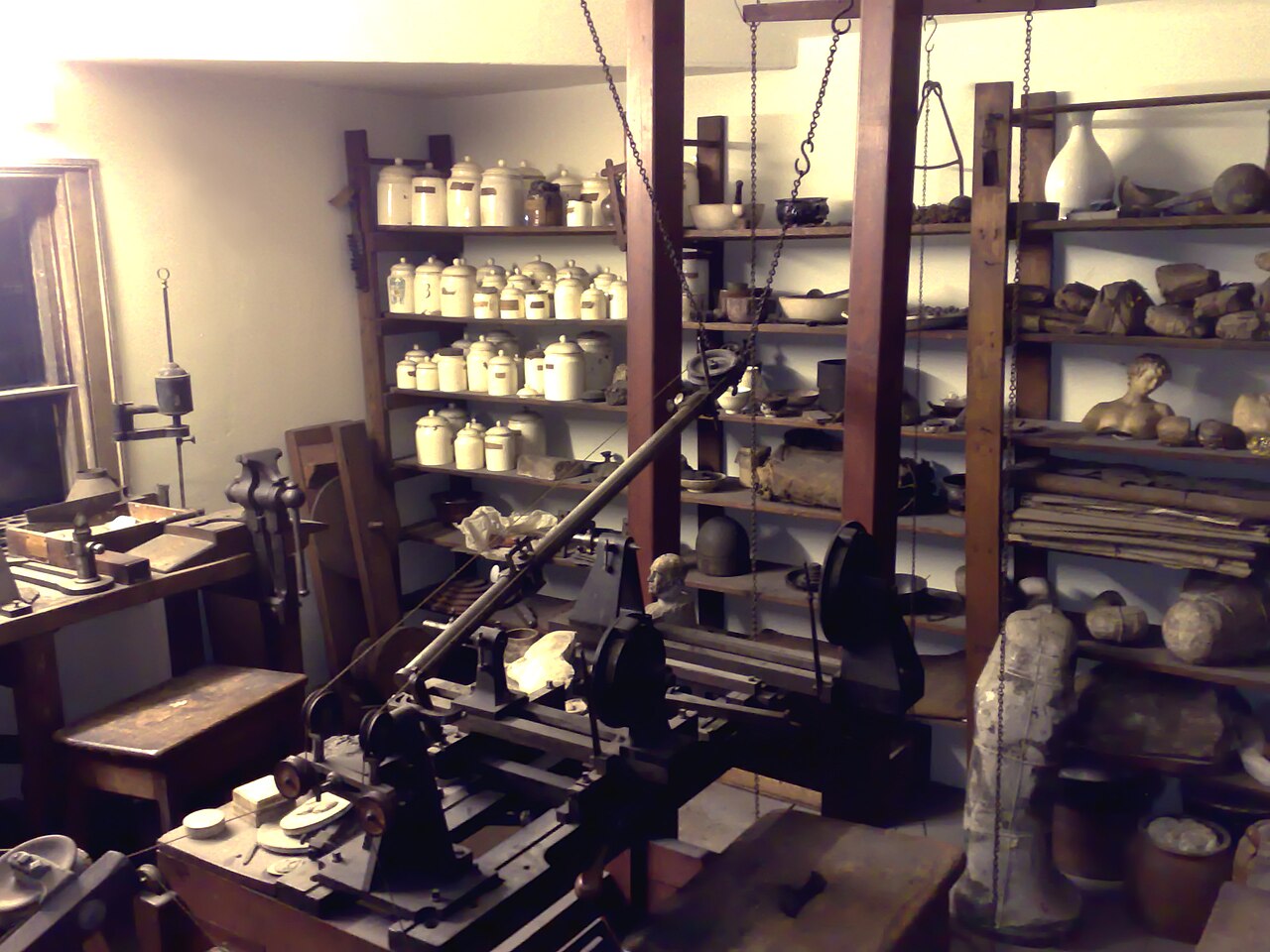
James Watt's Workshop
 Artifact
Primary source
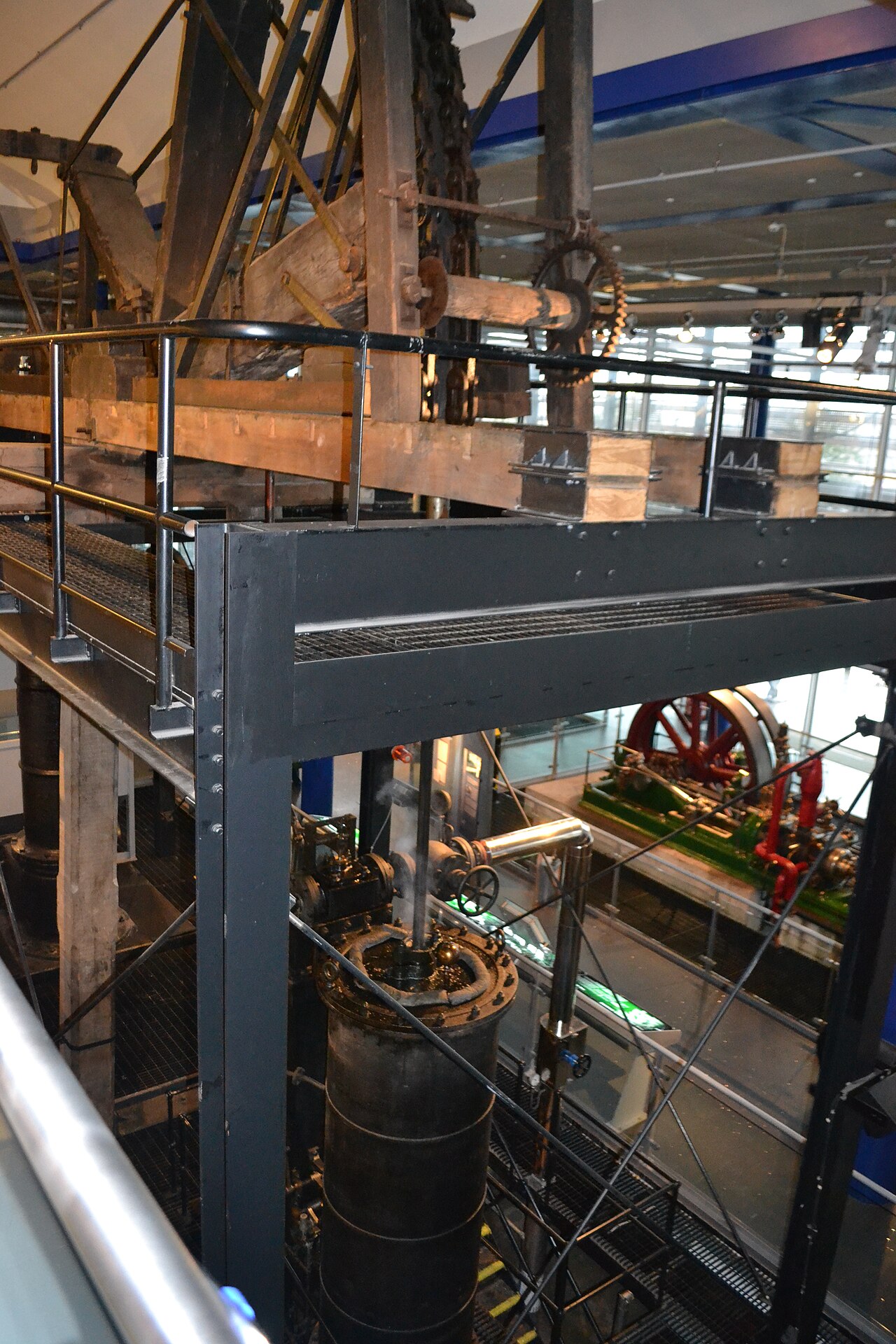
Smethwick Engine
James Watt · 1779
Ready when you are
Start chatting with James Watt now.
20 messages free · No credit card · Available in 50+ languages.