


Secondary sourcePainting1858-1862
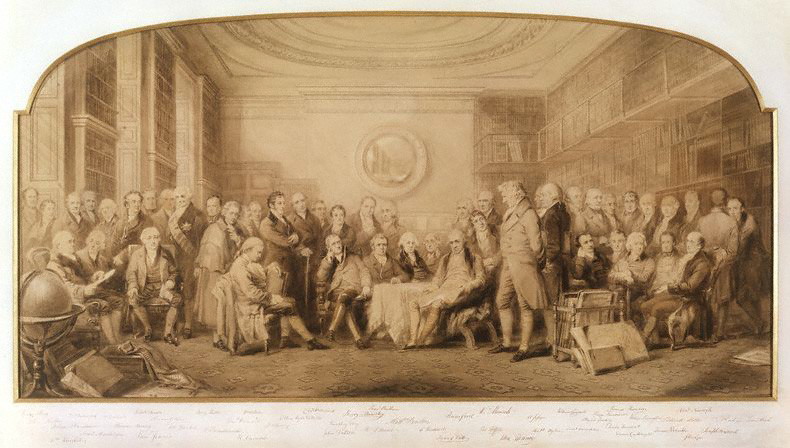
Men of Science Living in 1807-8
Sir John Gilbert, Frederick John Skill, William Walker and Elizabeth Walker · 1858-1862
A Victorian group drawing imagining James Watt among other scientific figures of his era, made decades after the fact.
This later imagined group portrait places Watt among a pantheon of scientific contemporaries.
About this source
What it is
This pencil and wash drawing, made between 1858 and 1862 by Sir John Gilbert, Frederick John Skill, William Walker and Elizabeth Walker, imagines a gathering of "Men of Science Living in 1807-8," including James Watt. It is held by the National Portrait Gallery in London.
Why it matters
Because it was created decades after the date it depicts, this image is not a record of an actual event but a later Victorian imagining of a golden age of British science. It shows how Watt and his contemporaries were grouped together and celebrated as a national scientific pantheon long after their lifetimes.
Look closer
- Since this scene was drawn decades after 1807-8, what does that tell us about whether it shows a real event?
- Why might artists have wanted to imagine these scientific figures together in one room?
- What does grouping Watt with other men of science suggest about how Victorians wanted to tell the story of scientific progress?
This painting is part of the curated material that grounds the AI version of James Watt on Humy.ai — when students ask about related events, the AI can quote it and cite it.
More James Watt sources
Meet the AI James Watt →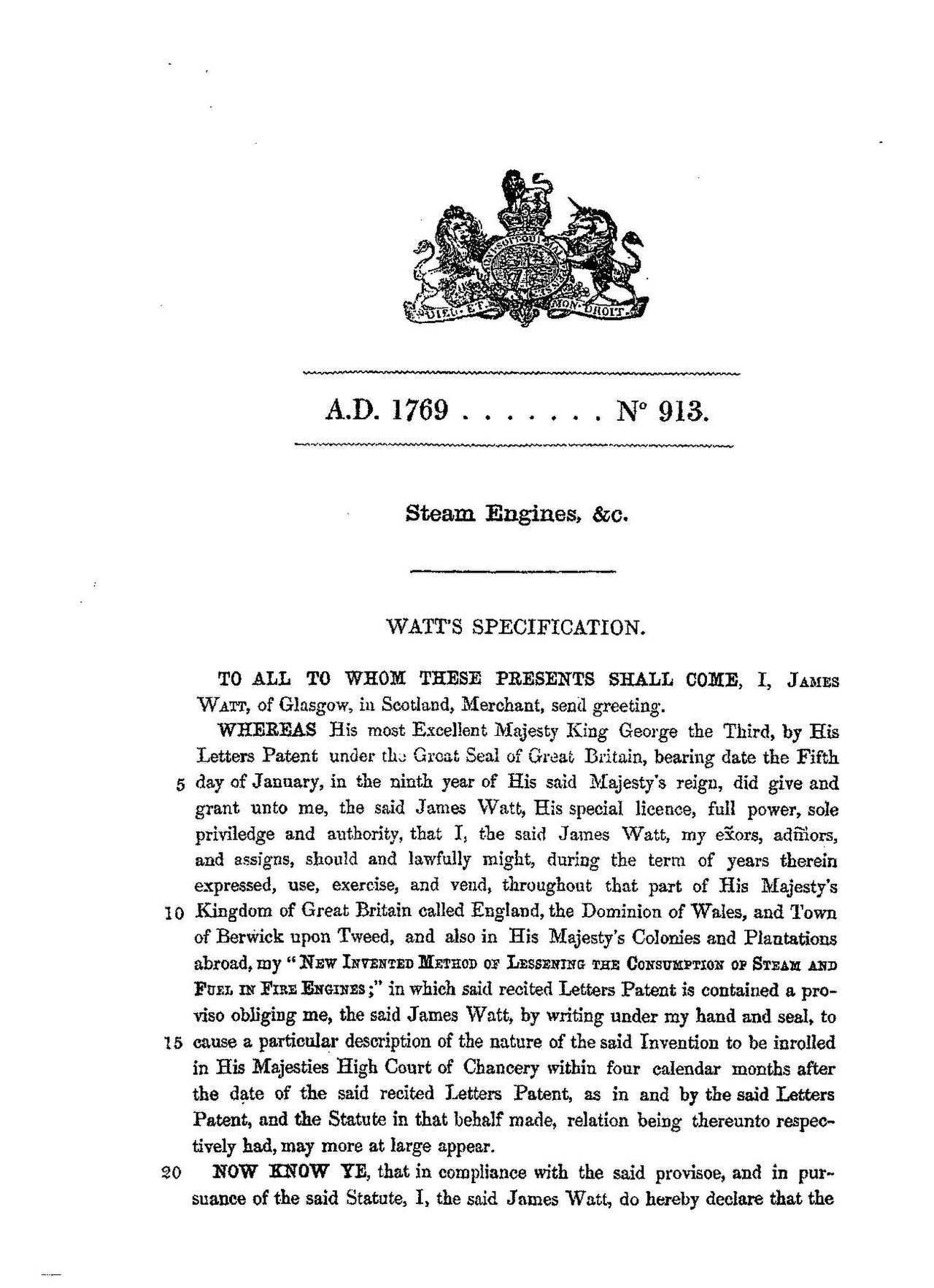 Document
Primary source
James Watt Patent No. 913
James Watt · 1769 (reprinted 1855)
 Artifact
Primary source
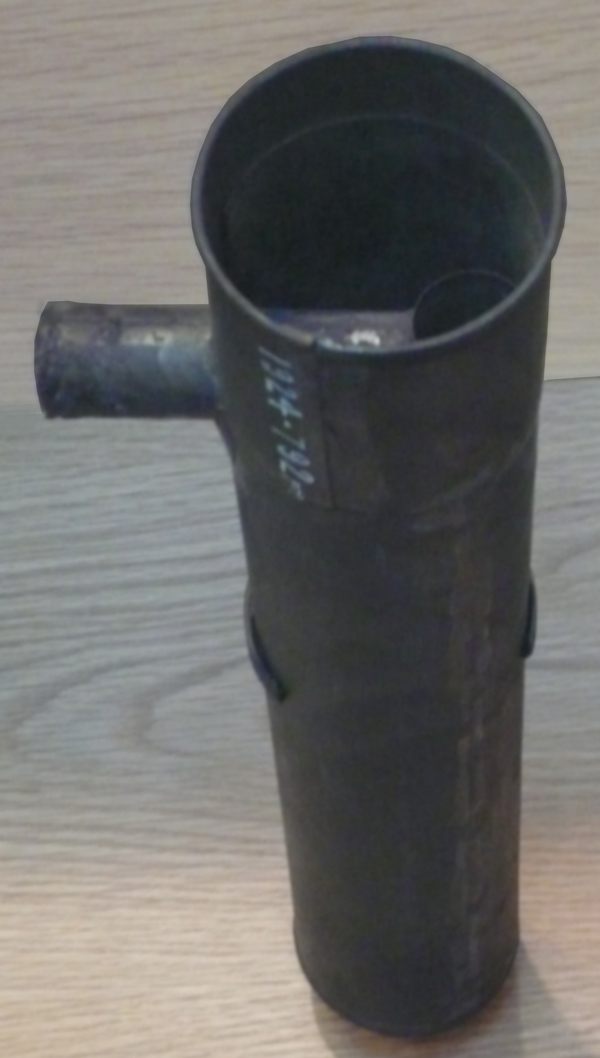
Watt's First Condenser
James Watt · c. 1765
 Artifact
Primary source
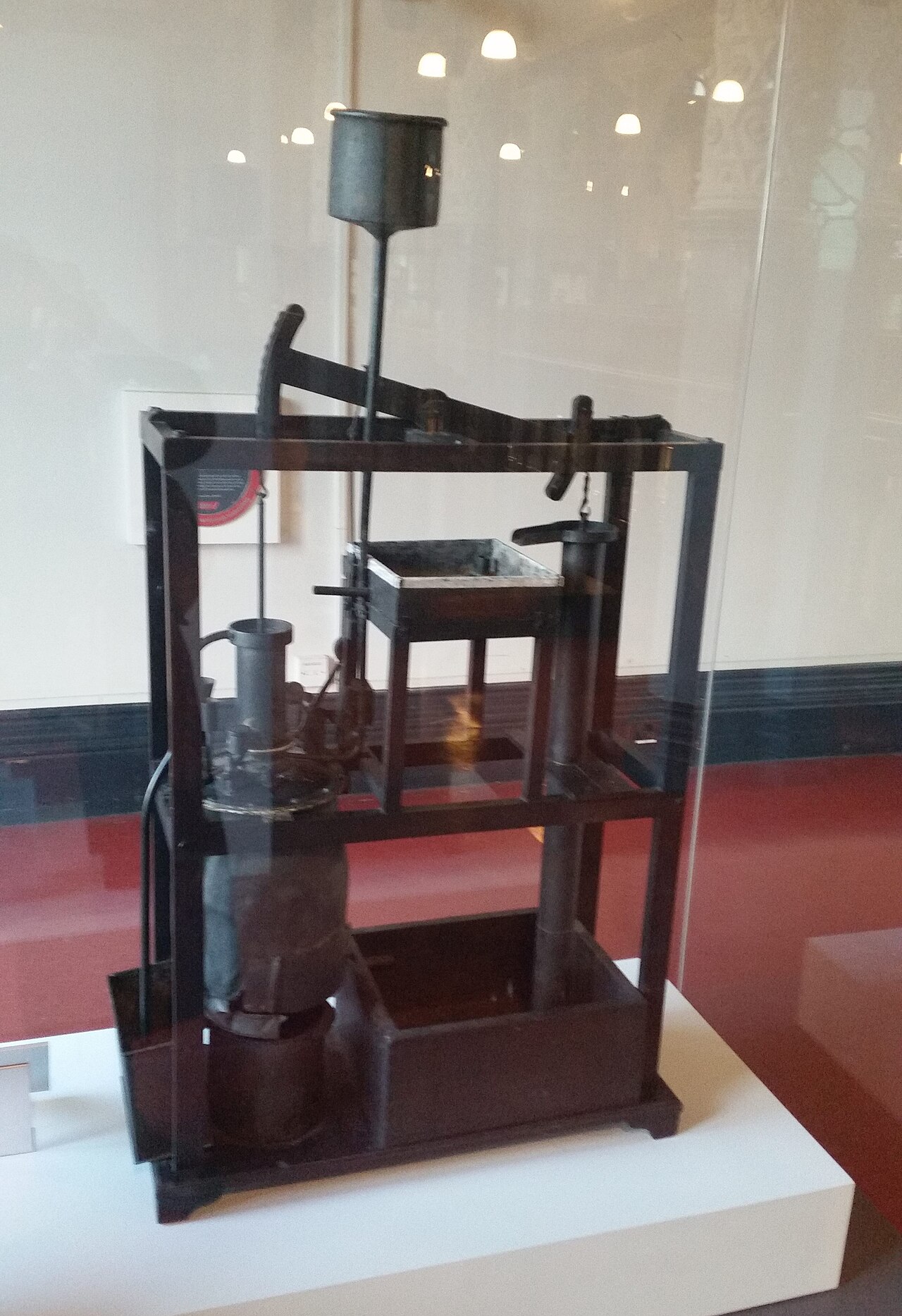
Model Newcomen Engine Repaired by James Watt
Unknown maker (repaired by James Watt) · c. 1760
 Artifact
Primary source
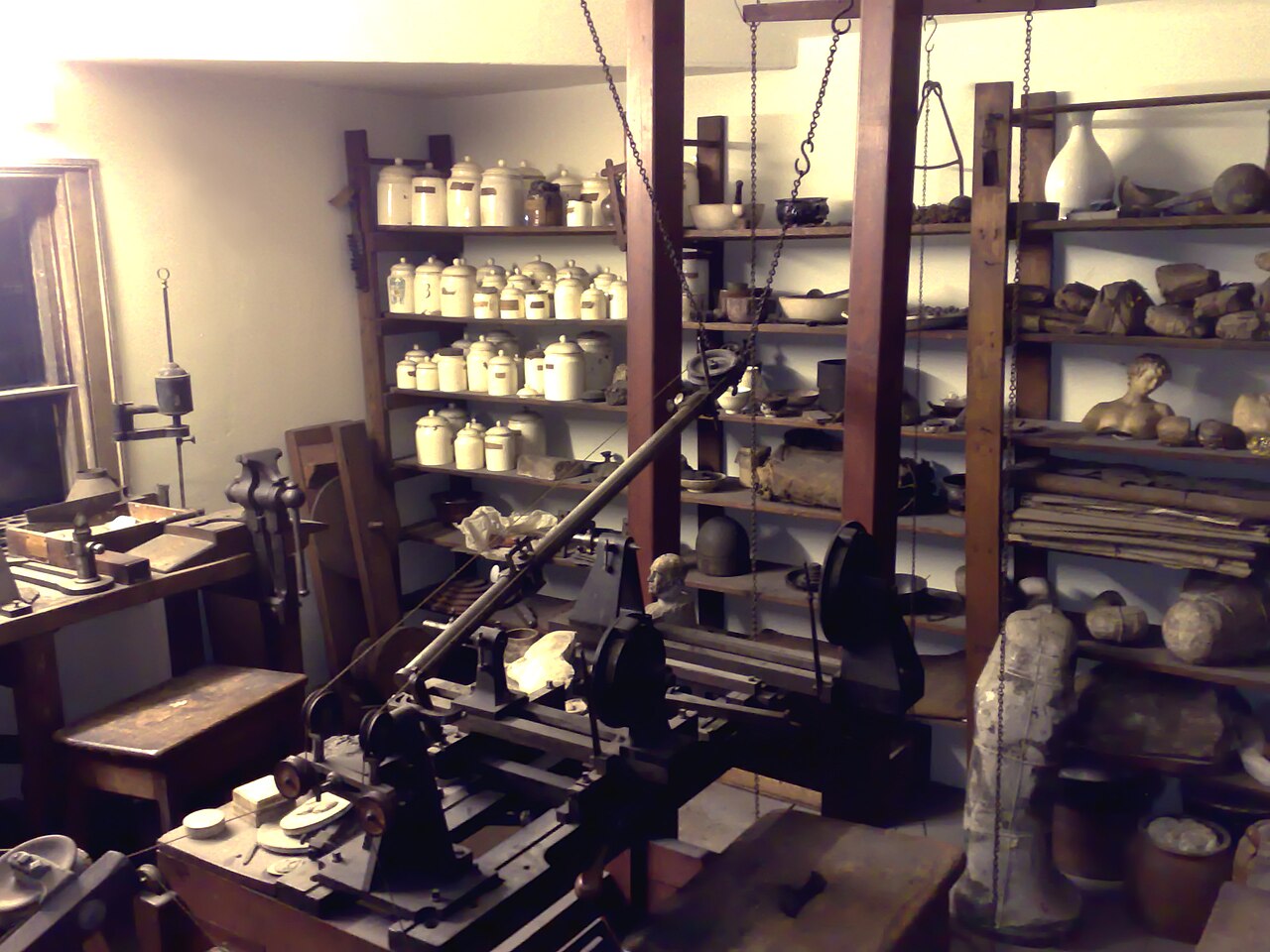
James Watt's Workshop
 Artifact
Primary source
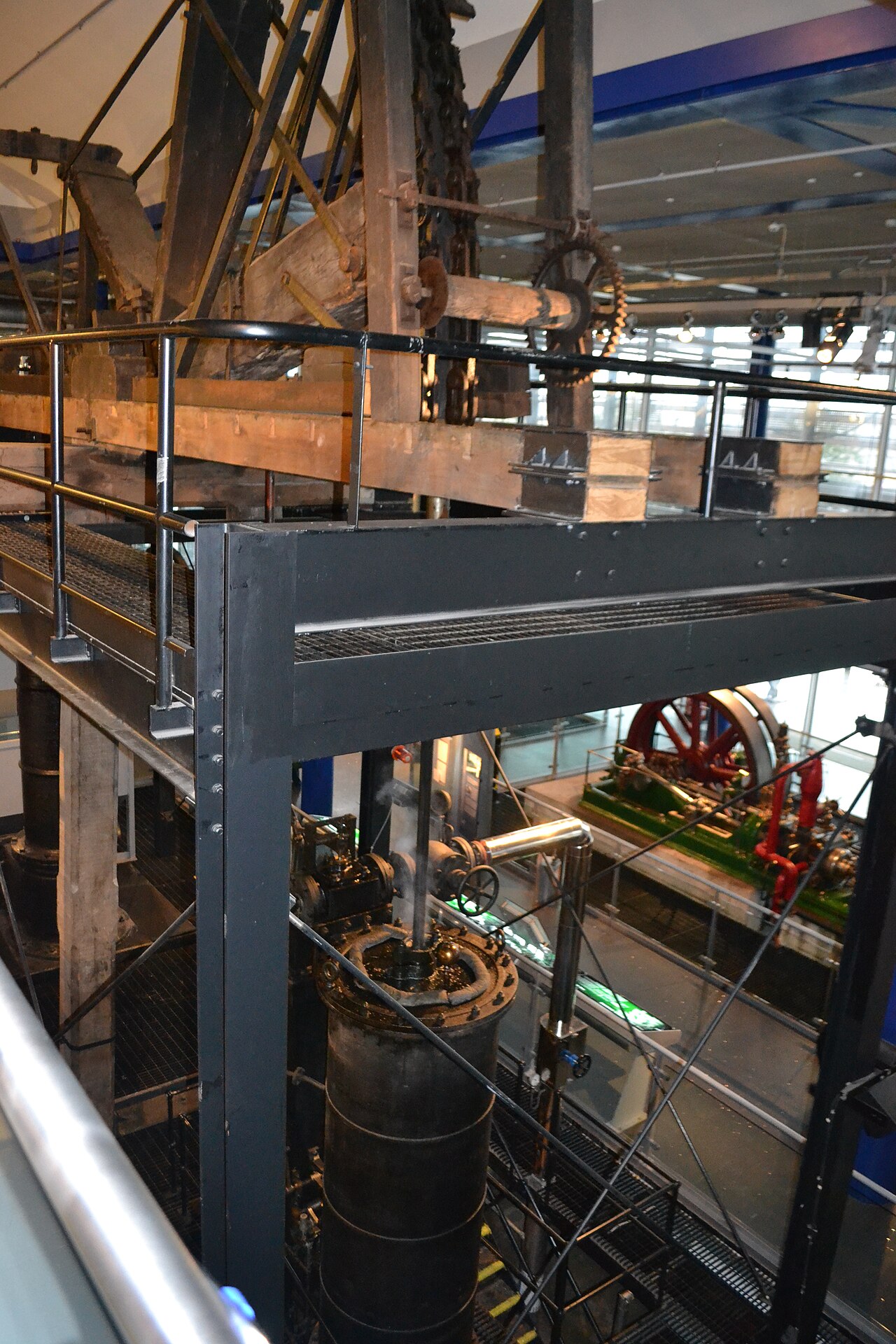
Smethwick Engine
James Watt · 1779
Ready when you are
Start chatting with James Watt now.
20 messages free · No credit card · Available in 50+ languages.