


Secondary sourcePainting1855
James Watt and the Steam Engine: the Dawn of the Nineteenth Century
James Eckford Lauder · 1855
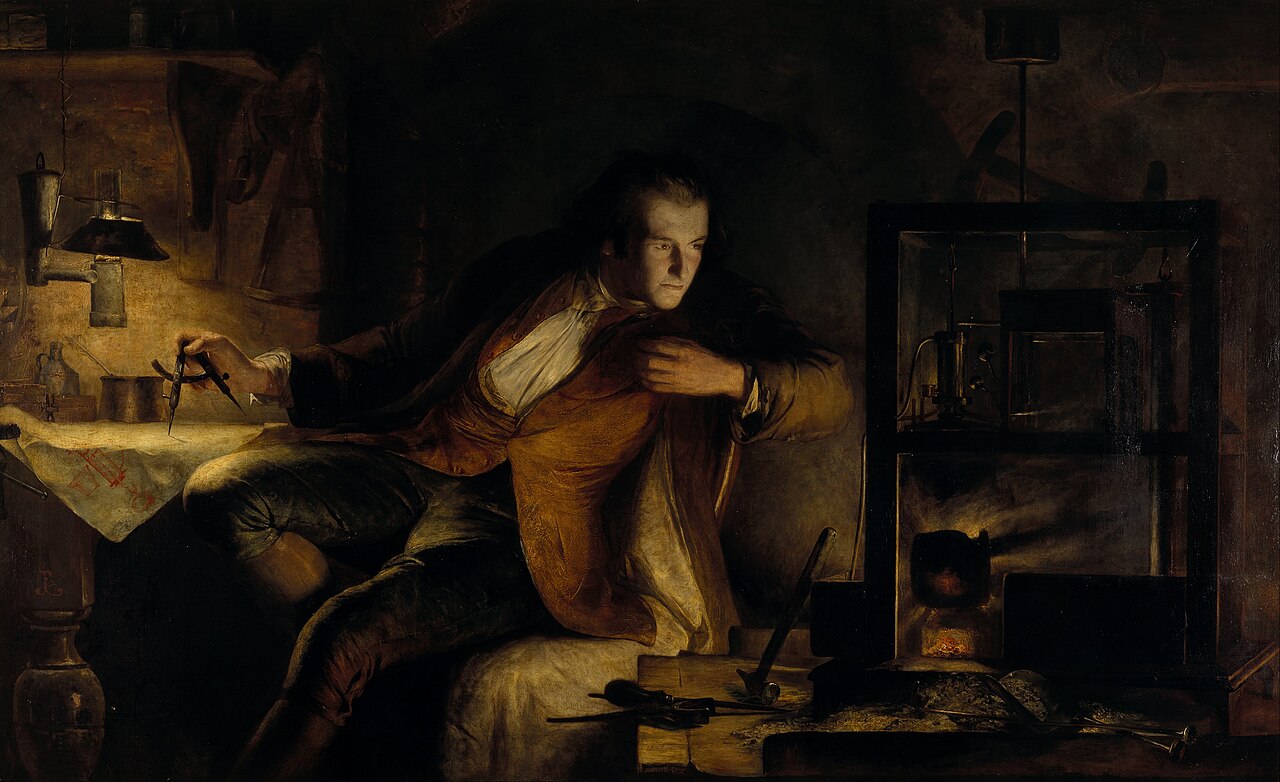
An 1855 painting imagining Watt at work by candlelight with his engine model nearby, created decades after his death to celebrate him as a heroic inventor.
This later painting imagines Watt at work, showing how he was mythologised as a heroic inventor after his death.
About this source
What it is
This is an oil painting by the Scottish artist James Eckford Lauder, made in 1855. It shows a seated man holding a pair of compasses at a candlelit table, with papers around him and a glowing furnace and a cased steam engine model nearby.
Why it matters
Lauder painted this image of James Watt long after Watt's death, at a time when Victorian Britain liked to celebrate inventors as lone heroes of progress. The painting is not a record of a real event but a dramatised, imagined scene meant to inspire admiration.
Look closer
- What details in the painting suggest genius or inspiration, rather than everyday work?
- Why might an artist in 1855 want to paint an inventor who died decades earlier?
- What does this image leave out about the real process of invention, such as collaboration or failure?
This painting is part of the curated material that grounds the AI version of James Watt on Humy.ai — when students ask about related events, the AI can quote it and cite it.
More James Watt sources
Meet the AI James Watt →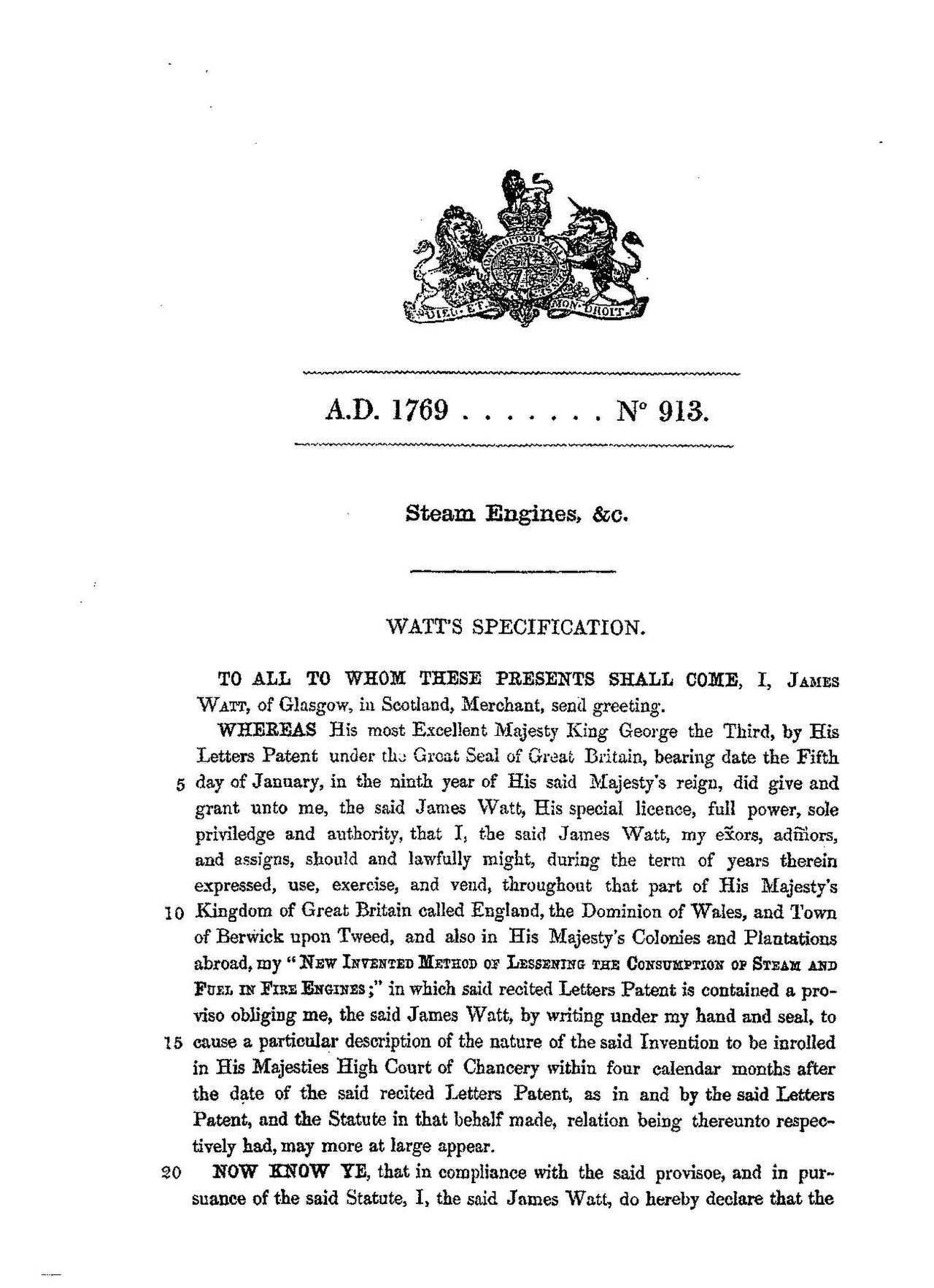 Document
Primary source
James Watt Patent No. 913
James Watt · 1769 (reprinted 1855)
 Artifact
Primary source
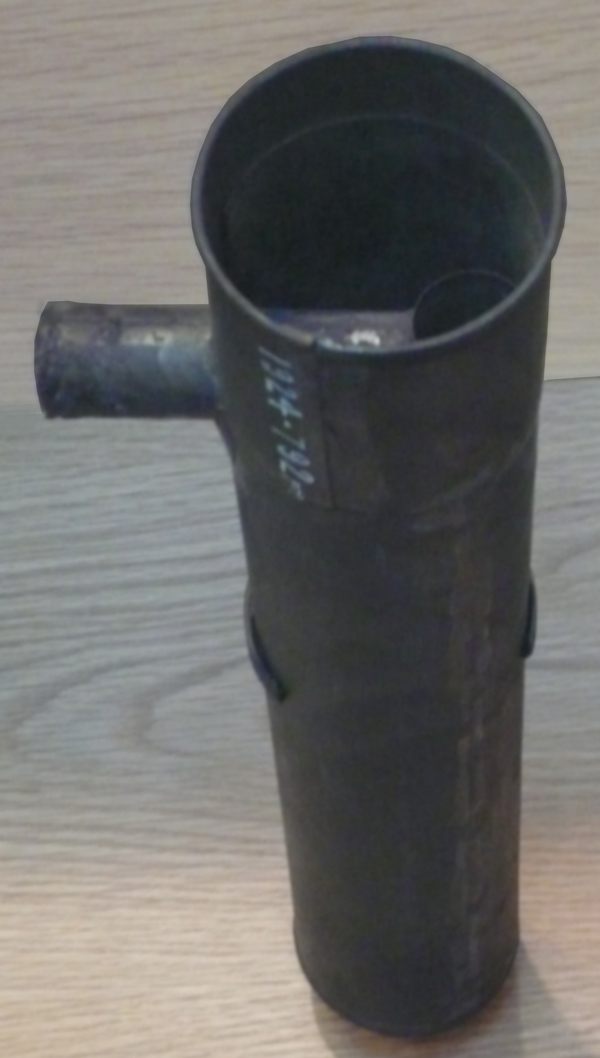
Watt's First Condenser
James Watt · c. 1765
 Artifact
Primary source
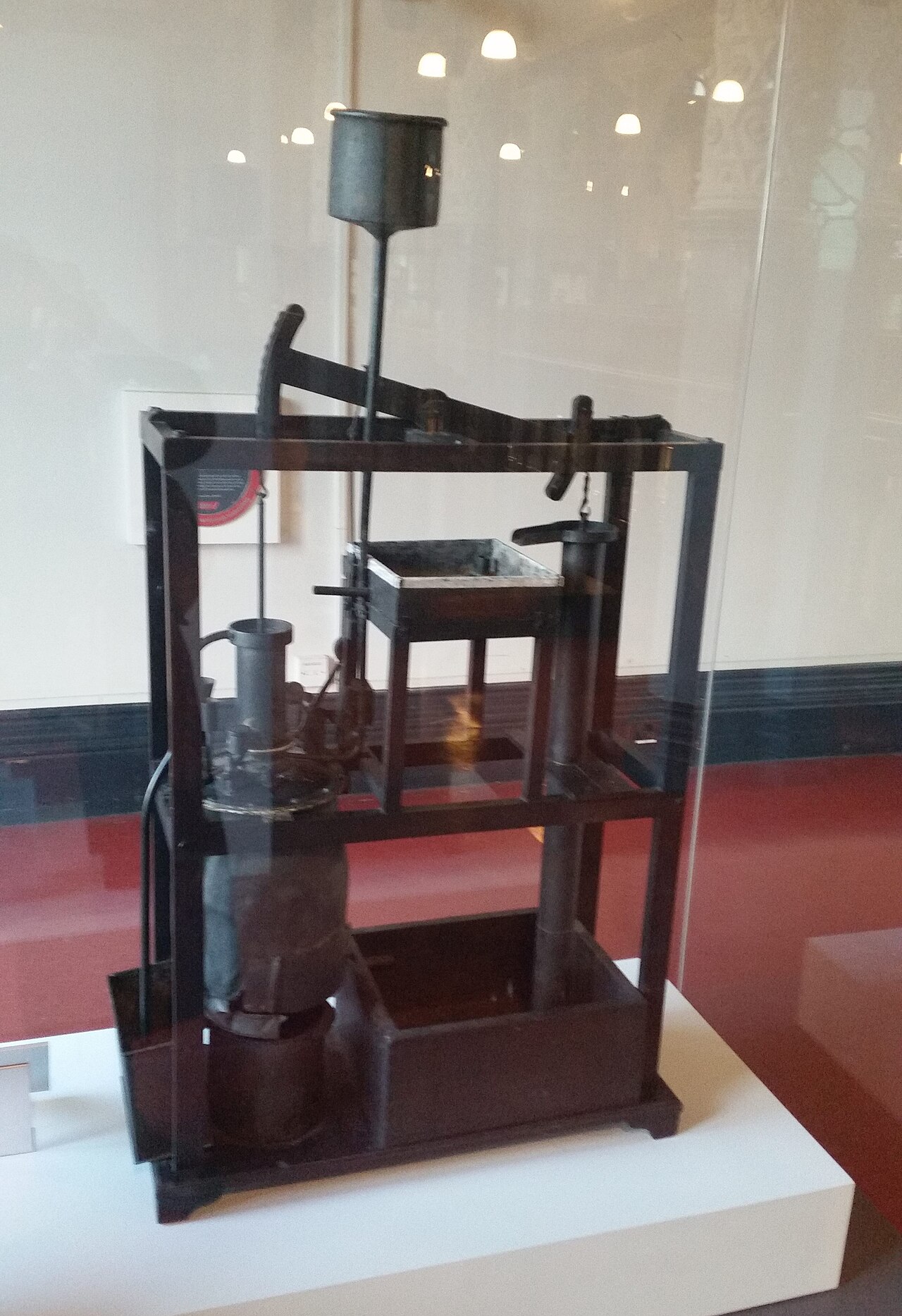
Model Newcomen Engine Repaired by James Watt
Unknown maker (repaired by James Watt) · c. 1760
 Artifact
Primary source
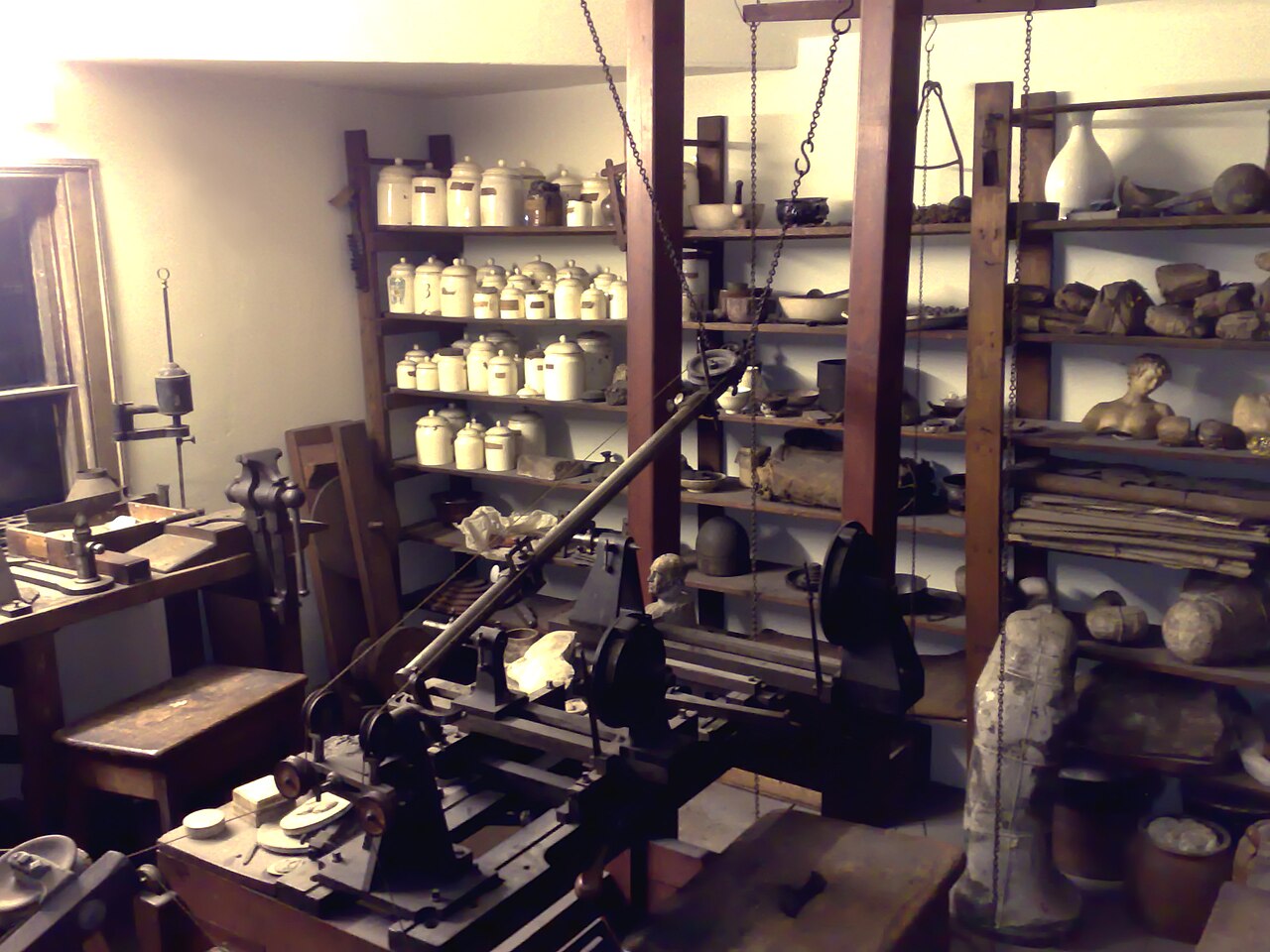
James Watt's Workshop
 Artifact
Primary source
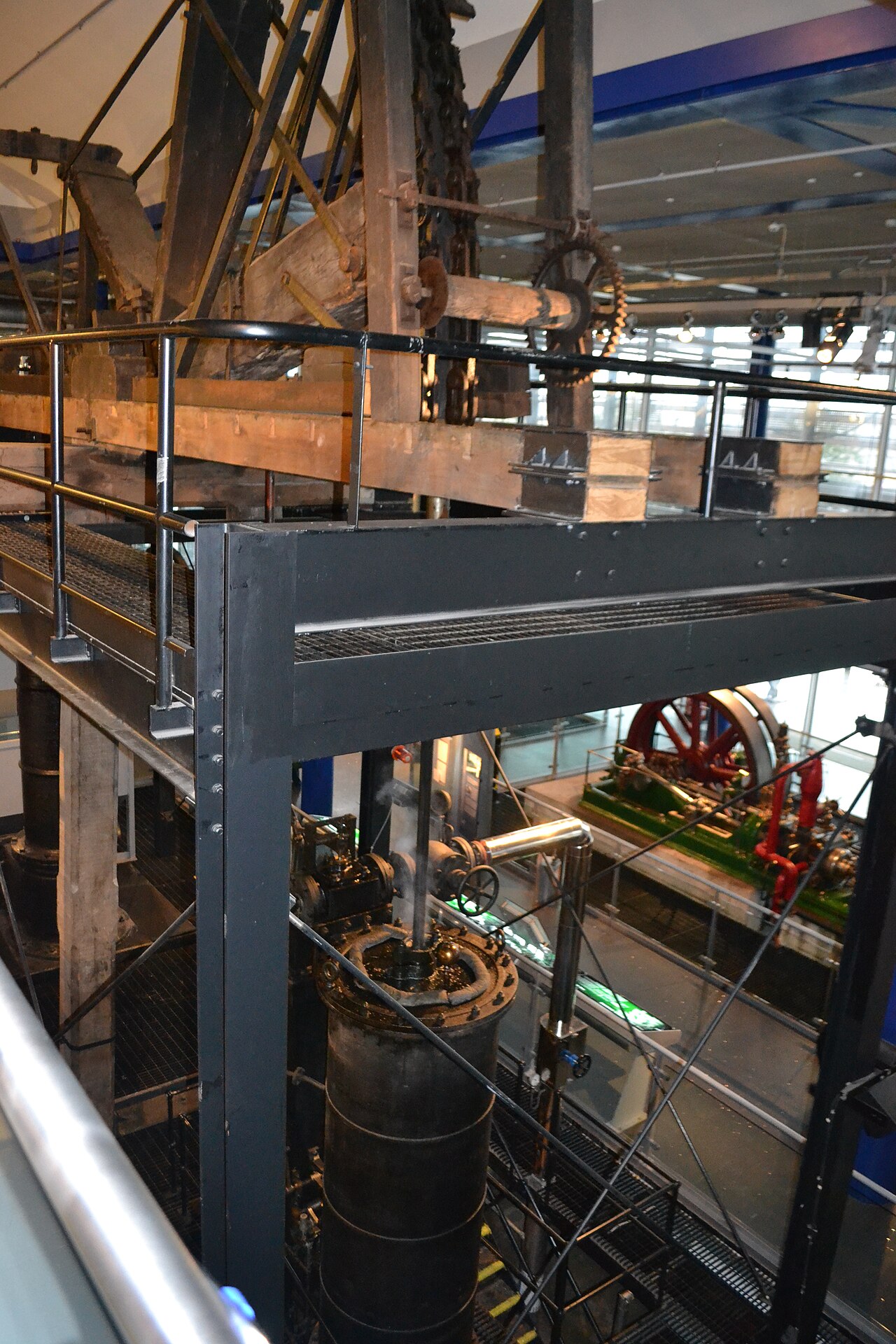
Smethwick Engine
James Watt · 1779
Ready when you are
Start chatting with James Watt now.
20 messages free · No credit card · Available in 50+ languages.