


Primary sourceBook1780
Directions for Using the Copying Machine
James Watt and Company · 1780
A 1780 set of instructions for the copying machine made and sold by James Watt and Company of Birmingham, scanned by the Internet Archive.
Shows the firm Watt ran with Boulton producing practical equipment, with its own printed instructions for the copying machine.
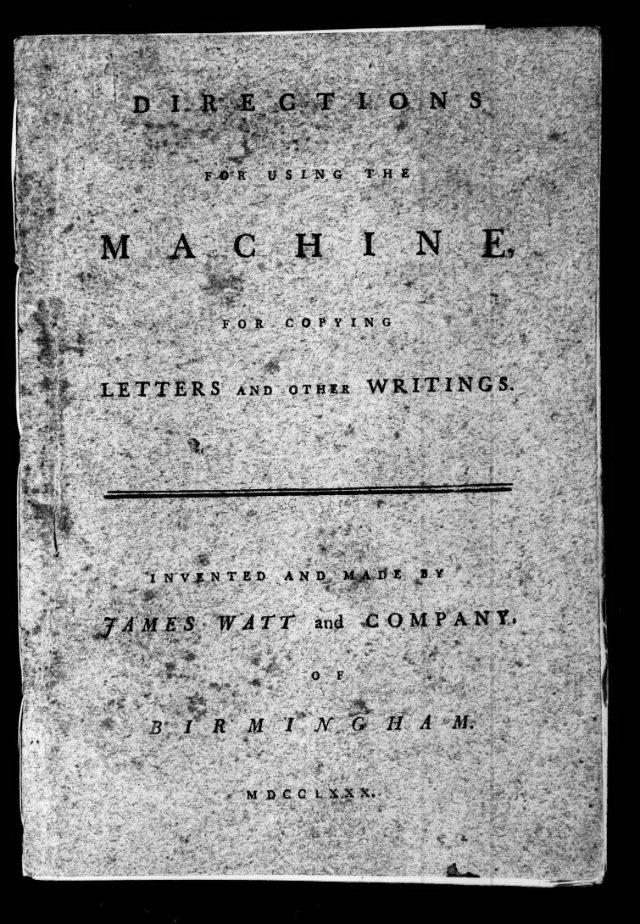 PDF · 24 pages
About this source
What it is
This is a printed set of directions for using a machine for copying letters and other writings. It was invented and made by James Watt and Company of Birmingham and dated 1780. The Internet Archive holds a scanned copy. The scan's text was read automatically, and the opening is mostly garbled, so the printed page images should be checked directly.
Why it matters
The copying machine was made by the firm that Watt ran with Matthew Boulton in Birmingham. Its instructions show that the business made practical equipment as well as steam engines. A machine for copying letters let merchants and offices keep records of their correspondence, which reflects the growing paperwork of the period.
Look closer
- Why would a company print instructions for a machine like this?
- Who would have needed to copy letters in 1780, and why?
- What does this short document leave out about how the machine was actually made or sold?
This book is part of the curated material that grounds the AI version of James Watt on Humy.ai — when students ask about related events, the AI can quote it and cite it.
More James Watt sources
Meet the AI James Watt →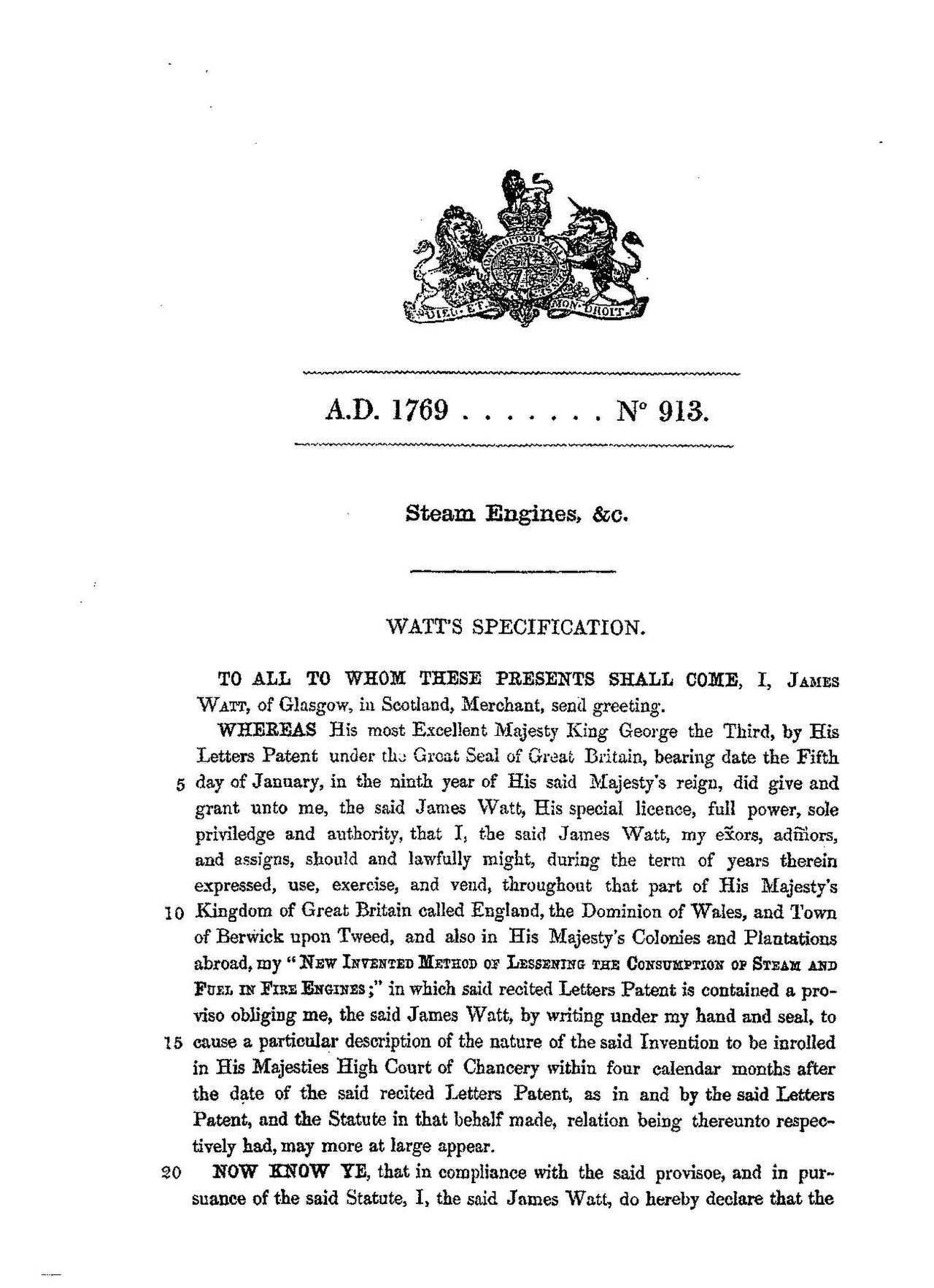 Document
Primary source
James Watt Patent No. 913
James Watt · 1769 (reprinted 1855)
 Artifact
Primary source
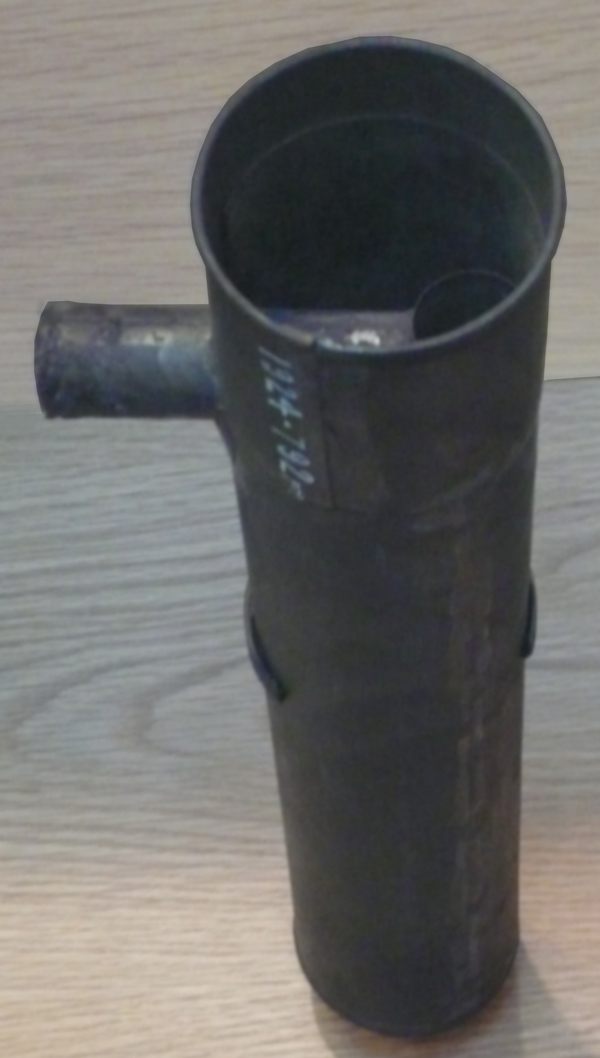
Watt's First Condenser
James Watt · c. 1765
 Artifact
Primary source
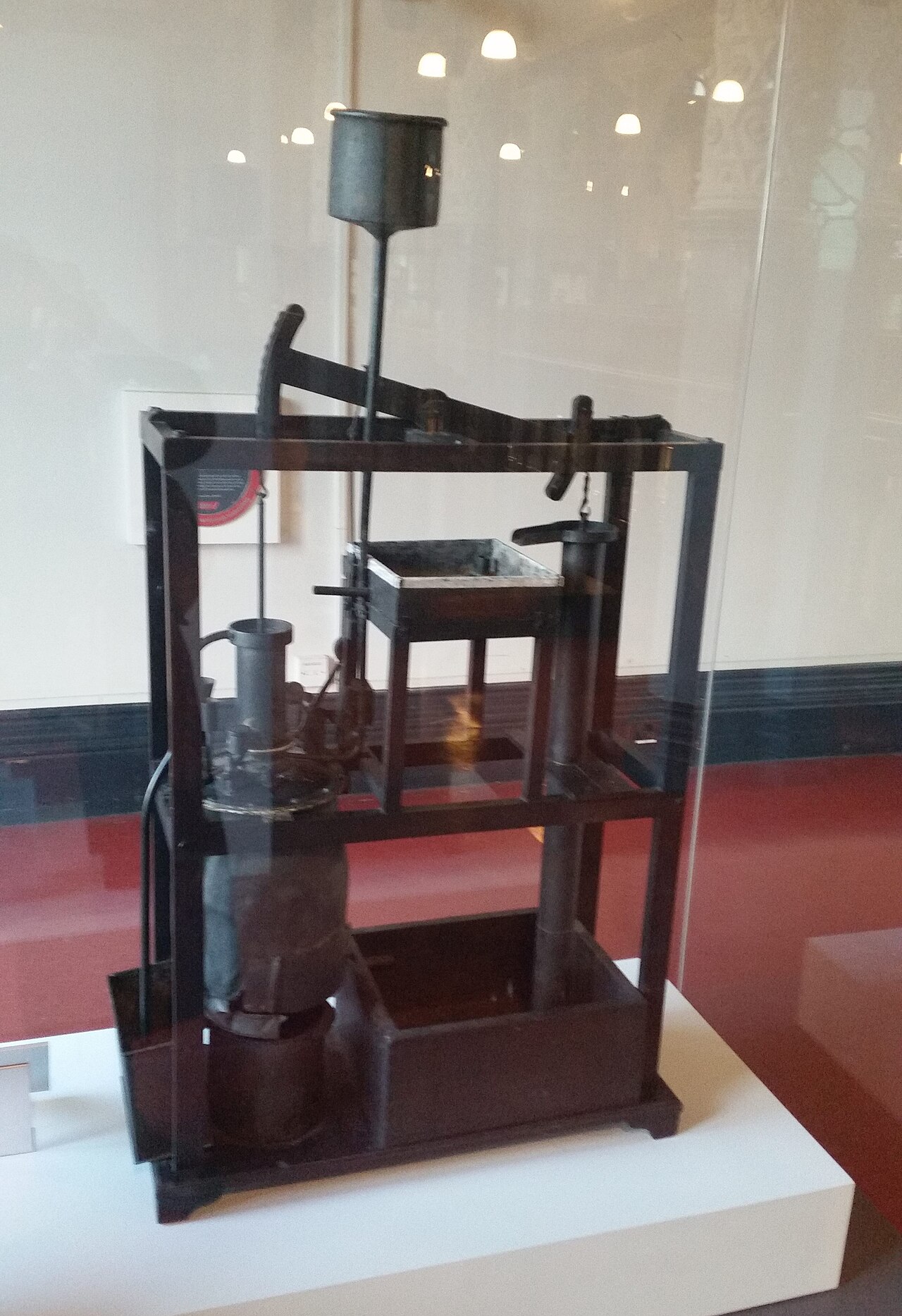
Model Newcomen Engine Repaired by James Watt
Unknown maker (repaired by James Watt) · c. 1760
 Artifact
Primary source
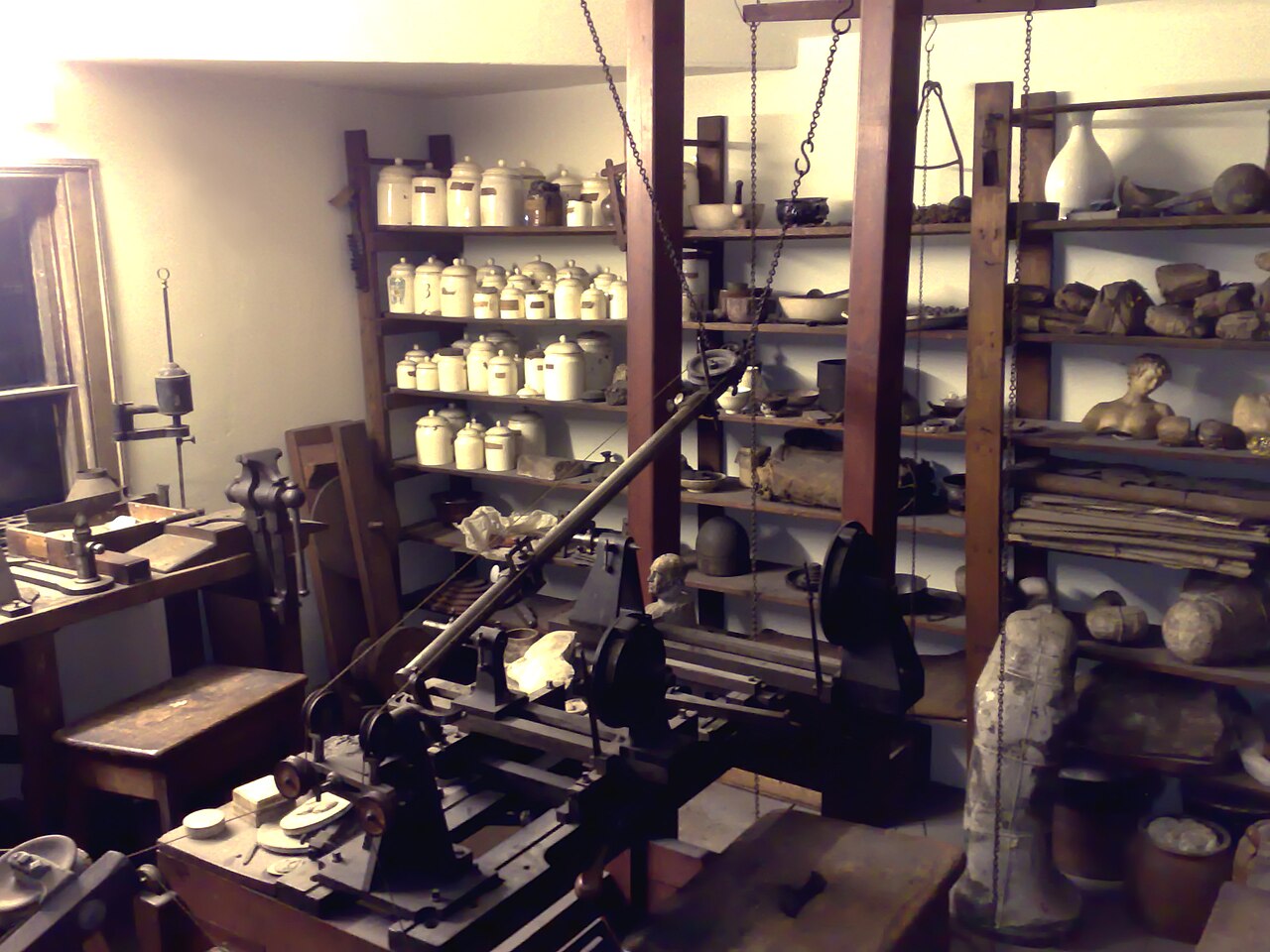
James Watt's Workshop
 Artifact
Primary source
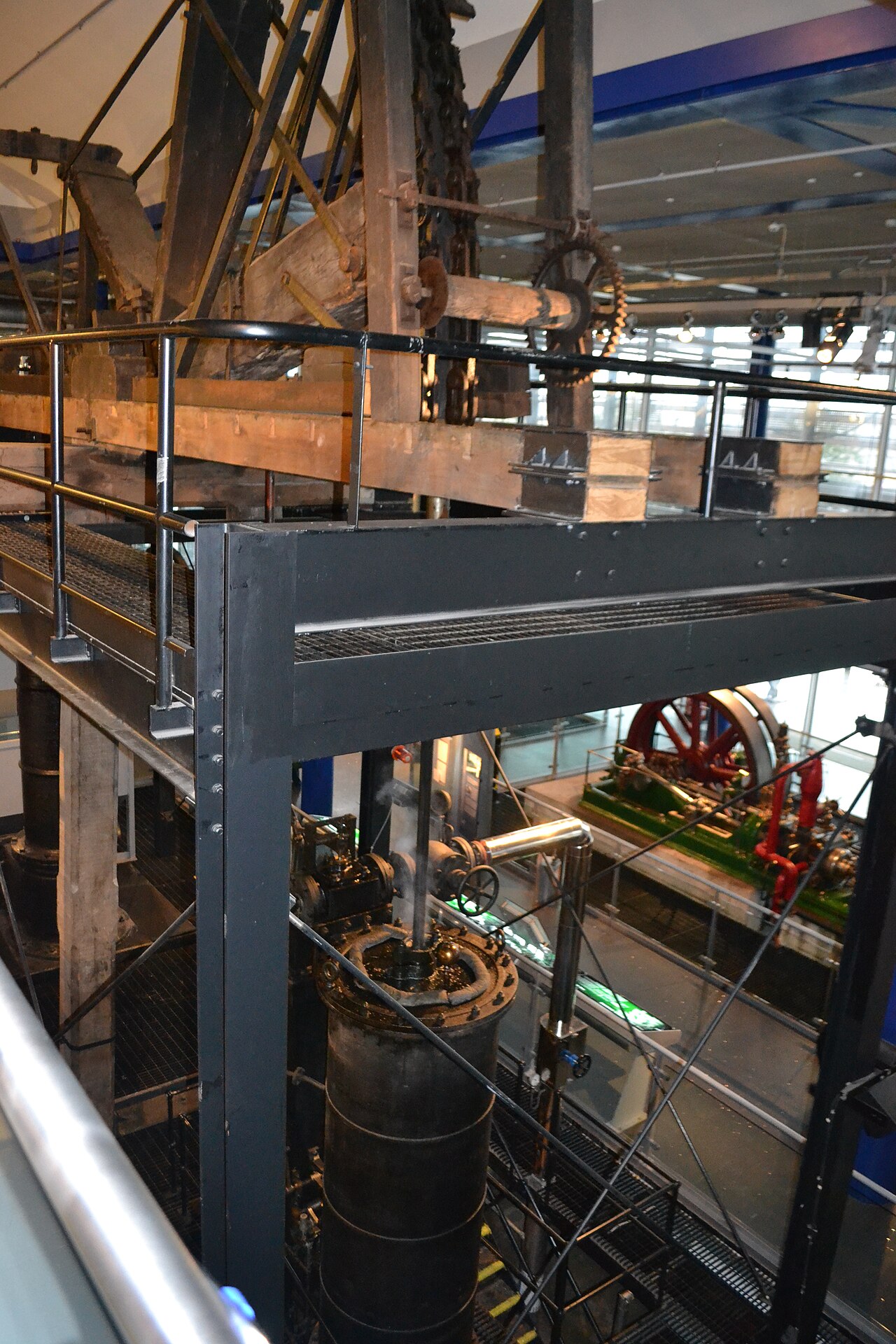
Smethwick Engine
James Watt · 1779
Ready when you are
Start chatting with James Watt now.
20 messages free · No credit card · Available in 50+ languages.