


Primary sourceDocument28 April 1784
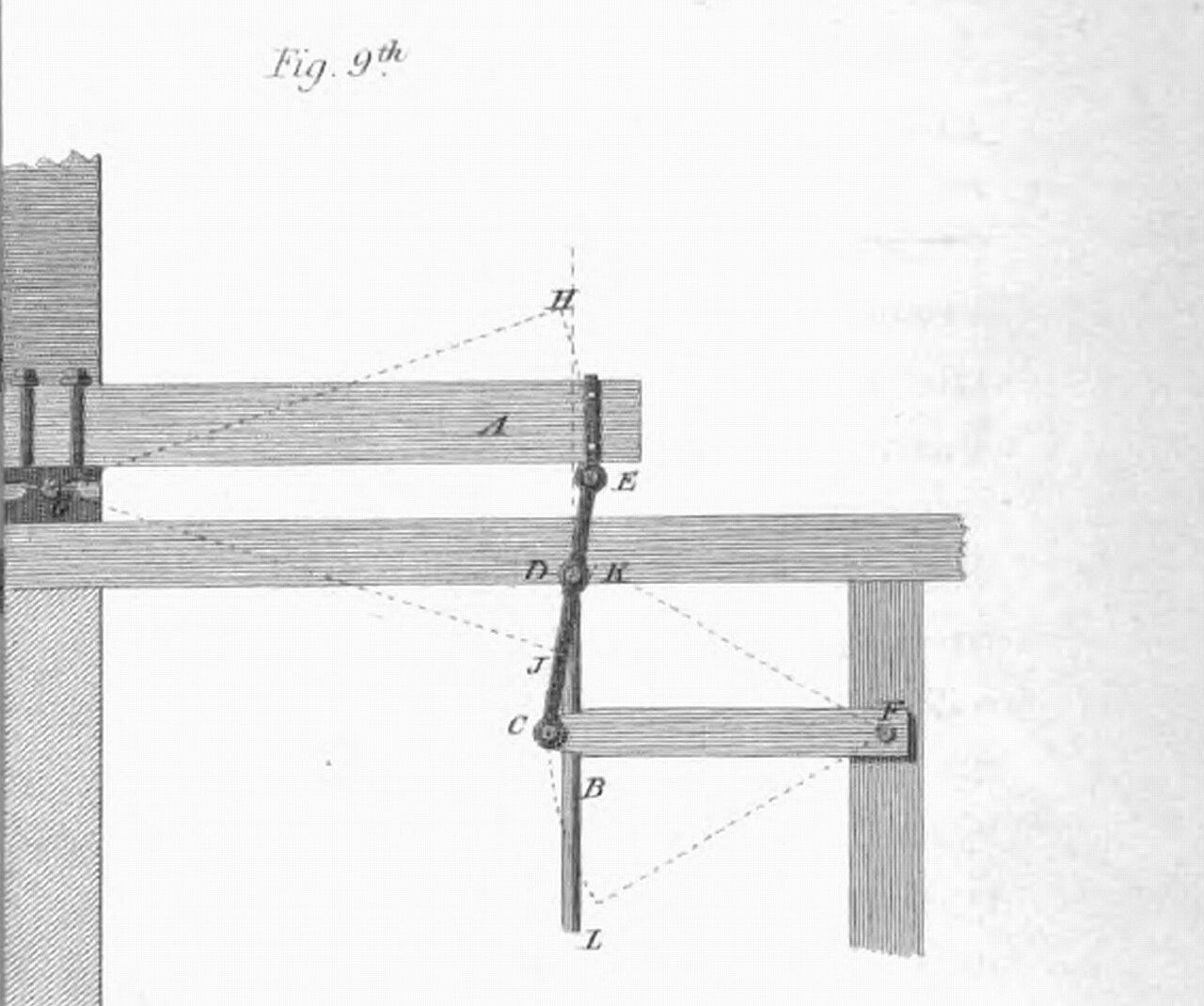
James Watt's Straight-Line Linkage, Patent 1432 Figure
James Watt · 28 April 1784
A technical drawing from Watt's 1784 patent showing his mechanism for guiding the piston rod of a steam engine.
This is a drawing from Watt's own 1784 patent, illustrating his mechanical invention for guiding a piston rod.
About this source
What it is
This engraved figure comes from James Watt's 1784 British patent (No. 1432), granted on 28 April 1784. It shows one of his mechanisms for guiding the upper end of the piston rod in a double-acting steam engine, labelled Figure 9.
Why it matters
Diagrams like this were essential to patents, proving exactly how an invention worked. Watt's steam engine improvements were central to the Industrial Revolution, and this linkage design shows the mechanical ingenuity behind his engines, turning straight-line piston movement into controlled motion.
Look closer
- What do the labelled points and dashed lines tell you about how the parts of the machine move together?
- Why would an engineer need such a precise drawing to accompany a patent application?
- What does this diagram leave out about how the whole engine worked?
This document is part of the curated material that grounds the AI version of James Watt on Humy.ai — when students ask about related events, the AI can quote it and cite it.
More James Watt sources
Meet the AI James Watt →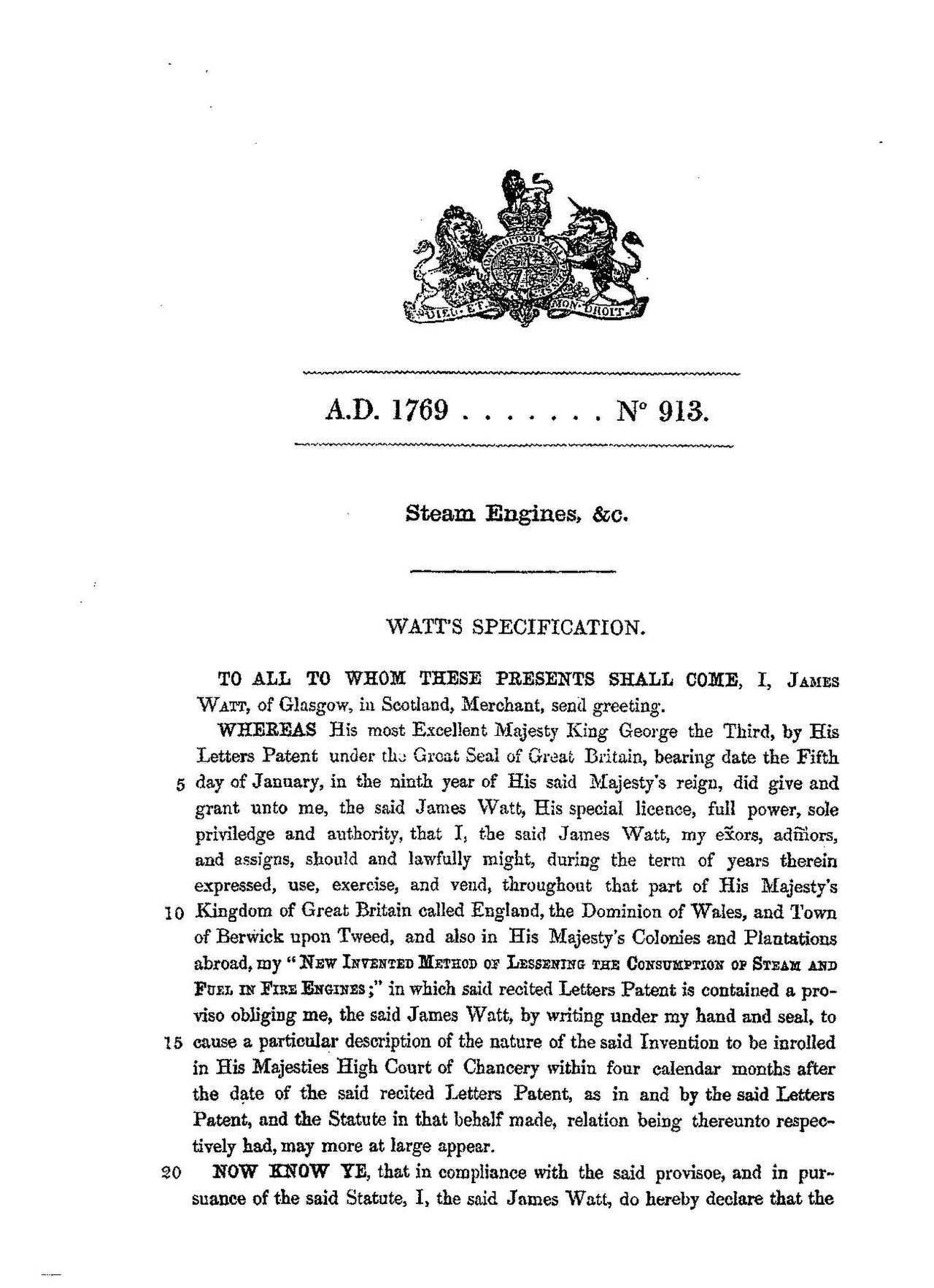 Document
Primary source
James Watt Patent No. 913
James Watt · 1769 (reprinted 1855)
 Artifact
Primary source
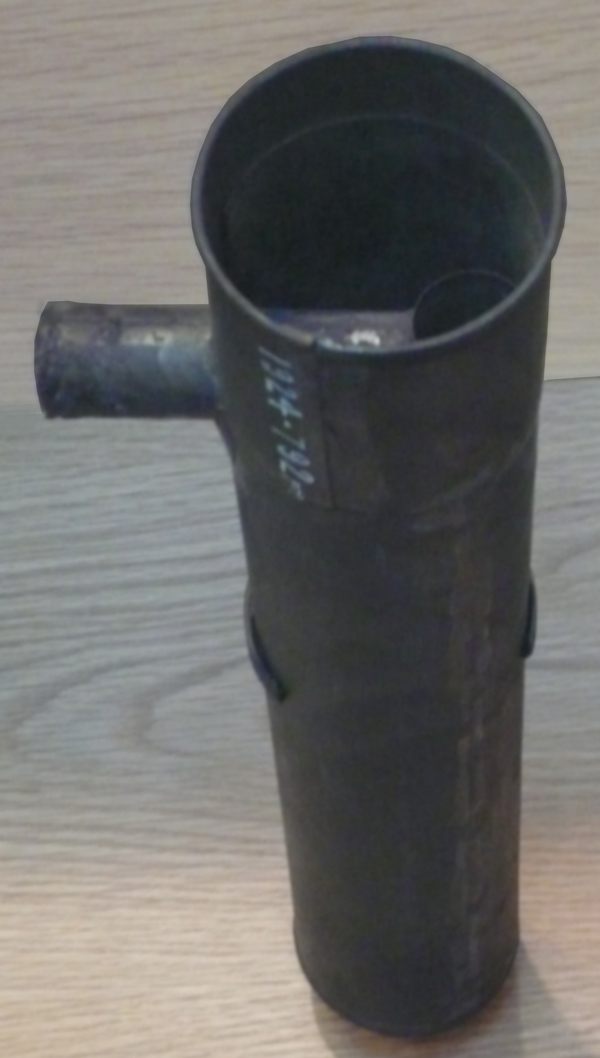
Watt's First Condenser
James Watt · c. 1765
 Artifact
Primary source
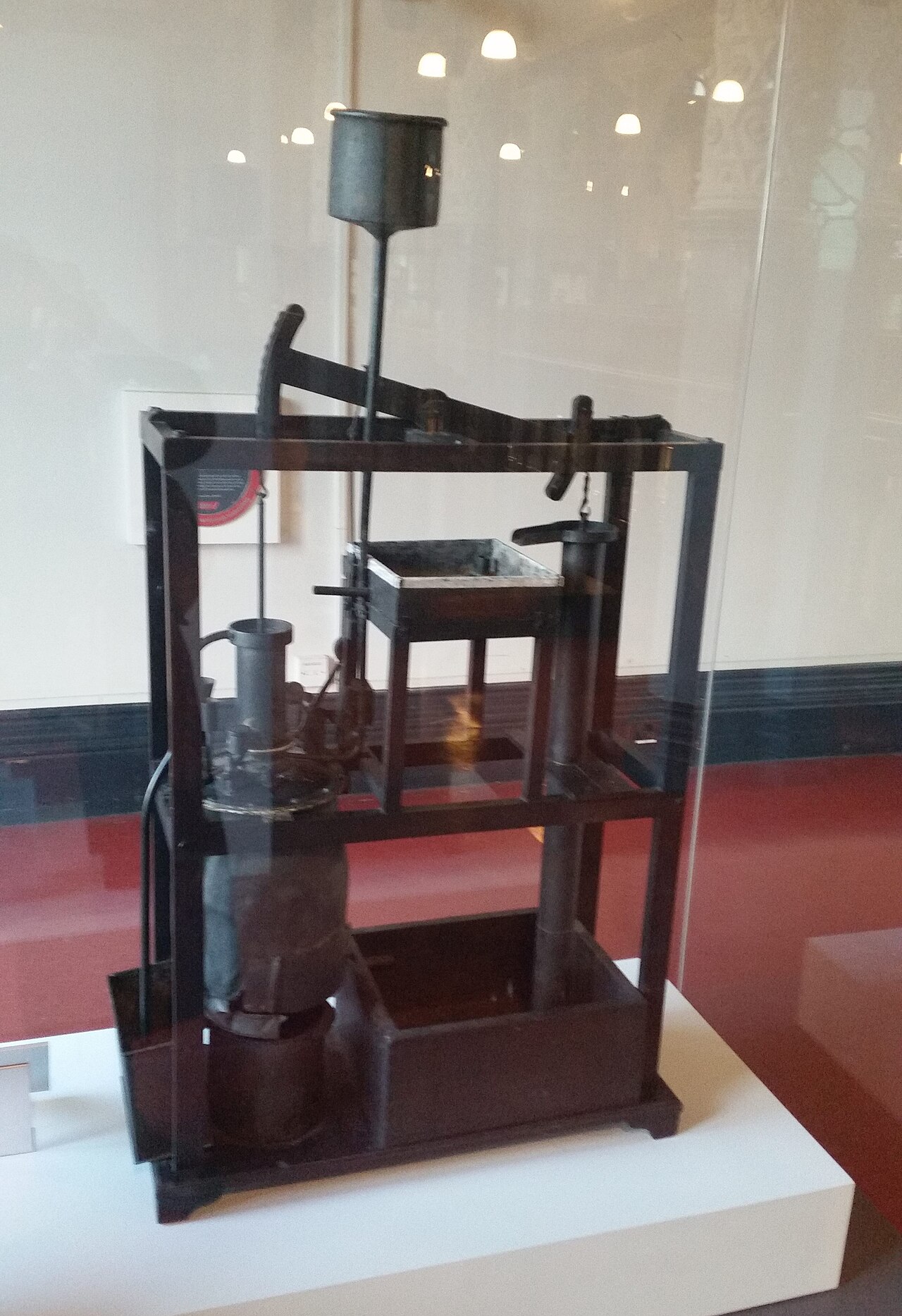
Model Newcomen Engine Repaired by James Watt
Unknown maker (repaired by James Watt) · c. 1760
 Artifact
Primary source
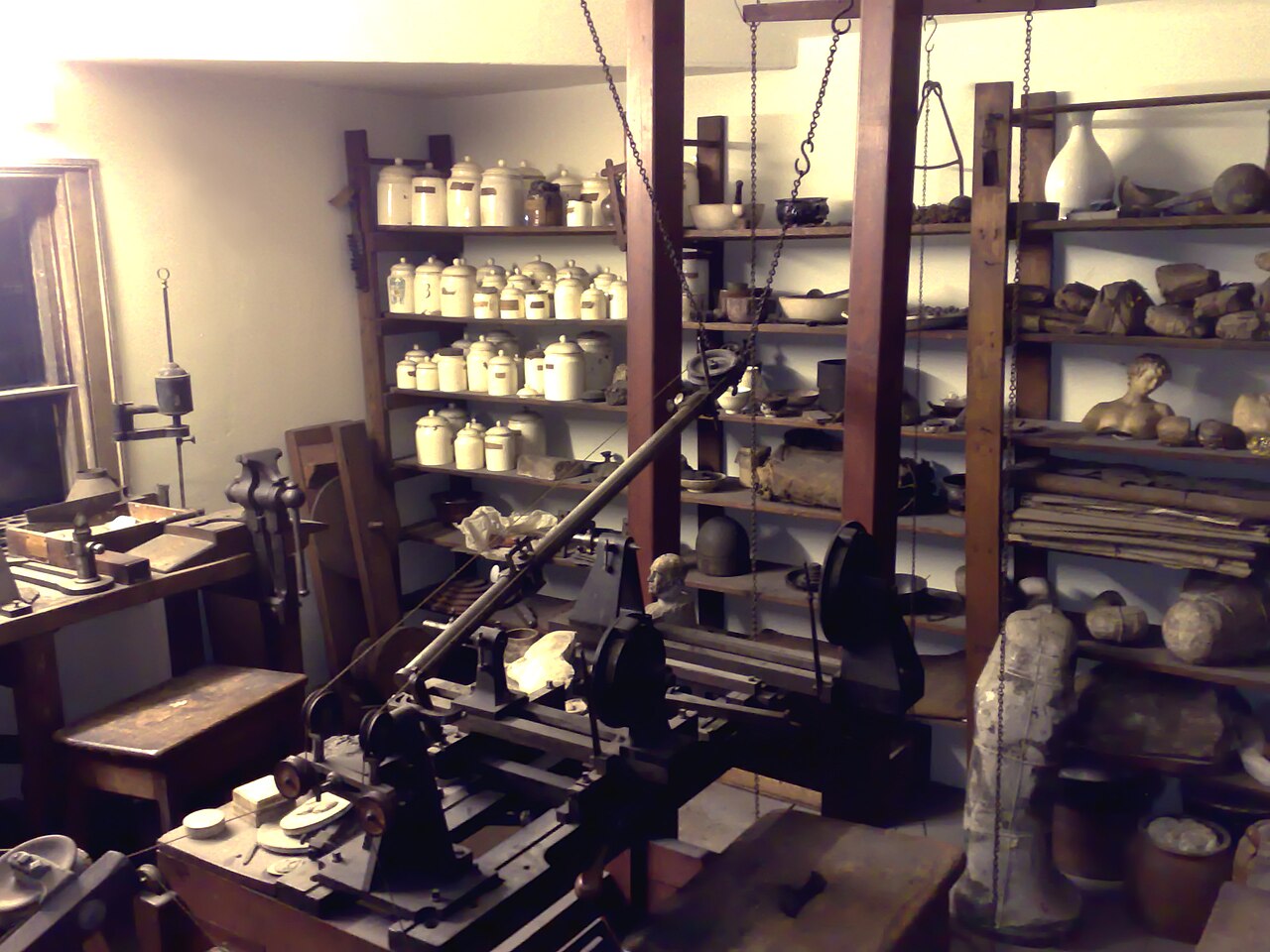
James Watt's Workshop
 Artifact
Primary source
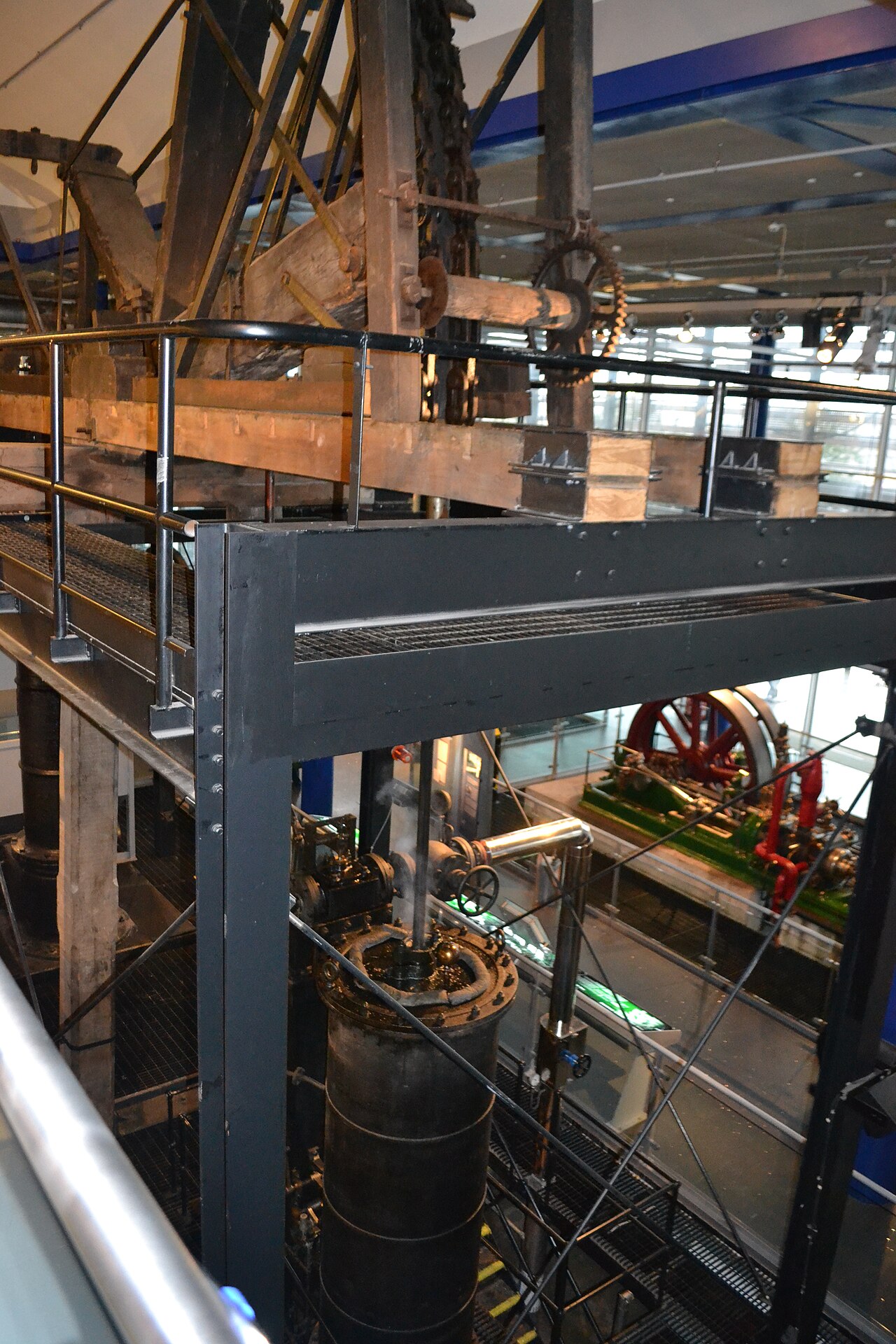
Smethwick Engine
James Watt · 1779
Ready when you are
Start chatting with James Watt now.
20 messages free · No credit card · Available in 50+ languages.