


Secondary sourceArtifactbuilt 1790
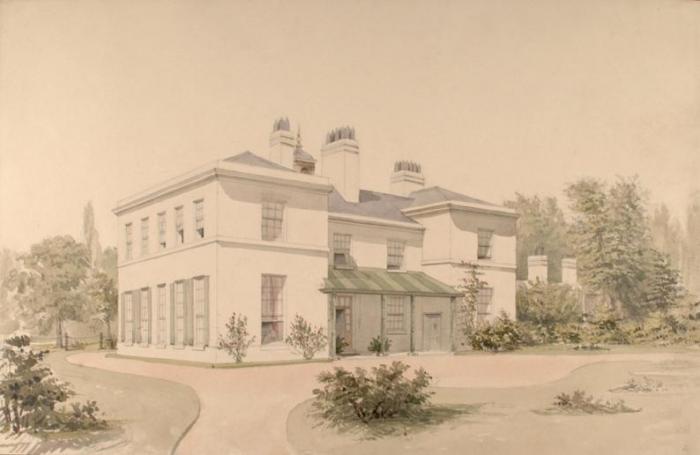
Heathfield Hall
Samuel Wyatt · built 1790
The Handsworth house where James Watt lived from 1790 until his death in 1819 and carried out his retirement inventions.
Watt owned and lived in this house from 1790 until his death, using it for his retirement inventions.
About this source
What it is
Heathfield Hall was a house in Handsworth, built for the engineer James Watt and designed by the architect Samuel Wyatt, recommended to Watt by his business partner Matthew Boulton. Watt lived there from 1790 until his death in 1819. The house was later sold, passed through several owners, and demolished in the 1920s after redevelopment.
Why it matters
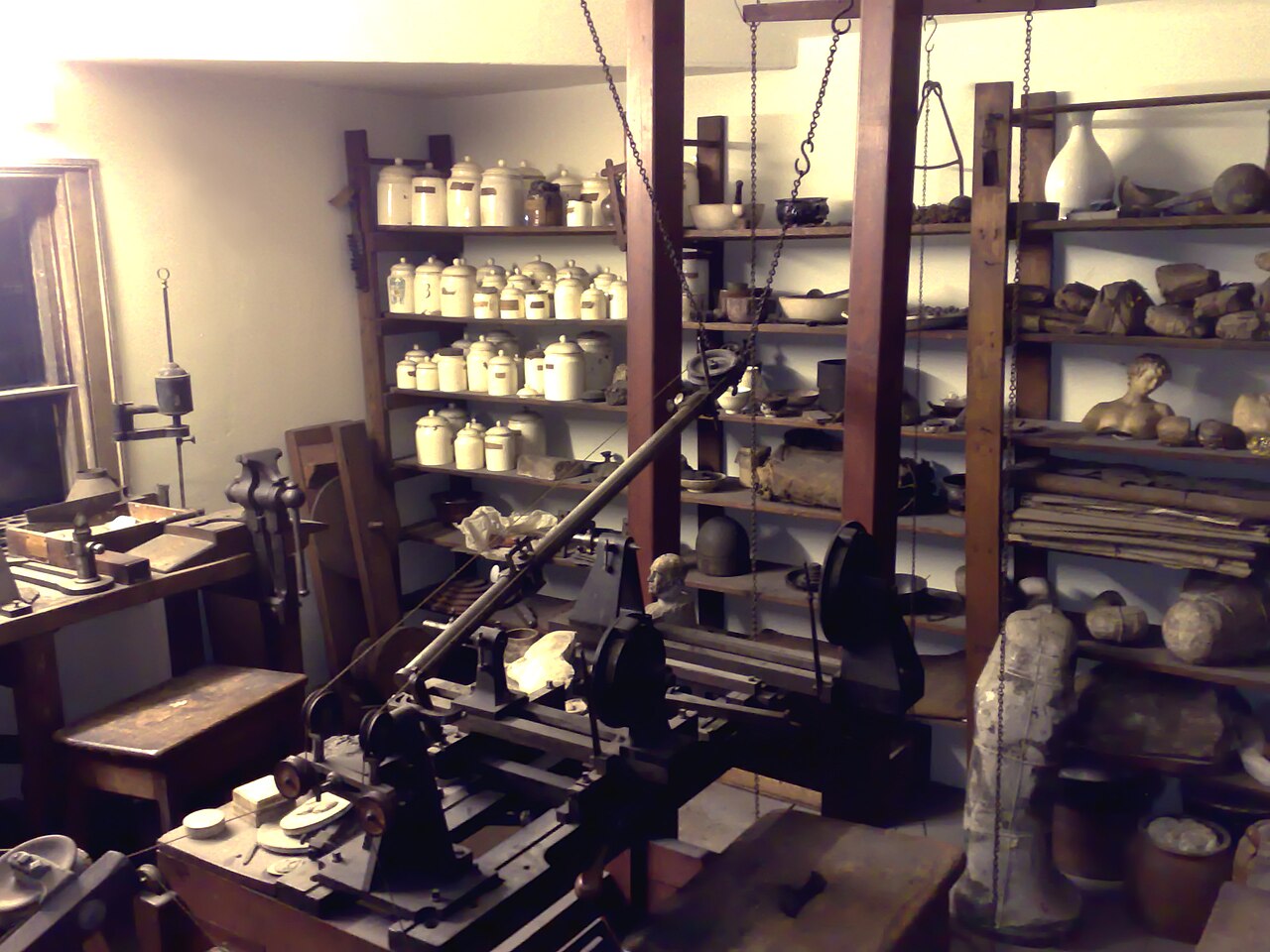
The house reveals Watt's success in later life, when his wealth and partnership with Boulton allowed him to commission a purpose-built home. Watt's sealed workshop there, with thousands of objects, was later preserved and reconstructed in a museum, showing how his later inventive work was valued long after his death.
Look closer
- What does the style and size of the house suggest about Watt's wealth and status late in his life?
- Why might Watt's workshop have been sealed off after his death instead of being used by others?
- What does the later demolition of the house tell us about how places connected to history are sometimes lost?
This artifact is part of the curated material that grounds the AI version of James Watt on Humy.ai — when students ask about related events, the AI can quote it and cite it.
More James Watt sources
Meet the AI James Watt →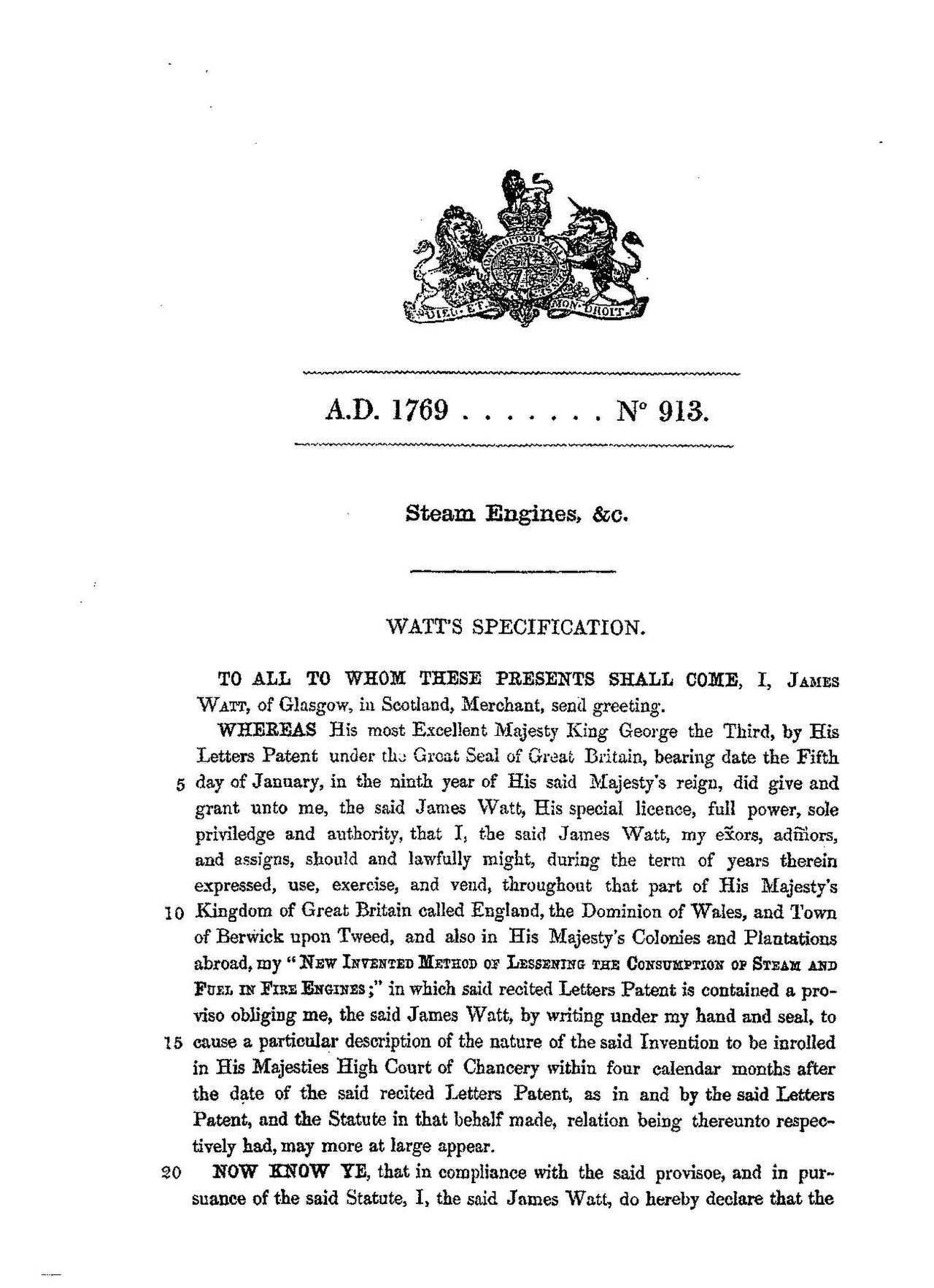 Document
Primary source
James Watt Patent No. 913
James Watt · 1769 (reprinted 1855)
 Artifact
Primary source
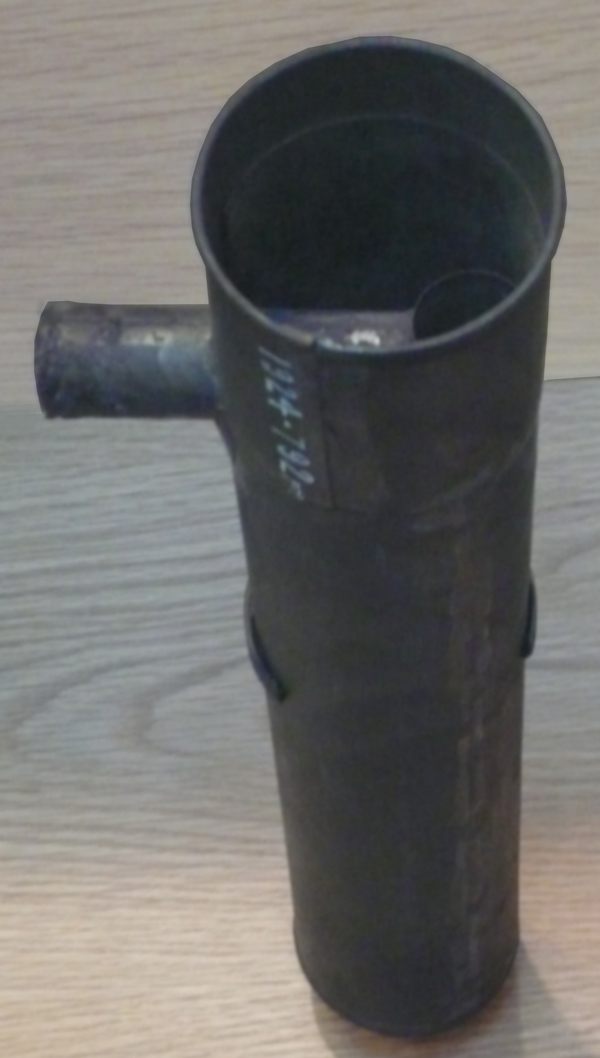
Watt's First Condenser
James Watt · c. 1765
 Artifact
Primary source
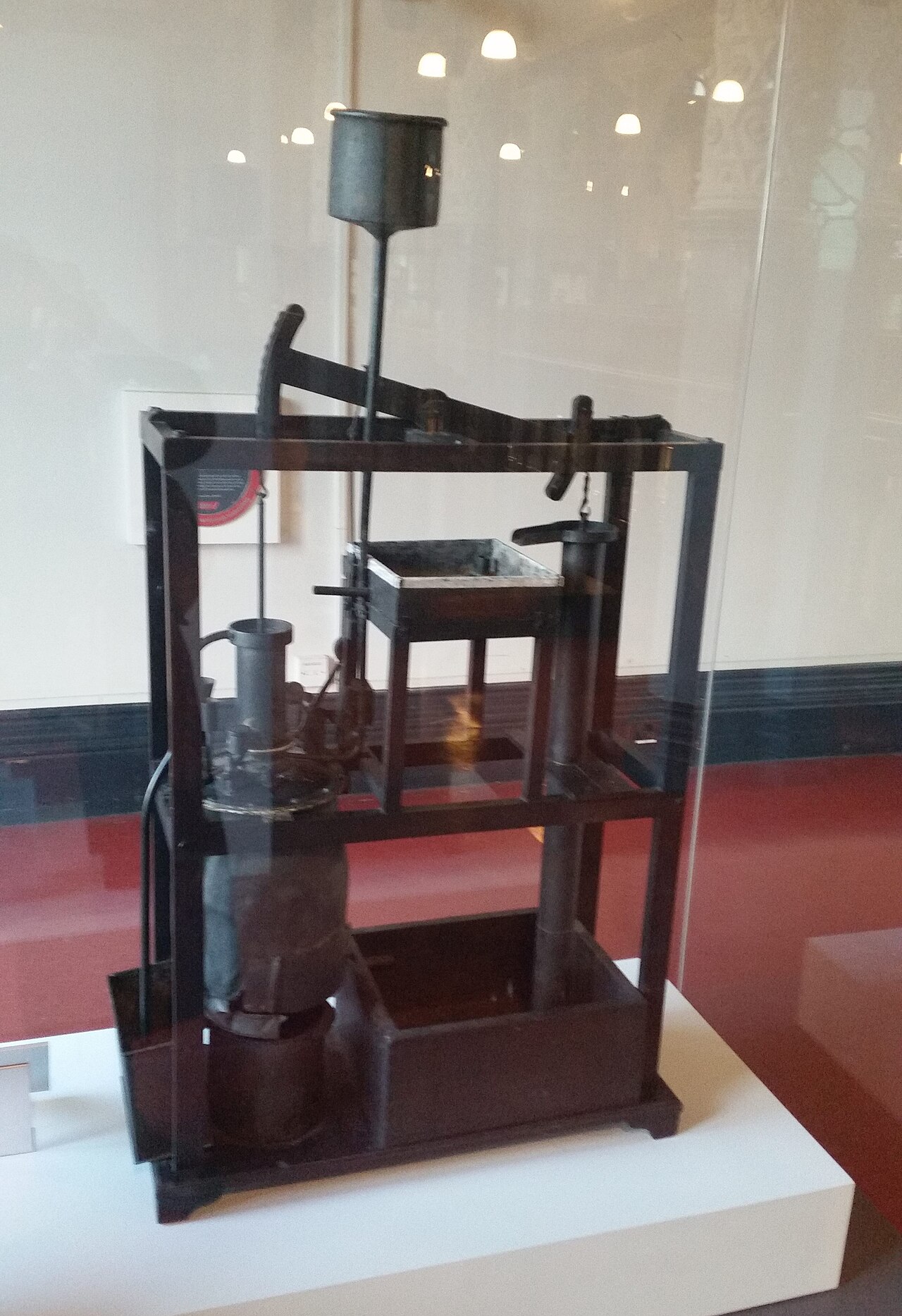
Model Newcomen Engine Repaired by James Watt
Unknown maker (repaired by James Watt) · c. 1760
 Artifact
Primary source
James Watt's Workshop
 Artifact
Primary source
Smethwick Engine
James Watt · 1779
Ready when you are
Start chatting with James Watt now.
20 messages free · No credit card · Available in 50+ languages.