


Secondary sourcePainting1827
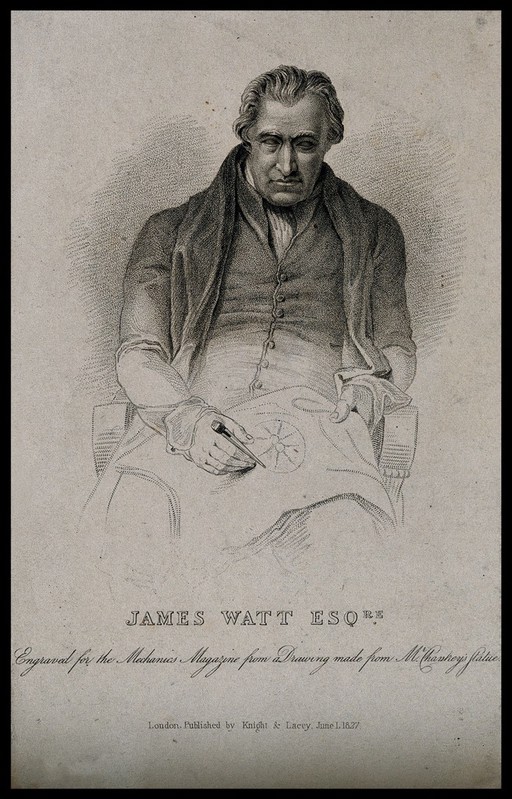
James Watt, Stipple Engraving after Chantrey
1827
An 1827 engraved portrait of James Watt based on a sculpture by Sir Francis Chantrey, made after Watt's death.
A posthumous engraved portrait showing how Watt was remembered as an engineer after his death.
About this source
What it is
This stipple engraving from 1827 shows James Watt seated, holding compasses or dividers, based on a sculpture by Sir Francis Chantrey. It was made for the Mechanics' Magazine and published by Knight & Lacey. The print is held by the Wellcome Collection.
Why it matters
Watt had died in 1819, so this image was created from Chantrey's sculpted likeness rather than from life. It shows how Watt continued to be honoured and remembered as a scientific and engineering figure in the years after his death, through popular printed media aimed at a technical readership.
Look closer
- Why might a magazine for mechanics want to publish a portrait of Watt years after his death?
- What do the compasses in his hand suggest about how Watt wanted to be remembered, or how others wanted to remember him?
- How might an image based on a sculpture differ from one drawn from a living sitter?
This painting is part of the curated material that grounds the AI version of James Watt on Humy.ai — when students ask about related events, the AI can quote it and cite it.
More James Watt sources
Meet the AI James Watt →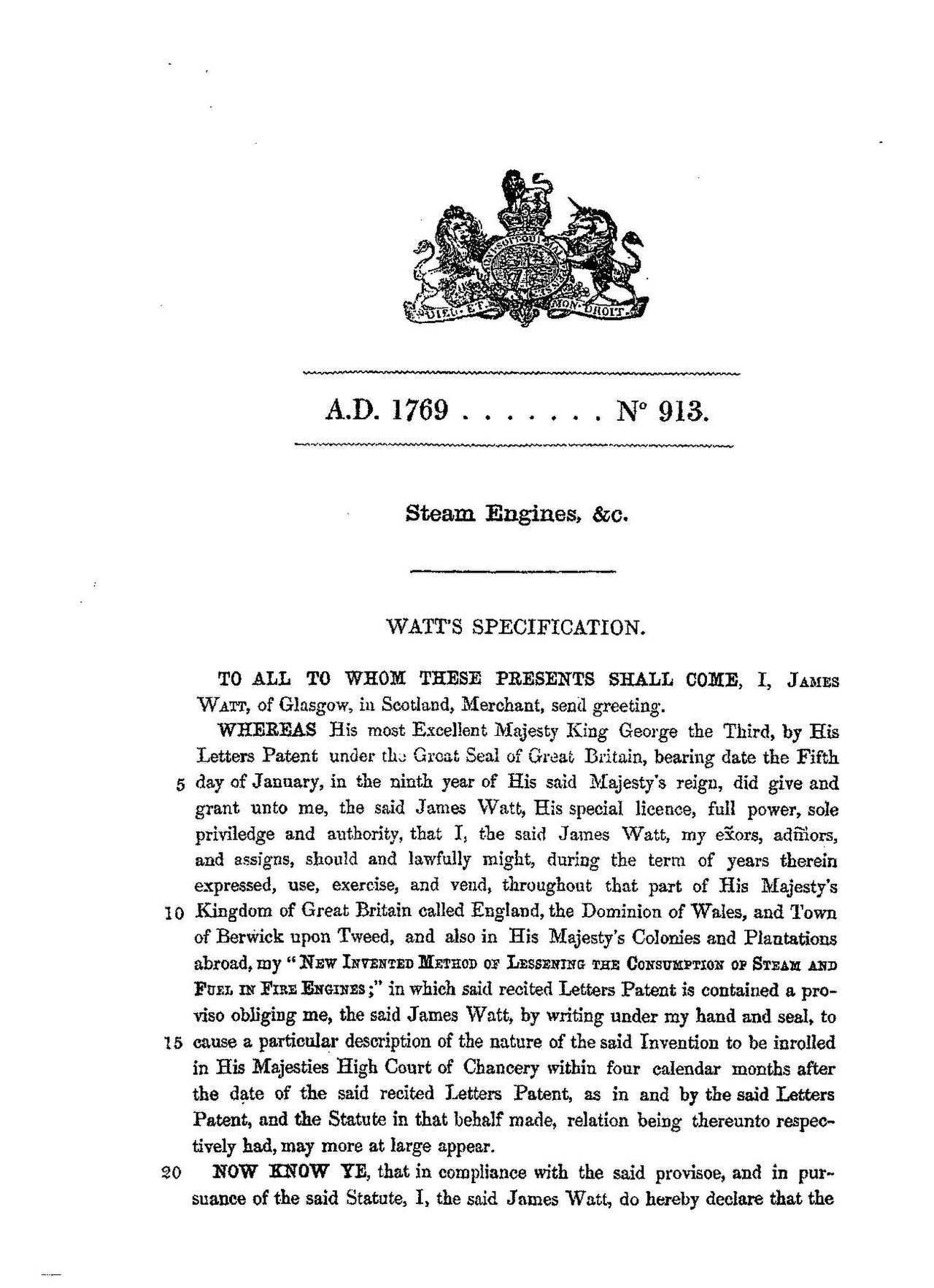 Document
Primary source
James Watt Patent No. 913
James Watt · 1769 (reprinted 1855)
 Artifact
Primary source
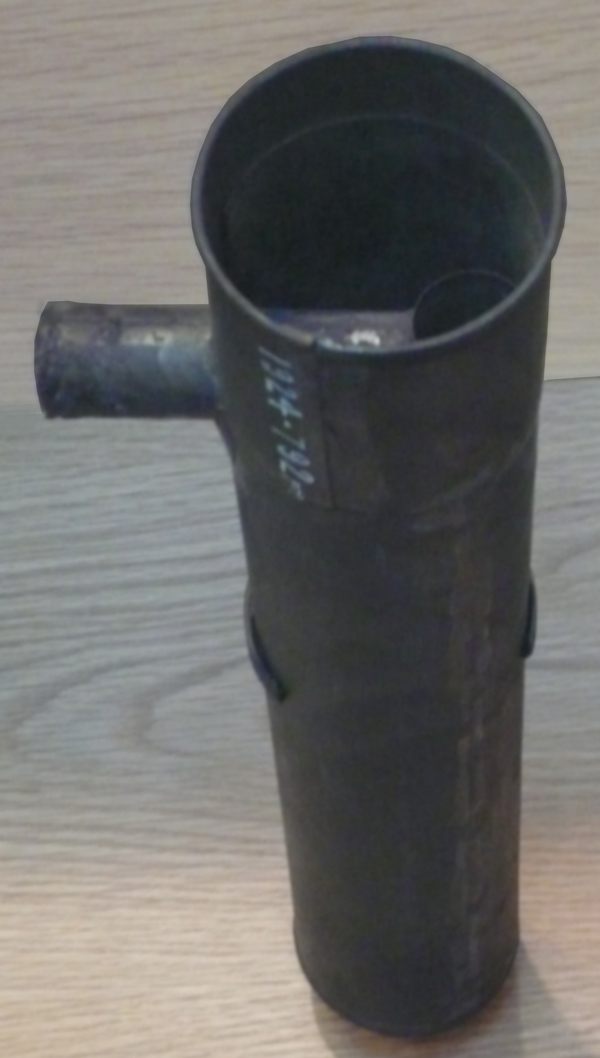
Watt's First Condenser
James Watt · c. 1765
 Artifact
Primary source
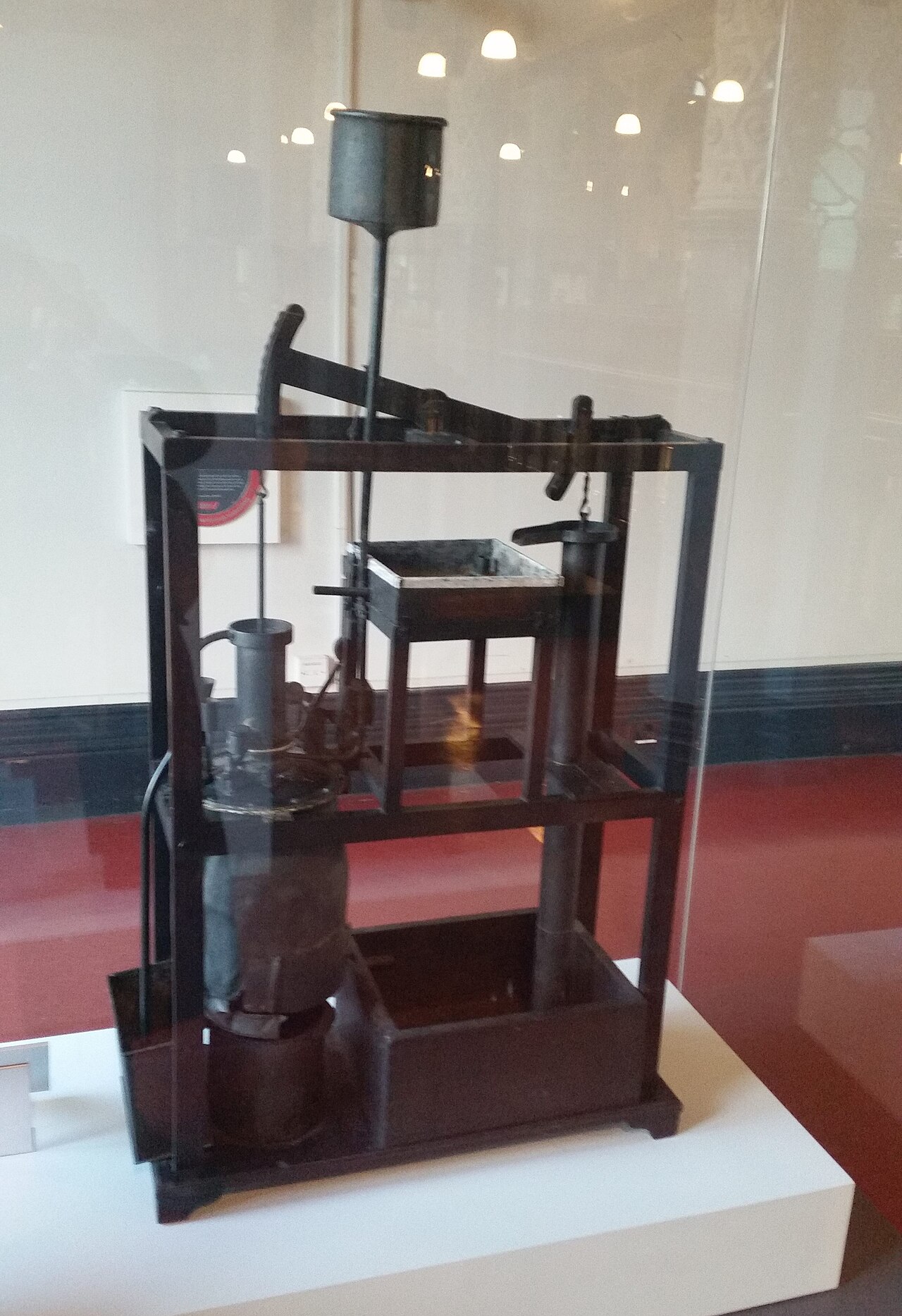
Model Newcomen Engine Repaired by James Watt
Unknown maker (repaired by James Watt) · c. 1760
 Artifact
Primary source
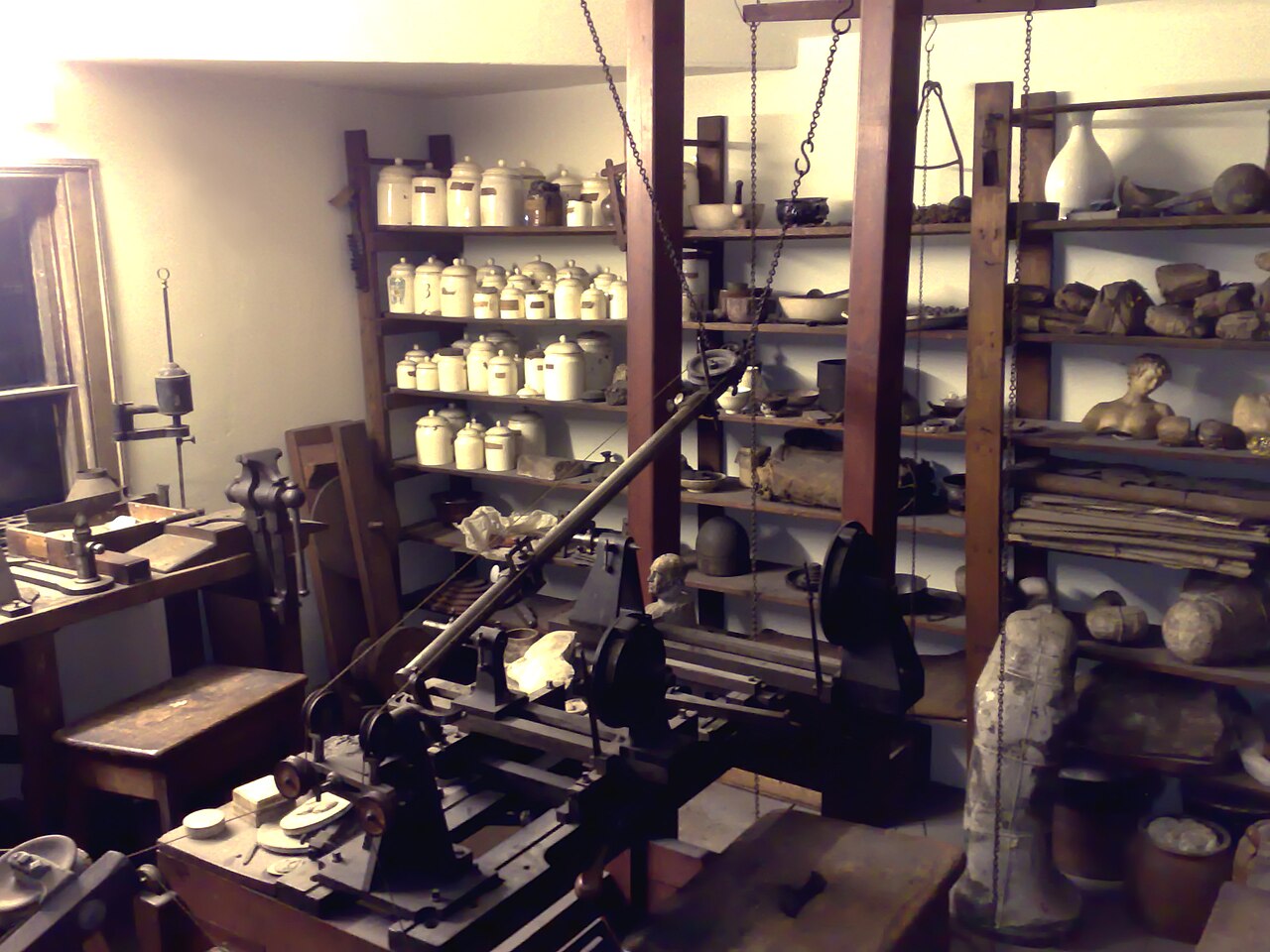
James Watt's Workshop
 Artifact
Primary source
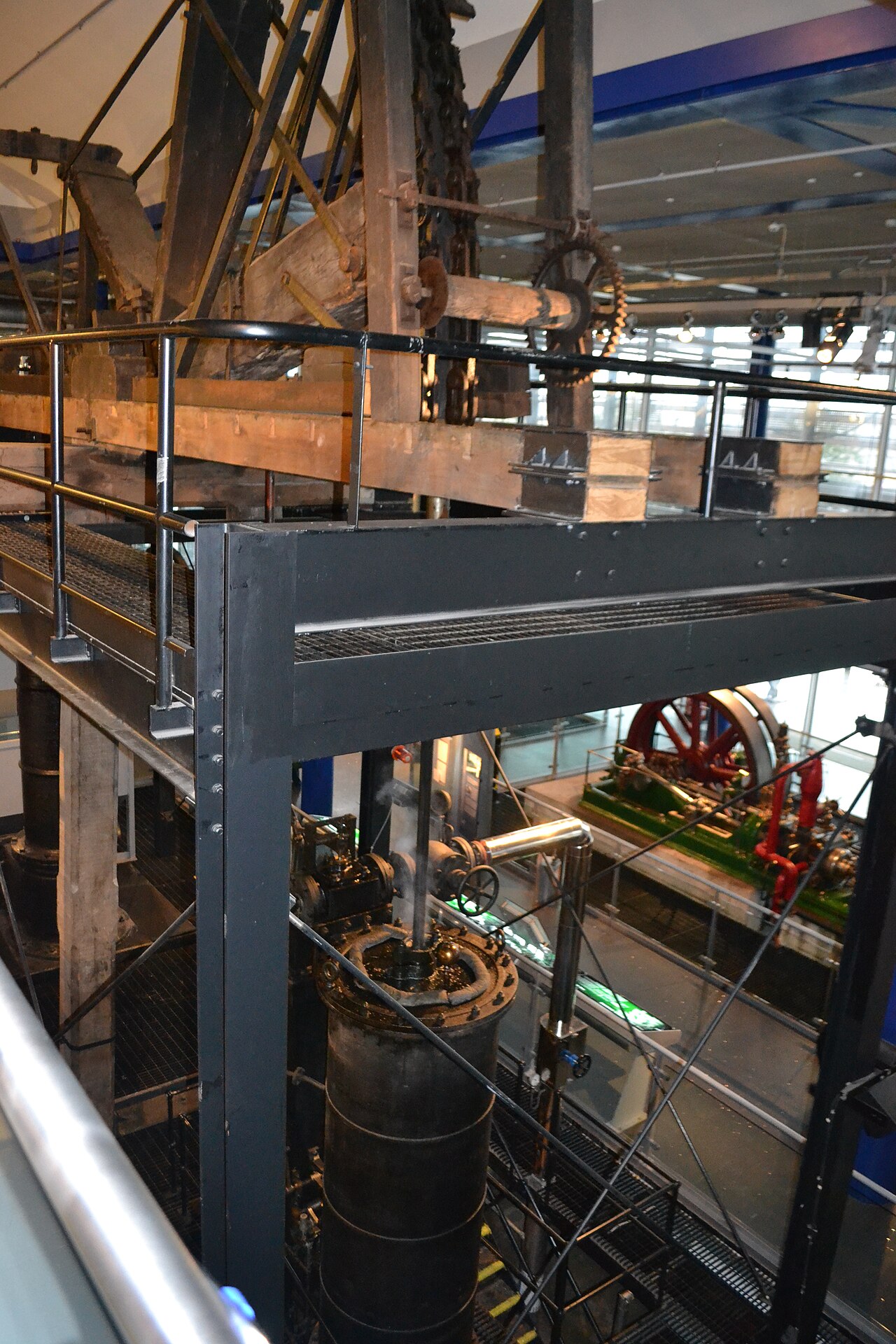
Smethwick Engine
James Watt · 1779
Ready when you are
Start chatting with James Watt now.
20 messages free · No credit card · Available in 50+ languages.