


Primary sourceDocumentc. 1794-1796
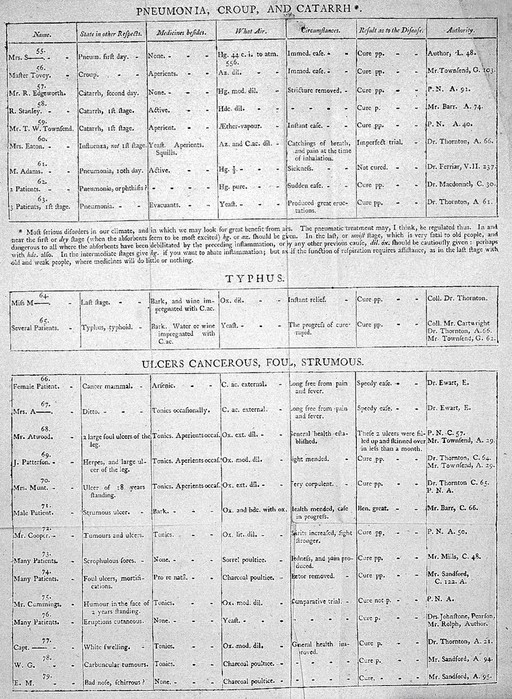
Table from Considerations on Factitious Airs
Thomas Beddoes and James Watt · c. 1794-1796
A results table from a book Watt co-wrote with Thomas Beddoes on medical uses of gases, listing patients and outcomes.
Watt co-wrote this book, applying his technical knowledge to medical experiments with gases.
About this source
What it is
This printed table is a plate from Considerations on the Medicinal Use of Factitious Airs, a book by Thomas Beddoes and James Watt published in Bristol around 1794-96. It lists patients treated with different gases, their conditions, the air used, and the results, held by the Wellcome Collection.
Why it matters
Watt, better known as an engineer, also worked with the physician Thomas Beddoes on early experiments using gases to treat illness. This table shows how Watt applied his technical skills to medicine, recording real patient outcomes in a period when the therapeutic use of different airs was being tested.
Look closer
- What categories of information did Beddoes and Watt think were important to record?
- Why might an engineer like Watt have been useful to a medical project like this?
- What is missing from this table that a modern doctor might want to know?
This document is part of the curated material that grounds the AI version of James Watt on Humy.ai — when students ask about related events, the AI can quote it and cite it.
More James Watt sources
Meet the AI James Watt →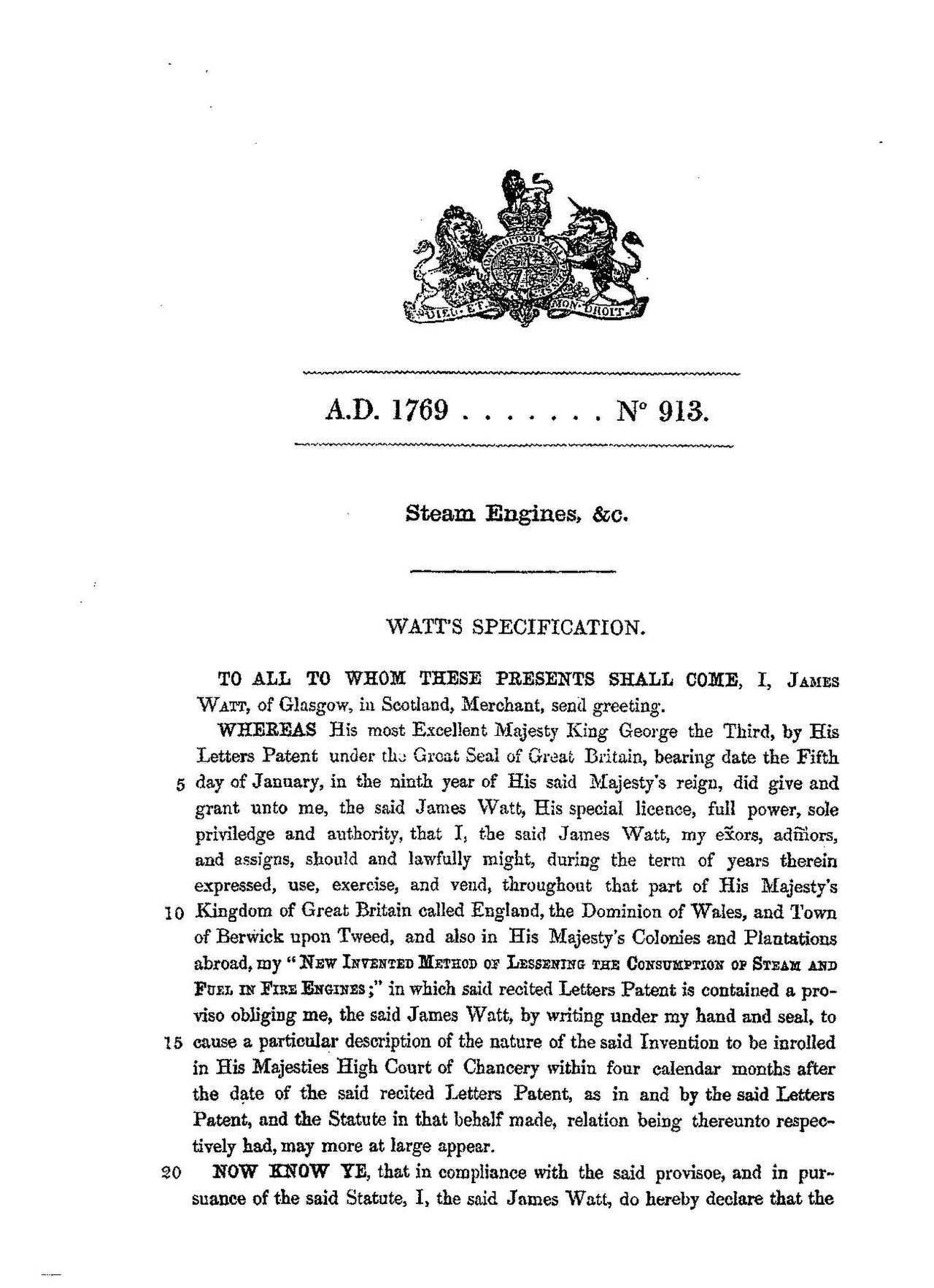 Document
Primary source
James Watt Patent No. 913
James Watt · 1769 (reprinted 1855)
 Artifact
Primary source
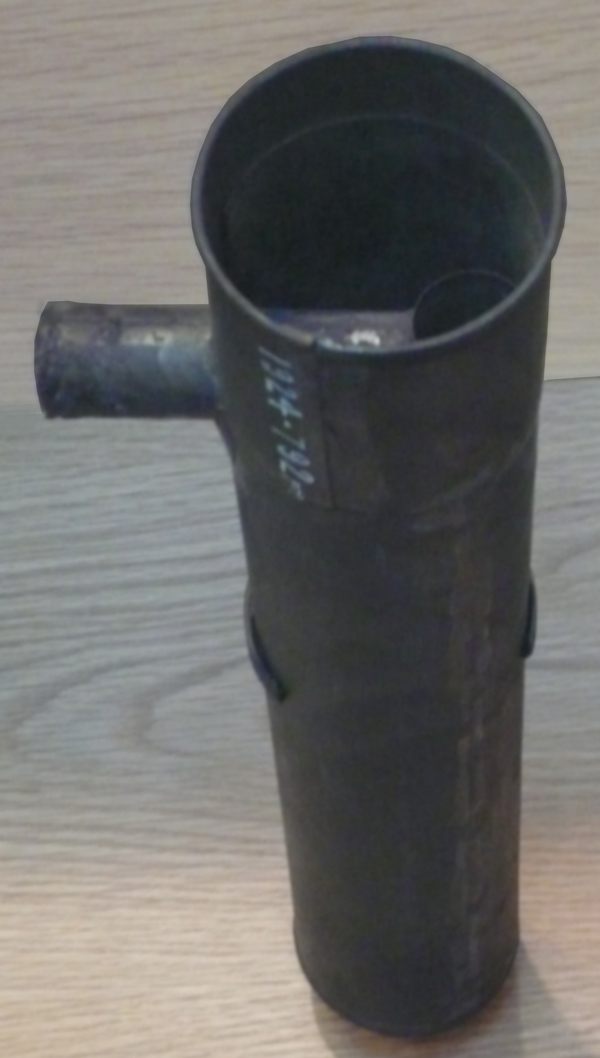
Watt's First Condenser
James Watt · c. 1765
 Artifact
Primary source
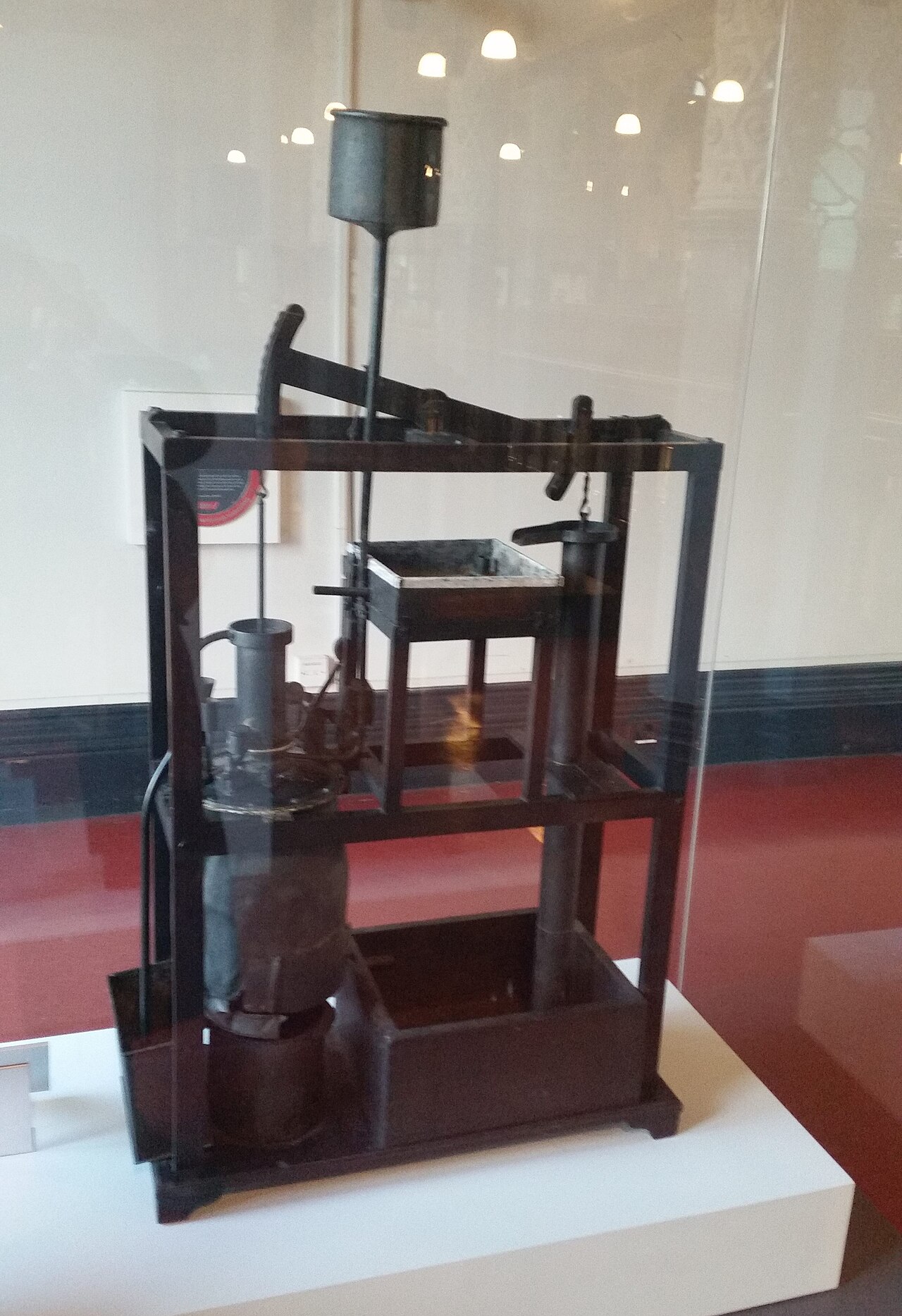
Model Newcomen Engine Repaired by James Watt
Unknown maker (repaired by James Watt) · c. 1760
 Artifact
Primary source
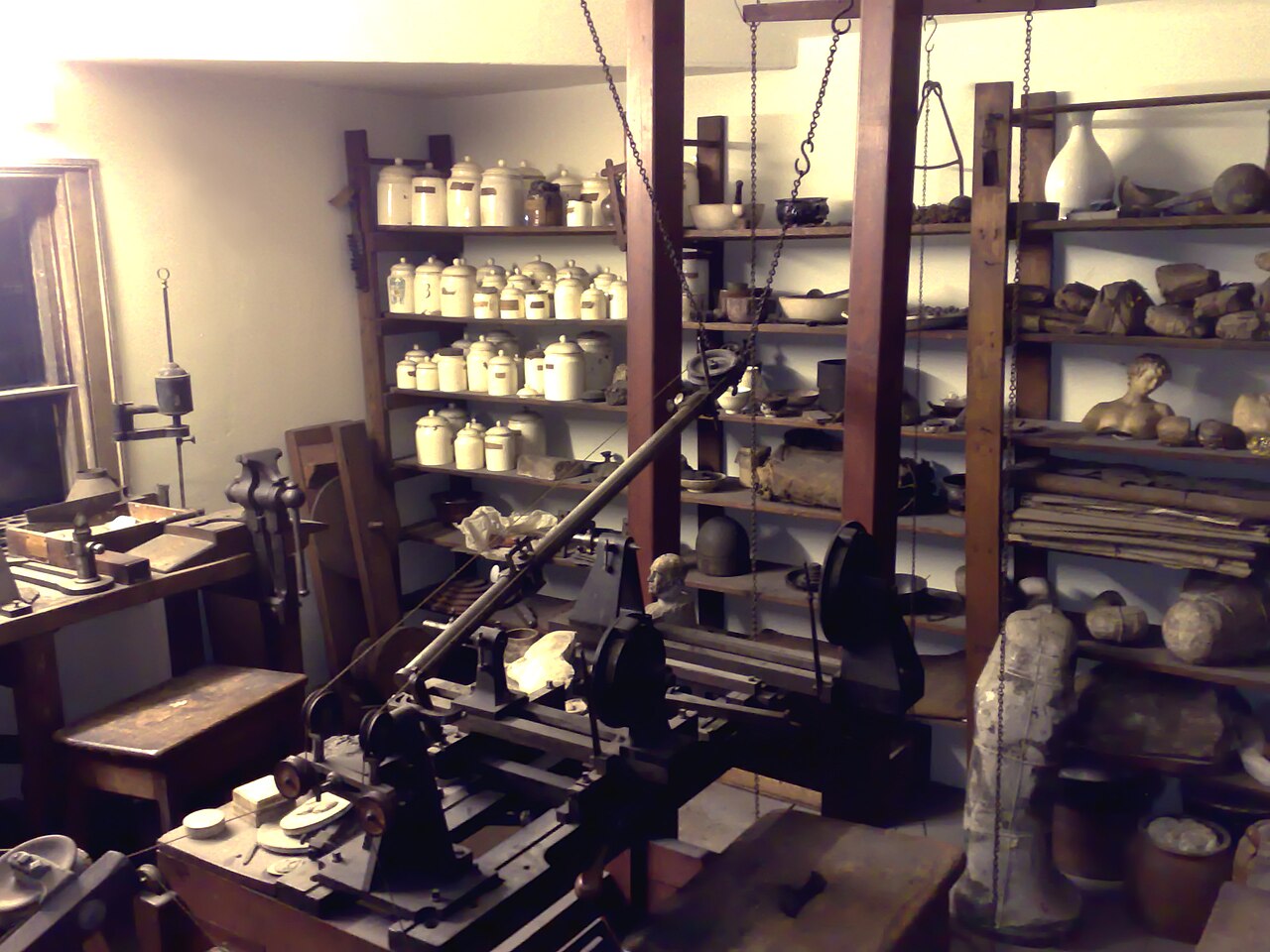
James Watt's Workshop
 Artifact
Primary source
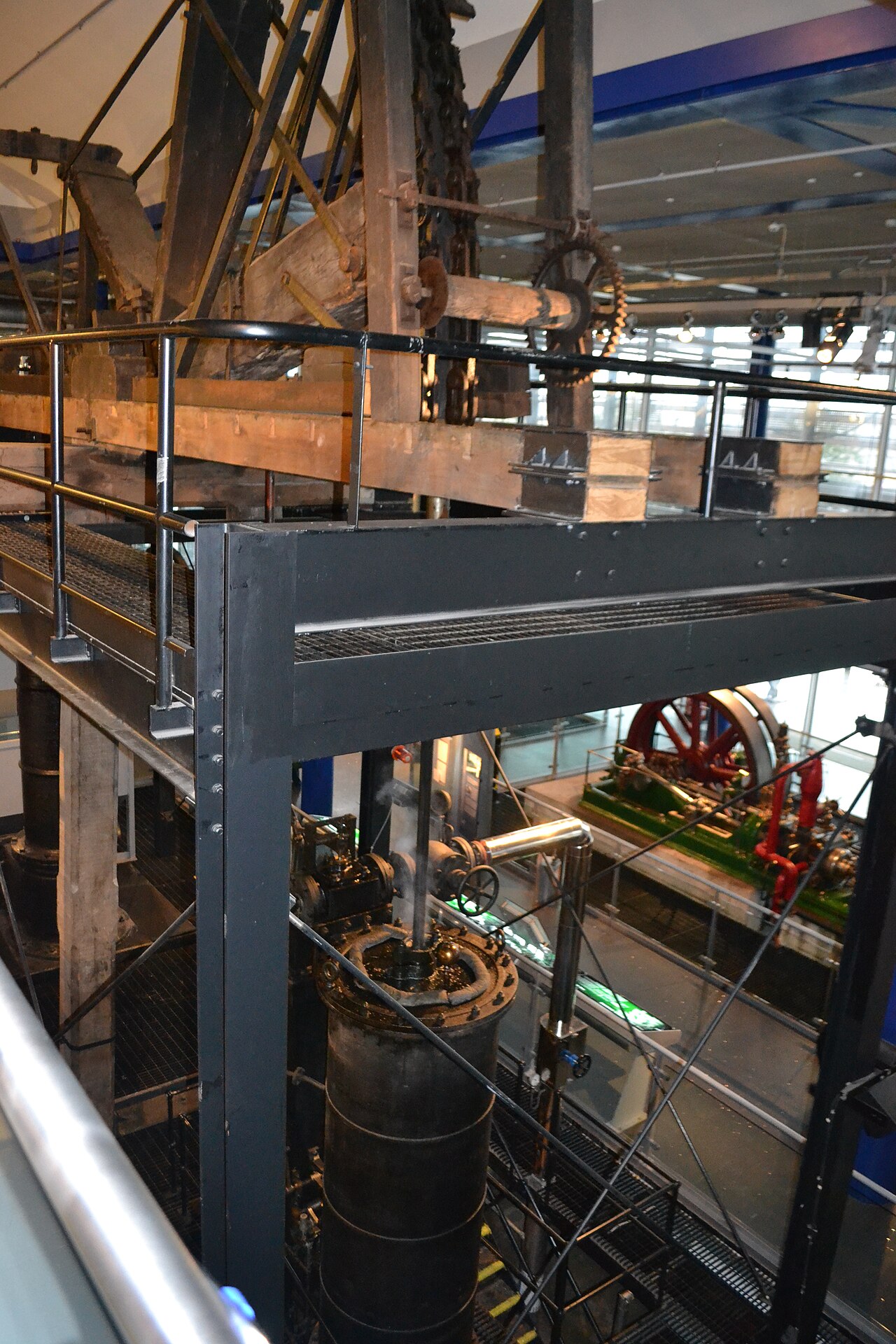
Smethwick Engine
James Watt · 1779
Ready when you are
Start chatting with James Watt now.
20 messages free · No credit card · Available in 50+ languages.