


Secondary sourceSculpture1832
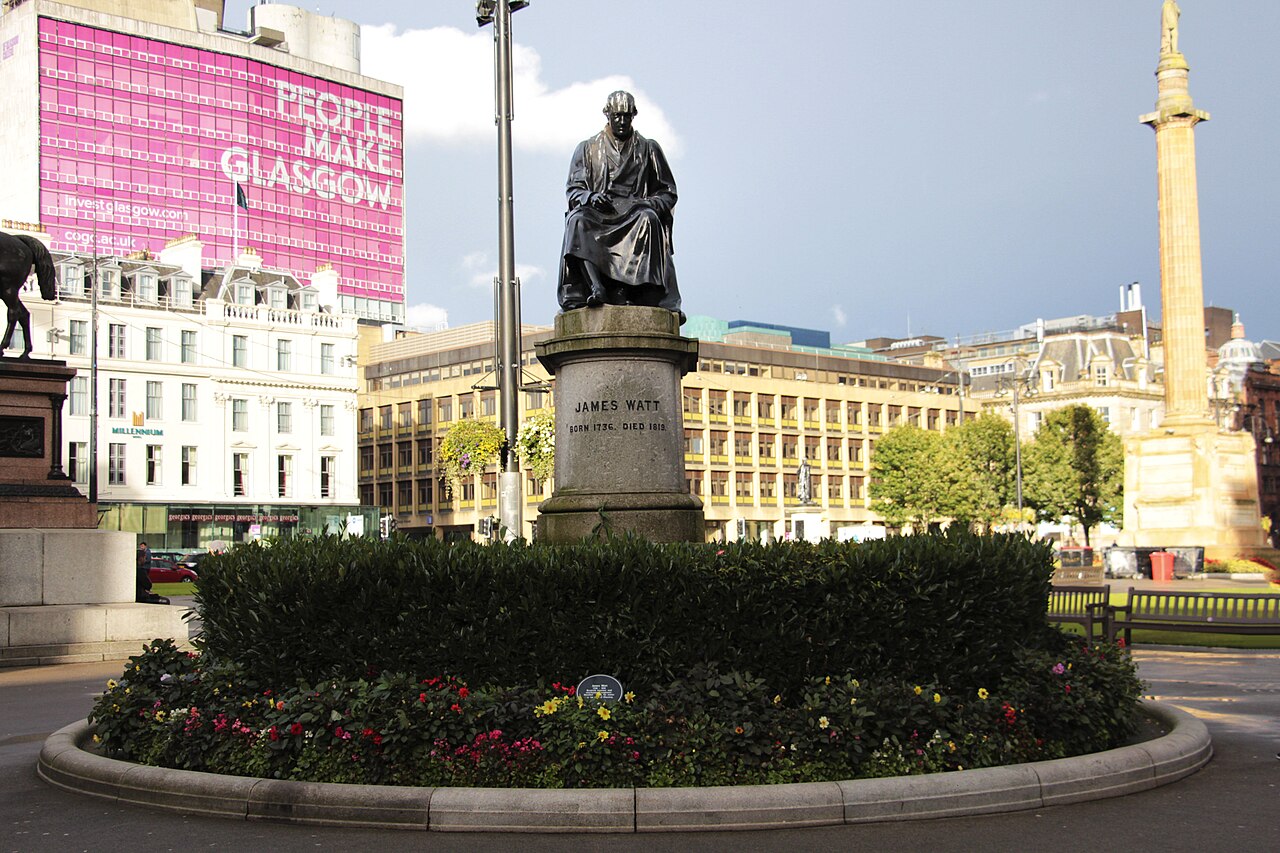
Statue of James Watt
Francis Legatt Chantrey · 1832
A bronze statue of James Watt by Francis Legatt Chantrey, erected in George Square, Glasgow, in 1832.
This statue, erected soon after Watt's death, shows how Glasgow honoured him as a civic hero.
About this source
What it is
This is a bronze statue of James Watt created by the sculptor Francis Legatt Chantrey in 1832. It stands in George Square in Glasgow, on a granite pedestal inscribed with Watt's birth and death years.
Why it matters
Erected soon after Watt's death, the statue shows how Glasgow, a city closely tied to industry and engineering, chose to honour Watt as a civic hero. Public statues like this reveal how a city wanted its citizens to remember and connect with a famous historical figure.
Look closer
- Why might Glasgow have chosen to commemorate Watt with a statue in a central public square?
- What does the seated, dignified pose of the statue suggest about how Watt was meant to be viewed?
- How does a statue differ from a document or letter as a way of remembering someone?
This sculpture is part of the curated material that grounds the AI version of James Watt on Humy.ai — when students ask about related events, the AI can quote it and cite it.
More James Watt sources
Meet the AI James Watt →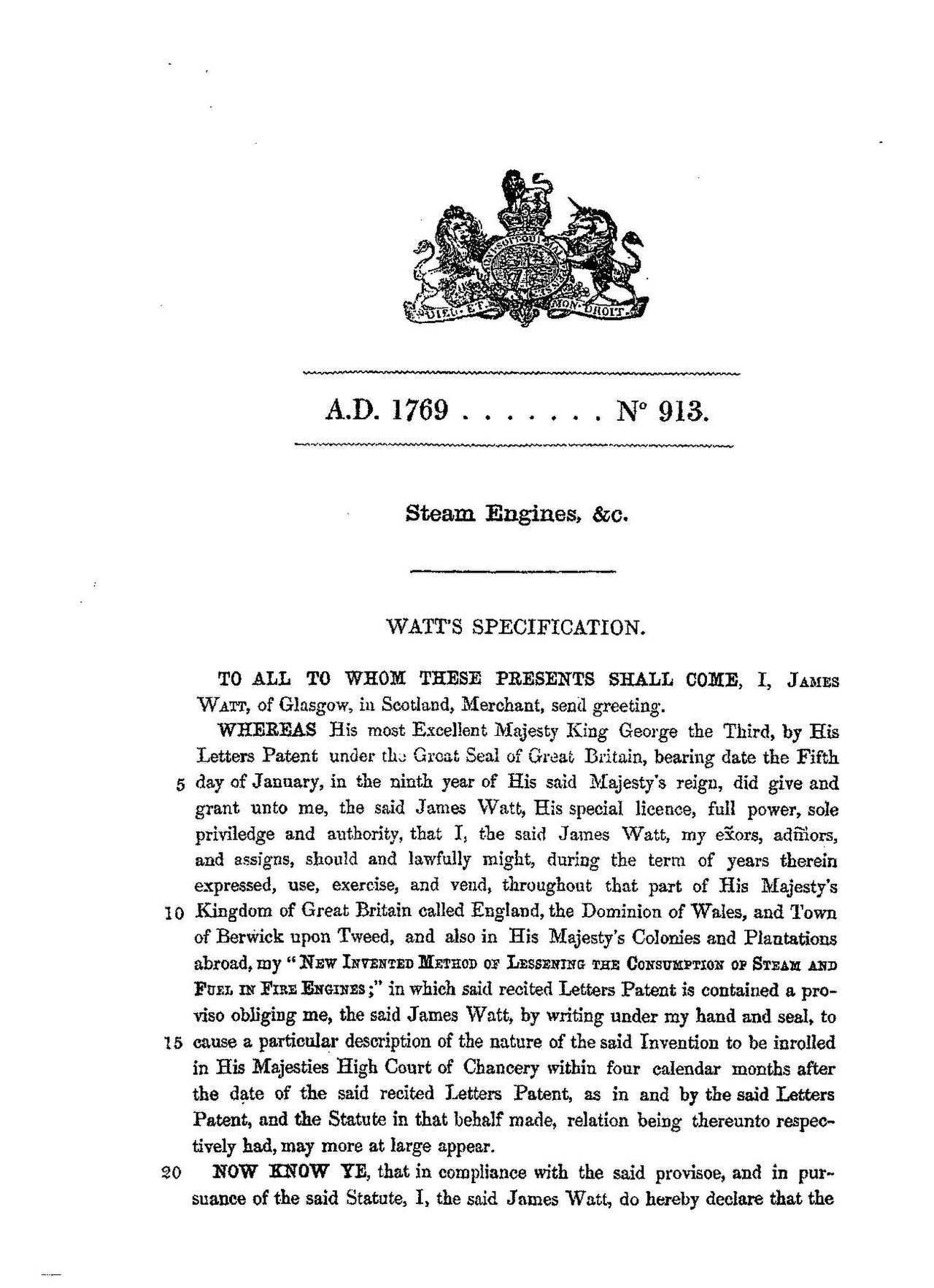 Document
Primary source
James Watt Patent No. 913
James Watt · 1769 (reprinted 1855)
 Artifact
Primary source
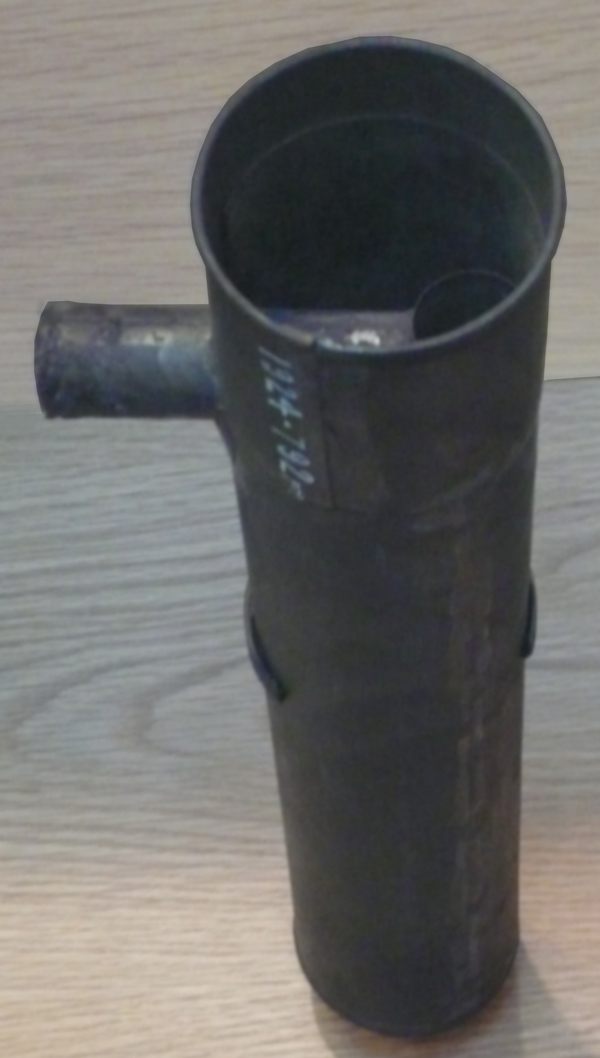
Watt's First Condenser
James Watt · c. 1765
 Artifact
Primary source
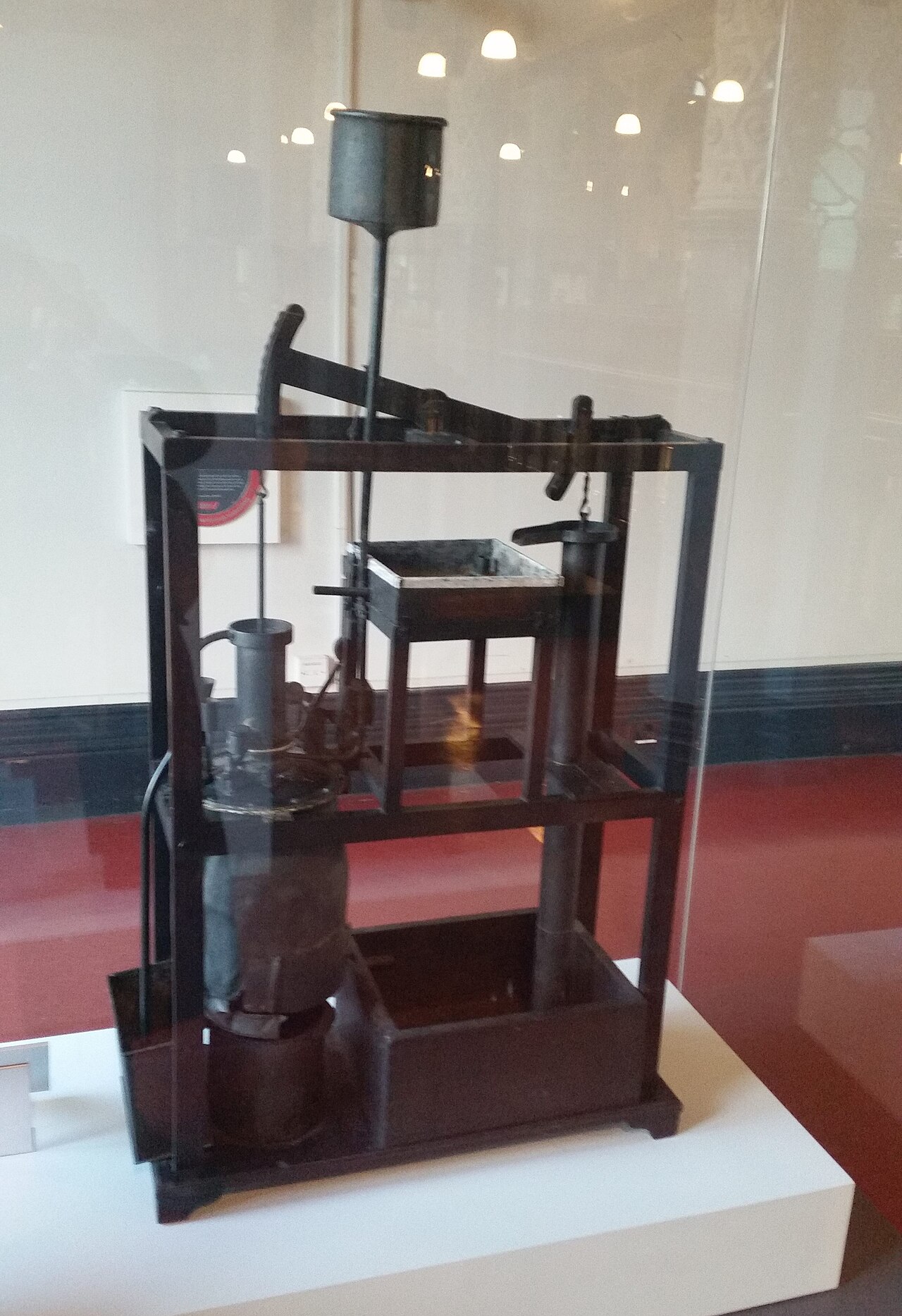
Model Newcomen Engine Repaired by James Watt
Unknown maker (repaired by James Watt) · c. 1760
 Artifact
Primary source
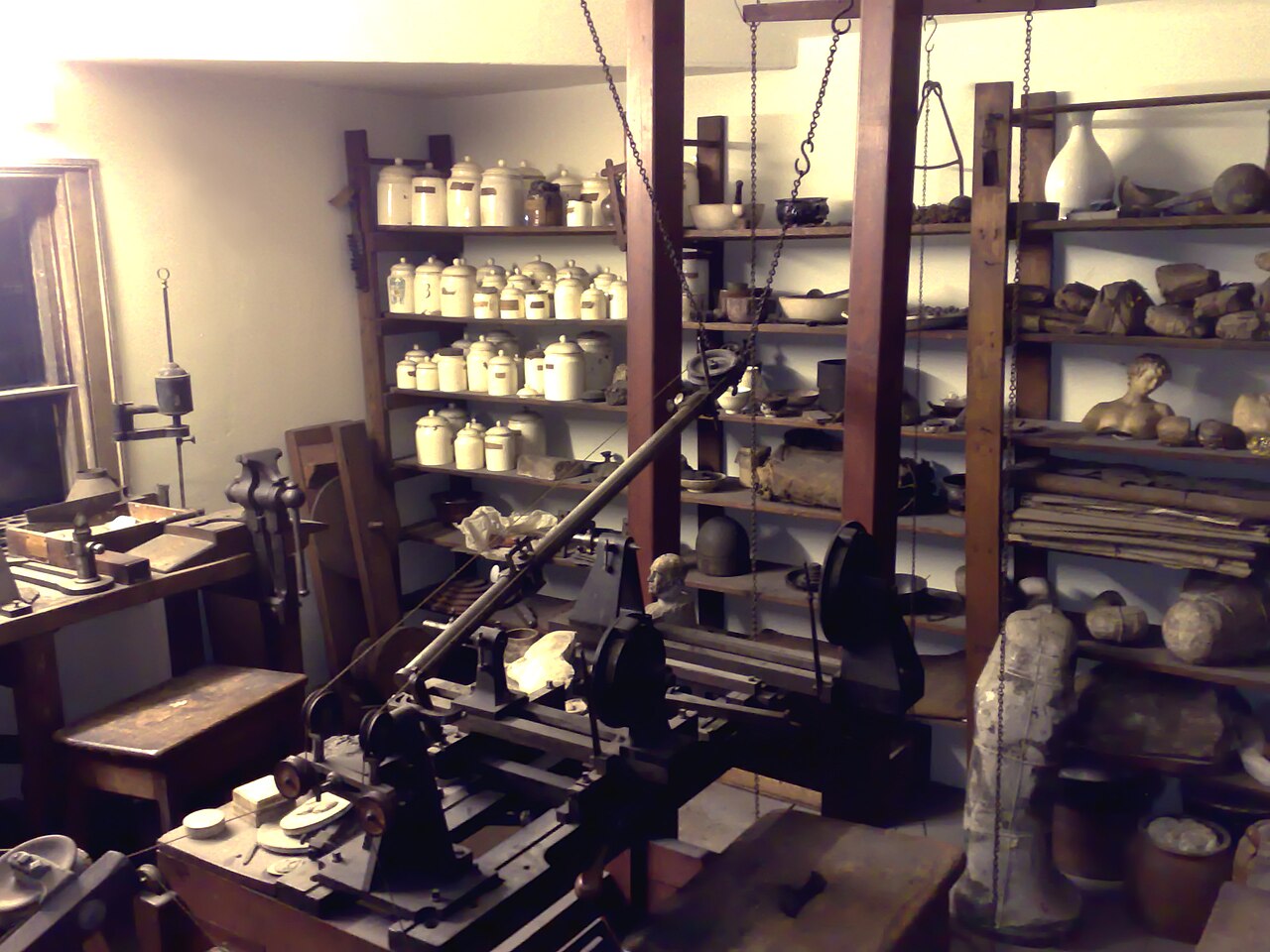
James Watt's Workshop
 Artifact
Primary source
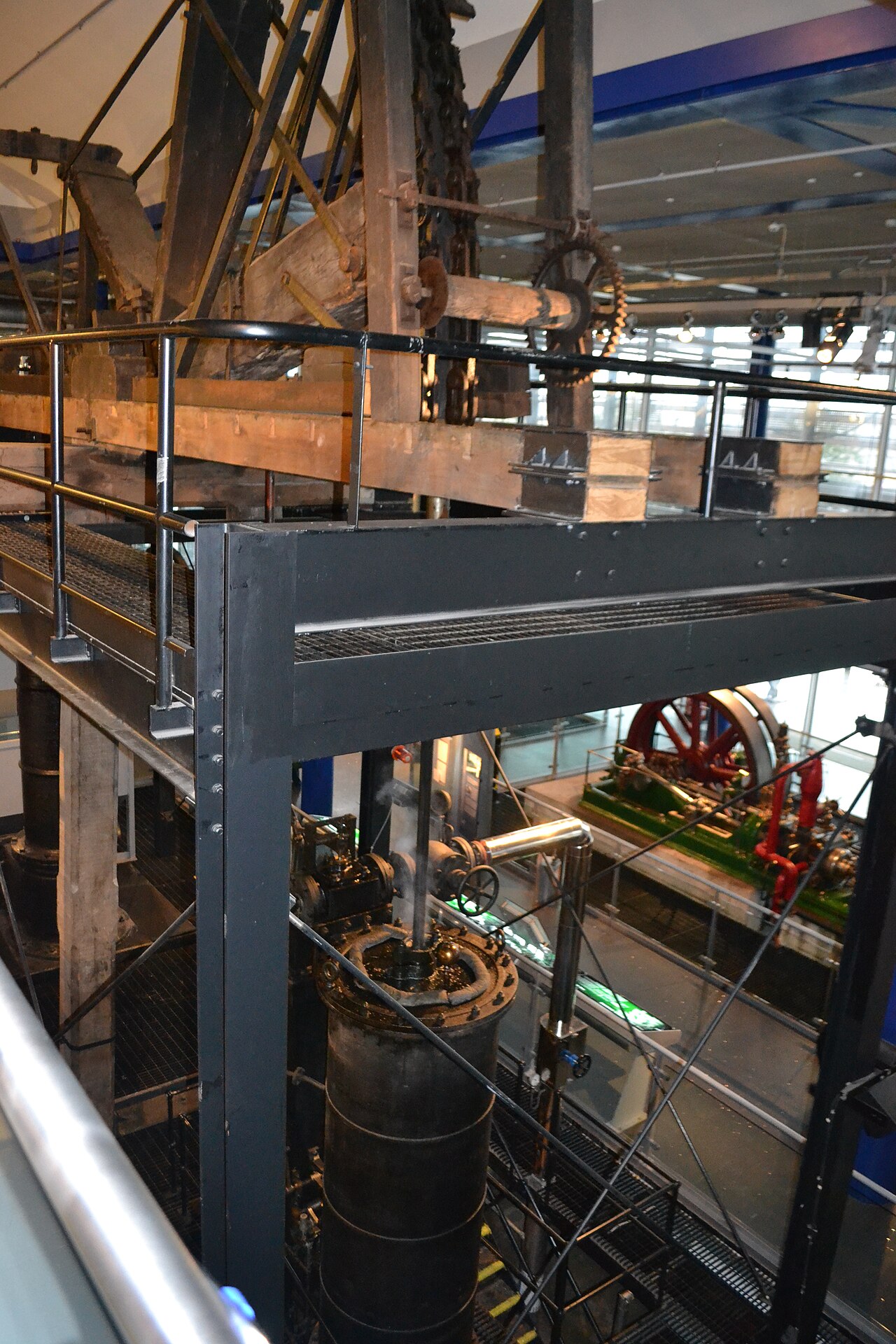
Smethwick Engine
James Watt · 1779
Ready when you are
Start chatting with James Watt now.
20 messages free · No credit card · Available in 50+ languages.