


Primary sourceDocument1784
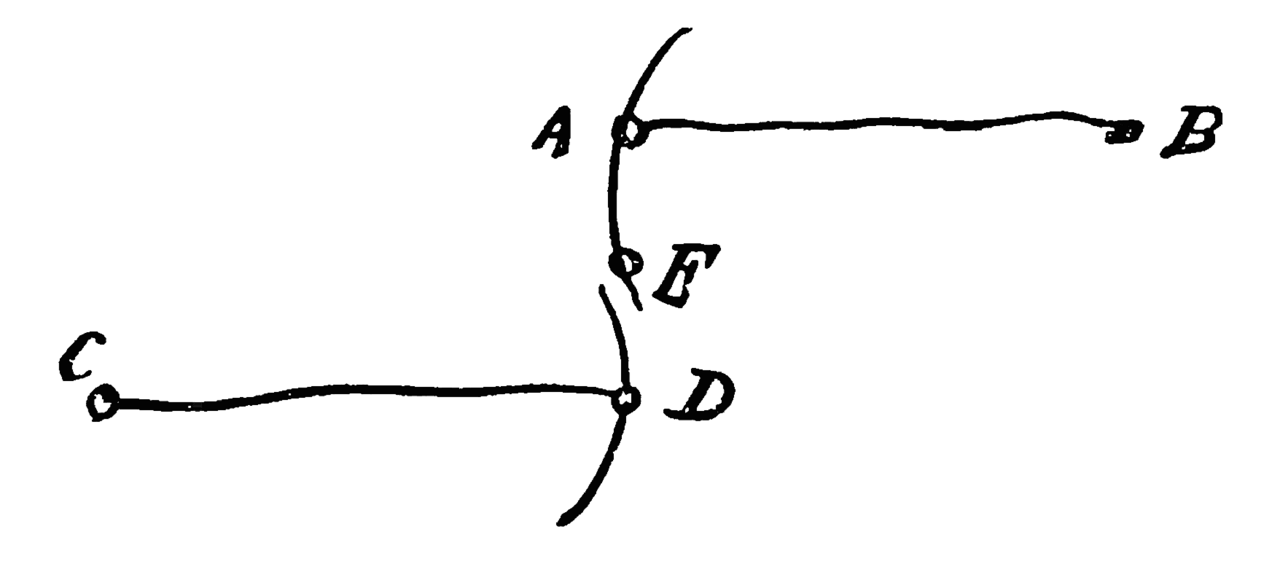
Diagram of the Parallel Motion
James Watt · 1784
Watt's own hand-drawn diagram explaining his discovery of the parallel motion, sent in a letter and describing the invention he was proudest of.
This diagram, drawn by Watt himself in a letter, records in his own words his discovery of the parallel motion, which he considered his proudest invention.
About this source
What it is
This is a hand-drawn diagram by James Watt, labelled with points A, B, C, D and E, showing arcs and straight lines. It comes from a letter in which Watt explained how he worked out the parallel motion, a mechanism for connecting a piston rod to the angular motion of a working beam.
Why it matters
In his own words, Watt describes trying to avoid the inconvenience of chains and racks for transmitting motion, and working out through geometry how two revolving radii connected by a rod could produce a nearly straight line. Watt is said to have considered this his proudest invention, and the sketch shows his reasoning in his own hand.
Look closer
- Why does Watt describe testing an idea through trial and reasoning rather than a sudden flash of insight?
- What does the diagram's simplicity tell you about how engineers of this time solved problems?
- What is missing from this sketch that you would need to actually build the mechanism?
This document is part of the curated material that grounds the AI version of James Watt on Humy.ai — when students ask about related events, the AI can quote it and cite it.
More James Watt sources
Meet the AI James Watt →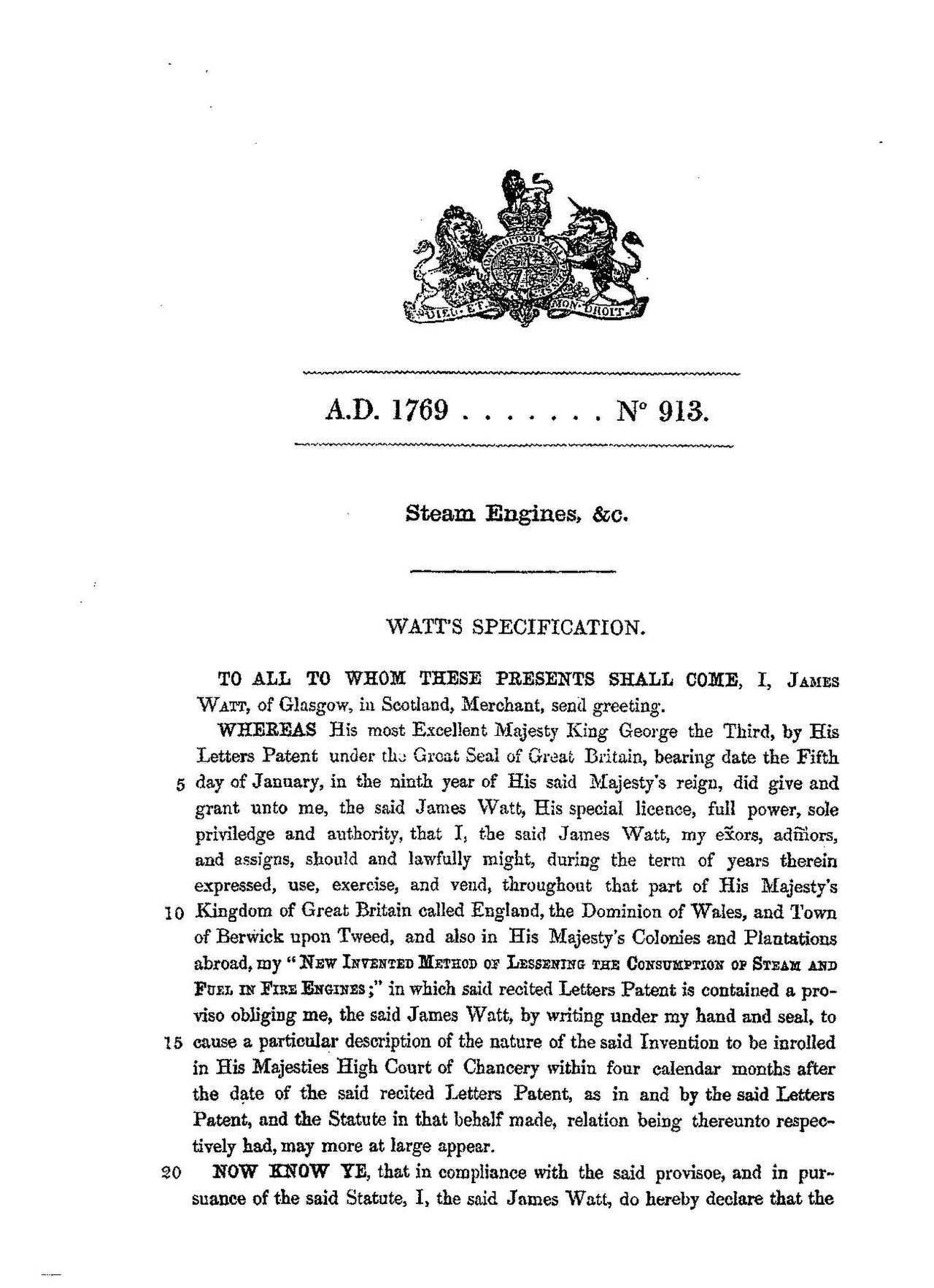 Document
Primary source
James Watt Patent No. 913
James Watt · 1769 (reprinted 1855)
 Artifact
Primary source
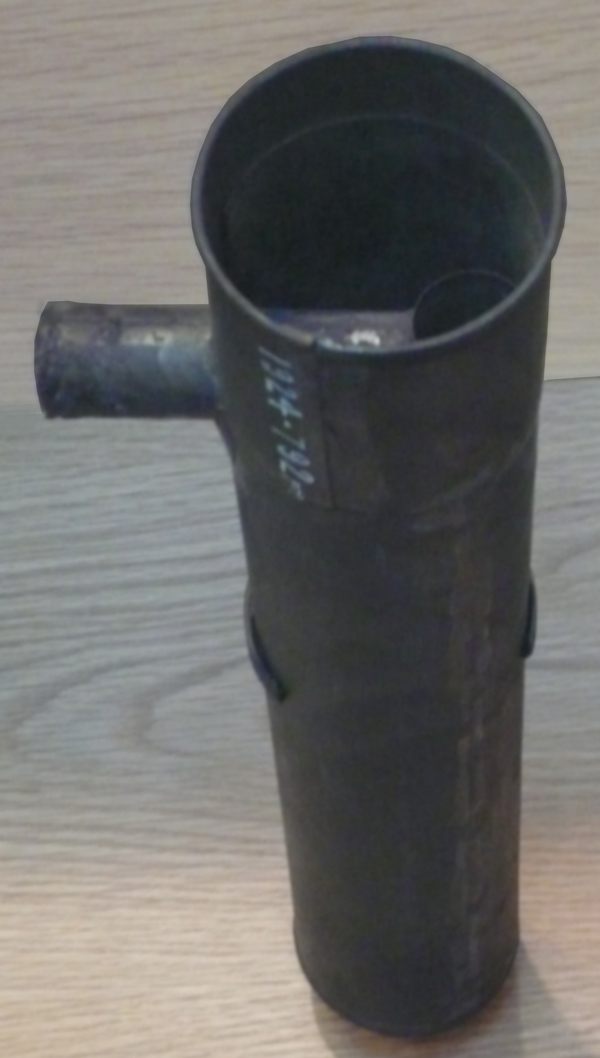
Watt's First Condenser
James Watt · c. 1765
 Artifact
Primary source
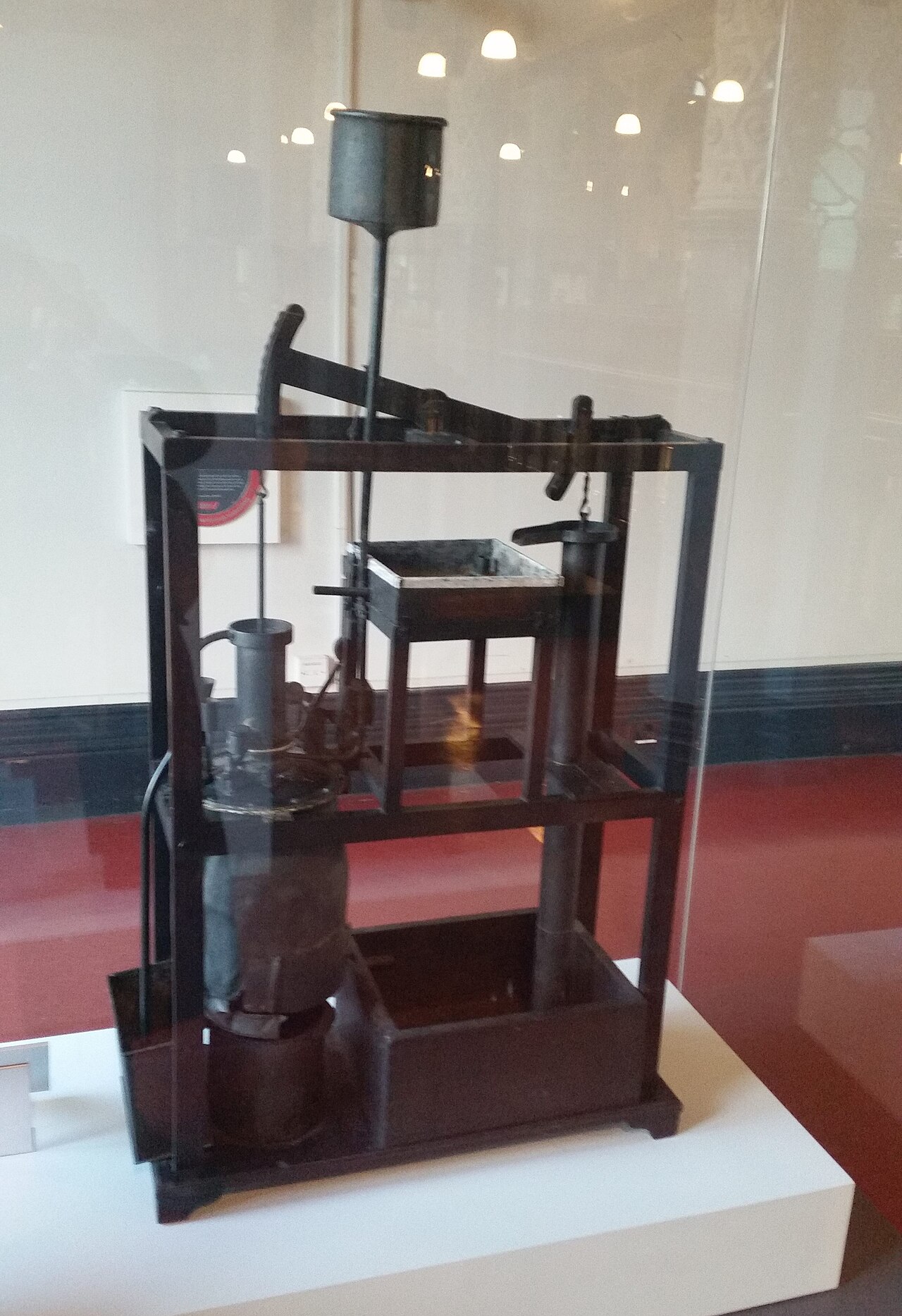
Model Newcomen Engine Repaired by James Watt
Unknown maker (repaired by James Watt) · c. 1760
 Artifact
Primary source
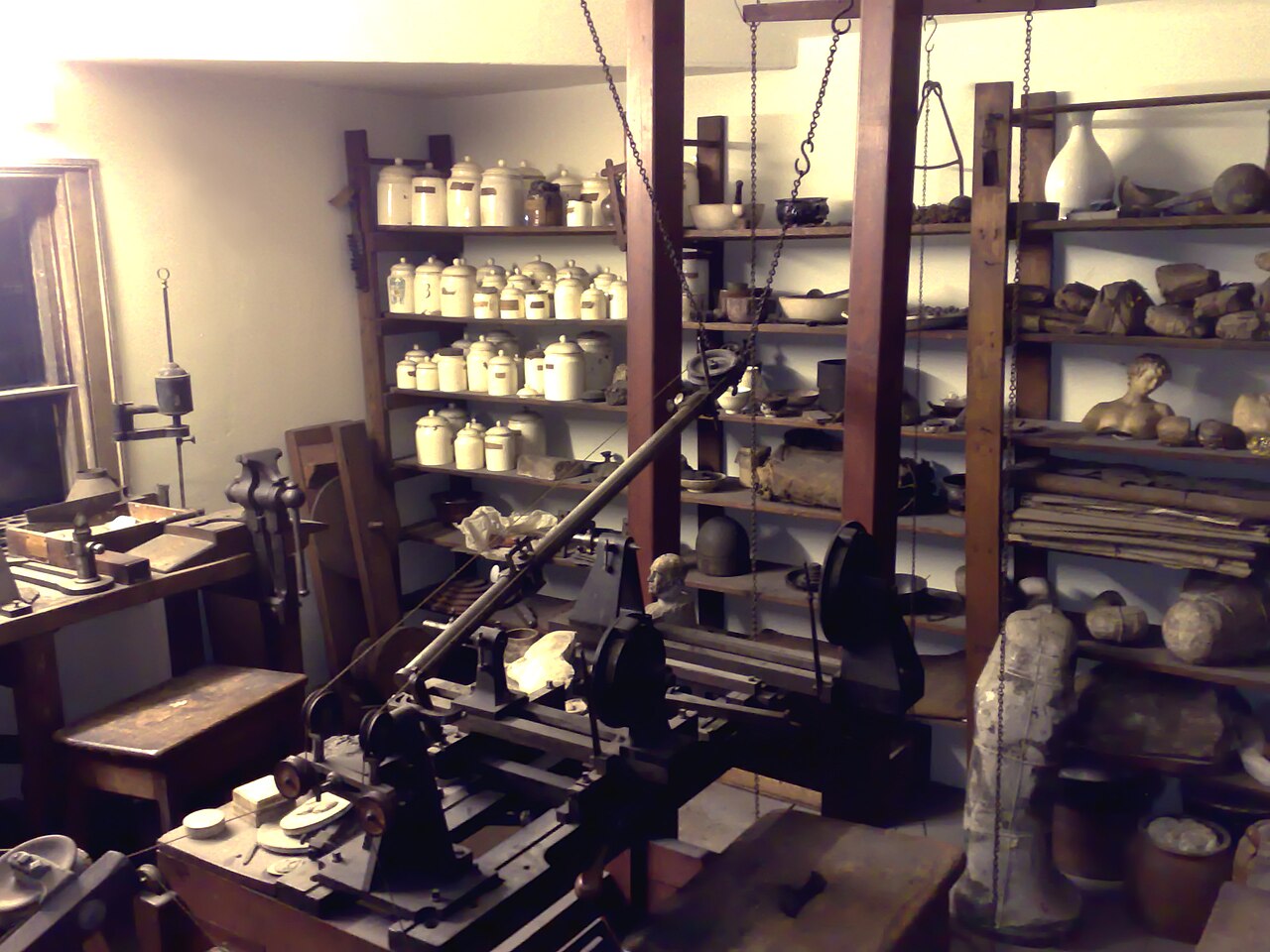
James Watt's Workshop
 Artifact
Primary source
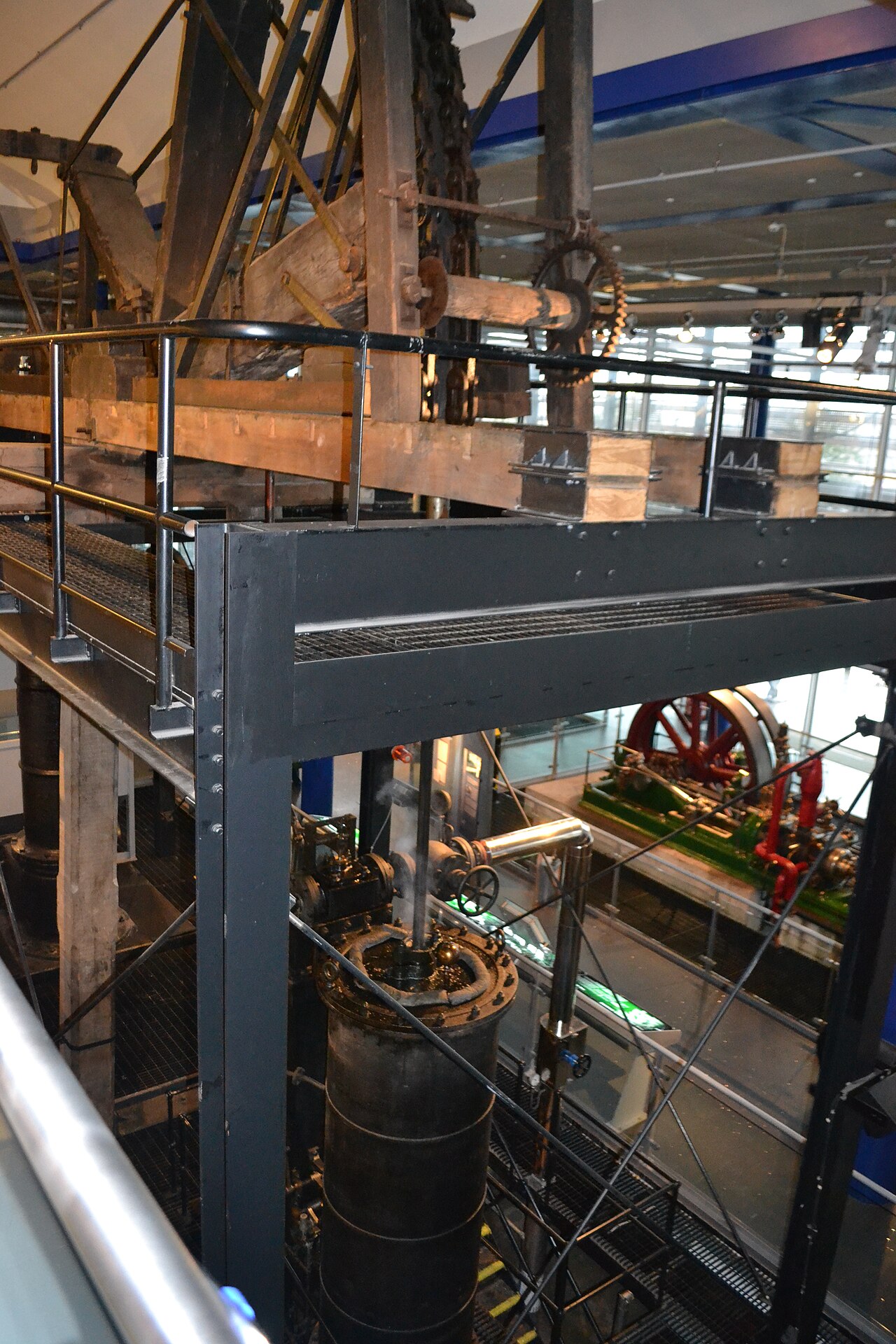
Smethwick Engine
James Watt · 1779
Ready when you are
Start chatting with James Watt now.
20 messages free · No credit card · Available in 50+ languages.