


Primary sourcePaintingc. 1279–1213 BCE
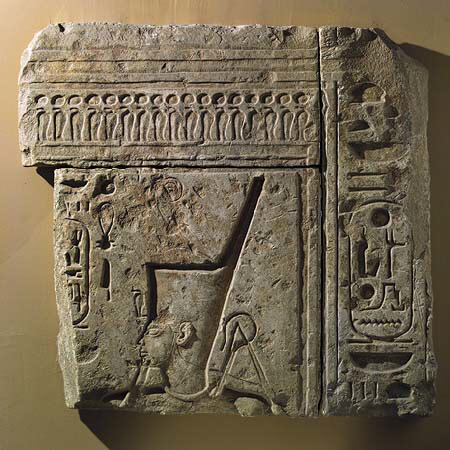
Jubilee Relief of Ramesses II
c. 1279–1213 BCE
A temple relief carved during the reign of Ramesses II, showing the king around the time of his jubilee celebrations.
This temple relief, carved during his reign, shows Ramesses II in a ceremonial jubilee scene.
About this source
What it is
This is a carved limestone temple relief from the New Kingdom, Ramesside period, dated to around the reign of Ramesses II. It shows a seated figure in profile alongside columns of hieroglyphic inscriptions, with decorative rosette motifs along the top border.
Why it matters
Temple reliefs like this were carved to record and celebrate royal ceremonies, such as jubilees marking long reigns. They give historians evidence of how kings like Ramesses II wanted to be remembered and how religious and political power were displayed together.
Look closer
- What does the seated pose of the figure suggest about his status?
- Why do you think hieroglyphic text and images were combined on temple walls?
- What might this relief be missing that would help us understand the full scene?
This painting is part of the curated material that grounds the AI version of Ramses II (Ramses the Great) on Humy.ai — when students ask about related events, the AI can quote it and cite it.
More Ramses II (Ramses the Great) sources
Meet the AI Ramses II (Ramses the Great) →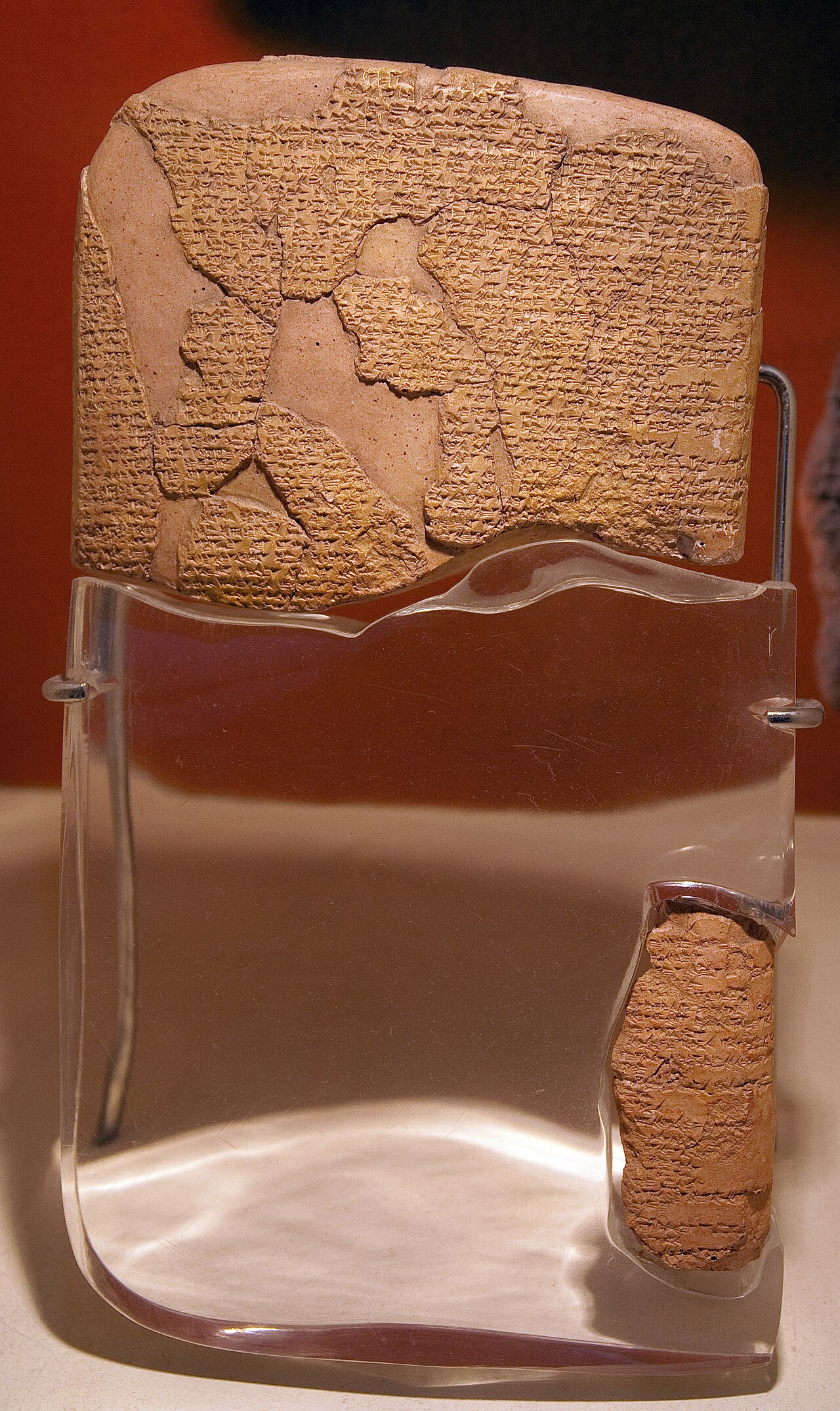 Document
Primary source
Egyptian–Hittite Peace Treaty
c. 1258 BCE
 Photograph
Secondary source
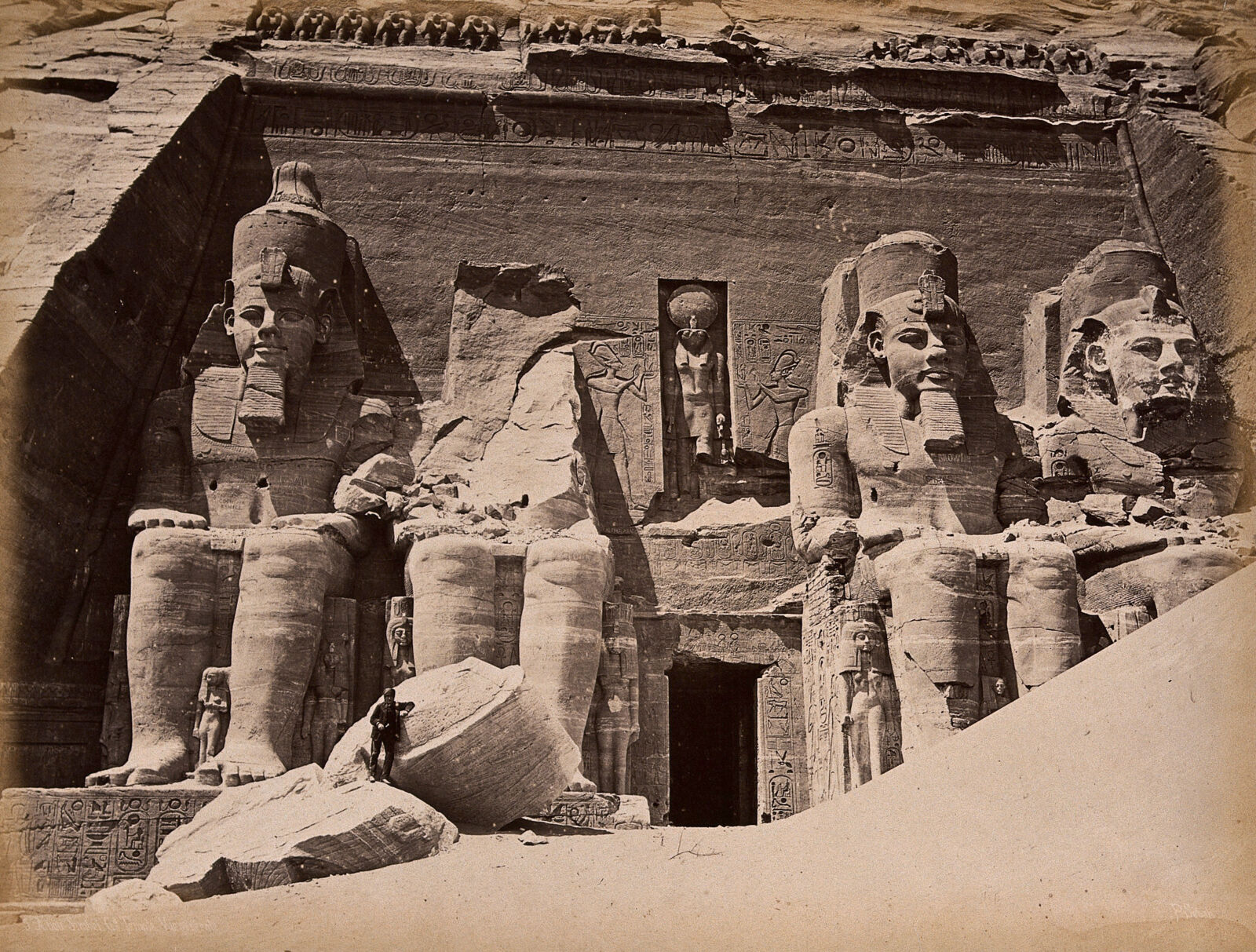
Abu Simbel Temple Colossi
Pascal Sébah · 1875
 Artifact
Primary source
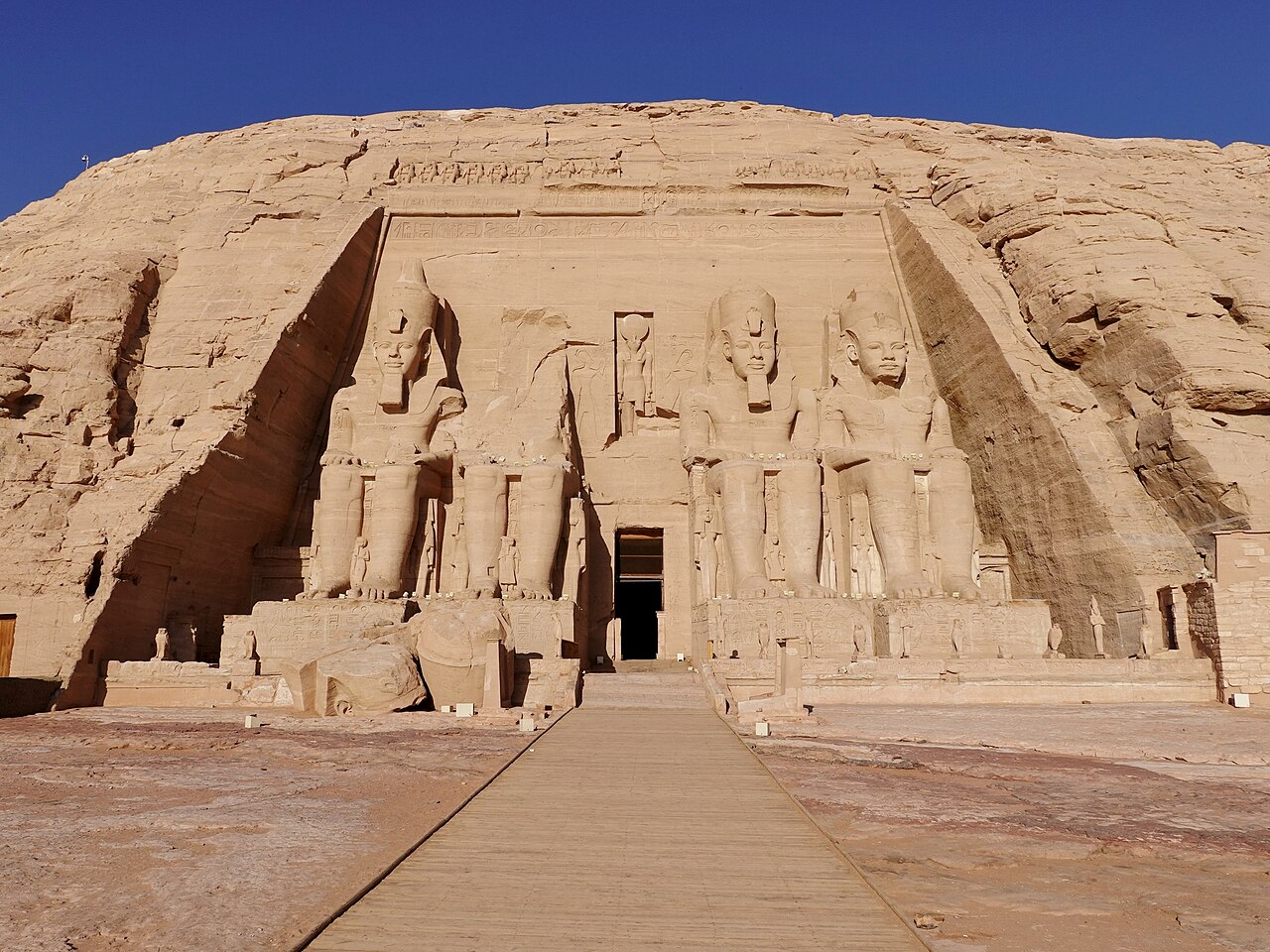
Abu Simbel
Ramesses II · c. 1273 BCE
 Photograph
Secondary source
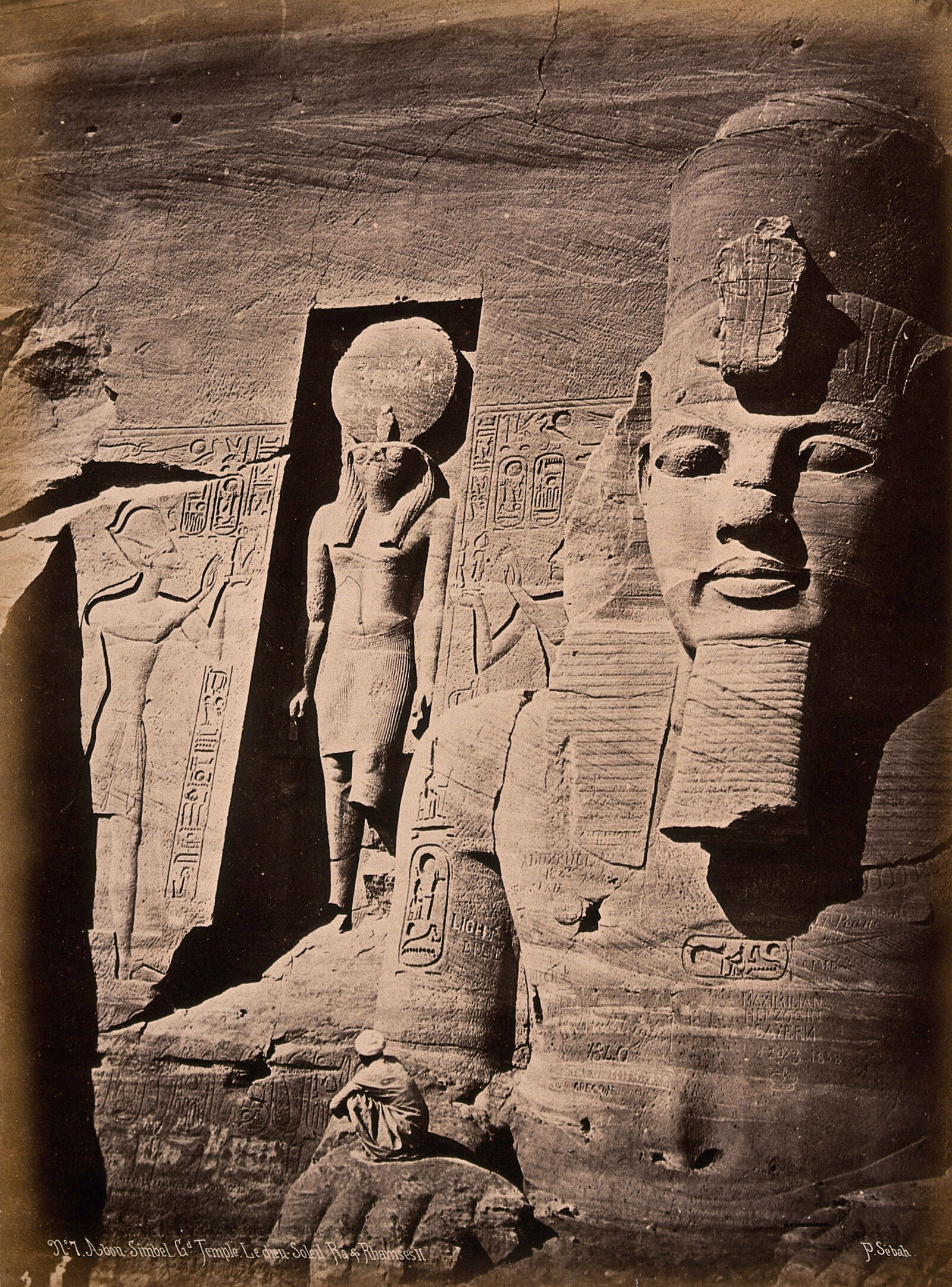
Facade Detail of Abu Simbel Showing Ramesses II and Ra
Pascal Sébah · 1875
 Photograph
Secondary source
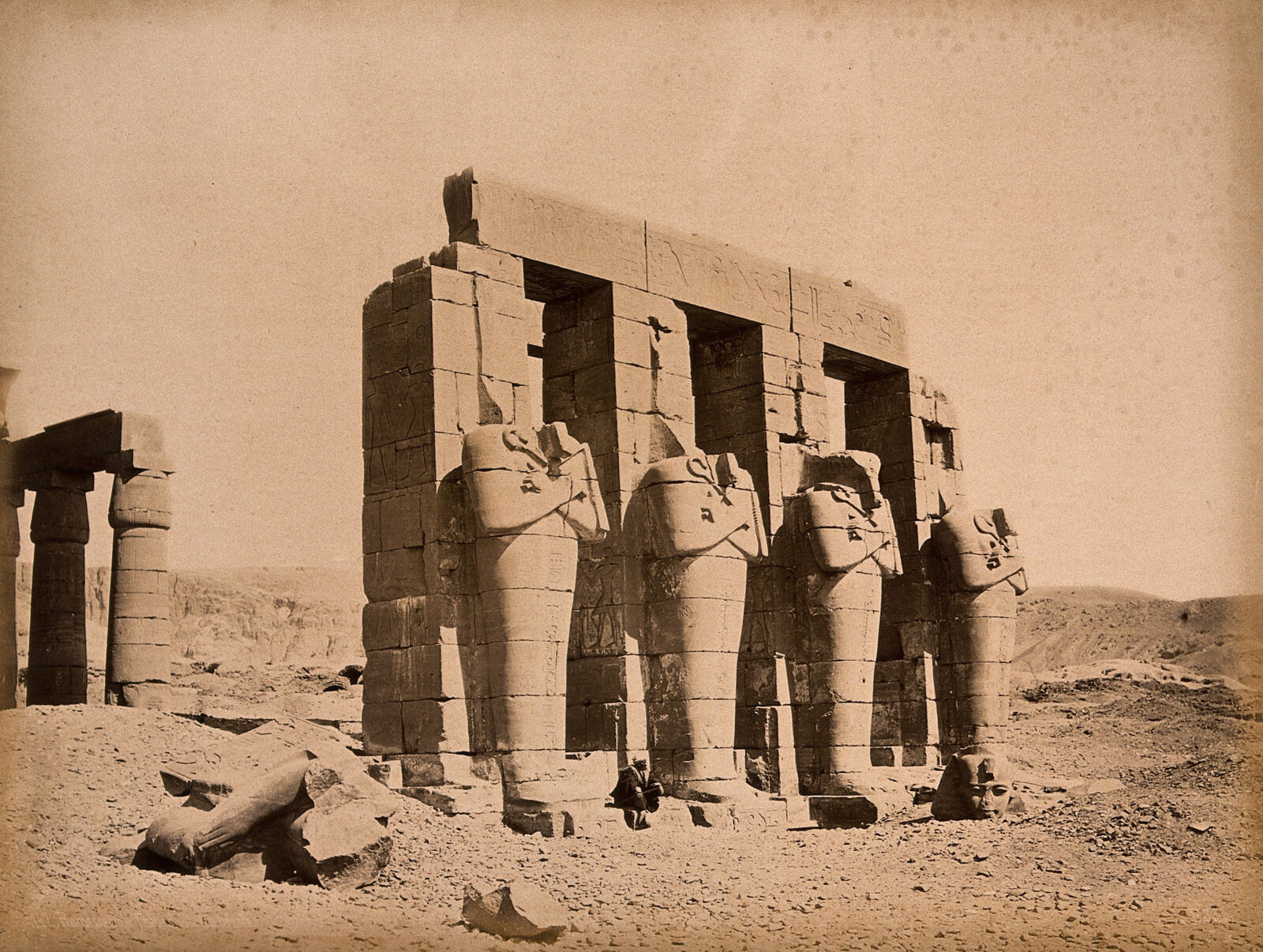
Ramesseum Colossi in Ruins
Pascal Sébah · c. 1875
Ready when you are
Start chatting with Ramses II (Ramses the Great) now.
20 messages free · No credit card · Available in 50+ languages.