


Primary sourceSculpturec. 1279–1213 BCE
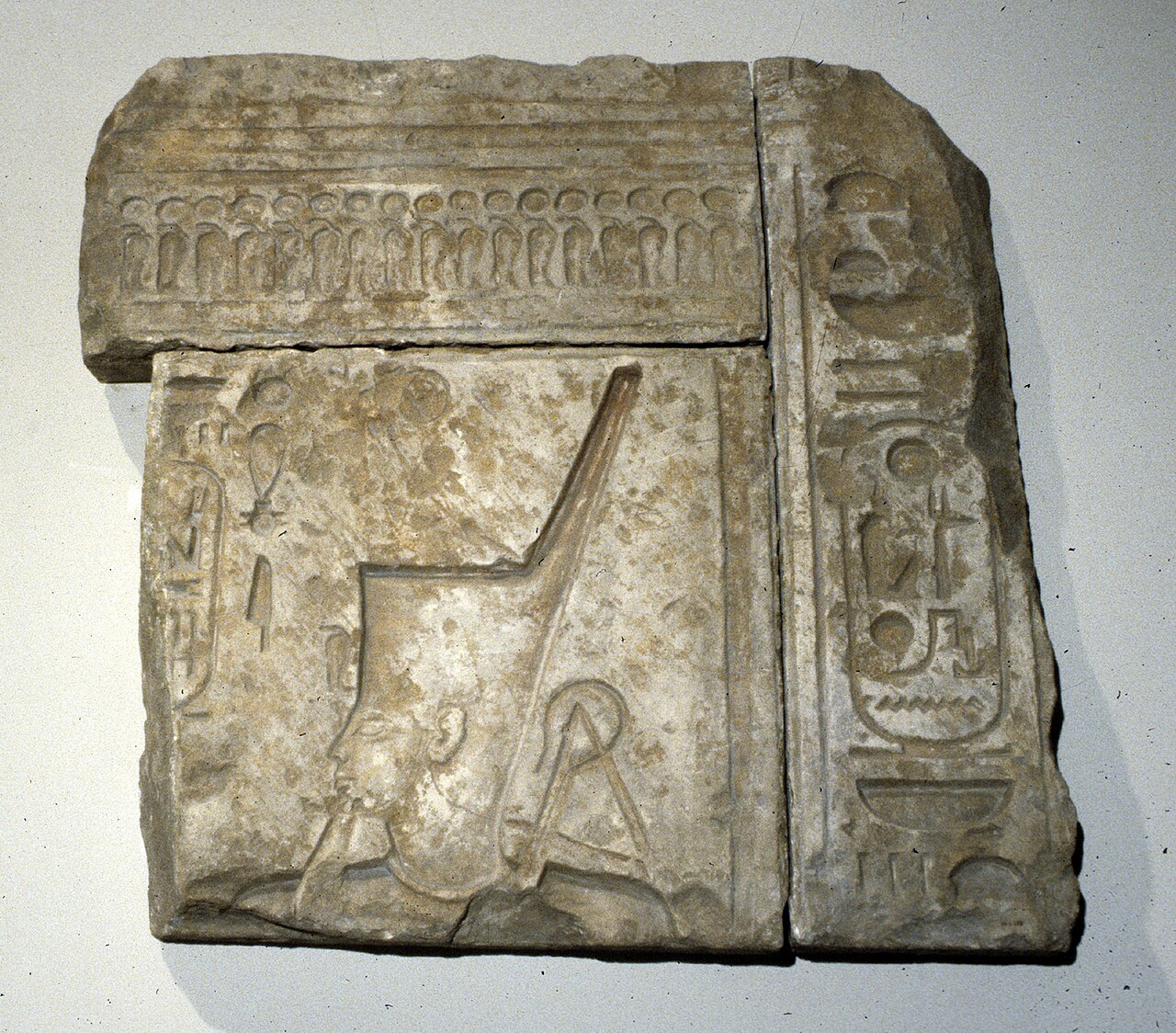
Jubilee Relief of Ramesses II, Temple Fragment
c. 1279–1213 BCE
A fragment of a temple relief from the reign of Ramesses II, showing a standing figure and hieroglyphic inscriptions.
This temple relief fragment from his reign shows a royal figure and his name in a cartouche, linking it to Ramesses II.
About this source
What it is
This is a carved limestone temple relief fragment, in two joined pieces, from the New Kingdom, Ramesside period, dated to around the reign of Ramesses II. It shows a standing figure with a striped headdress holding a curved, sickle-like object, alongside a cartouche and columns of hieroglyphic text.
Why it matters
Fragments like this were once part of larger temple decoration celebrating royal power and religious ceremony. Even broken, they give evidence of how Ramesses II's image and name (shown in the cartouche) were carved into temple walls to assert his authority.
Look closer
- What object is the figure holding, and what might it represent?
- Why do you think the king's name was enclosed in a cartouche?
- What parts of the original relief are missing, and how might that affect our understanding of the scene?
This sculpture is part of the curated material that grounds the AI version of Ramses II (Ramses the Great) on Humy.ai — when students ask about related events, the AI can quote it and cite it.
More Ramses II (Ramses the Great) sources
Meet the AI Ramses II (Ramses the Great) →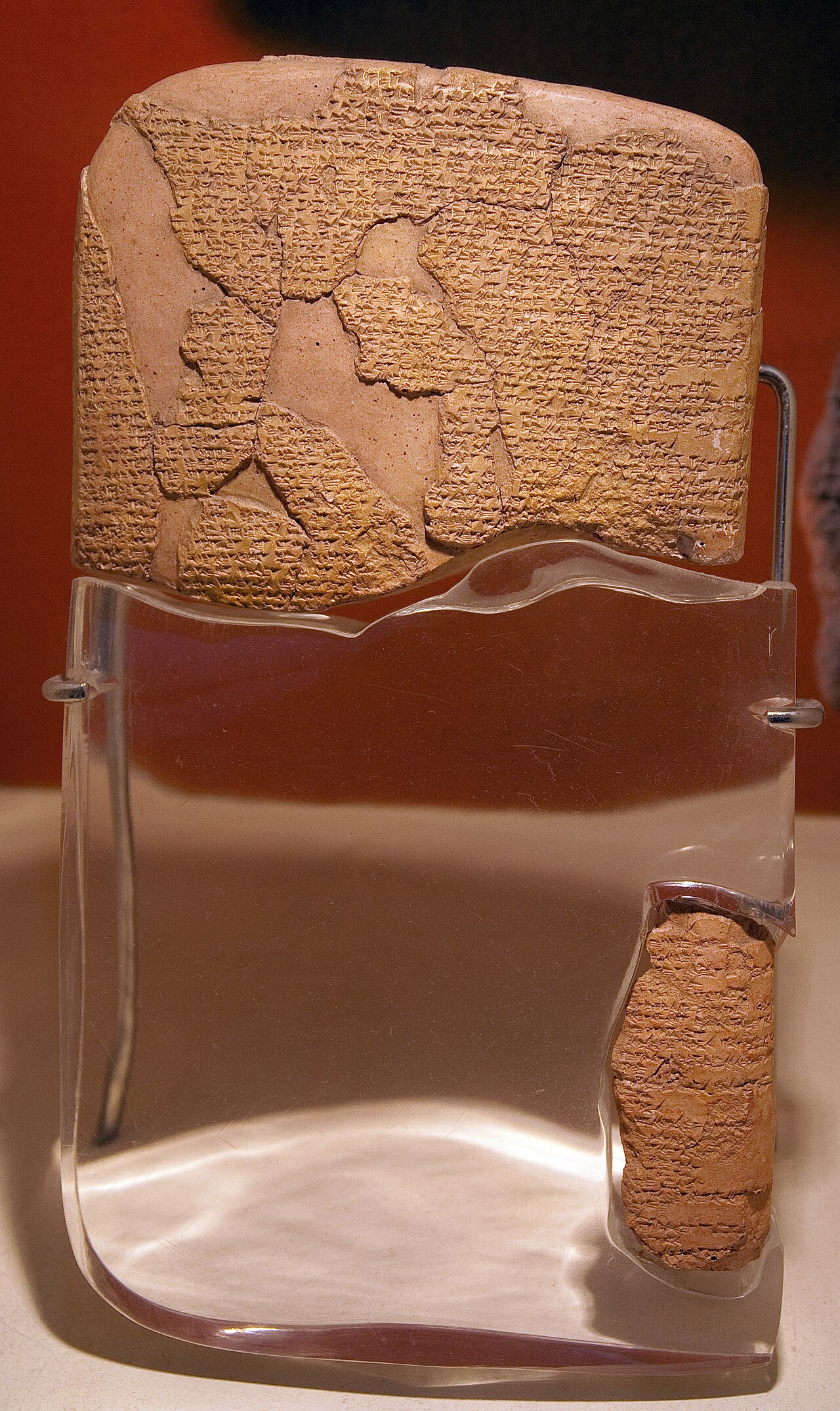 Document
Primary source
Egyptian–Hittite Peace Treaty
c. 1258 BCE
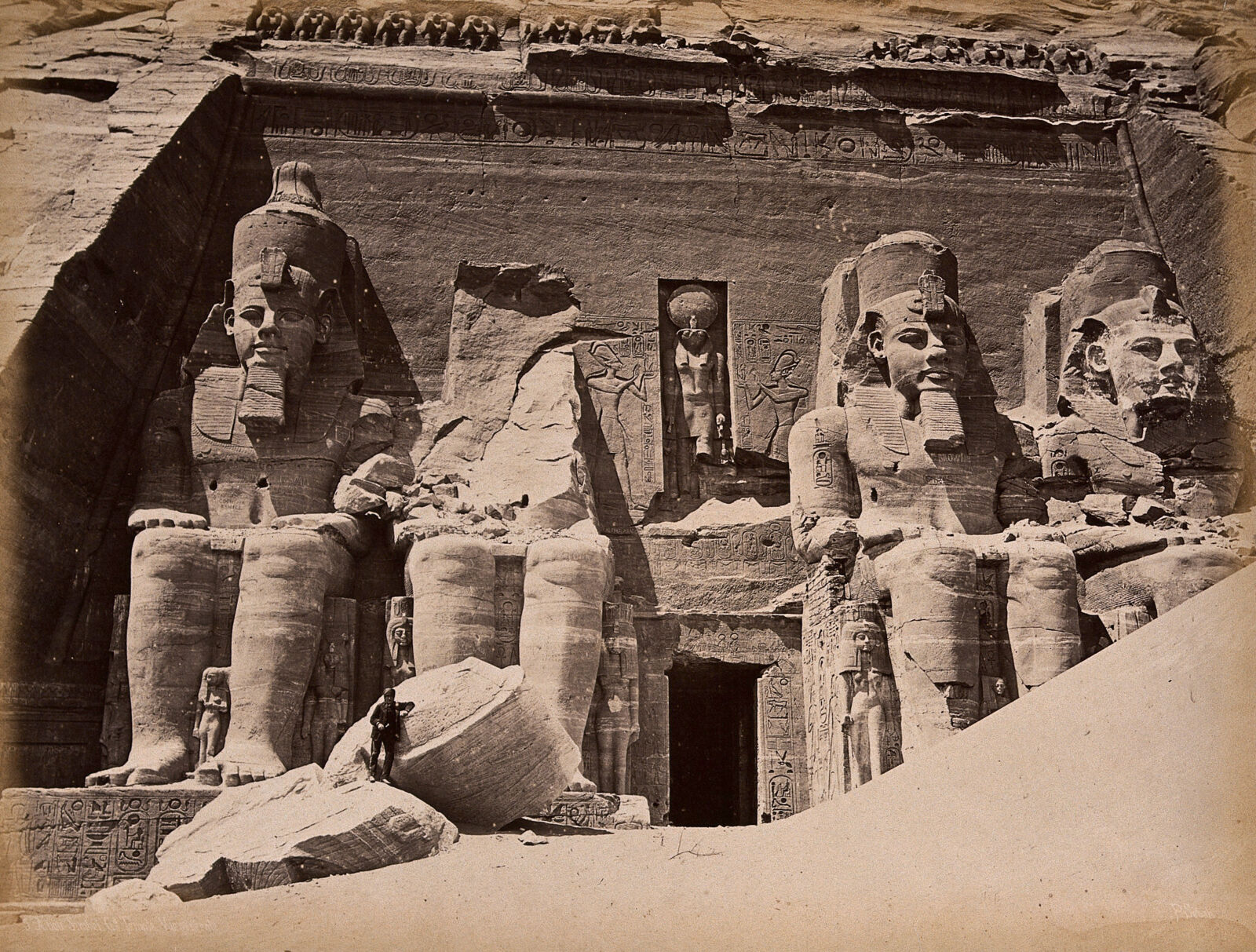 Photograph
Secondary source
Abu Simbel Temple Colossi
Pascal Sébah · 1875
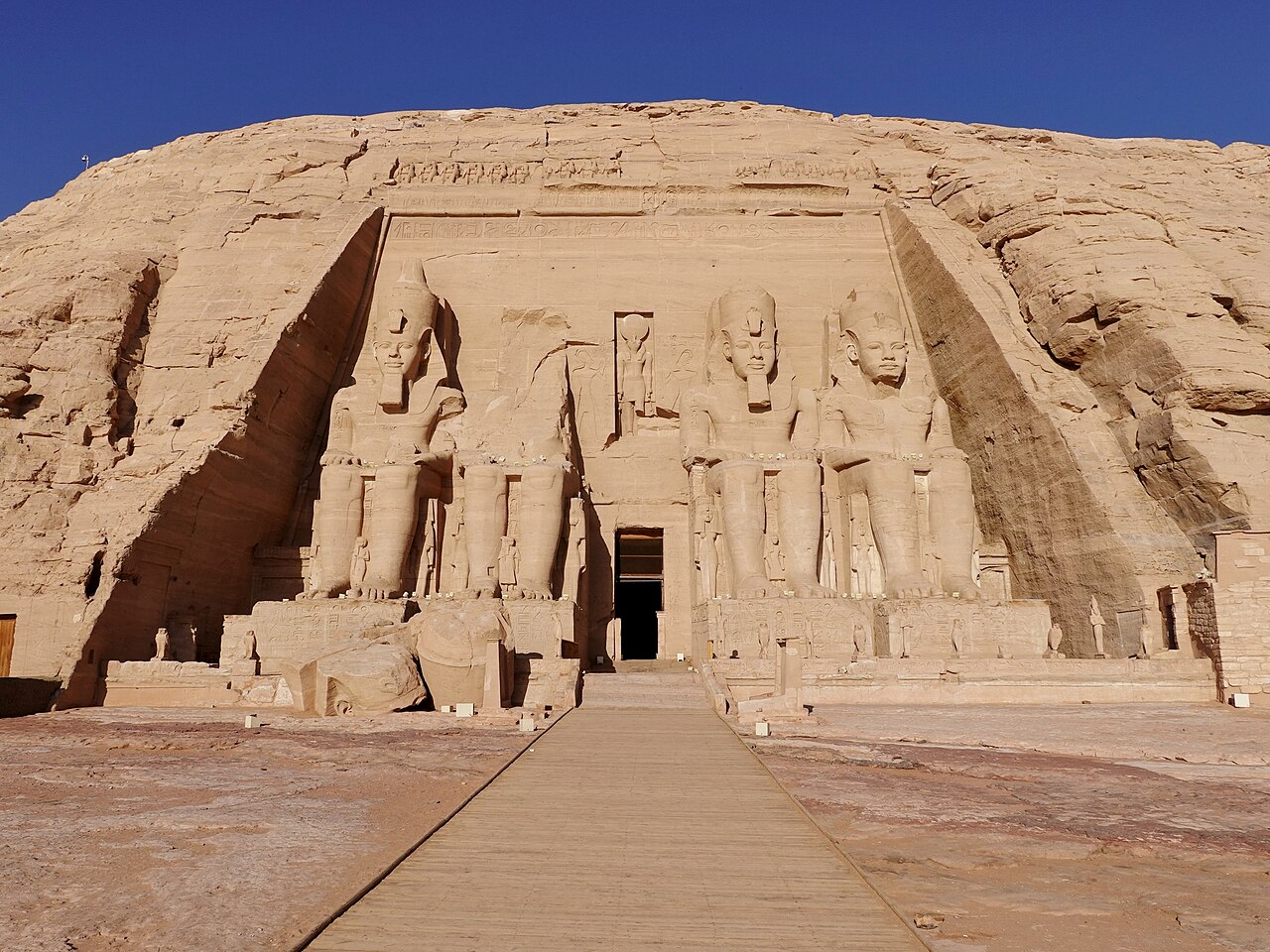 Artifact
Primary source
Abu Simbel
Ramesses II · c. 1273 BCE
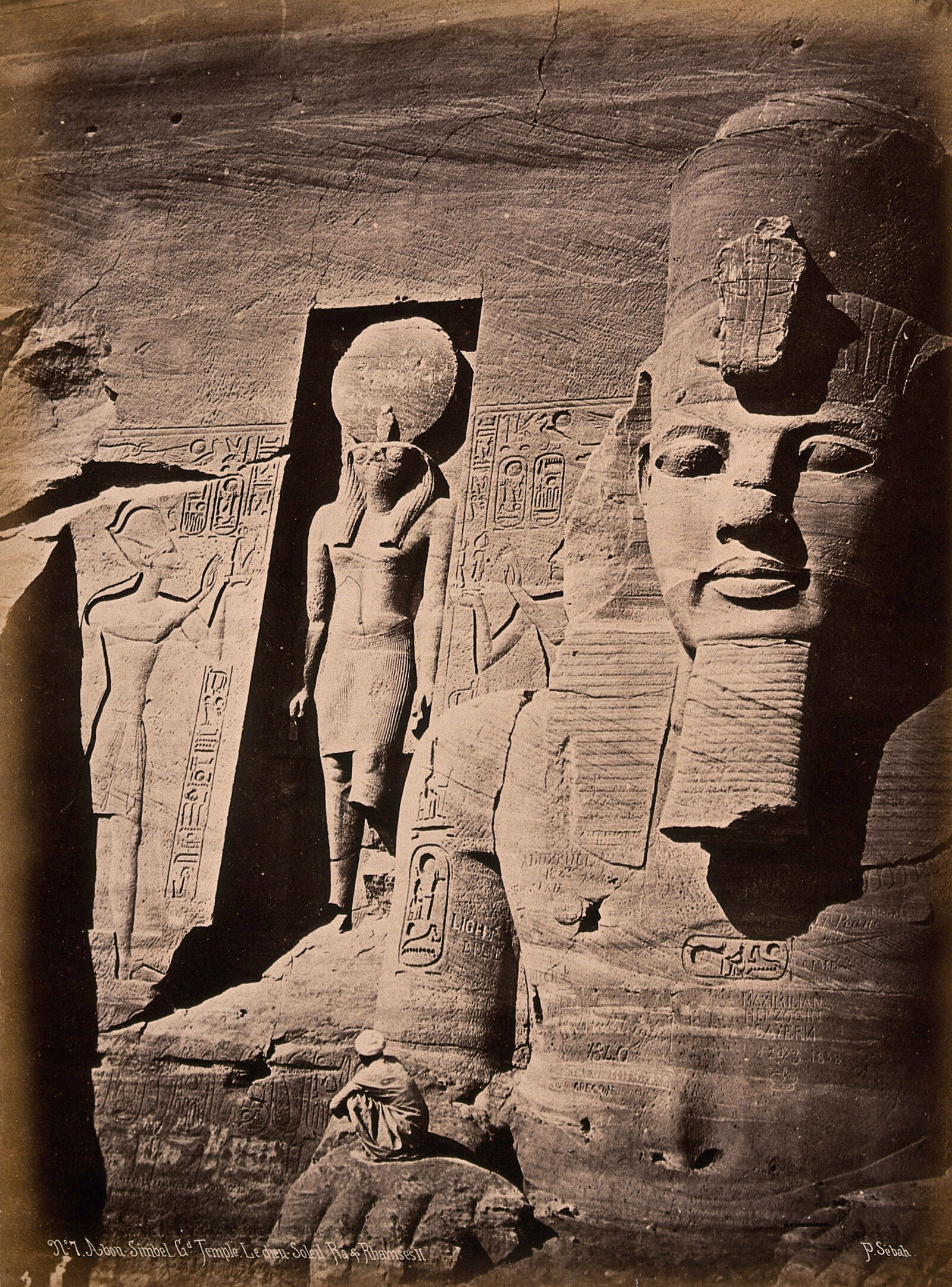 Photograph
Secondary source
Facade Detail of Abu Simbel Showing Ramesses II and Ra
Pascal Sébah · 1875
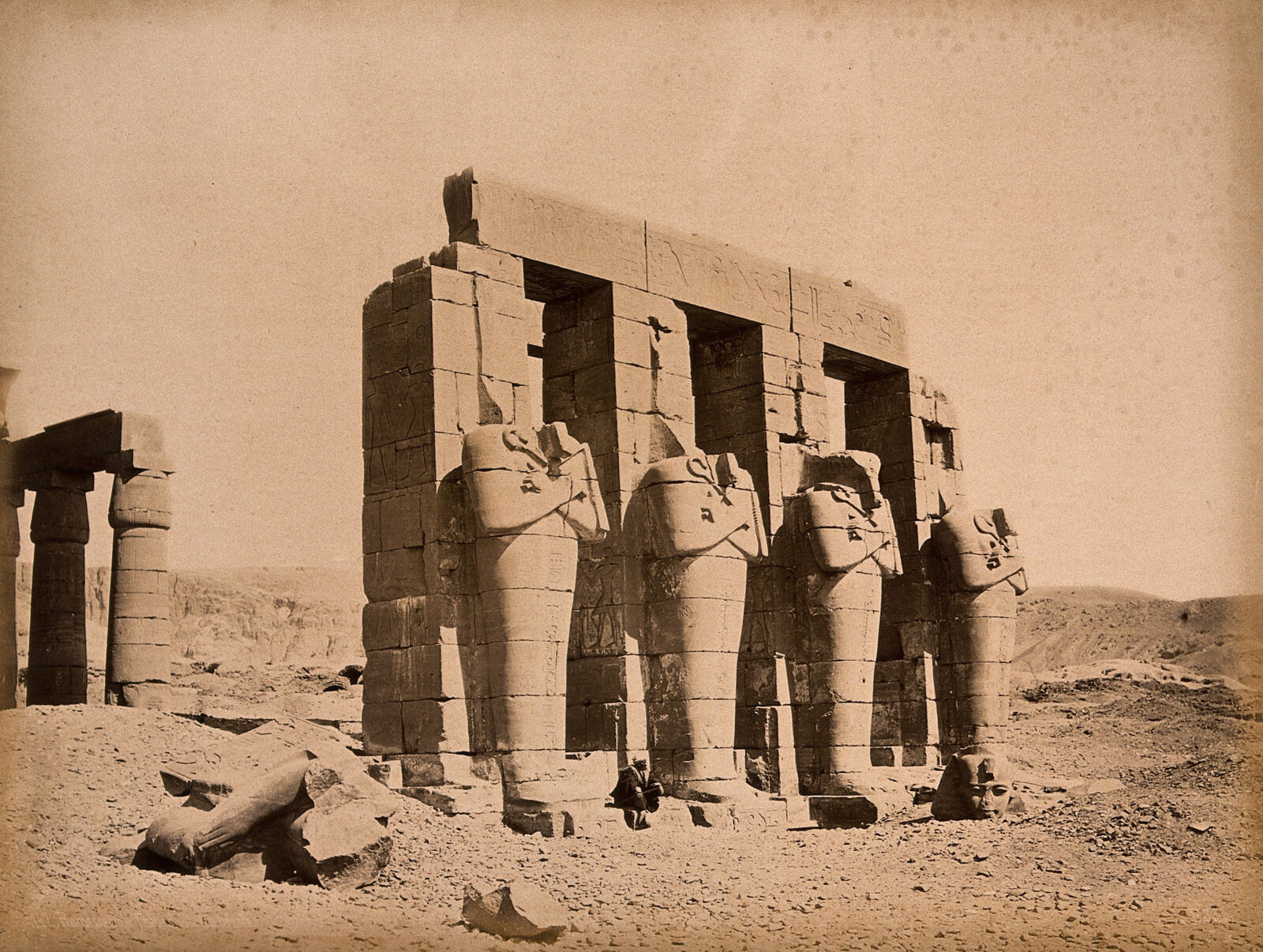 Photograph
Secondary source
Ramesseum Colossi in Ruins
Pascal Sébah · c. 1875
Ready when you are
Start chatting with Ramses II (Ramses the Great) now.
20 messages free · No credit card · Available in 50+ languages.