


Secondary sourcePainting
Kongzi
Unknown author
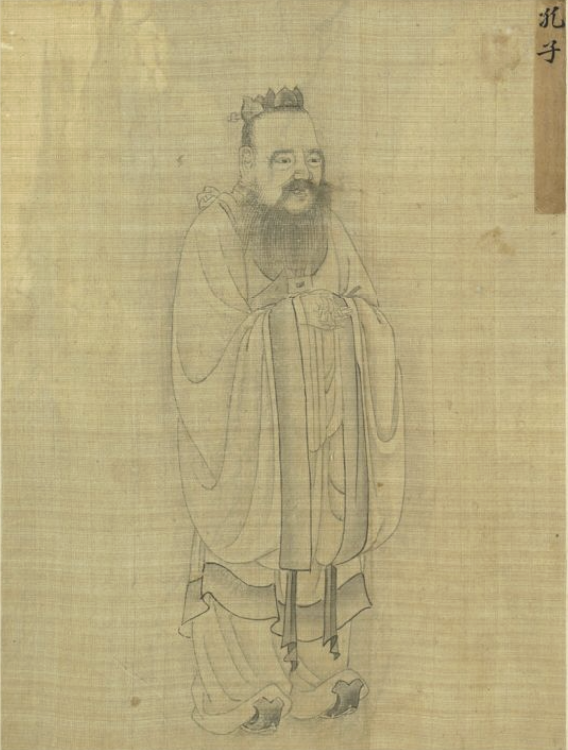
A Qing palace ink portrait of Confucius standing in long robes and a crown, from an album of sage rulers and worthy ministers.
This later imperial portrait shows how Confucius was imagined and honored centuries after his death, as a symbol of sagely authority.
About this source
What it is
This is a full-length ink drawing on silk showing Confucius standing in flowing robes with a crown, hands clasped before him. It comes from the Qing palace album Full-length Portraits of Sage Rulers and Worthy Ministers, made by an unknown artist.
Why it matters
This image does not show what Confucius actually looked like — he lived centuries before the painting was made. Instead it shows how the imperial court imagined and honored him, placing him among sage rulers and worthy ministers as a symbol of moral authority.
Look closer
- What does the clothing and posture suggest about how the artist wanted viewers to see Confucius?
- Why might an emperor's court want to create and display portraits like this one?
- Since no portrait from Confucius's own lifetime survives, what does this image really tell us — about Confucius, or about the people who made it?
This painting is part of the curated material that grounds the AI version of Confucius on Humy.ai — when students ask about related events, the AI can quote it and cite it.
More Confucius sources
Meet the AI Confucius →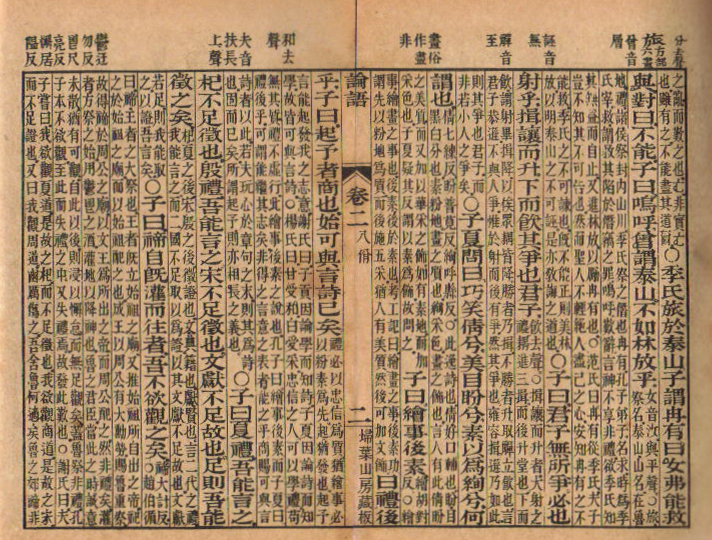 Book
Secondary source
Analects
c. 480 BCE – 2nd century BCE
 Book
Secondary source
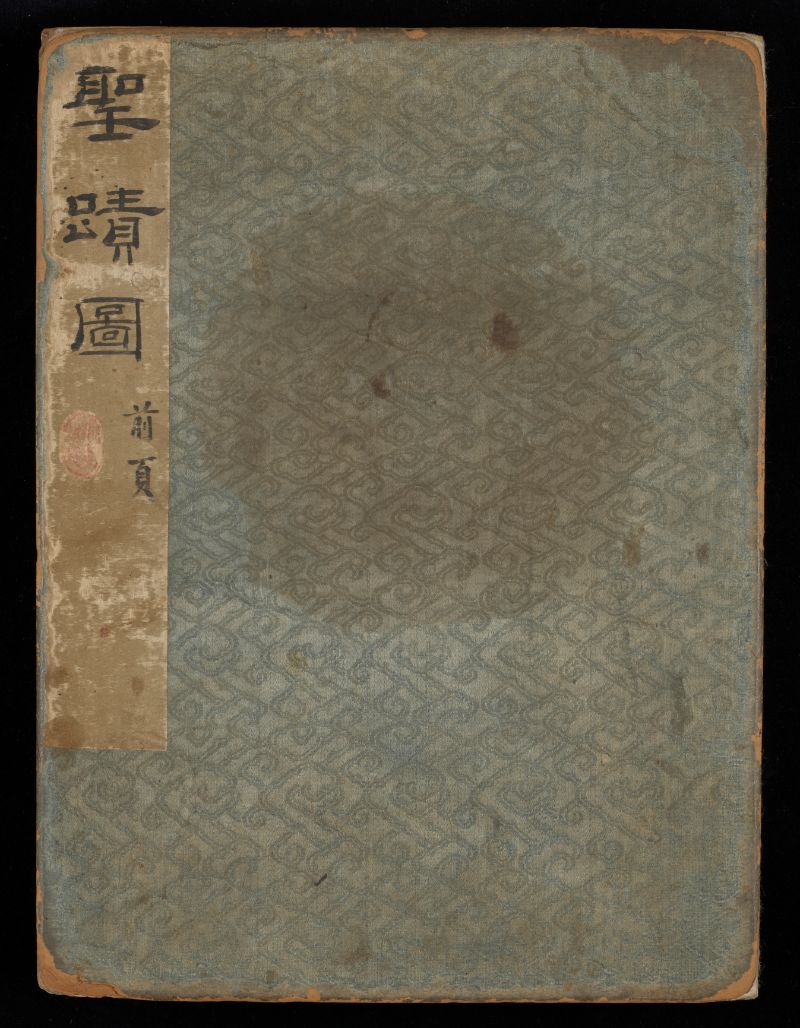
Pictures of the Sage's Traces
Unknown · 1758
Secondary source
Records of the Grand Historian, Vol. 47: Hereditary House of Confucius
Sima Qian · c. 94 BCE
 Photograph
Primary source
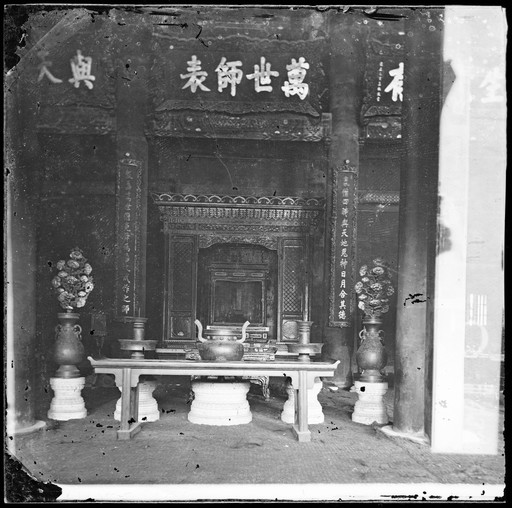
Temple of Confucius, Peking (Interior)
John Thomson · 1871
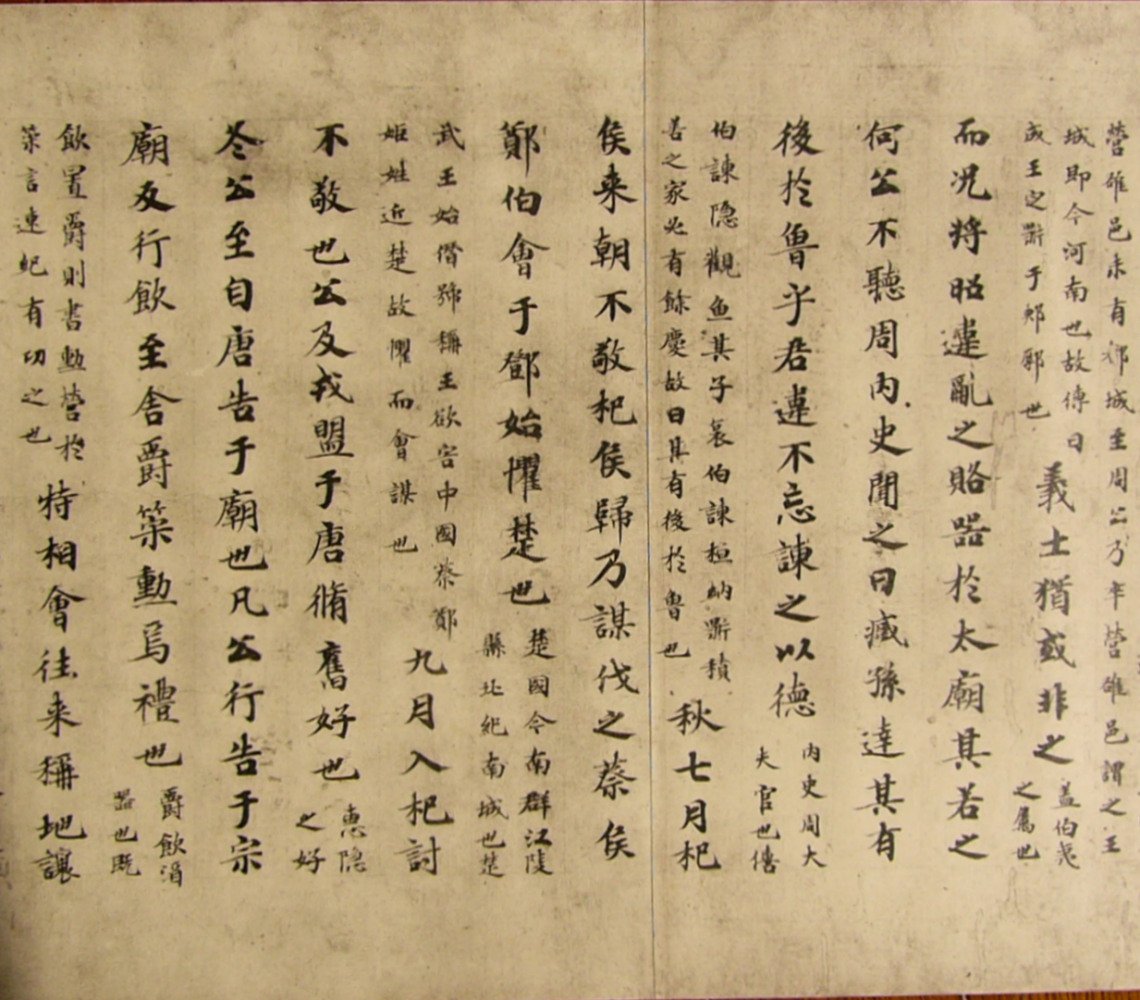 Document
Secondary source
Spring and Autumn Annals
Confucius · 5th century BCE
Ready when you are
Start chatting with Confucius now.
20 messages free · No credit card · Available in 50+ languages.