


Secondary sourceArtifact
KV5
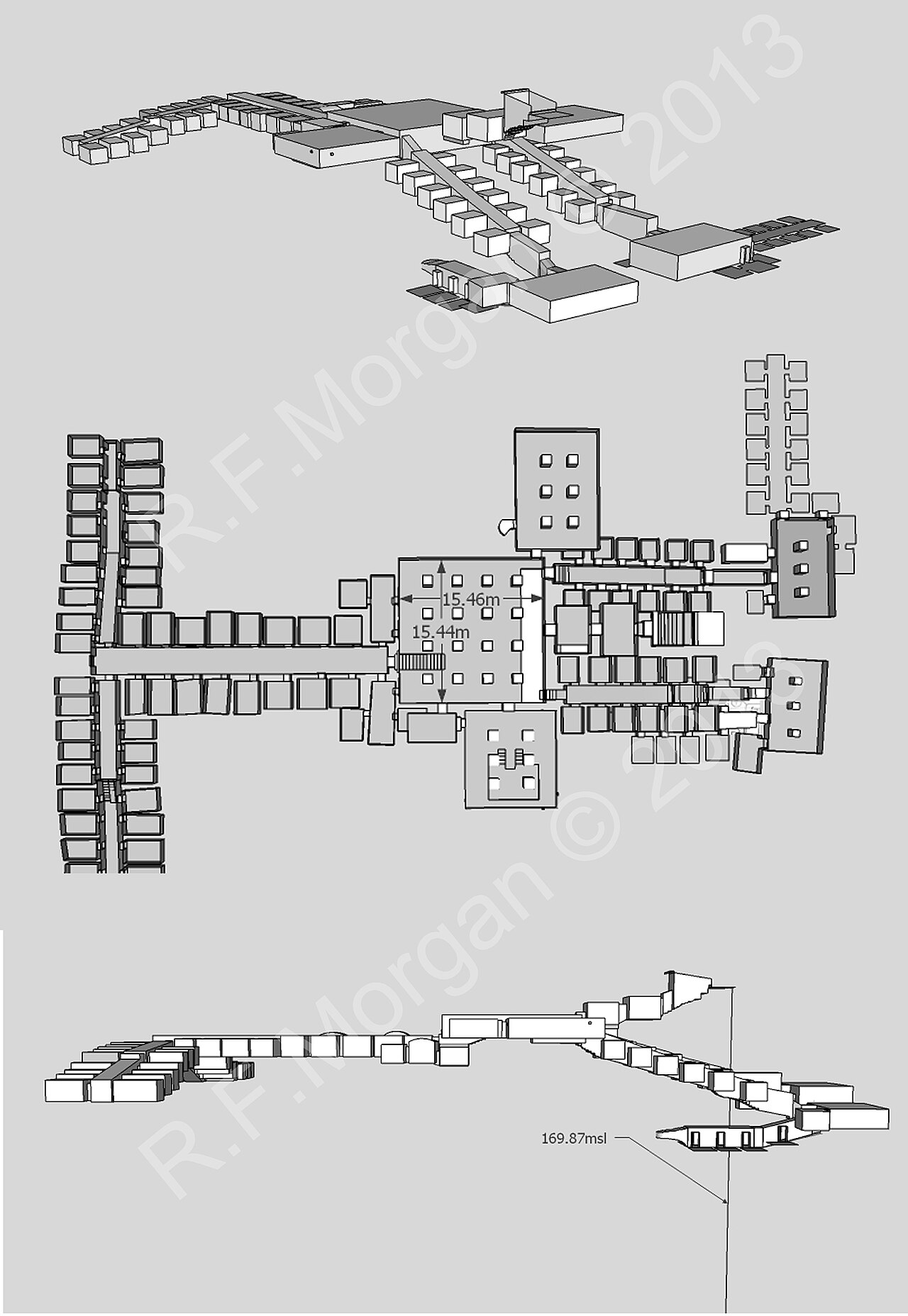
A huge rock-cut tomb in the Valley of the Kings built for the many sons of Ramesses II.
Ramesses II commissioned this mass tomb for his many sons, showing the scale of his family and long reign.
About this source
What it is
KV5 is a subterranean tomb in the Valley of the Kings, commissioned by Ramesses II for his sons. Partly explored in 1825, its true scale was only revealed in 1995 by Kent Weeks and the Theban Mapping Project, who found roughly 70 rooms, a number close to the pharaoh's many sons.
Why it matters
KV5 is the largest tomb found in the Valley of the Kings. Its scale reflects Ramesses II's long reign and large family, and the fact that he outlived many of his own children. The discovery renewed public interest in Egyptology and in the royal family surrounding him.
Look closer
- Why might a pharaoh build such a large shared tomb for his sons rather than separate ones?
- What does the size of this tomb suggest about his reign and family?
- Why do you think the tomb was overlooked by earlier excavators?
This artifact is part of the curated material that grounds the AI version of Ramses II (Ramses the Great) on Humy.ai — when students ask about related events, the AI can quote it and cite it.
More Ramses II (Ramses the Great) sources
Meet the AI Ramses II (Ramses the Great) →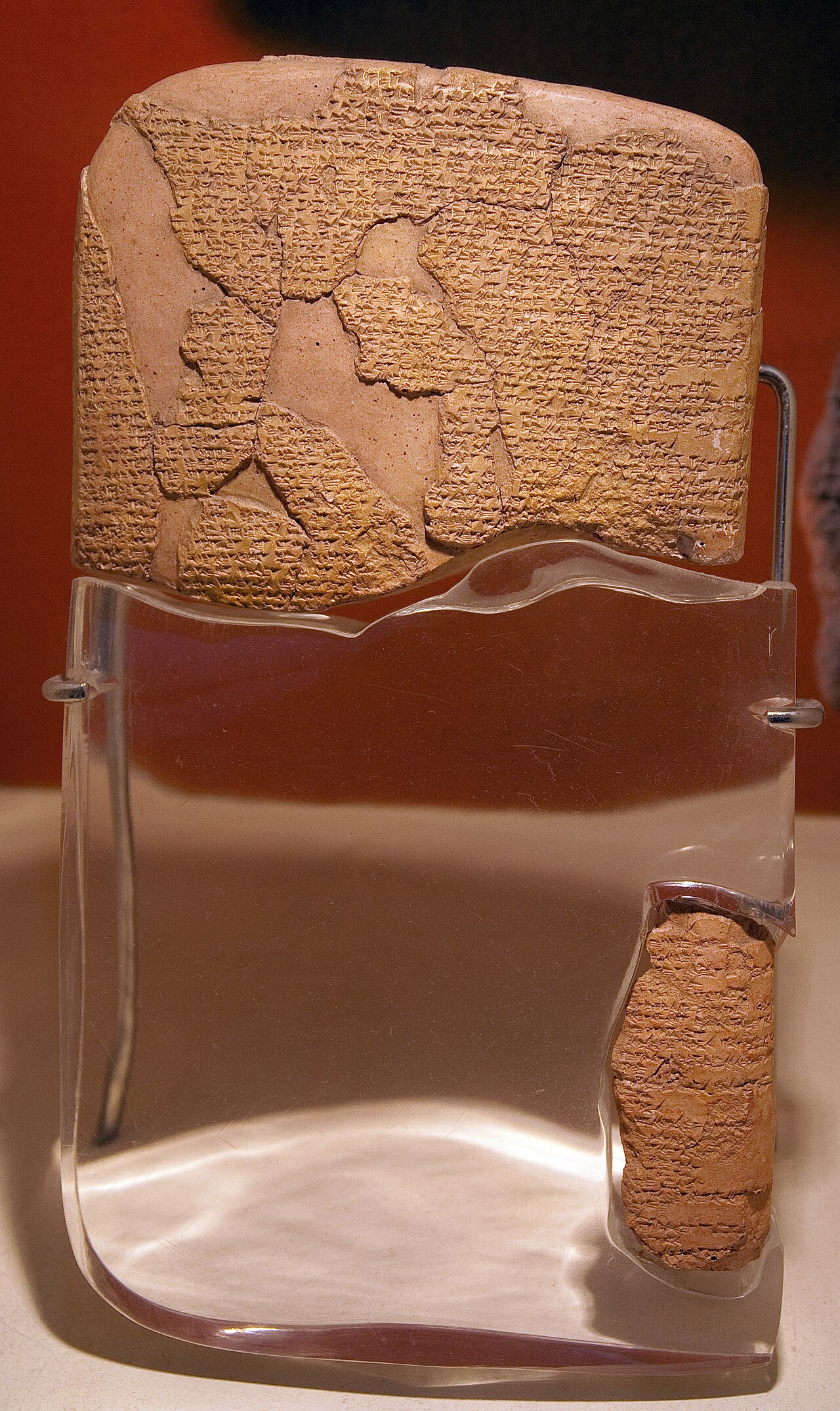 Document
Primary source
Egyptian–Hittite Peace Treaty
c. 1258 BCE
 Photograph
Secondary source
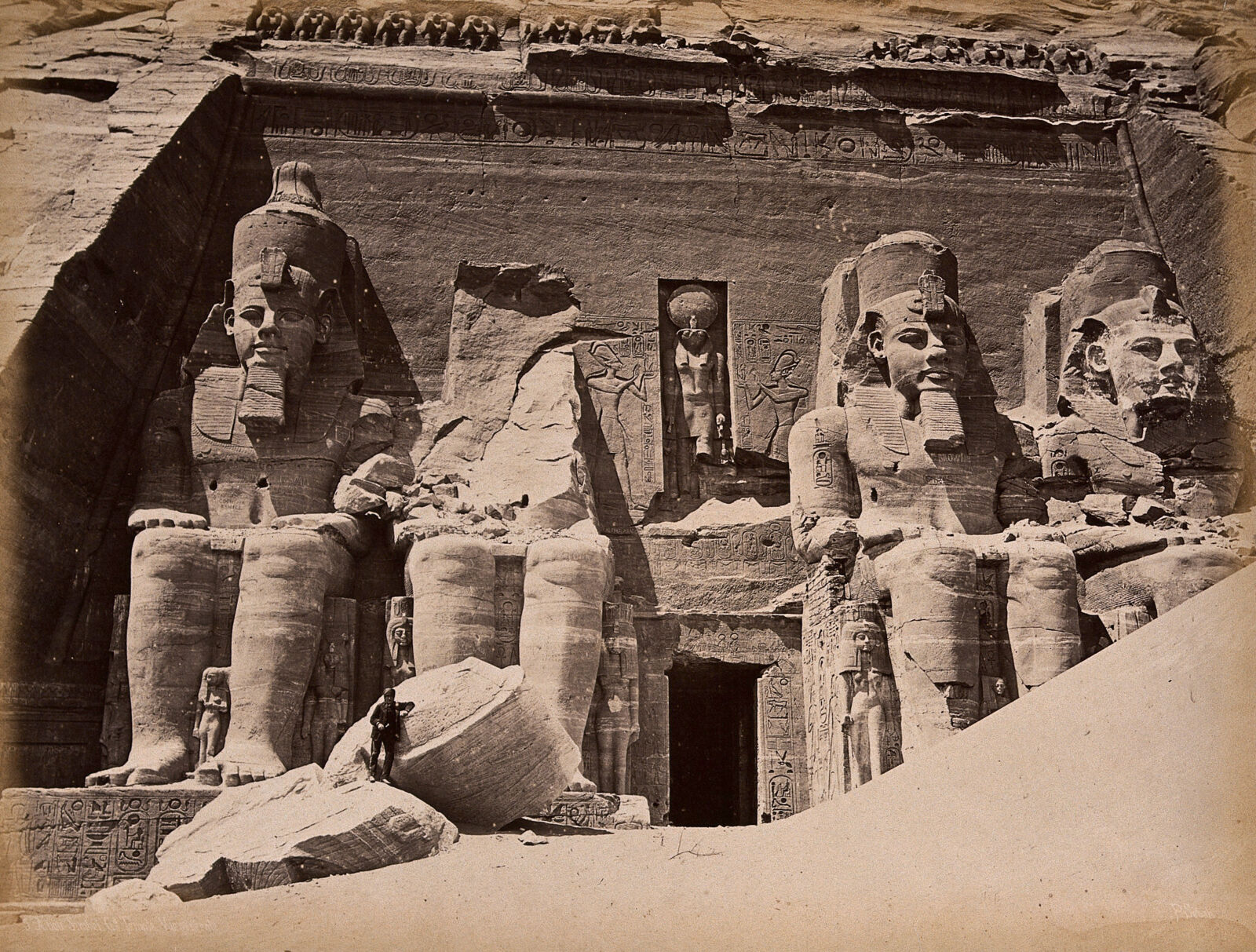
Abu Simbel Temple Colossi
Pascal Sébah · 1875
 Artifact
Primary source
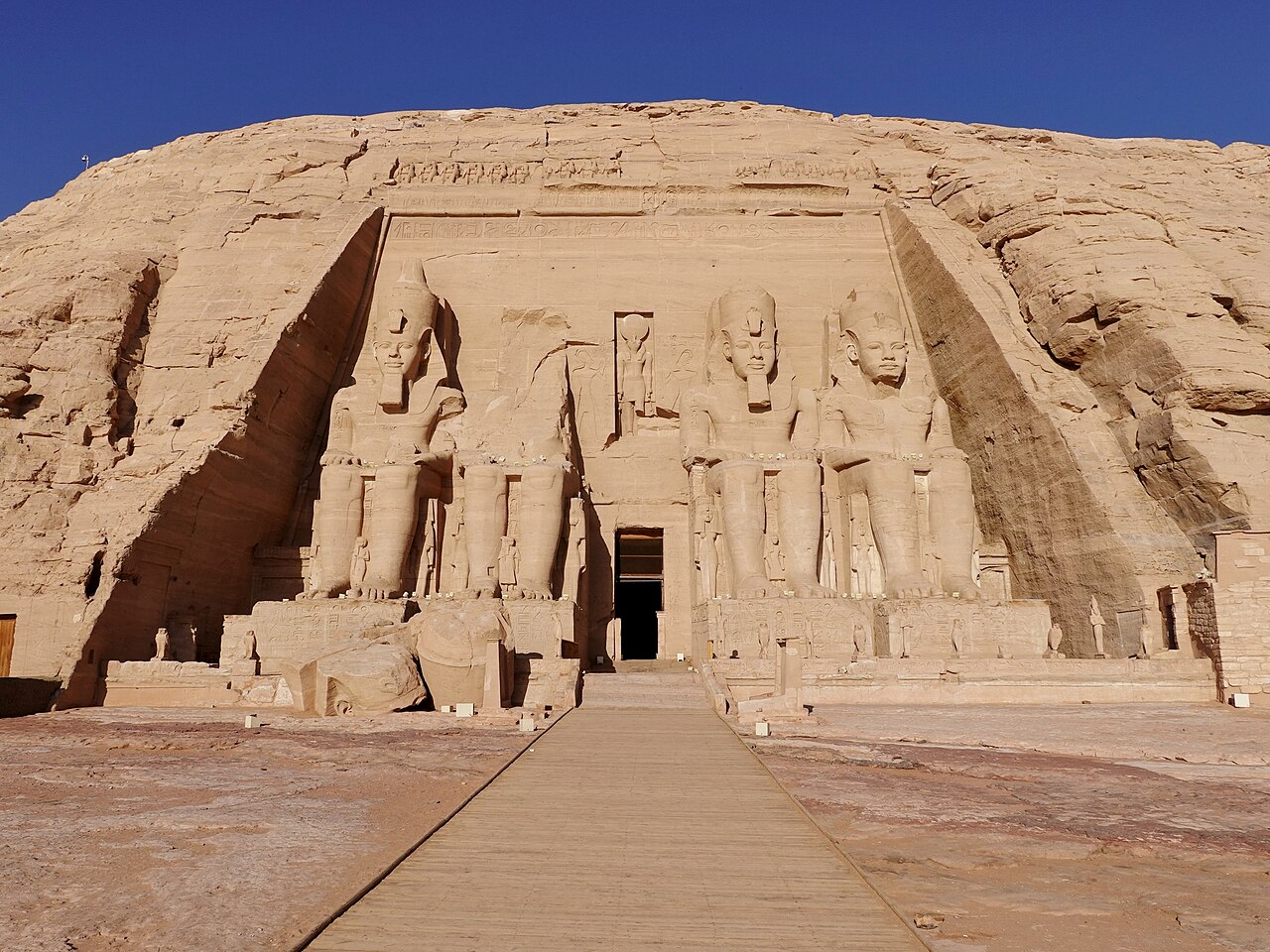
Abu Simbel
Ramesses II · c. 1273 BCE
 Photograph
Secondary source
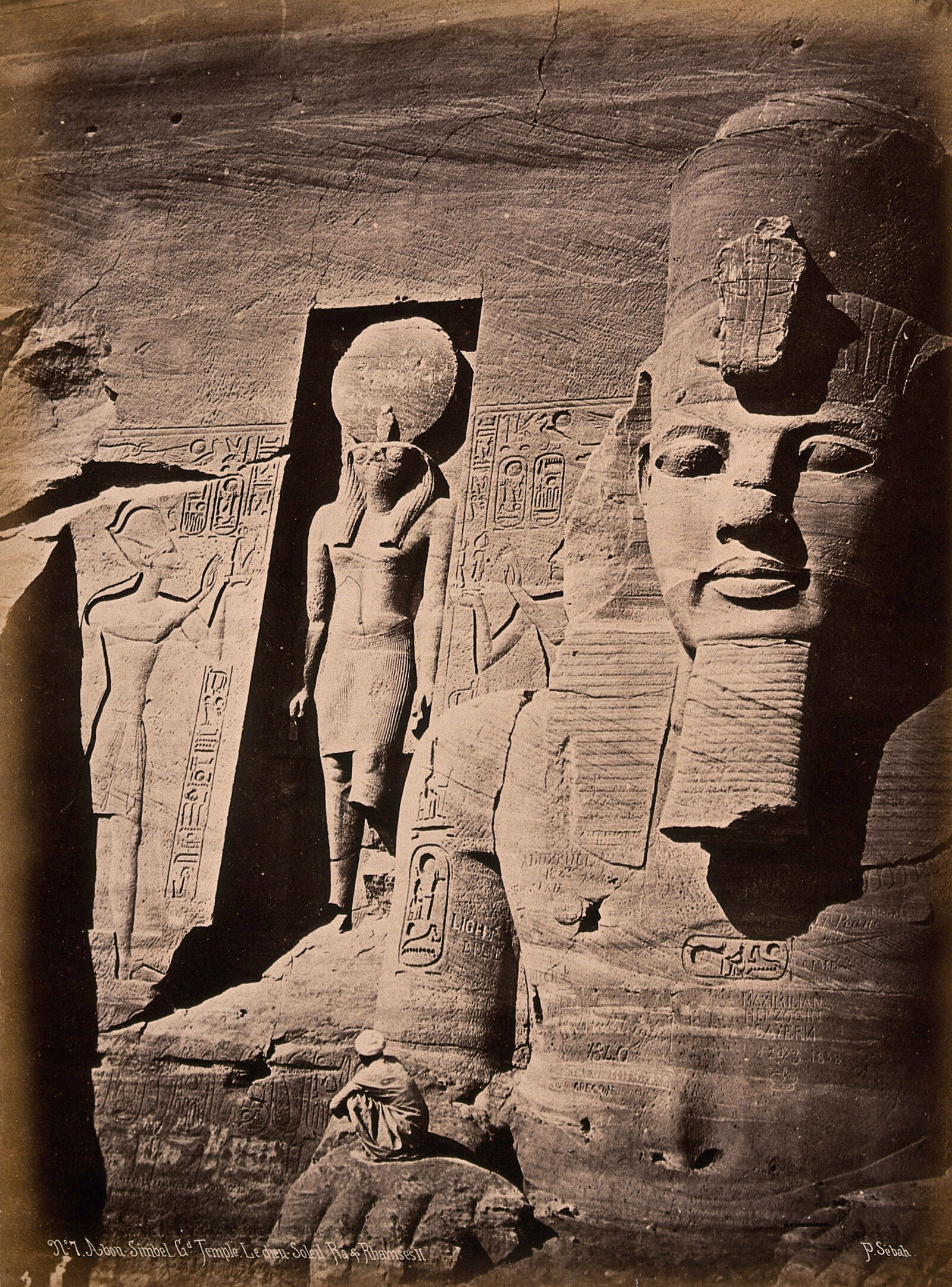
Facade Detail of Abu Simbel Showing Ramesses II and Ra
Pascal Sébah · 1875
 Photograph
Secondary source
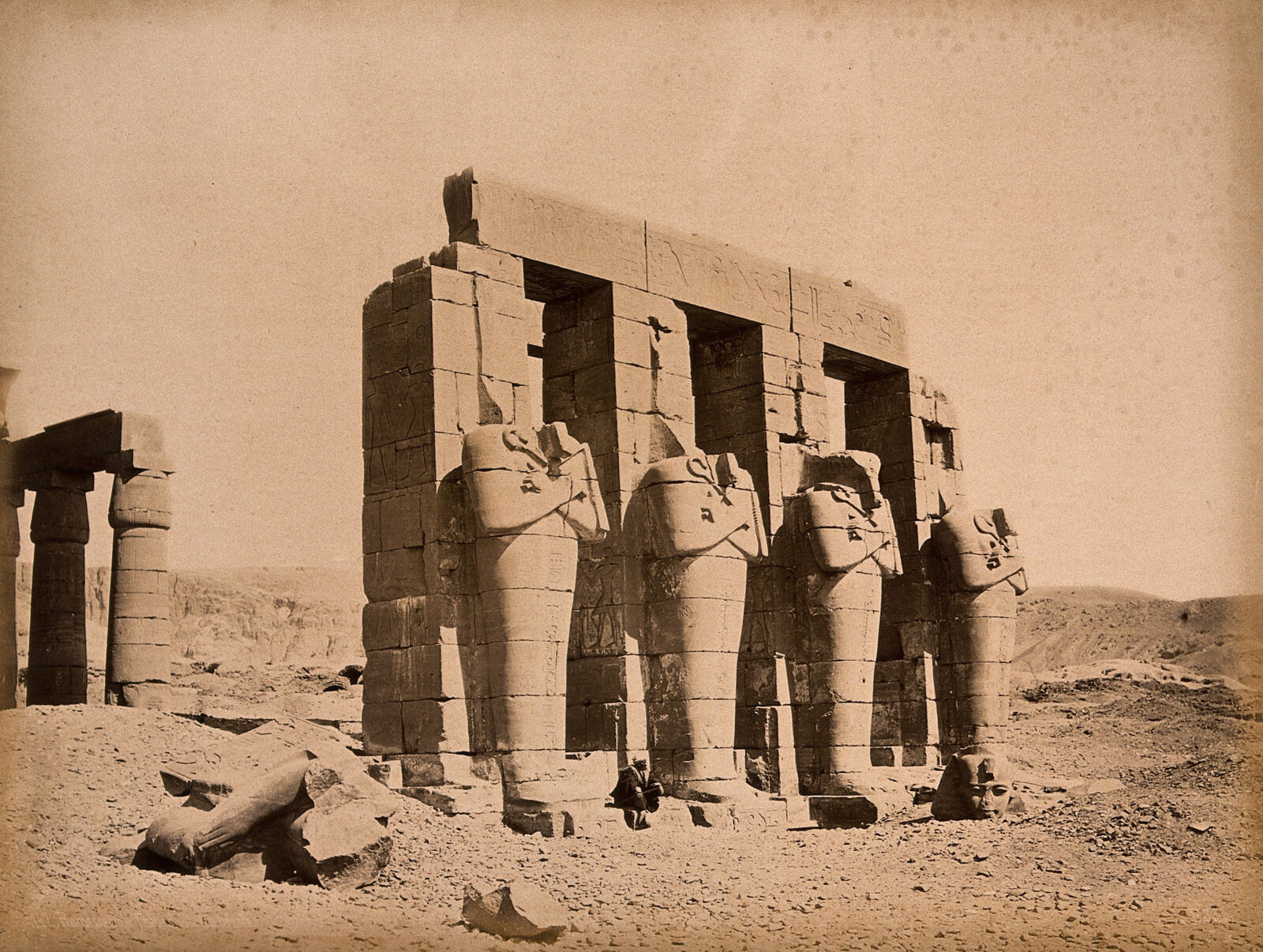
Ramesseum Colossi in Ruins
Pascal Sébah · c. 1875
Ready when you are
Start chatting with Ramses II (Ramses the Great) now.
20 messages free · No credit card · Available in 50+ languages.