


Primary sourceArtifact
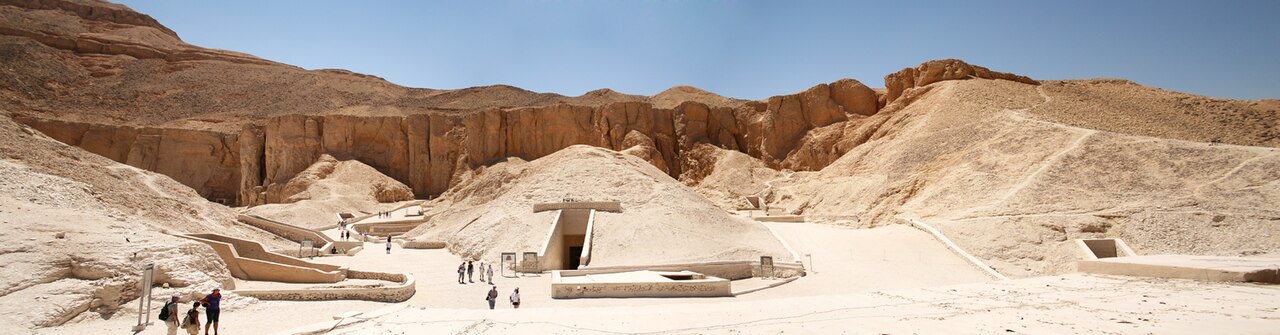
KV7
The flood-damaged royal tomb of Ramesses II himself in the Valley of the Kings.
KV7 was built as the royal tomb of Ramesses II himself.
About this source
What it is
KV7 is the tomb built for Ramesses II in the Valley of the Kings, opposite the tomb of his sons (KV5) and near that of his successor Merenptah. Construction began early in his reign and took about ten to twelve years. Flash floods badly damaged much of its decoration, which included scenes from funerary texts and the cartouche of his wife Nefertari.
Why it matters
The tomb's long construction and rich decoration show the scale of preparation a pharaoh made for the afterlife. Ramesses II's mummy was later moved elsewhere for safekeeping, and his original sarcophagus was eventually reused by a high priest, showing how even royal burials could be disturbed and recycled over time.
Look closer
- Why might a pharaoh's tomb need to be so large and elaborate?
- What does the later reuse of his sarcophagus tell us about changing times?
- Why has so much of the decoration been lost, and what does that mean for what we can know?
This artifact is part of the curated material that grounds the AI version of Ramses II (Ramses the Great) on Humy.ai — when students ask about related events, the AI can quote it and cite it.
More Ramses II (Ramses the Great) sources
Meet the AI Ramses II (Ramses the Great) →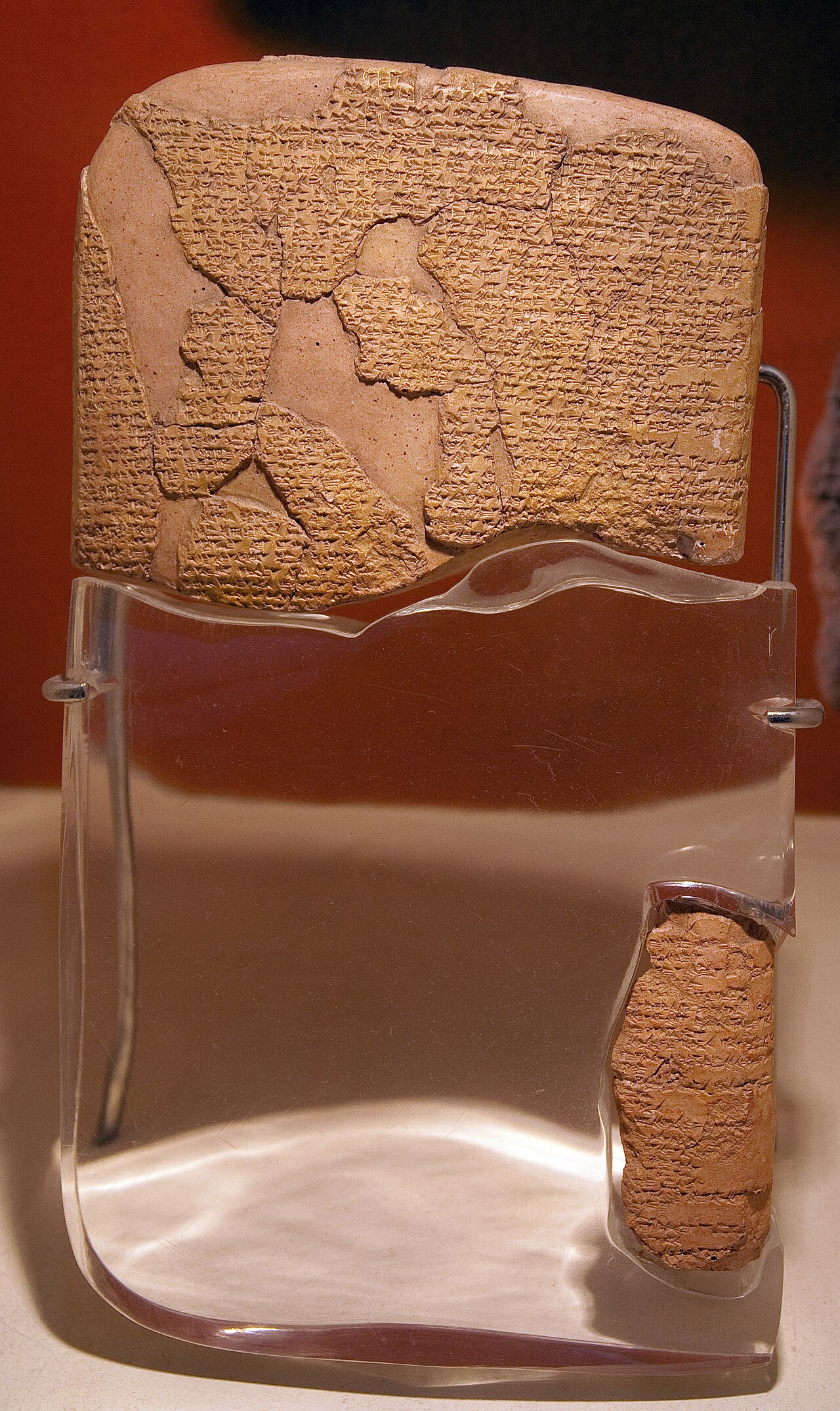 Document
Primary source
Egyptian–Hittite Peace Treaty
c. 1258 BCE
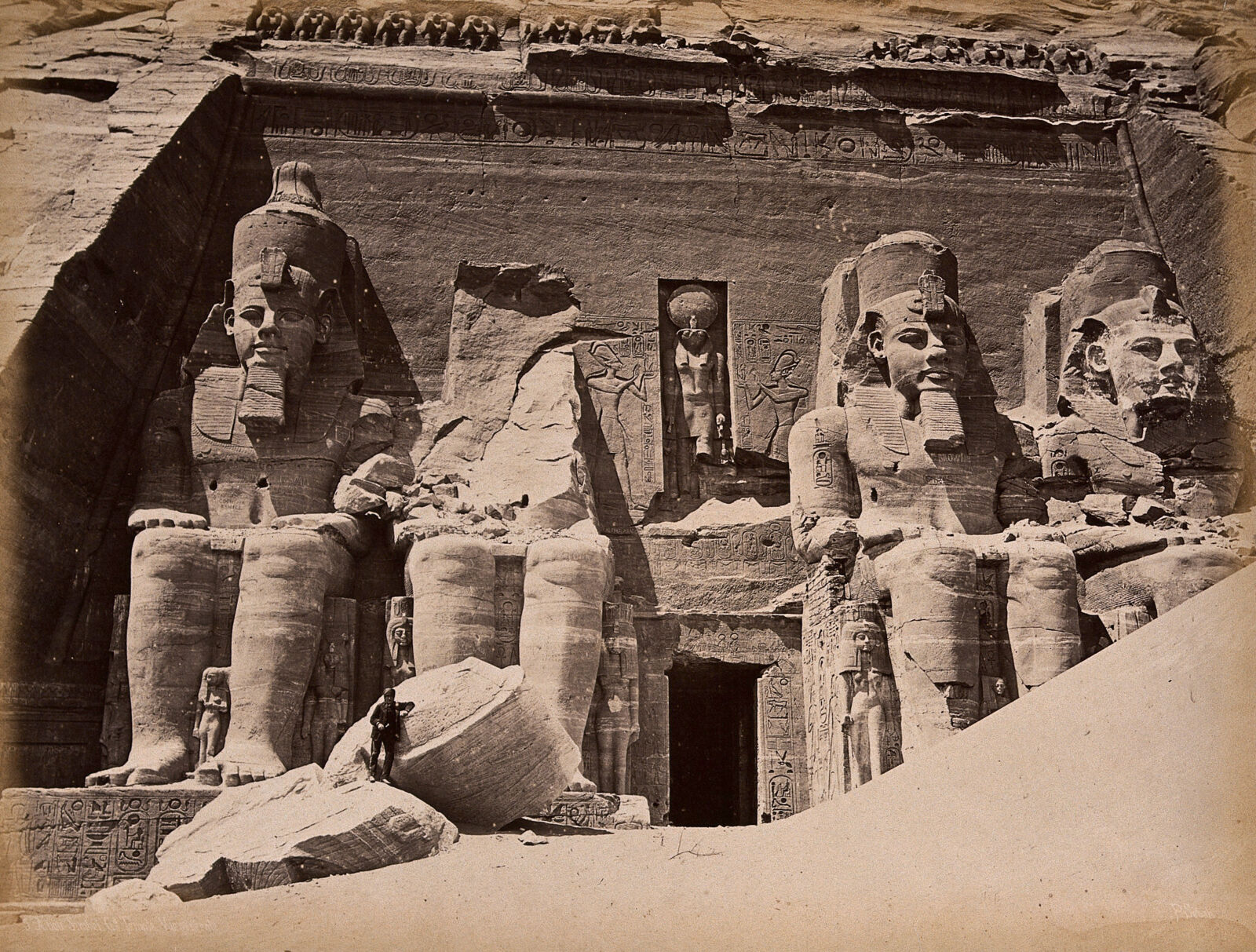 Photograph
Secondary source
Abu Simbel Temple Colossi
Pascal Sébah · 1875
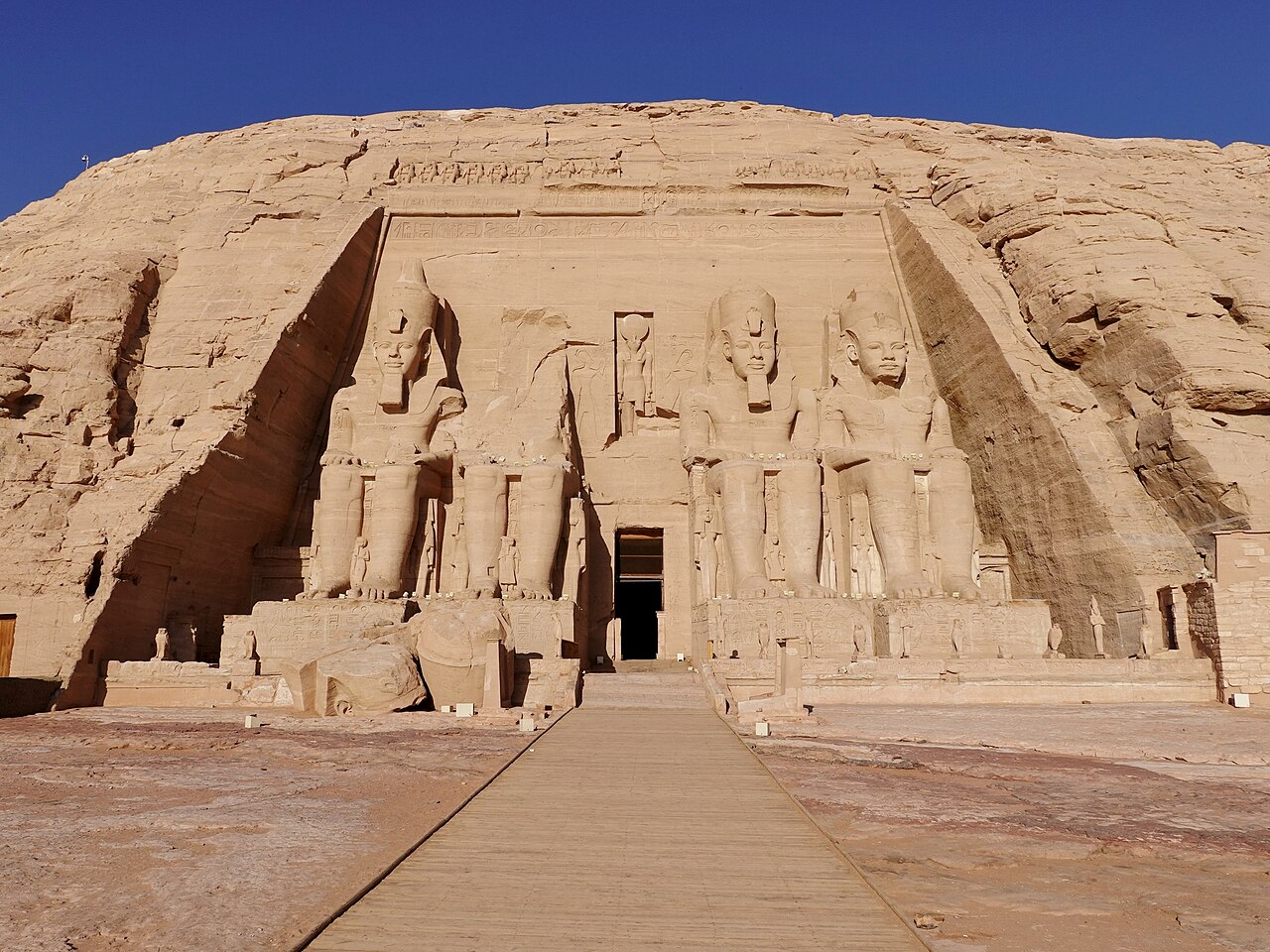 Artifact
Primary source
Abu Simbel
Ramesses II · c. 1273 BCE
 Photograph
Secondary source
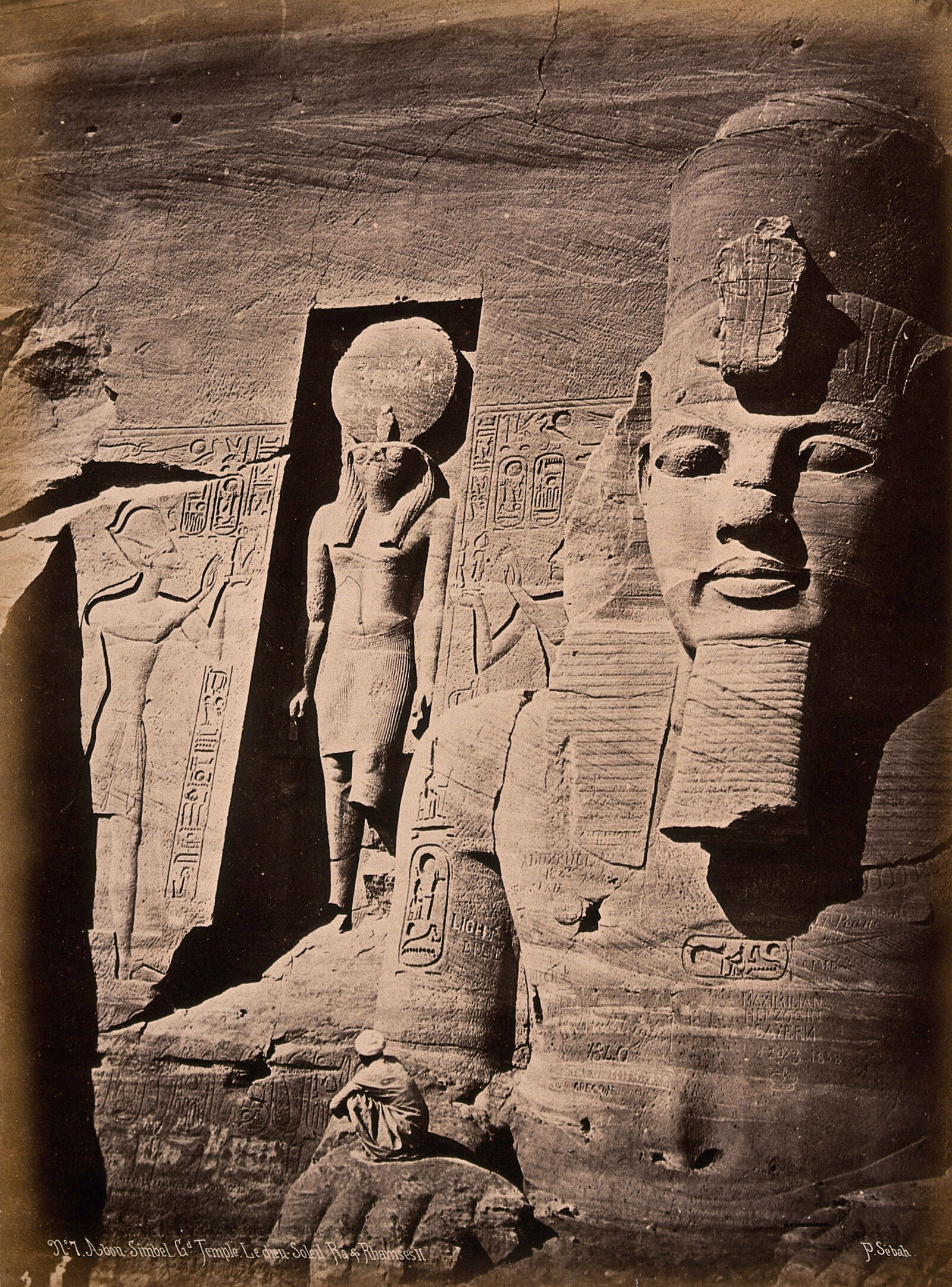
Facade Detail of Abu Simbel Showing Ramesses II and Ra
Pascal Sébah · 1875
 Photograph
Secondary source
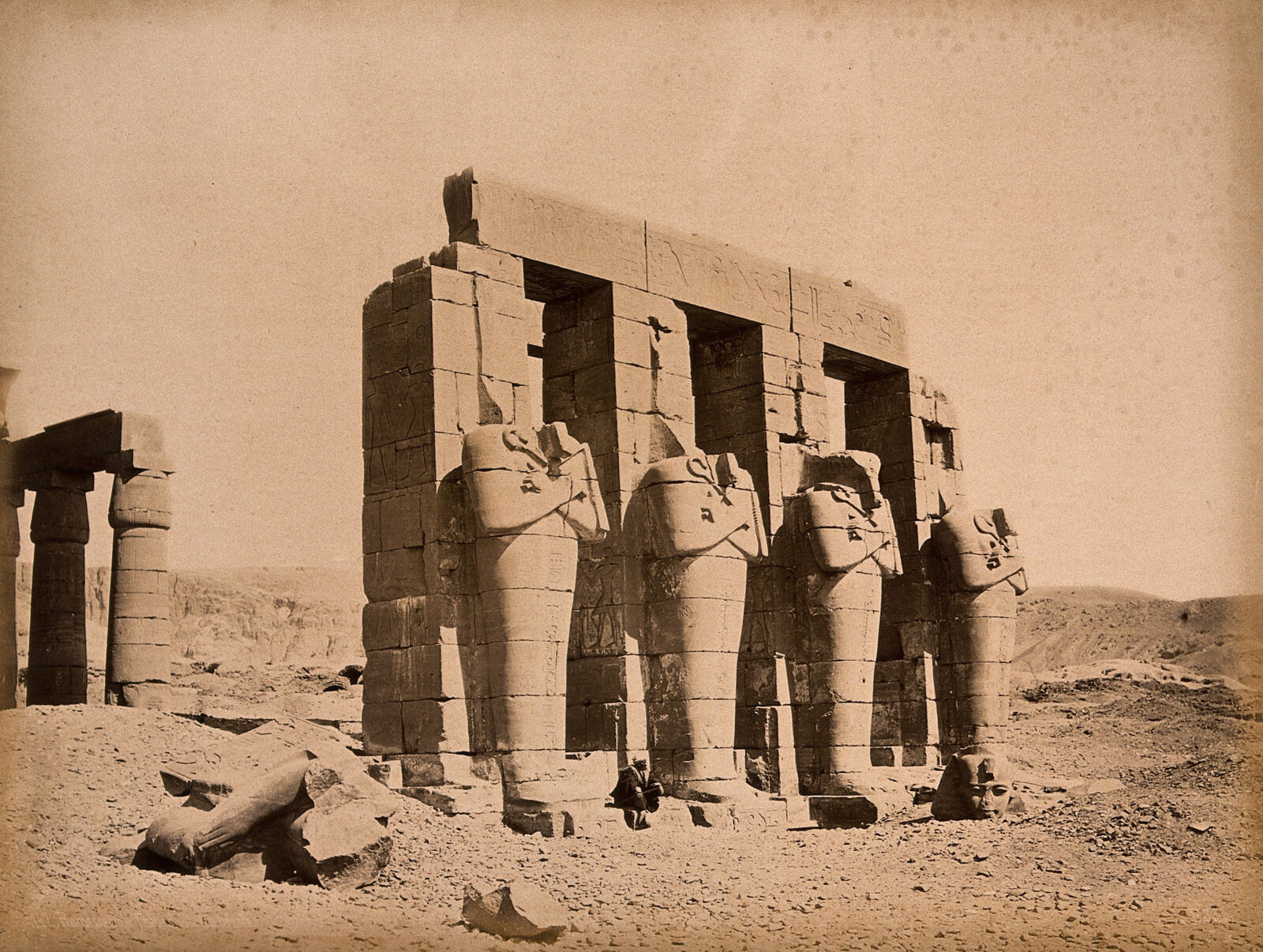
Ramesseum Colossi in Ruins
Pascal Sébah · c. 1875
Ready when you are
Start chatting with Ramses II (Ramses the Great) now.
20 messages free · No credit card · Available in 50+ languages.