


Secondary sourceArtifactYuan dynasty
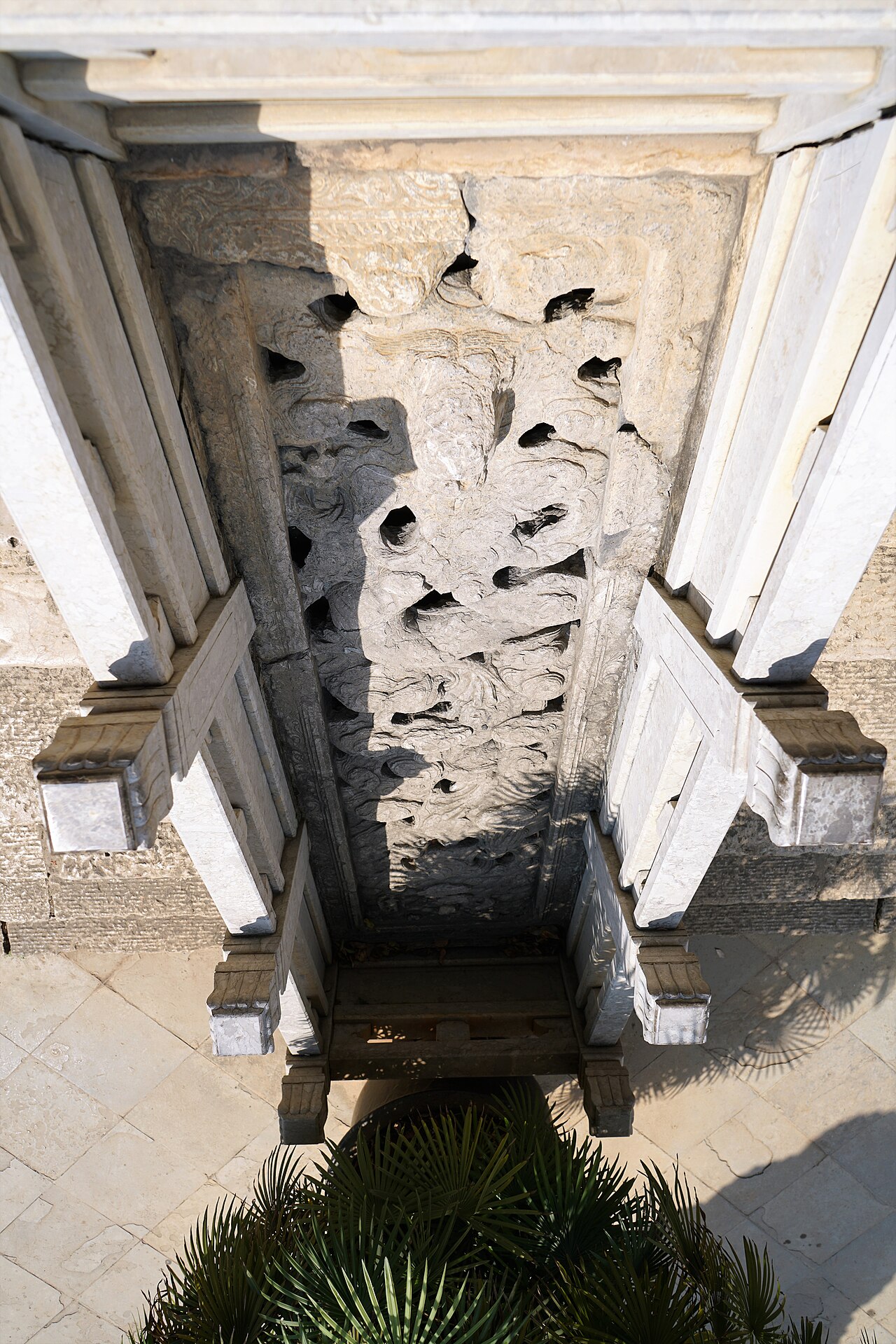
Laojun Hall Imperial Path Stone
Yuan dynasty
A carved stone path at the Laojun Palace, a Taoist hall dedicated to the deified form of Laozi, carved in the Yuan dynasty.
Connects Laozi to later worship, since this carved hall was dedicated to his deified form, Laojun.
About this source
What it is
This is the Imperial Path Stone, a carved stone slope or path at Laojun Palace. The palace has five spacious rooms enclosed with stone handrails and baluster columns. The record says the stone was carved in the Yuan dynasty. The photograph looks up at the carved surface, which shows swirling cloud-like and dragon-like relief patterns, framed by white marble pillars.
Why it matters
Laojun is the deified form of Laozi, and halls like this one honoured him as a god within Taoist worship. Stone carving of this kind shows the wealth and craft that went into religious buildings. The palace links the philosopher Laozi to later believers who turned his teachings into organised religion.
Look closer
- What images are carved into the stone, and why might clouds and dragons have been chosen?
- Who would have walked on this path, and what does its placement suggest about status?
- What does a photograph taken from below leave out about the building as a whole?
This artifact is part of the curated material that grounds the AI version of Laozi on Humy.ai — when students ask about related events, the AI can quote it and cite it.
More Laozi sources
Meet the AI Laozi →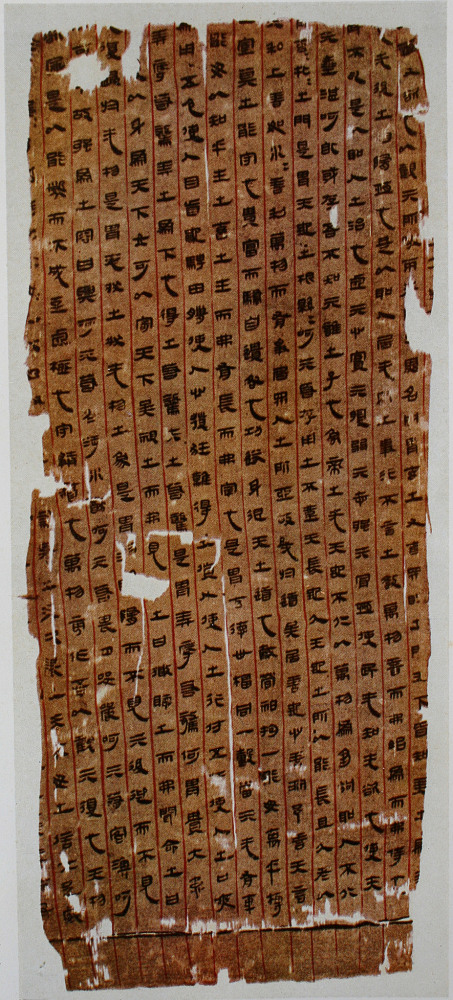 Book
Secondary source
Tao Te Ching
Laozi · c. 4th-3rd century BCE
 Artifact
Primary source
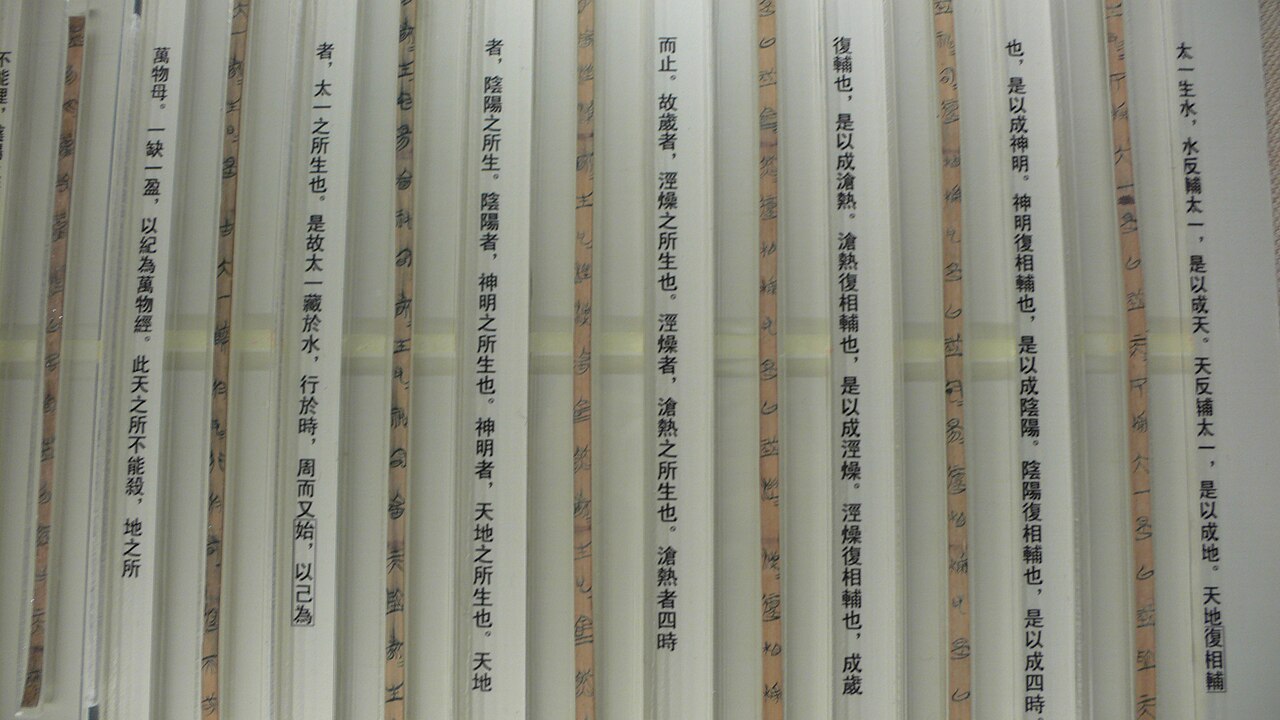
Bamboo Texts of Guodian
c. 300 BCE
 Book
Primary source
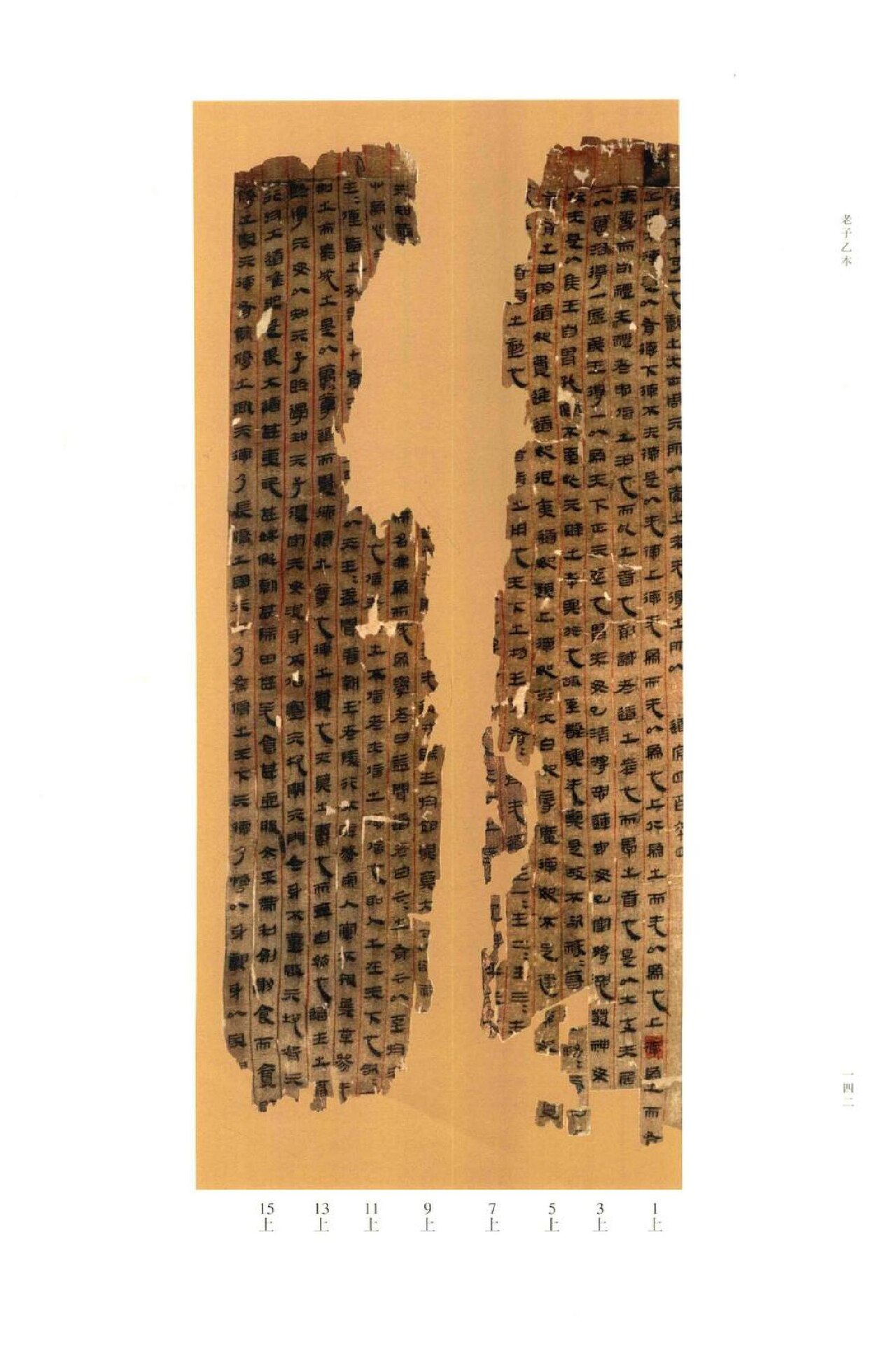
Mawangdui Silk Texts of the Laozi
Anonymous Han scribes · c. 200-168 BCE
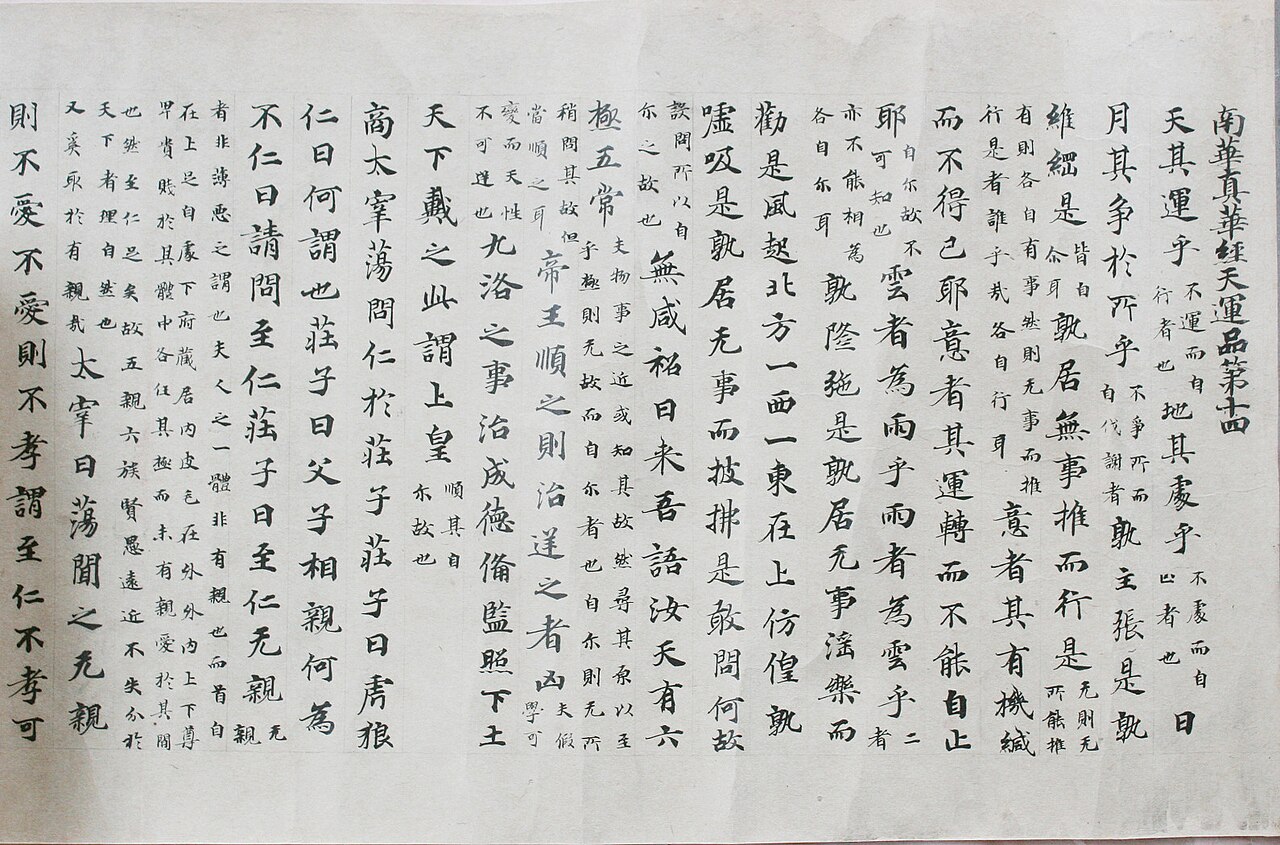 Book
Secondary source
Zhuangzi
Zhuang Zhou · c. 300 BCE
 Painting
Secondary source
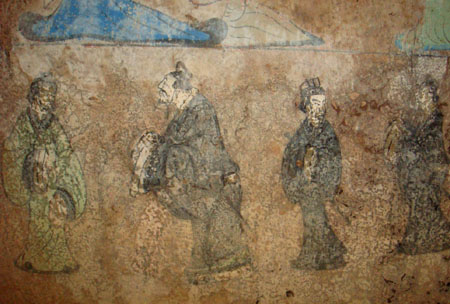
Confucius and Laozi fresco, Dongping tomb
Anonymous Chinese painter of the Western Han period · Western Han period, c. 2000 years old
Ready when you are
Start chatting with Laozi now.
20 messages free · No credit card · Available in 50+ languages.