


Secondary sourcePainting
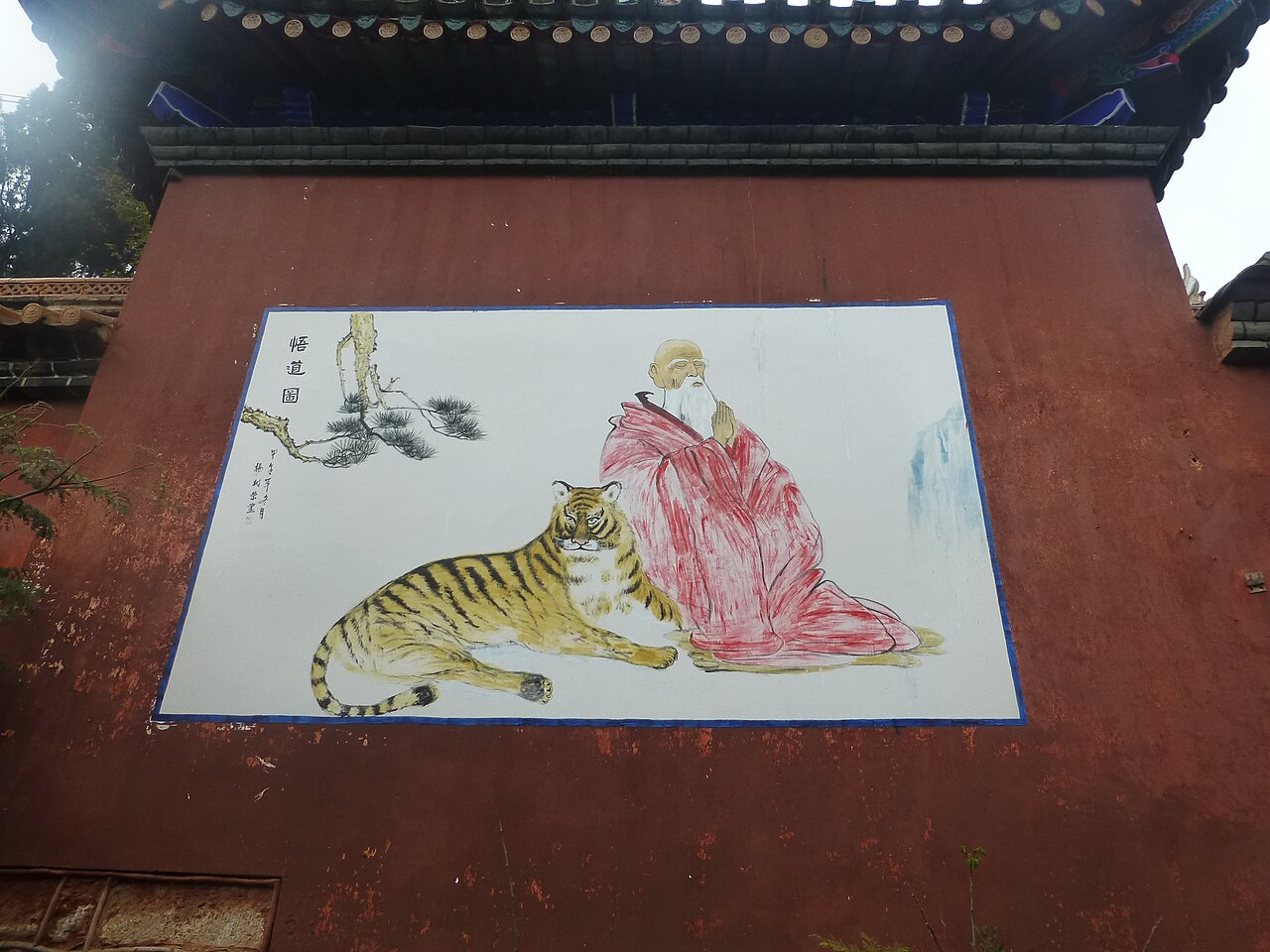
Laozi and a Tiger (Jade Emperor Pavilion mural)
A modern painted mural on a temple wall in Kunyang shows Laozi seated beside a reclining tiger. It shows how later religious art pictured the Taoist founder.
Shows Laozi in later Taoist religious art, depicted with a tiger on a temple wall, rather than in any work of his own.
About this source
What it is
This is a modern painted mural on the outside wall of the Jade Emperor Pavilion (Yu Huang Ge), inside Zheng He Park on Moon Mountain (Yue Shan) in Kunyang. It shows an elderly bearded man in a red robe, seated with clasped hands beside a reclining striped tiger, with a pine branch and calligraphy at the upper left. The facts do not name the painter or give the date the mural was painted.
Why it matters
Laozi is a semi-legendary figure, traditionally linked to the founding of Taoism. This mural was made long after his lifetime, so it shows how later believers imagined him rather than how he actually looked. The Jade Emperor Pavilion is a religious building, and the wall art places Laozi within Taoist religious imagery. The painting tells us about the people who commissioned and viewed it, as well as about the figure it shows.
Look closer
- Which details in the painting seem to be religious symbols, and what might they mean?
- Who would have wanted this image on a temple wall, and why?
- What does the painting leave out that you would need to know about Laozi's real life?
This painting is part of the curated material that grounds the AI version of Laozi on Humy.ai — when students ask about related events, the AI can quote it and cite it.
More Laozi sources
Meet the AI Laozi →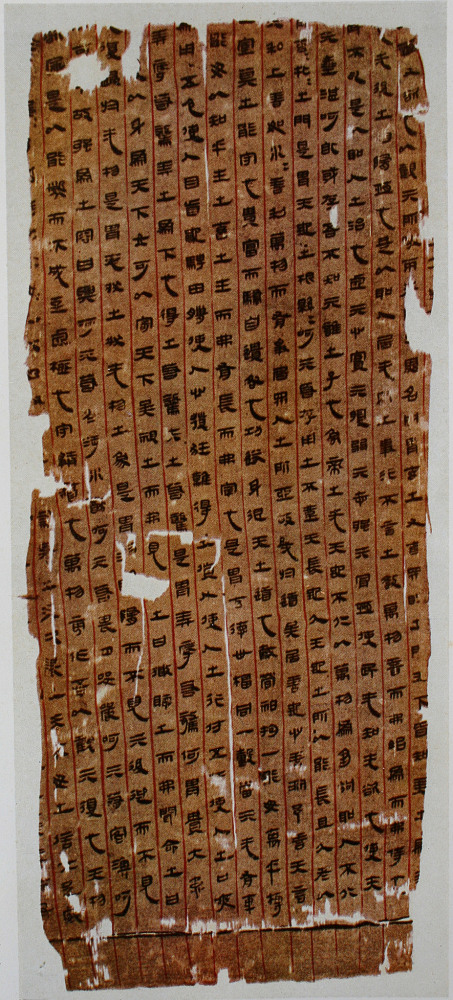 Book
Secondary source
Tao Te Ching
Laozi · c. 4th-3rd century BCE
 Artifact
Primary source
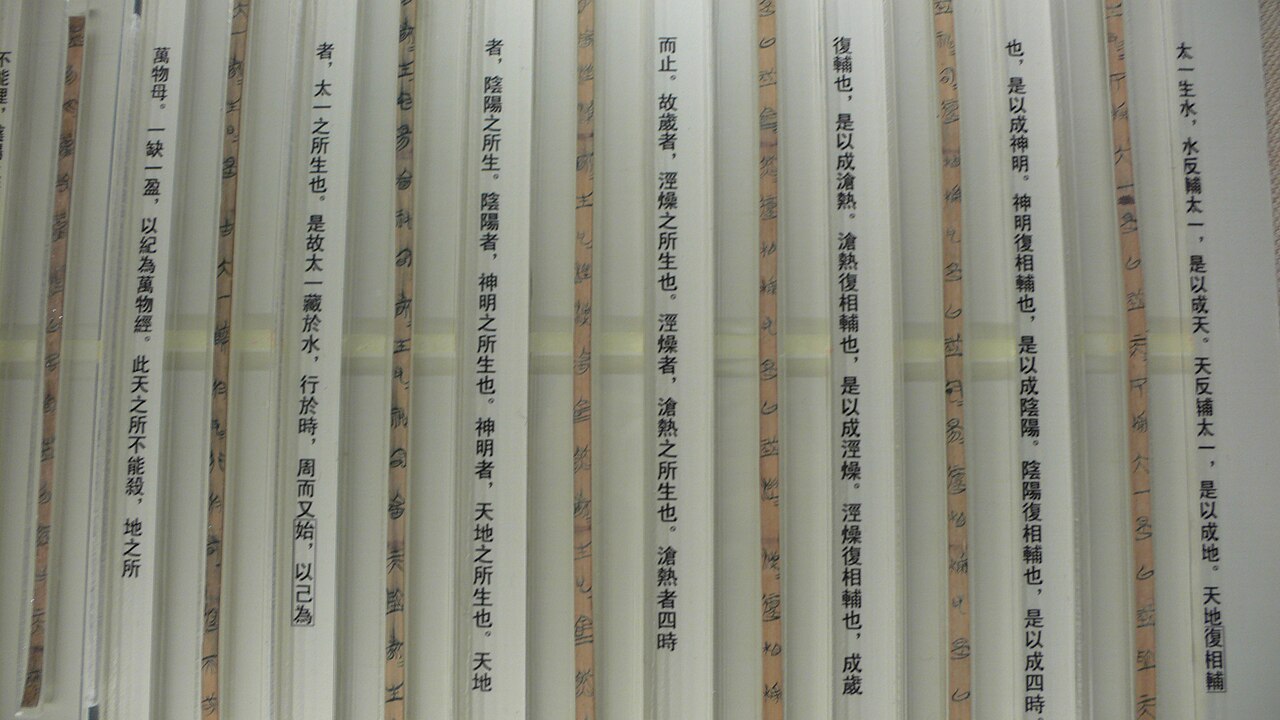
Bamboo Texts of Guodian
c. 300 BCE
 Book
Primary source
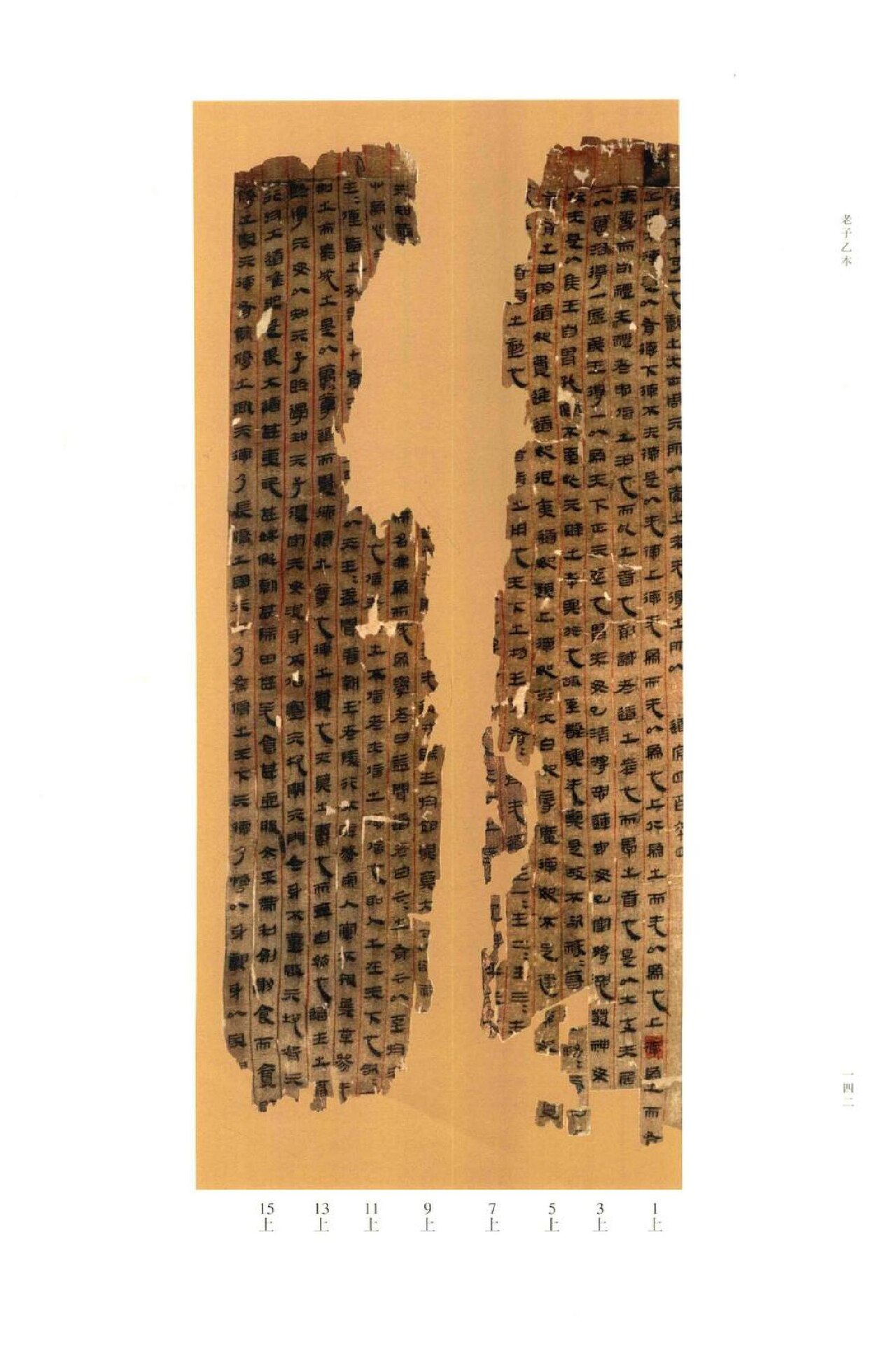
Mawangdui Silk Texts of the Laozi
Anonymous Han scribes · c. 200-168 BCE
 Book
Secondary source
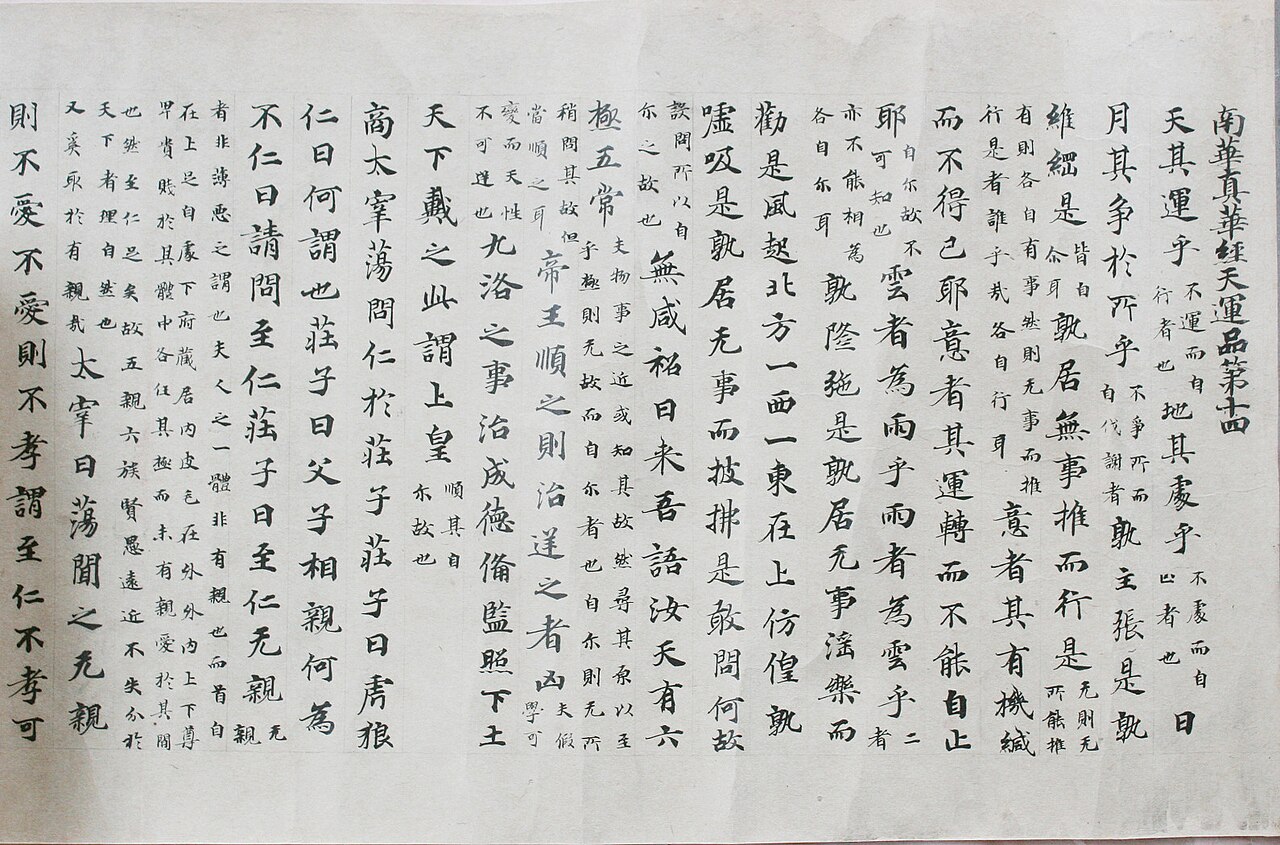
Zhuangzi
Zhuang Zhou · c. 300 BCE
 Painting
Secondary source
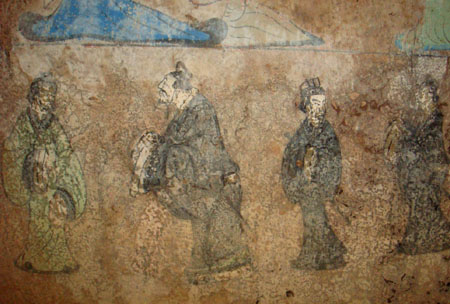
Confucius and Laozi fresco, Dongping tomb
Anonymous Chinese painter of the Western Han period · Western Han period, c. 2000 years old
Ready when you are
Start chatting with Laozi now.
20 messages free · No credit card · Available in 50+ languages.