


Secondary sourceBook
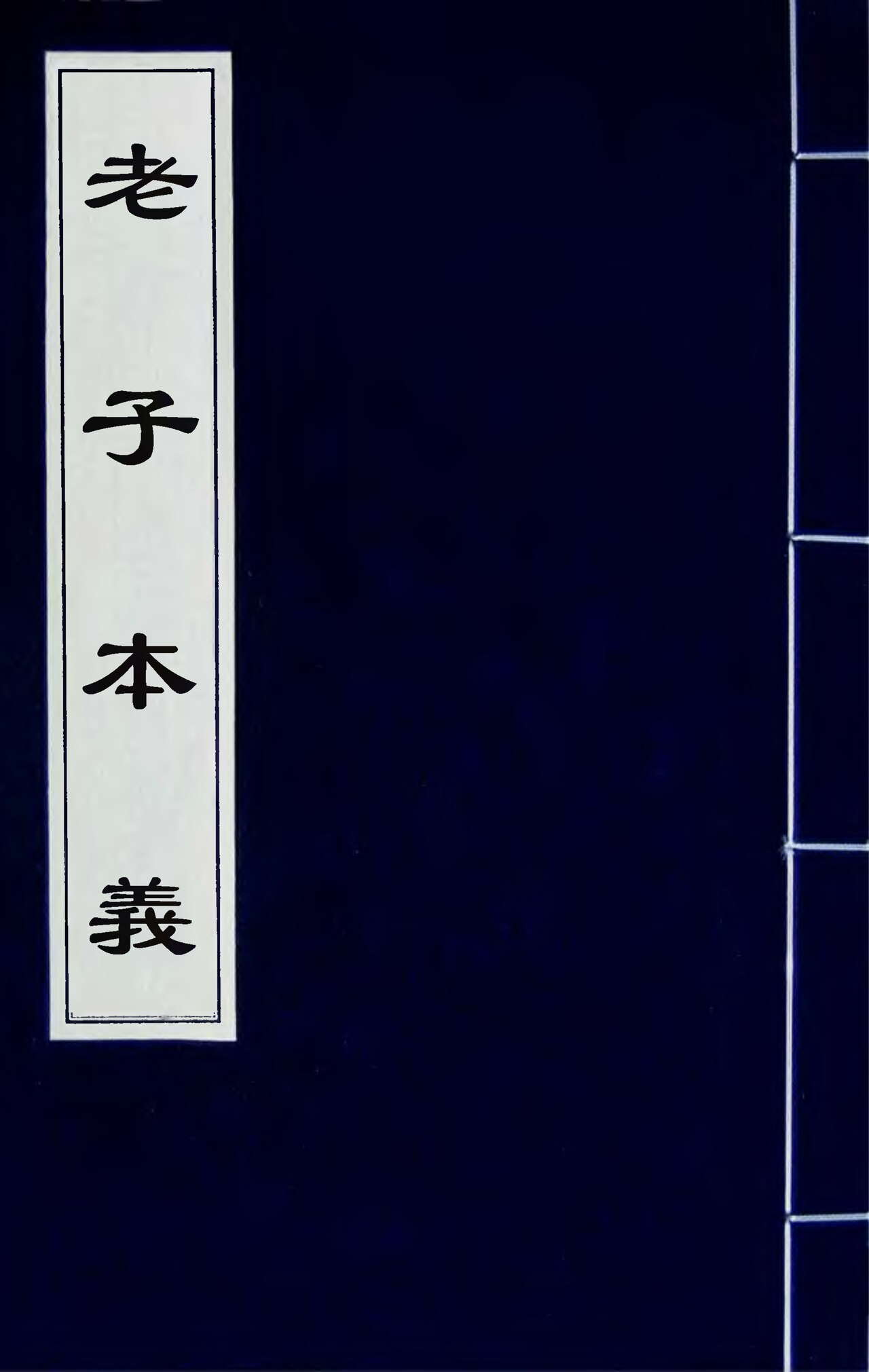
Laozi Benyi (Original Meaning of Laozi)
Wei Yuan
A bound Chinese book by Wei Yuan, a Qing scholar, offering a commentary on the Laozi. It is a later study of the text, not a work by Laozi himself.
A later scholar's commentary on Laozi's text, so it shows how Laozi has been read and studied rather than what he wrote.
About this source
What it is
This is volume 1 of Laozi Benyi, a commentary on the Laozi written by the Qing scholar Wei Yuan. The image shows the cover of the bound book: dark blue cloth with a white title label reading 老子本義 in black brush-style characters. The archive record notes that some characters in the original are unclear and some pages are damaged. The scan shows only the cover, so the commentary's text is not visible here.
Why it matters
A commentary is a scholar's reading of an older text. Wei Yuan's book is a way to see how a Qing scholar tried to recover what the Laozi meant. Studying it helps students separate what Laozi wrote, which is the base text, from what later readers added when they explained it.
Look closer
- What does the title label tell you about the book's subject and its relation to Laozi?
- Why might a reader write a commentary on a text that is already very old?
- What is missing from a cover, and what would you need to read to judge the author's interpretation?
This book is part of the curated material that grounds the AI version of Laozi on Humy.ai — when students ask about related events, the AI can quote it and cite it.
More Laozi sources
Meet the AI Laozi →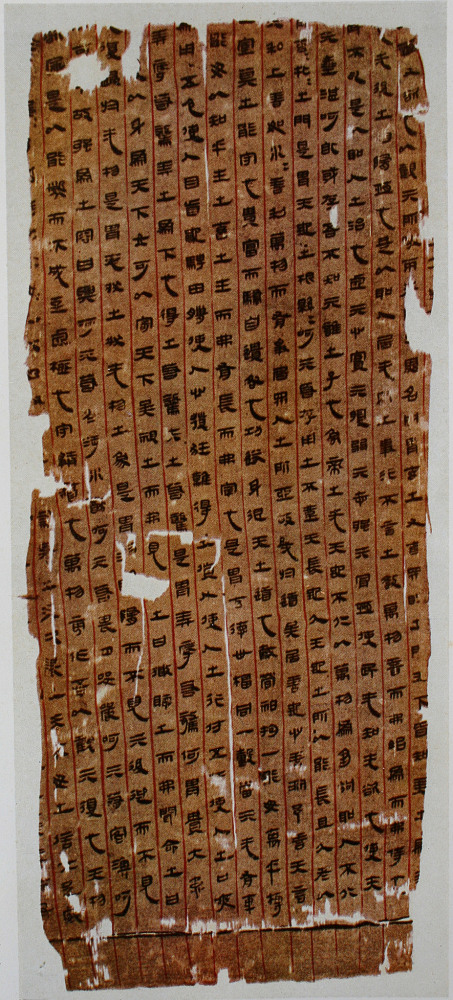 Book
Secondary source
Tao Te Ching
Laozi · c. 4th-3rd century BCE
 Artifact
Primary source
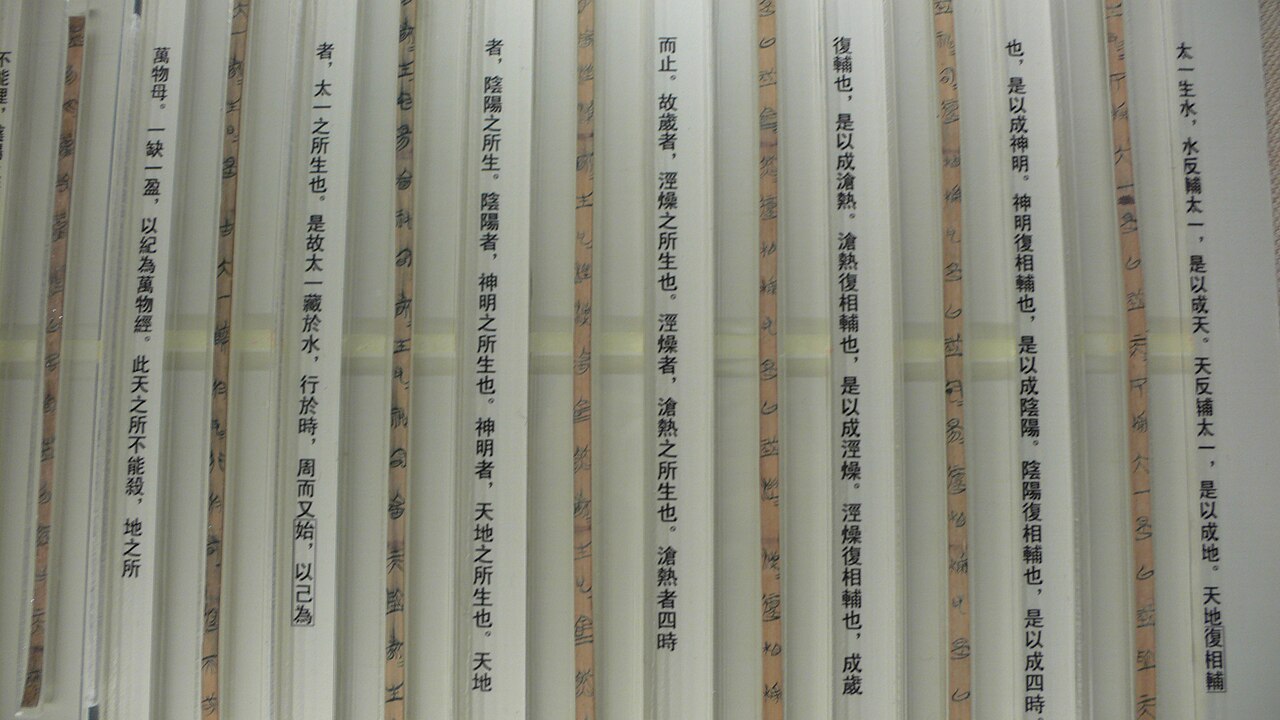
Bamboo Texts of Guodian
c. 300 BCE
 Book
Primary source
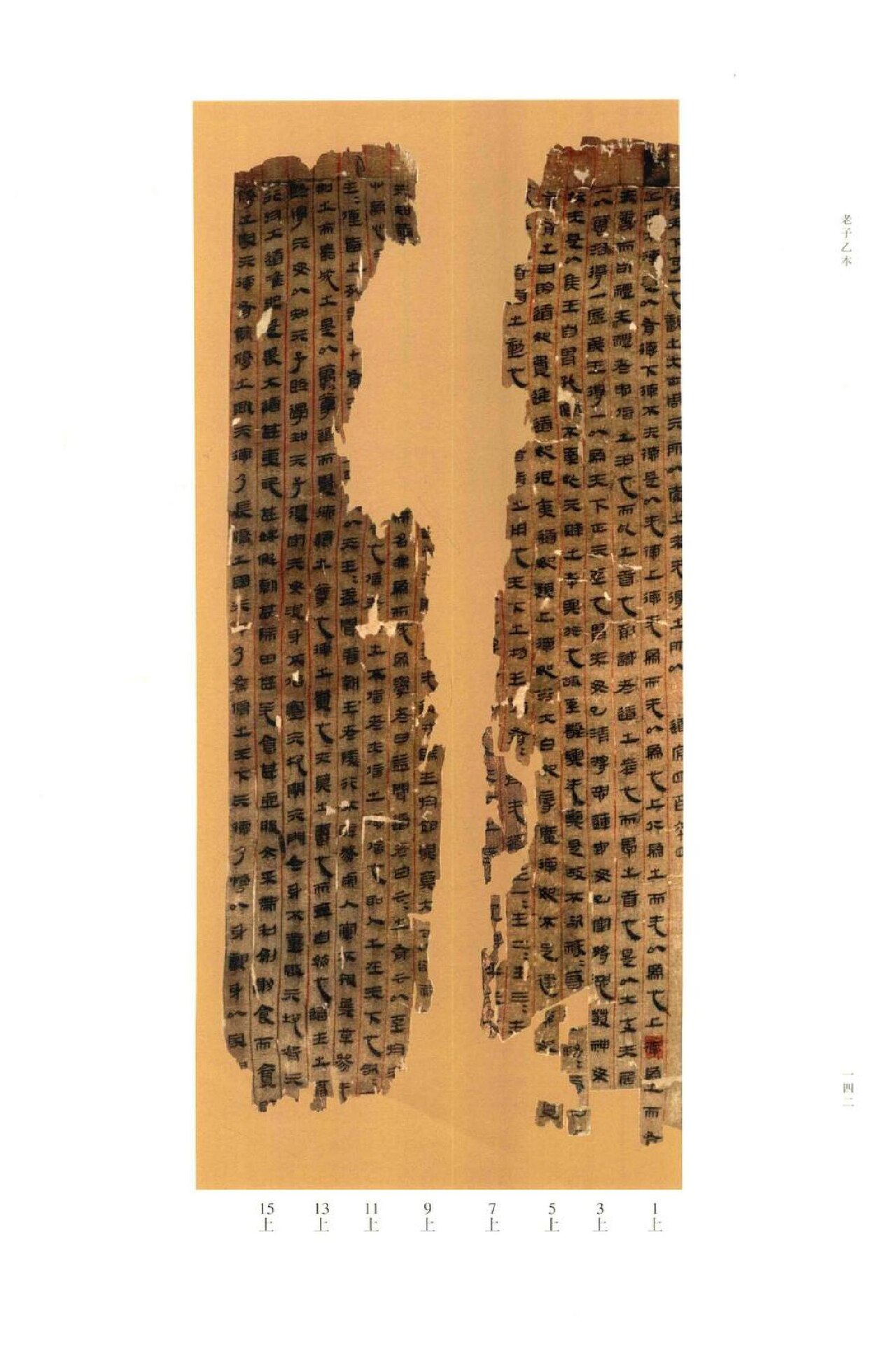
Mawangdui Silk Texts of the Laozi
Anonymous Han scribes · c. 200-168 BCE
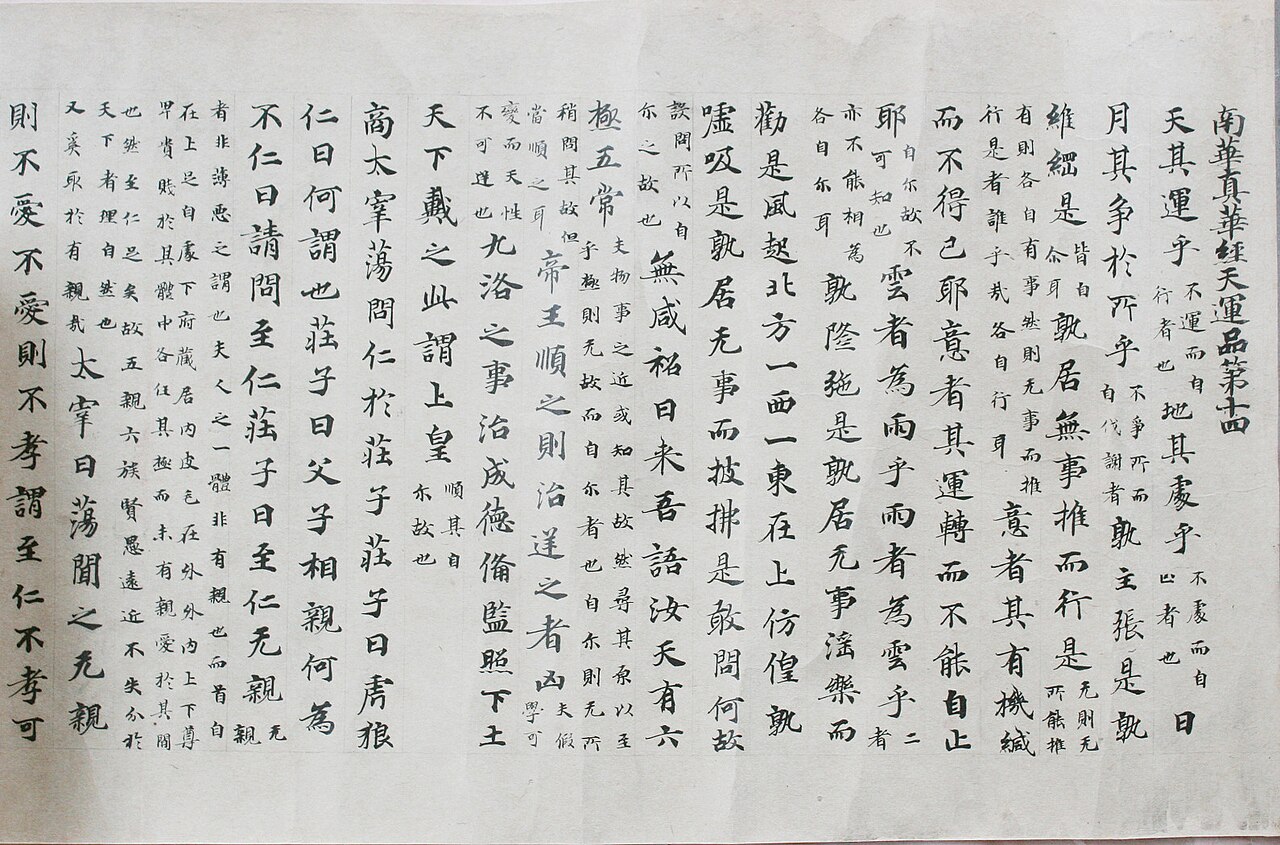 Book
Secondary source
Zhuangzi
Zhuang Zhou · c. 300 BCE
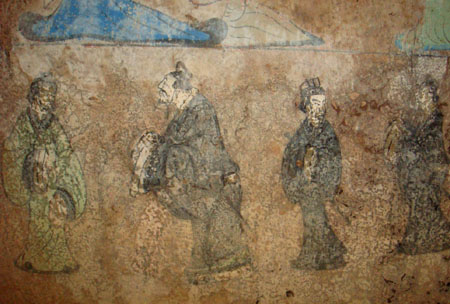 Painting
Secondary source
Confucius and Laozi fresco, Dongping tomb
Anonymous Chinese painter of the Western Han period · Western Han period, c. 2000 years old
Ready when you are
Start chatting with Laozi now.
20 messages free · No credit card · Available in 50+ languages.