


Secondary sourceArtifact18th century
Laozi Crossing the Han Pass
18th century
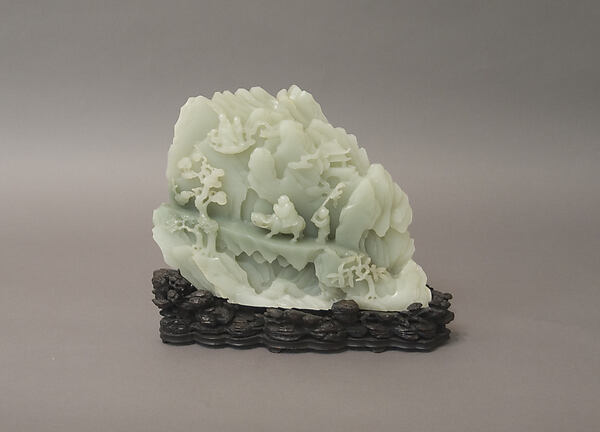
An 18th-century Qing jade relief carving depicting the legend of Laozi leaving China through the Han Pass.
Depicts the legend of Laozi leaving China through the Han Pass, a famous story about his life.
About this source
What it is
This is a jade (nephrite) relief carving made in China during the Qing dynasty, in the 18th century. It depicts the legendary story of Laozi passing through the Han Pass as he left China. The carving shows a mountainous landscape with small figures and trees, mounted on a carved wooden base. It is held today by the Metropolitan Museum of Art, having been given as a gift in 1902.
Why it matters
The story of Laozi riding out of China through the Han Pass, sometimes said to be on his way into legendary retirement or disappearance, became one of the most famous tales associated with him. This jade relief shows how, more than a thousand years after he was believed to have lived, Chinese artists still carved precious materials to retell his story, showing his lasting importance to Daoist belief and Chinese culture.
Look closer
- Why would an artist choose a hard, valuable material like jade to tell this story?
- What details in the landscape help tell the story of Laozi's departure?
- What does the continued retelling of this legend across centuries suggest about Laozi's importance?
This artifact is part of the curated material that grounds the AI version of Laozi on Humy.ai — when students ask about related events, the AI can quote it and cite it.
More Laozi sources
Meet the AI Laozi →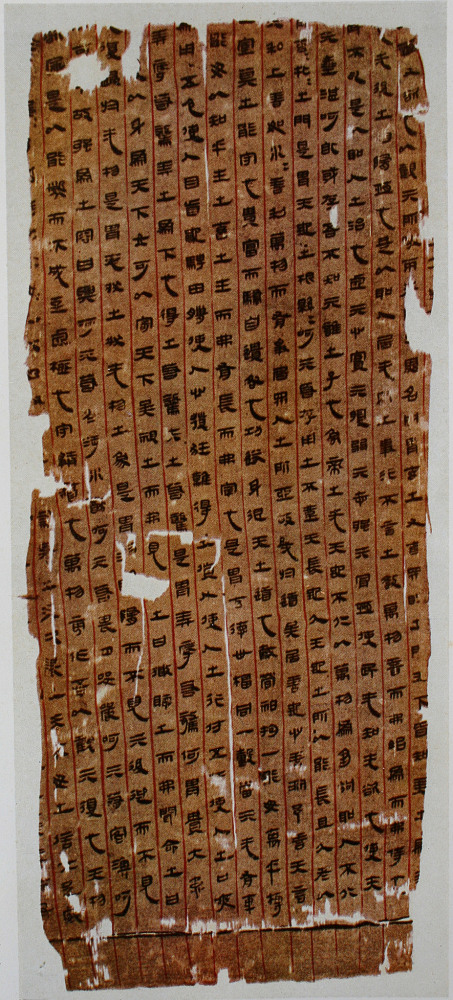 Book
Secondary source
Tao Te Ching
Laozi · c. 4th-3rd century BCE
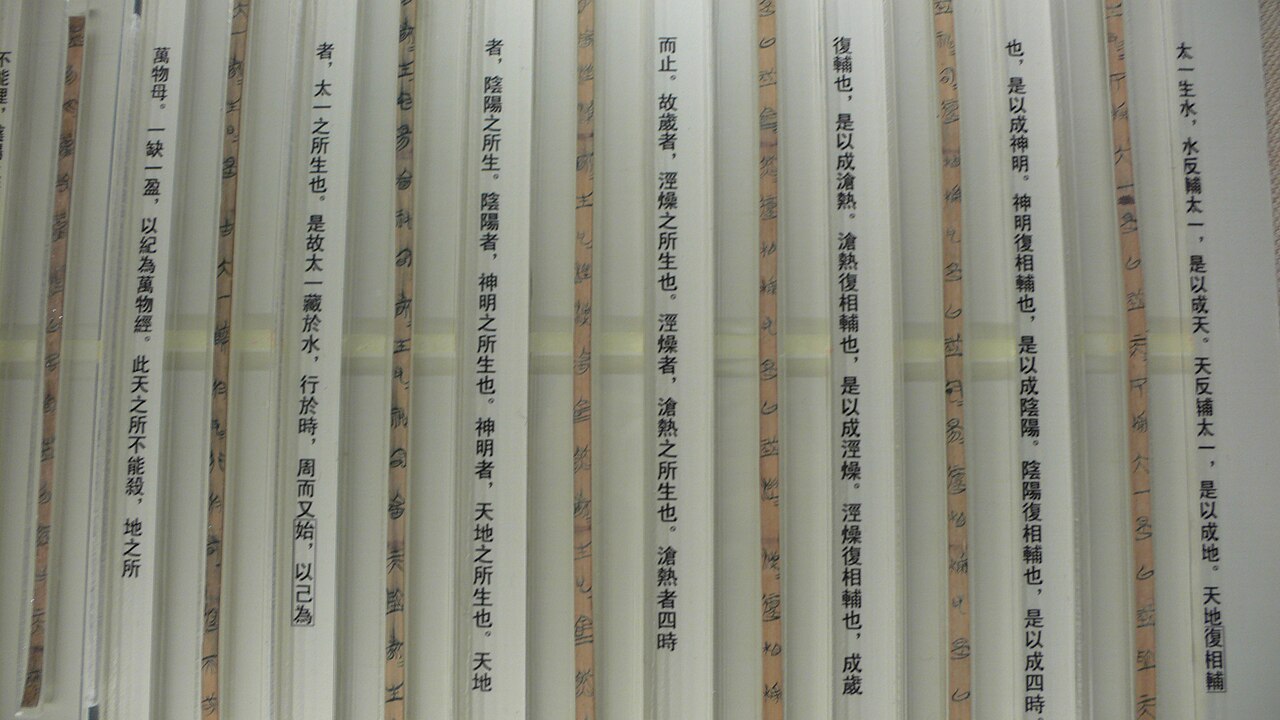 Artifact
Primary source
Bamboo Texts of Guodian
c. 300 BCE
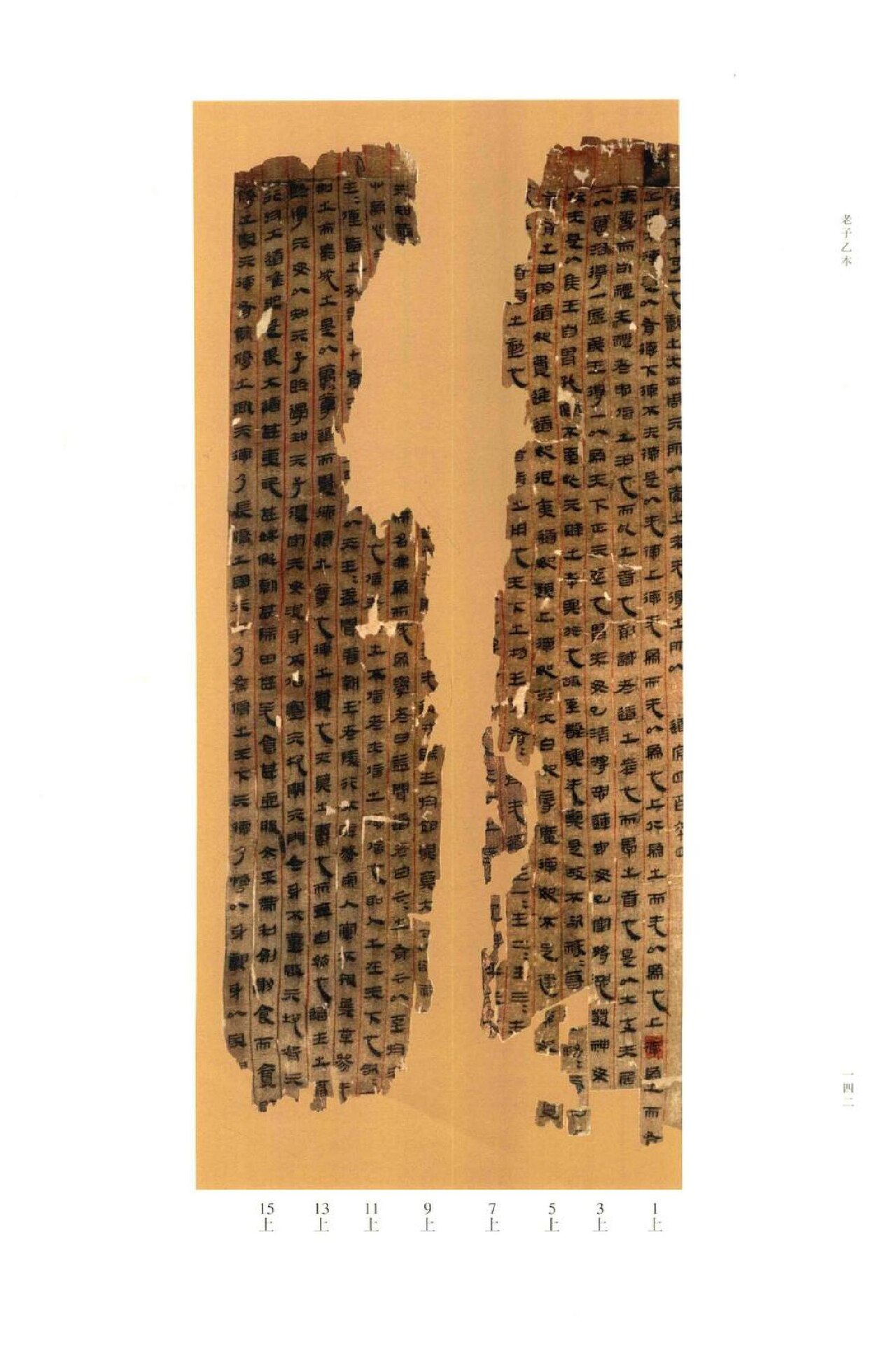 Book
Primary source
Mawangdui Silk Texts of the Laozi
Anonymous Han scribes · c. 200-168 BCE
 Book
Secondary source
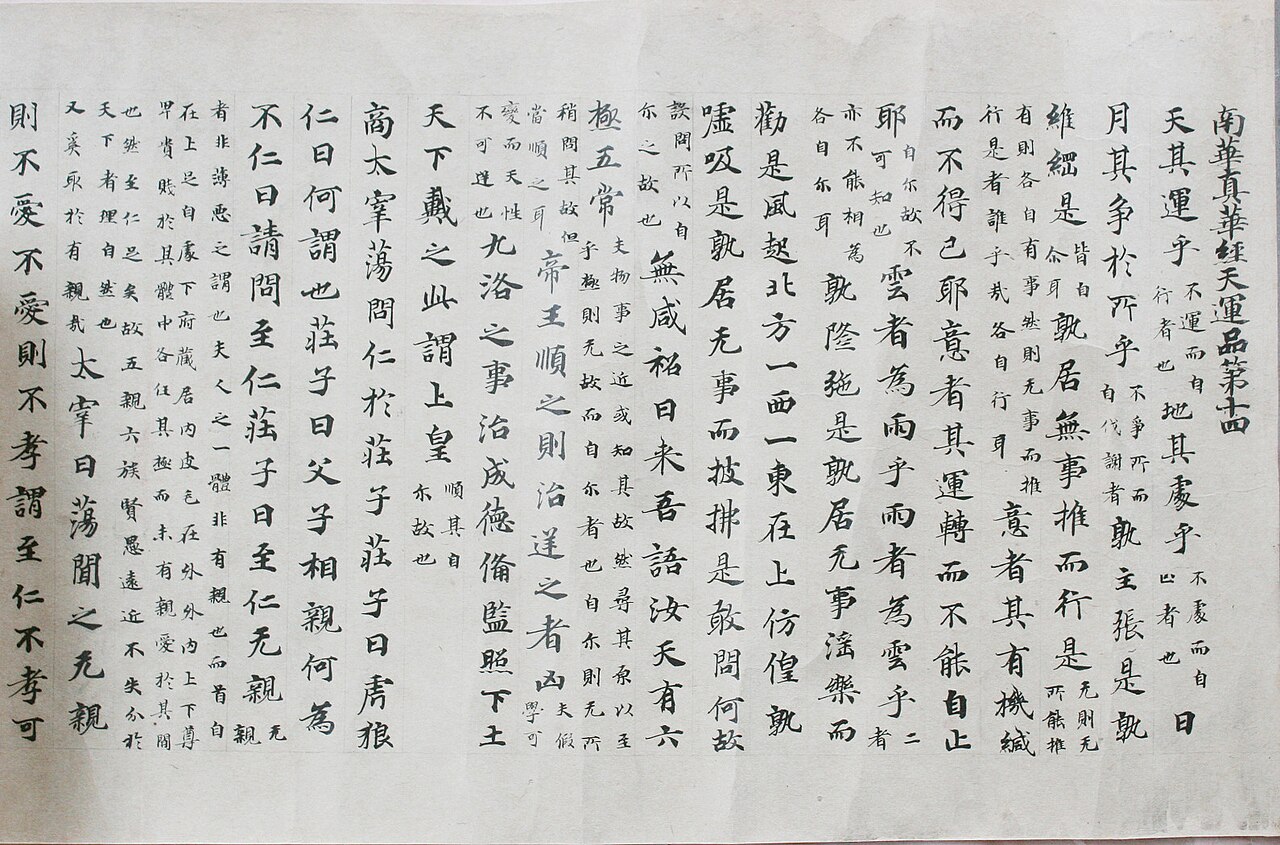
Zhuangzi
Zhuang Zhou · c. 300 BCE
 Painting
Secondary source
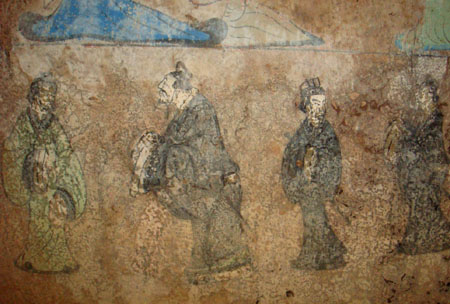
Confucius and Laozi fresco, Dongping tomb
Anonymous Chinese painter of the Western Han period · Western Han period, c. 2000 years old
Ready when you are
Start chatting with Laozi now.
20 messages free · No credit card · Available in 50+ languages.