


Secondary sourceBook
Laozi Daodejing huiyuan, volume 1
Sanjia Genmin
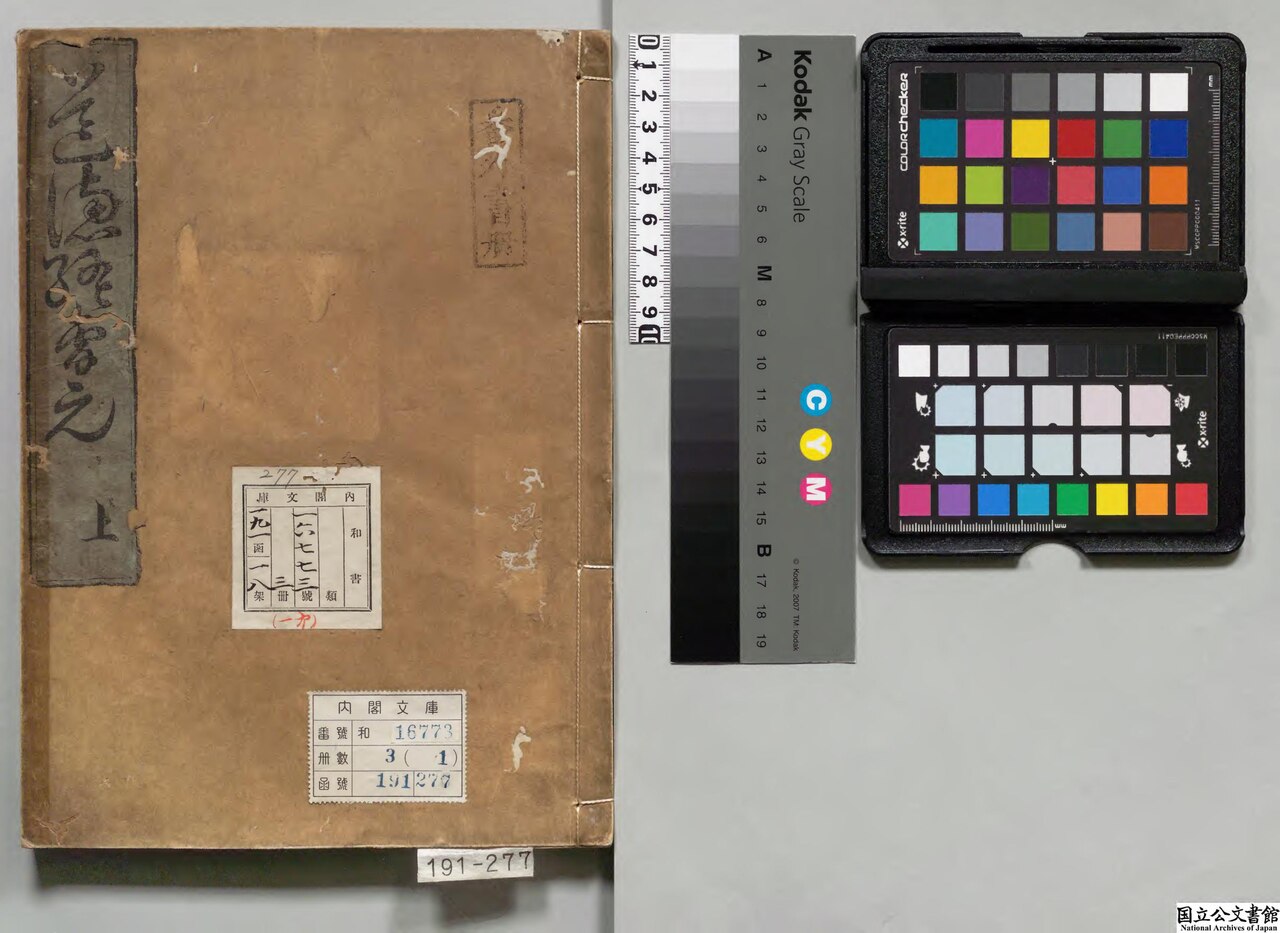
Volume 1 of a later commentary on the Daodejing by Sanjia Genmin, shown as a photograph of a Japanese bound book. It shows how the text was received over time.
A later commentary on the text traditionally attributed to Laozi, so it shows how his work was received rather than what he wrote.
About this source
What it is
This is volume 1 of Laozi Daodejing huiyuan, a commentary on the Daodejing by the author Sanjia Genmin. The Daodejing is the text traditionally attributed to Laozi. The image is a photograph of the front cover of a Japanese bound book, which has a brown paper cover and a dark label with vertical Japanese characters. Library labels and a colour scale are visible beside it. The photograph shows only the cover, not the commentary inside.
Why it matters
A commentary like this one shows how readers in a later period understood the Daodejing. The book's place in a Japanese library shows that the text was studied well beyond China. Comparing commentaries from different times helps students see that the meaning of Laozi's short text has been argued over for centuries.
Look closer
- What clues on the cover show that this is a library book, and what does that tell you about who used it?
- Why might a reader write a commentary on a short, old text?
- What would you need to read inside the book to know how the author understood Laozi?
This book is part of the curated material that grounds the AI version of Laozi on Humy.ai — when students ask about related events, the AI can quote it and cite it.
More Laozi sources
Meet the AI Laozi →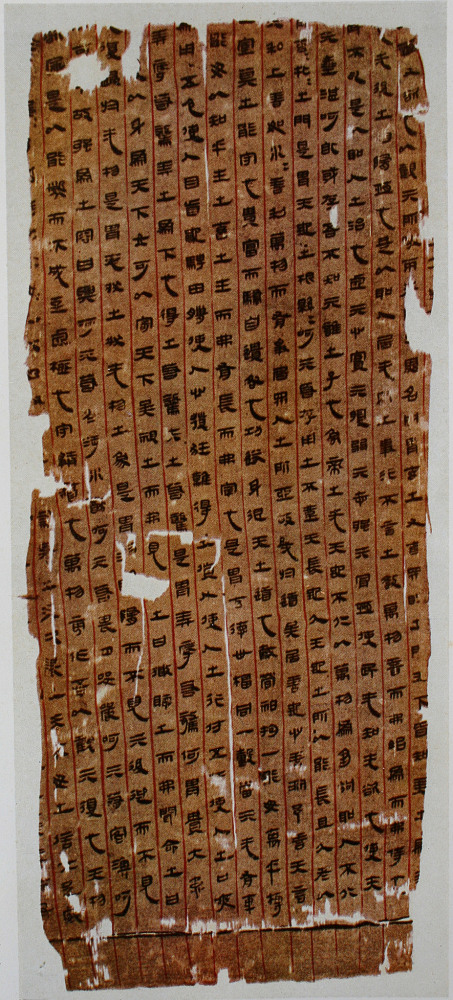 Book
Secondary source
Tao Te Ching
Laozi · c. 4th-3rd century BCE
 Artifact
Primary source
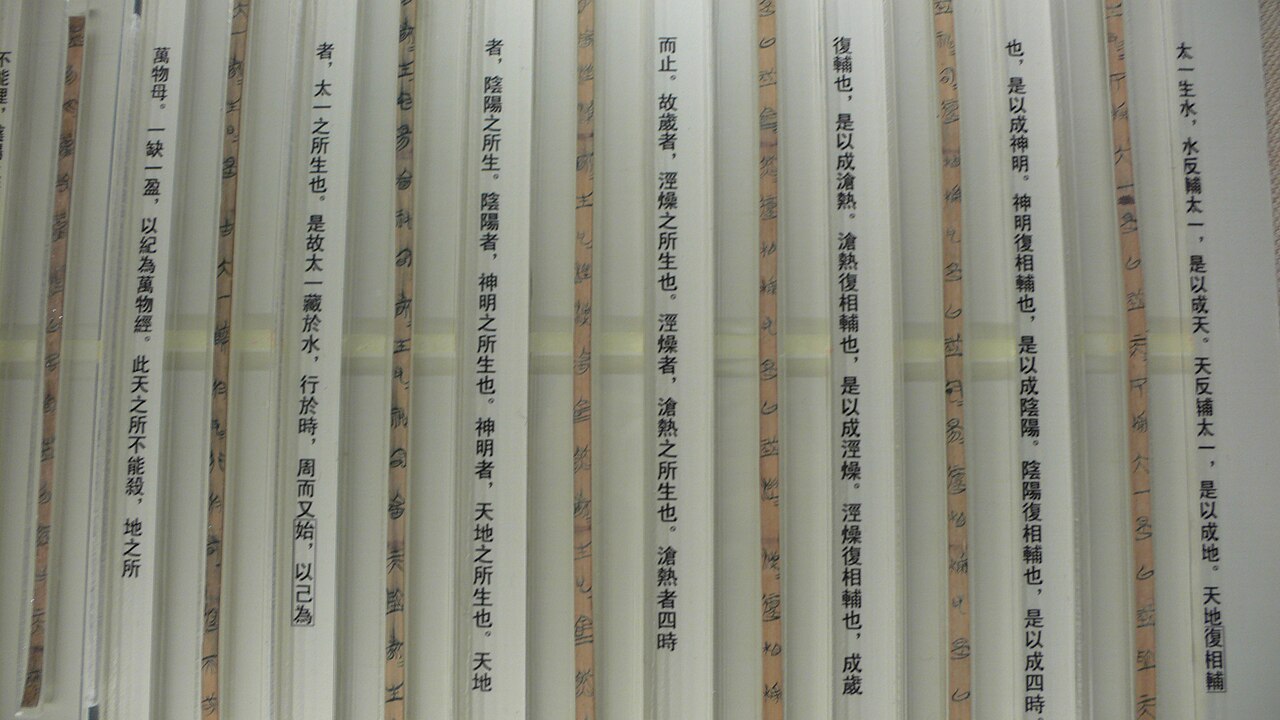
Bamboo Texts of Guodian
c. 300 BCE
 Book
Primary source
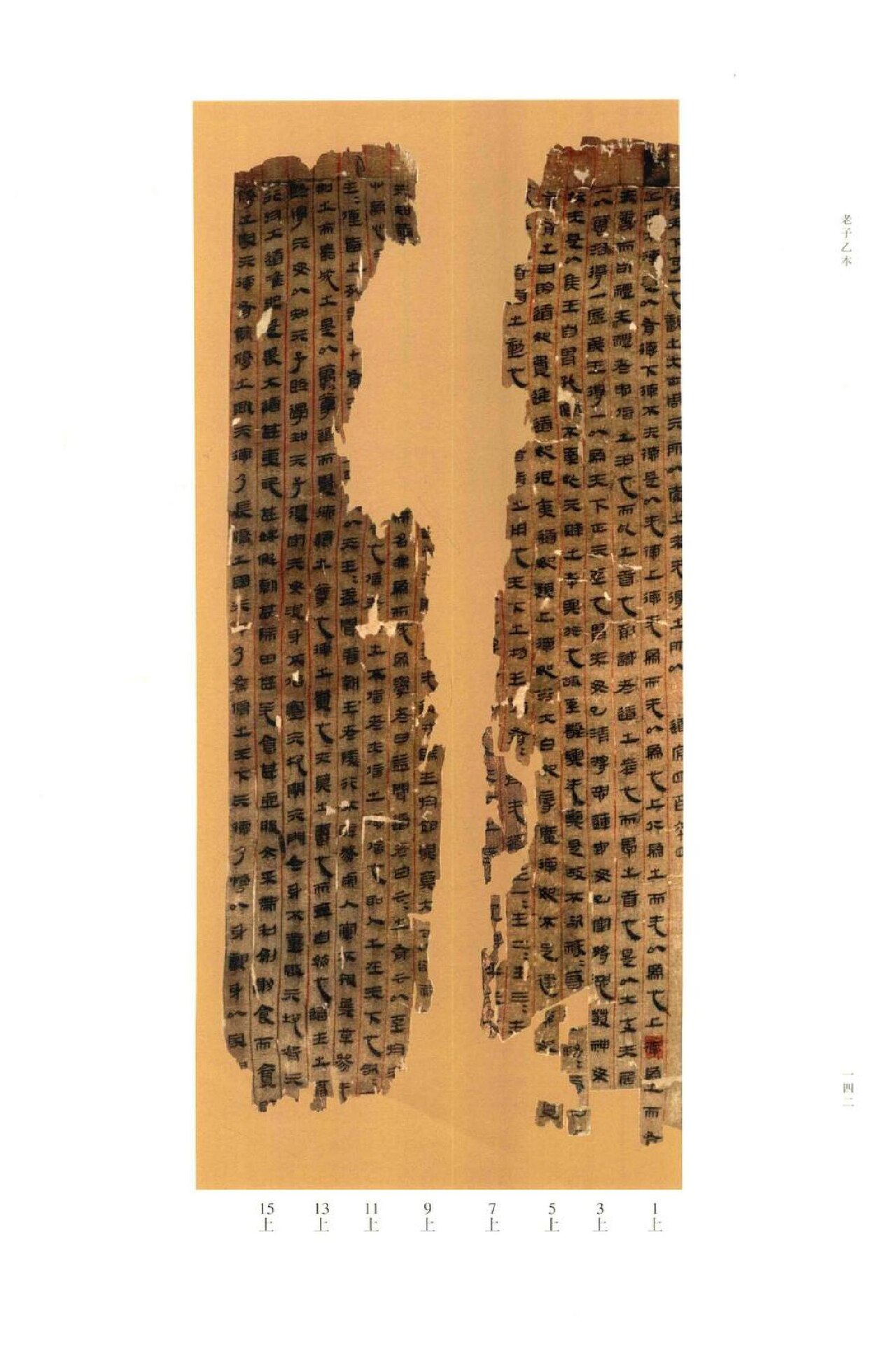
Mawangdui Silk Texts of the Laozi
Anonymous Han scribes · c. 200-168 BCE
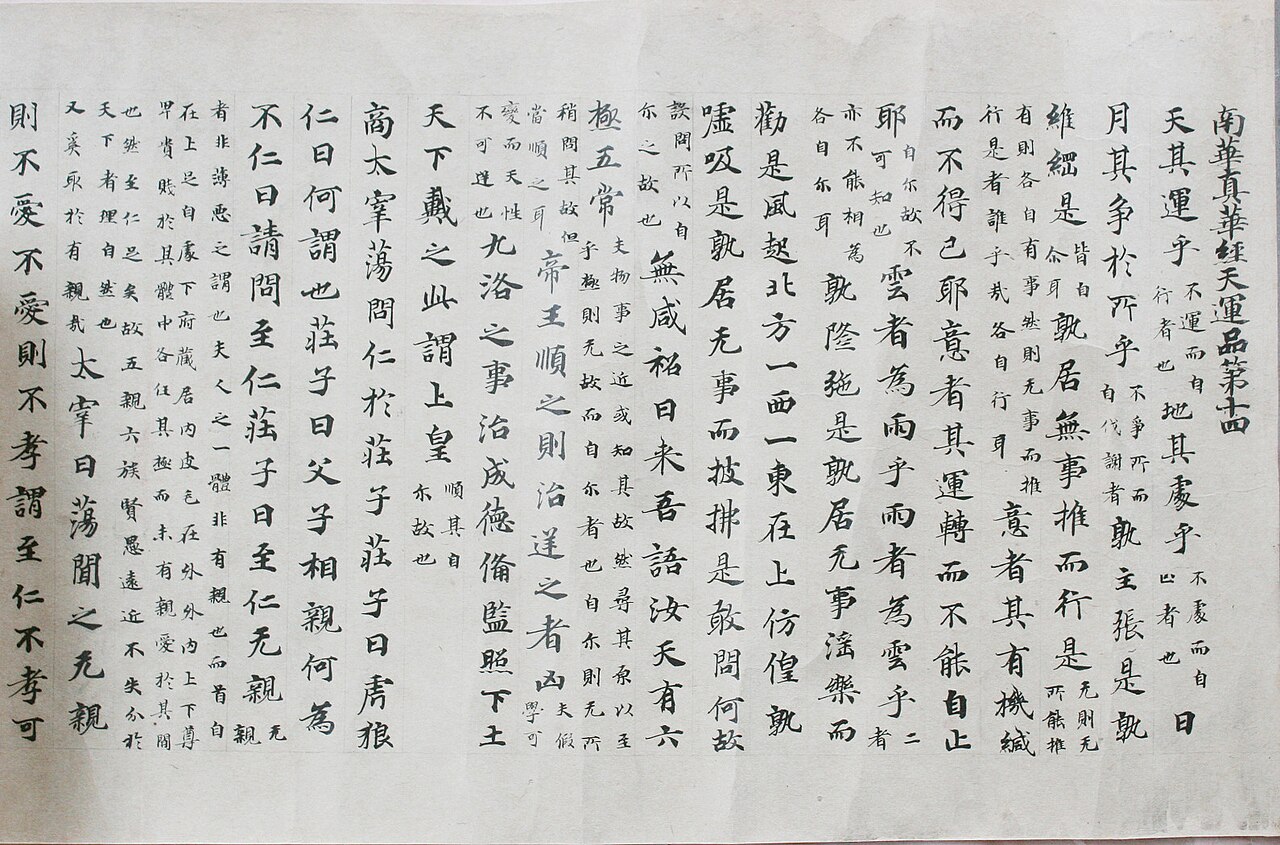 Book
Secondary source
Zhuangzi
Zhuang Zhou · c. 300 BCE
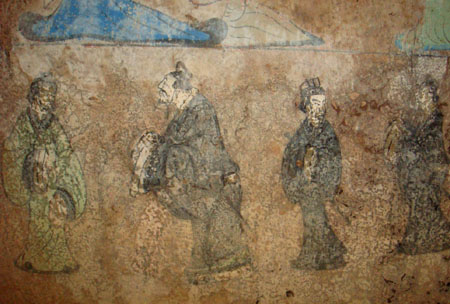 Painting
Secondary source
Confucius and Laozi fresco, Dongping tomb
Anonymous Chinese painter of the Western Han period · Western Han period, c. 2000 years old
Ready when you are
Start chatting with Laozi now.
20 messages free · No credit card · Available in 50+ languages.