


Secondary sourcePaintinglate Ming dynasty
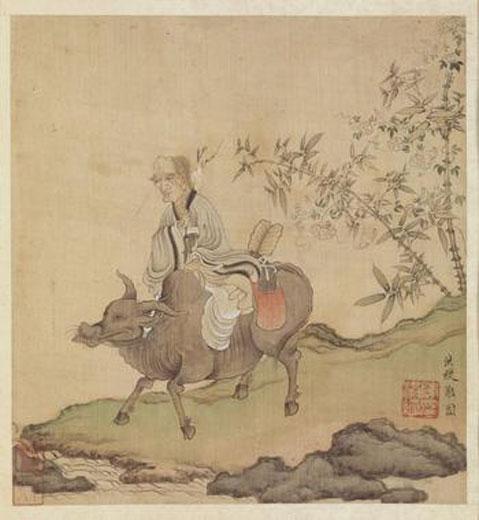
Laozi Riding an Ox
Chen Hongshou · late Ming dynasty
A late Ming painting by Chen Hongshou depicting an old man on an ox, the traditional image of Laozi departing to the west.
This painting shows Laozi riding an ox, the traditional image of his legendary departure to the west.
About this source
What it is
This ink and color painting on silk was made by the late-Ming artist Chen Hongshou. It shows an elderly robed man with a topknot riding a dark ox along a path beside rocks and a flowering branch. The painting is now held at the Cleveland Museum of Art.
Why it matters
The image of an old man riding an ox became the standard way Chinese artists represented Laozi's legendary departure from China toward the west, a story first recorded in early histories. Chen Hongshou's version shows how this image persisted as a popular artistic subject centuries after Laozi was said to have lived, connecting painters, viewers and the growing legend together.
Look closer
- What details in the painting — the ox, the robe, the landscape — point to who this figure is meant to be?
- Why might artists repeat the same scene of a figure departing on an ox across many centuries?
- What does the painting suggest about the mood or meaning of this journey?
This painting is part of the curated material that grounds the AI version of Laozi on Humy.ai — when students ask about related events, the AI can quote it and cite it.
More Laozi sources
Meet the AI Laozi →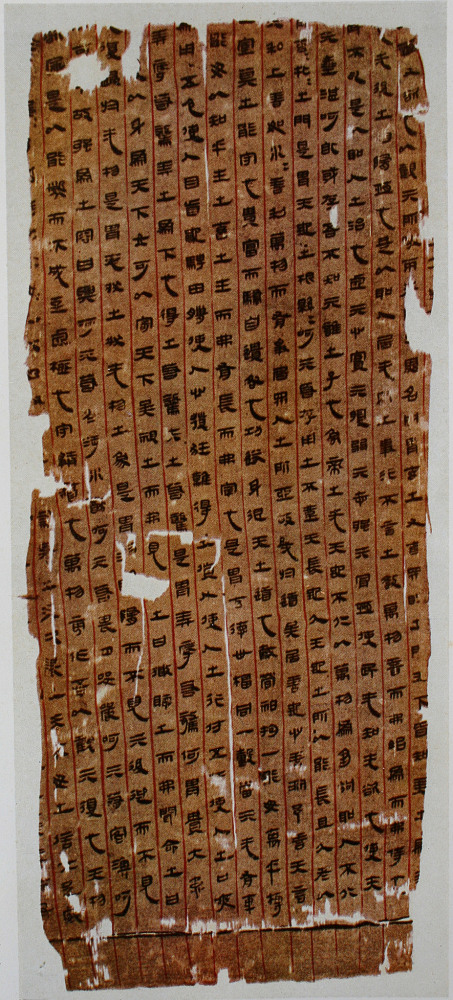 Book
Secondary source
Tao Te Ching
Laozi · c. 4th-3rd century BCE
 Artifact
Primary source
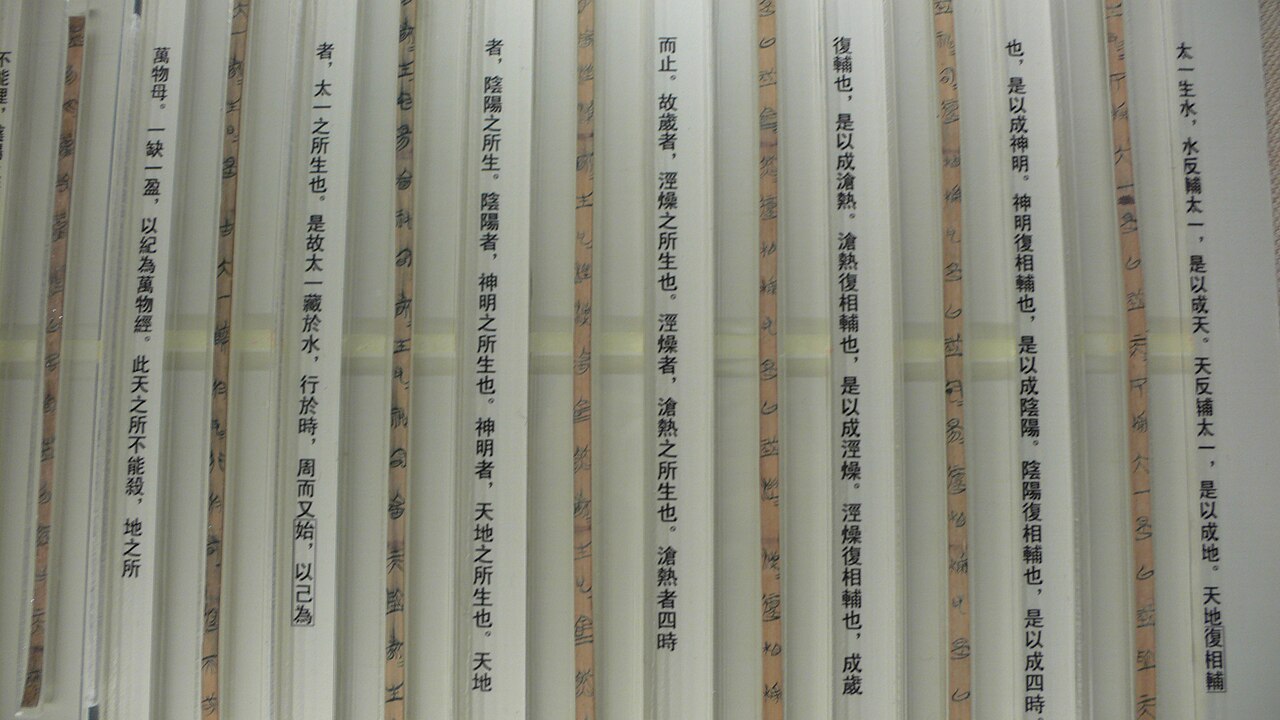
Bamboo Texts of Guodian
c. 300 BCE
 Book
Primary source
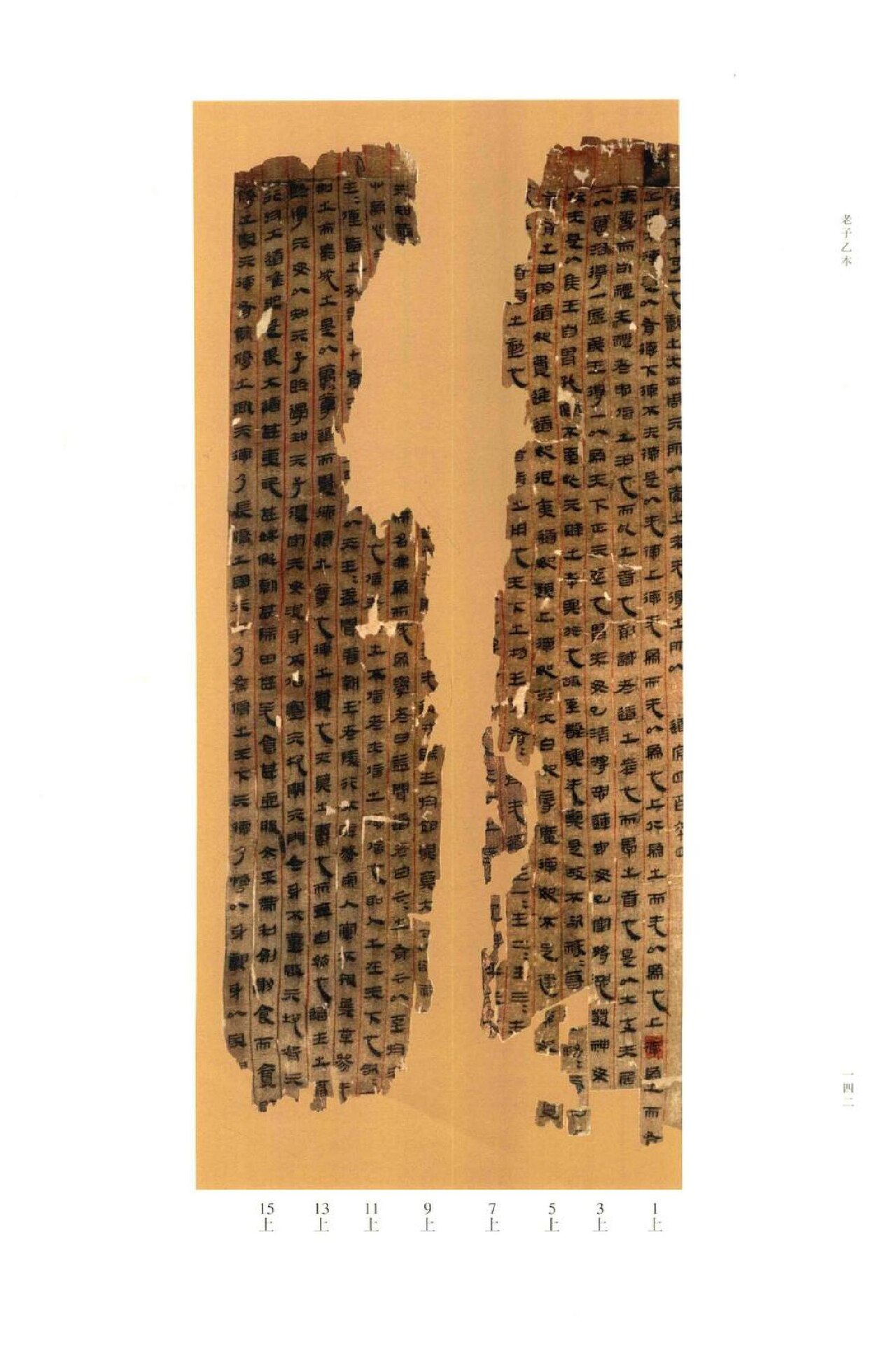
Mawangdui Silk Texts of the Laozi
Anonymous Han scribes · c. 200-168 BCE
 Book
Secondary source
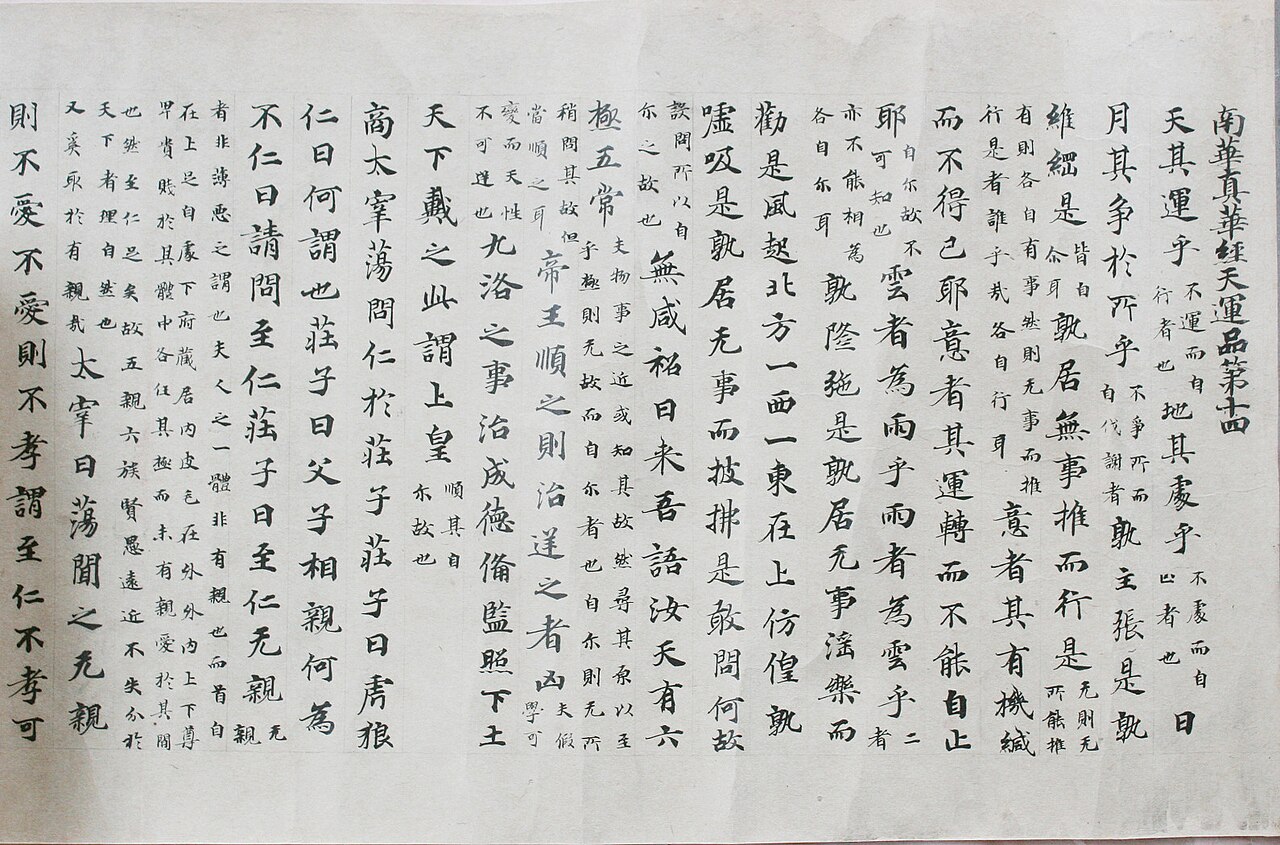
Zhuangzi
Zhuang Zhou · c. 300 BCE
 Painting
Secondary source
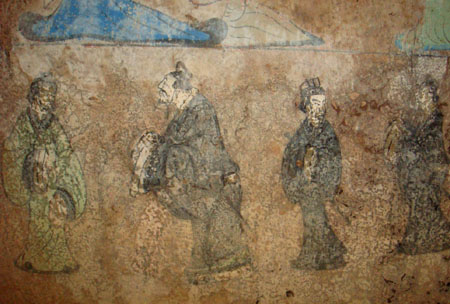
Confucius and Laozi fresco, Dongping tomb
Anonymous Chinese painter of the Western Han period · Western Han period, c. 2000 years old
Ready when you are
Start chatting with Laozi now.
20 messages free · No credit card · Available in 50+ languages.