


Primary sourcePaintingc. 1305-1306
Last Judgment
Giotto di Bondone · c. 1305-1306
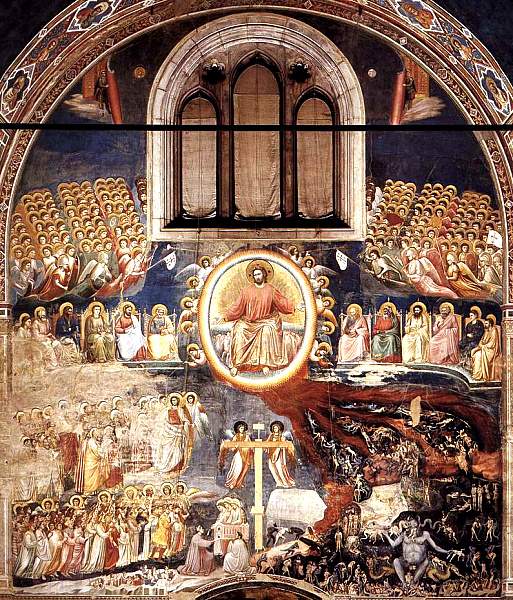
A large fresco by Giotto on the west wall of the Scrovegni Chapel, showing Christ enthroned between the blessed and the damned, with donor Enrico Scrovegni offering the chapel.
Giotto painted this fresco, which includes a portrait of patron Enrico Scrovegni, in the chapel he decorated.
About this source
What it is
This fresco covers the west wall of the Scrovegni Chapel in Padua, painted by Giotto around 1305-1306. Christ is shown enthroned at the centre, surrounded by angels and saints, with the blessed moving toward a gate on one side and the damned tormented in hell on the other, where a large demonic figure appears.
Why it matters
The painting includes a rare early donor portrait: Enrico Scrovegni, the wealthy patron who commissioned the chapel, is shown offering it, reflecting his wish to atone for his family's reputation for usury. This combination of religious vision and personal patronage shows how medieval art served both faith and the interests of the people who paid for it.
Look closer
- Why would Enrico Scrovegni want to be shown inside this scene?
- How does Giotto separate the blessed from the damned visually?
- What does the painting suggest about medieval beliefs about judgment after death?
This painting is part of the curated material that grounds the AI version of Giotto on Humy.ai — when students ask about related events, the AI can quote it and cite it.
More Giotto sources
Meet the AI Giotto →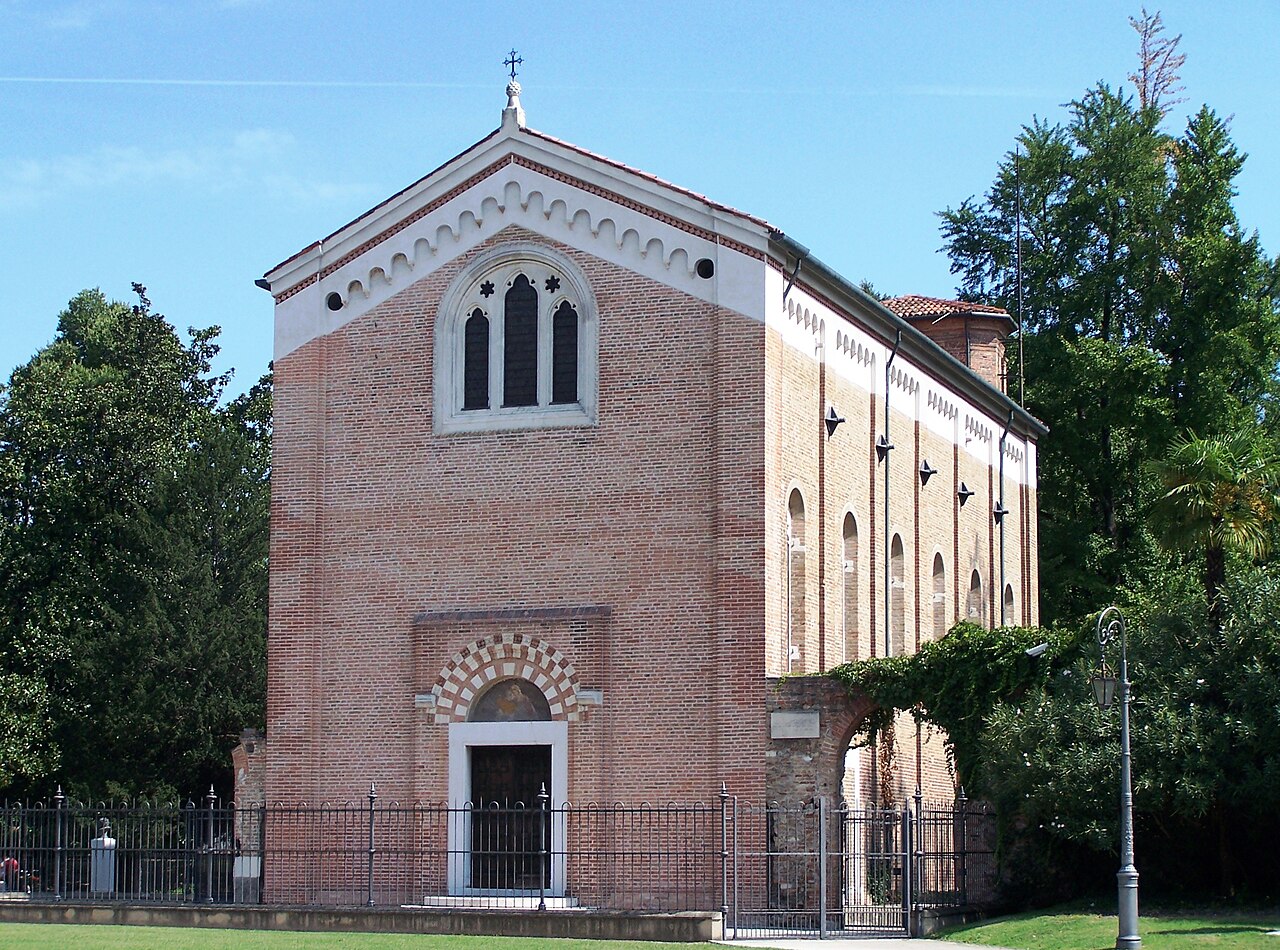 Artifact
Primary source
Scrovegni Chapel
Giotto di Bondone · c. 1305
 Painting
Primary source
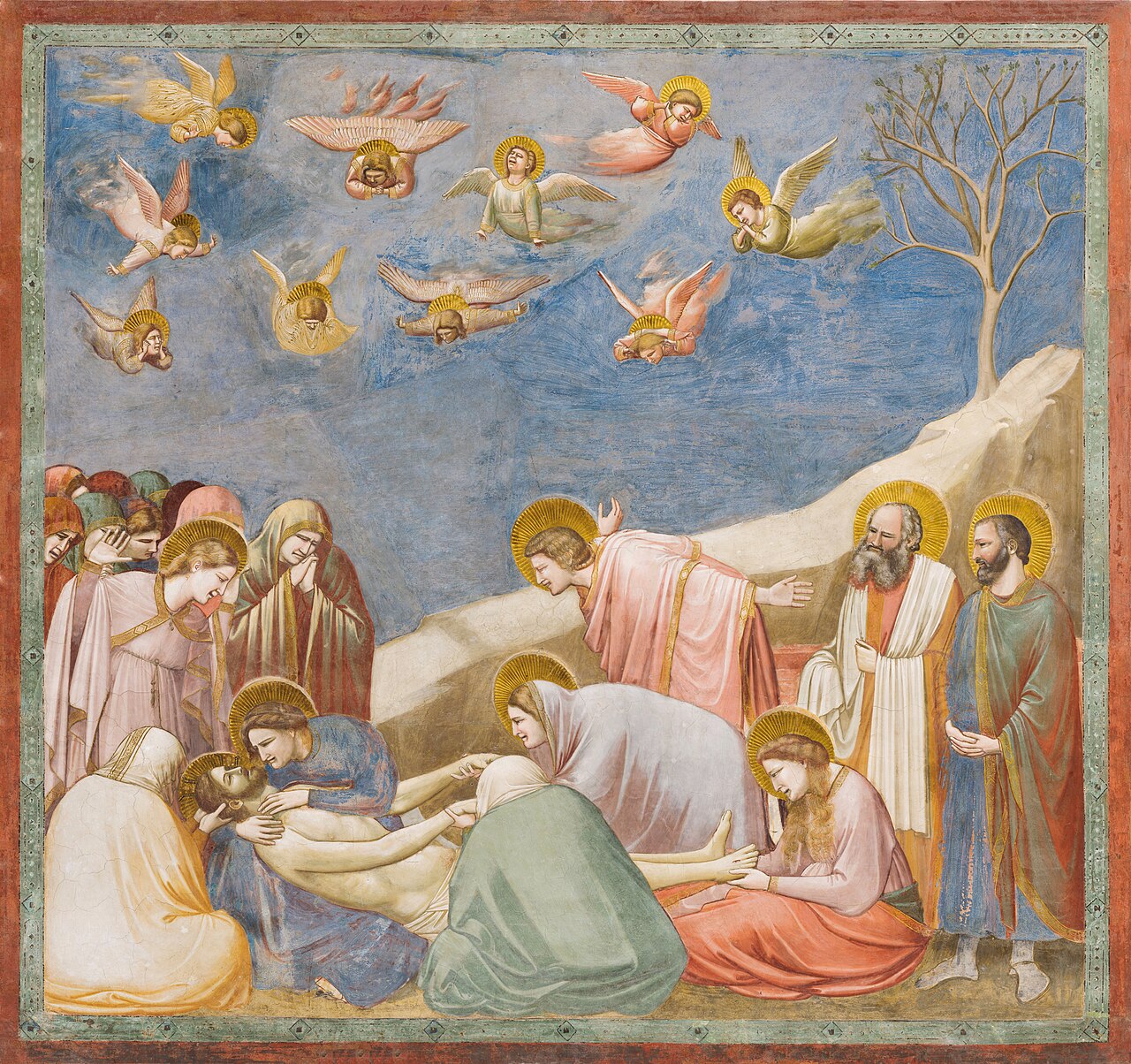
Lamentation
Giotto di Bondone · c. 1305
 Painting
Primary source
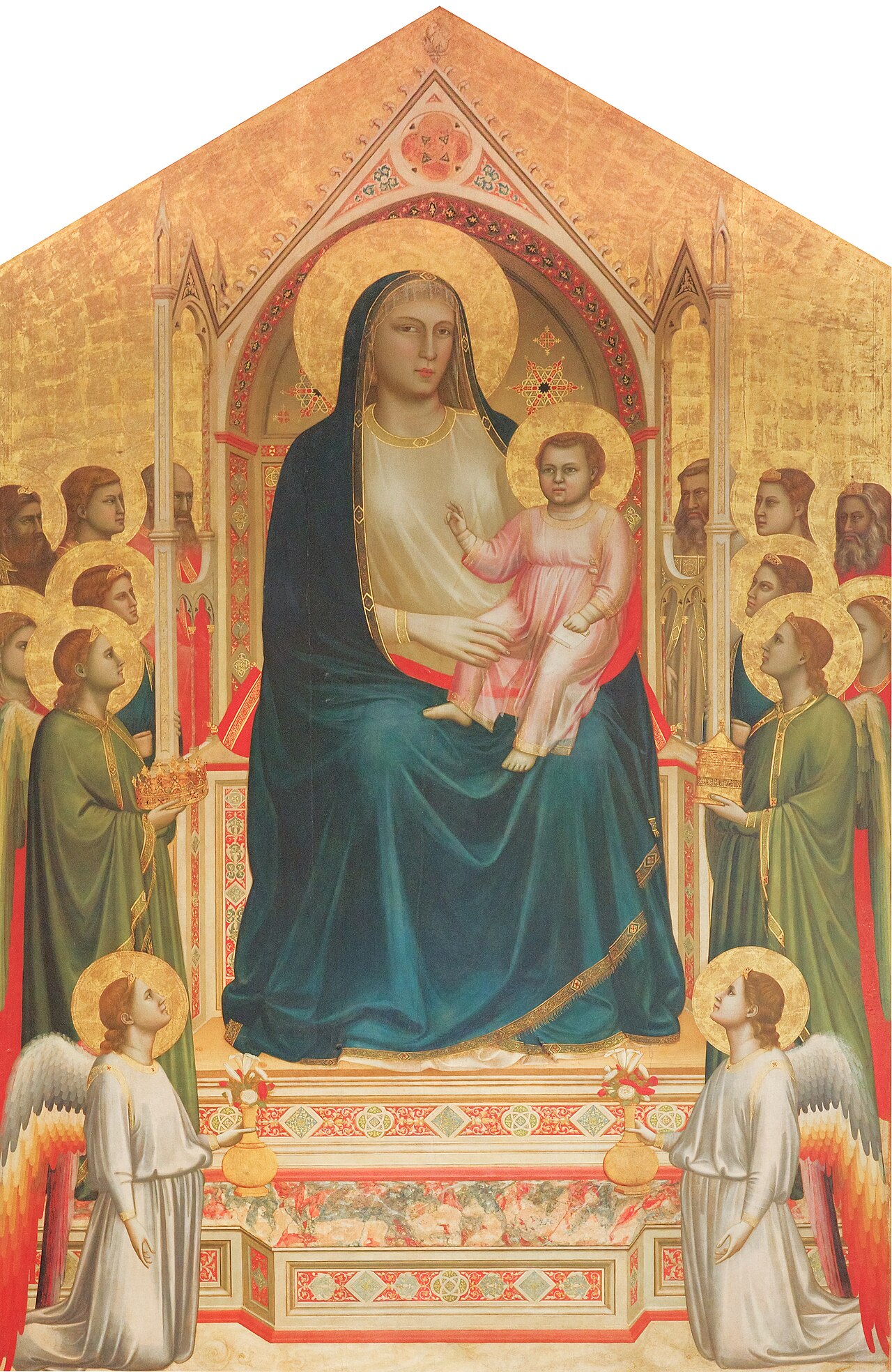
Madonna Enthroned
Giotto di Bondone · c. 1300-1310
 Artifact
Primary source
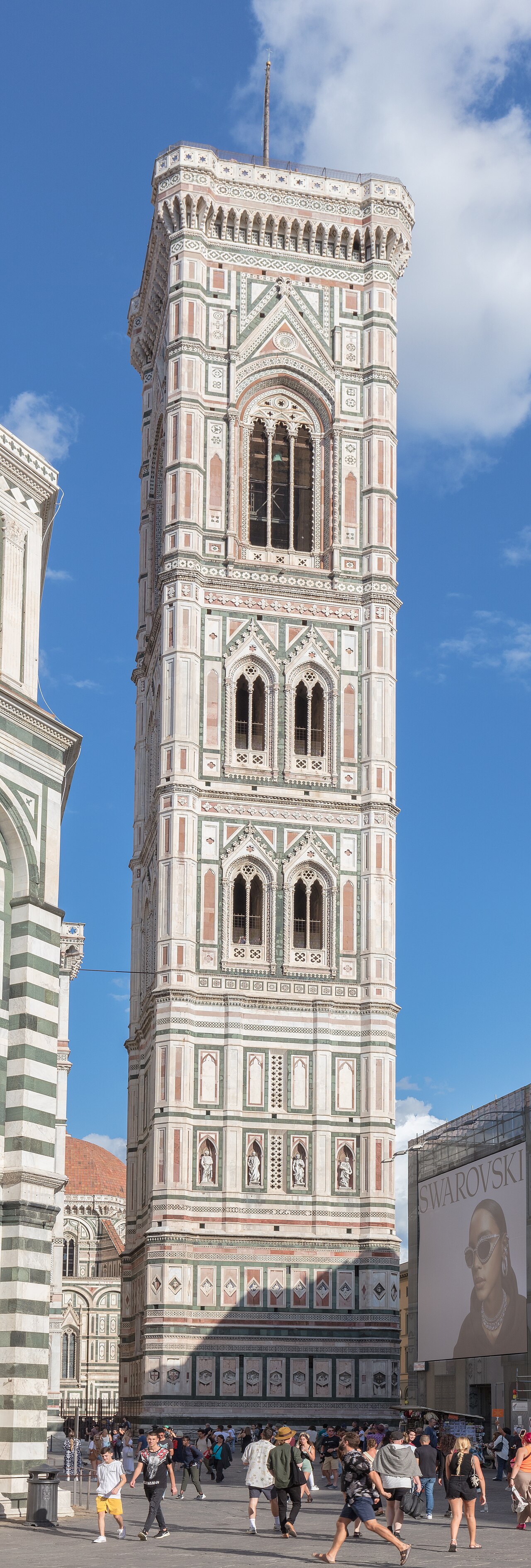
Giotto's Campanile
Giotto di Bondone · designed 1334
 Painting
Primary source
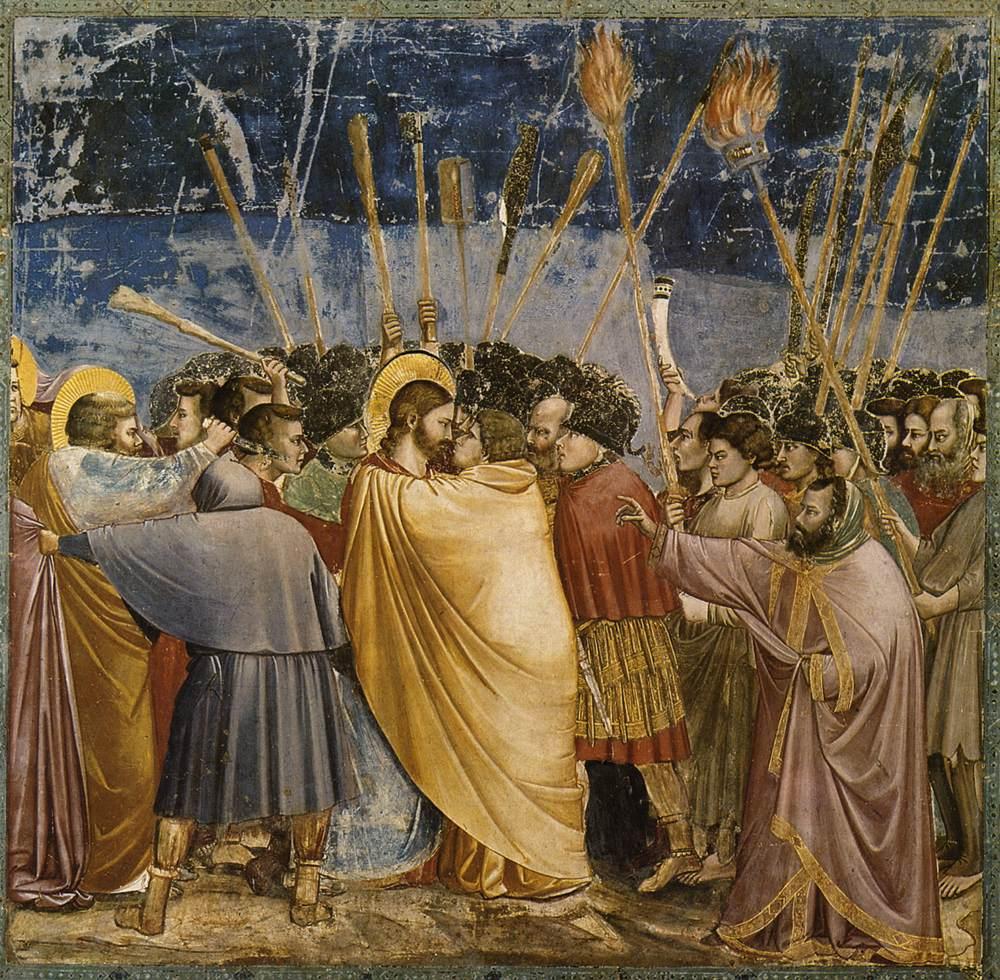
Kiss of Judas
Giotto di Bondone · c. 1305
Ready when you are
Start chatting with Giotto now.
20 messages free · No credit card · Available in 50+ languages.