


Primary sourceArtifactc. 1305
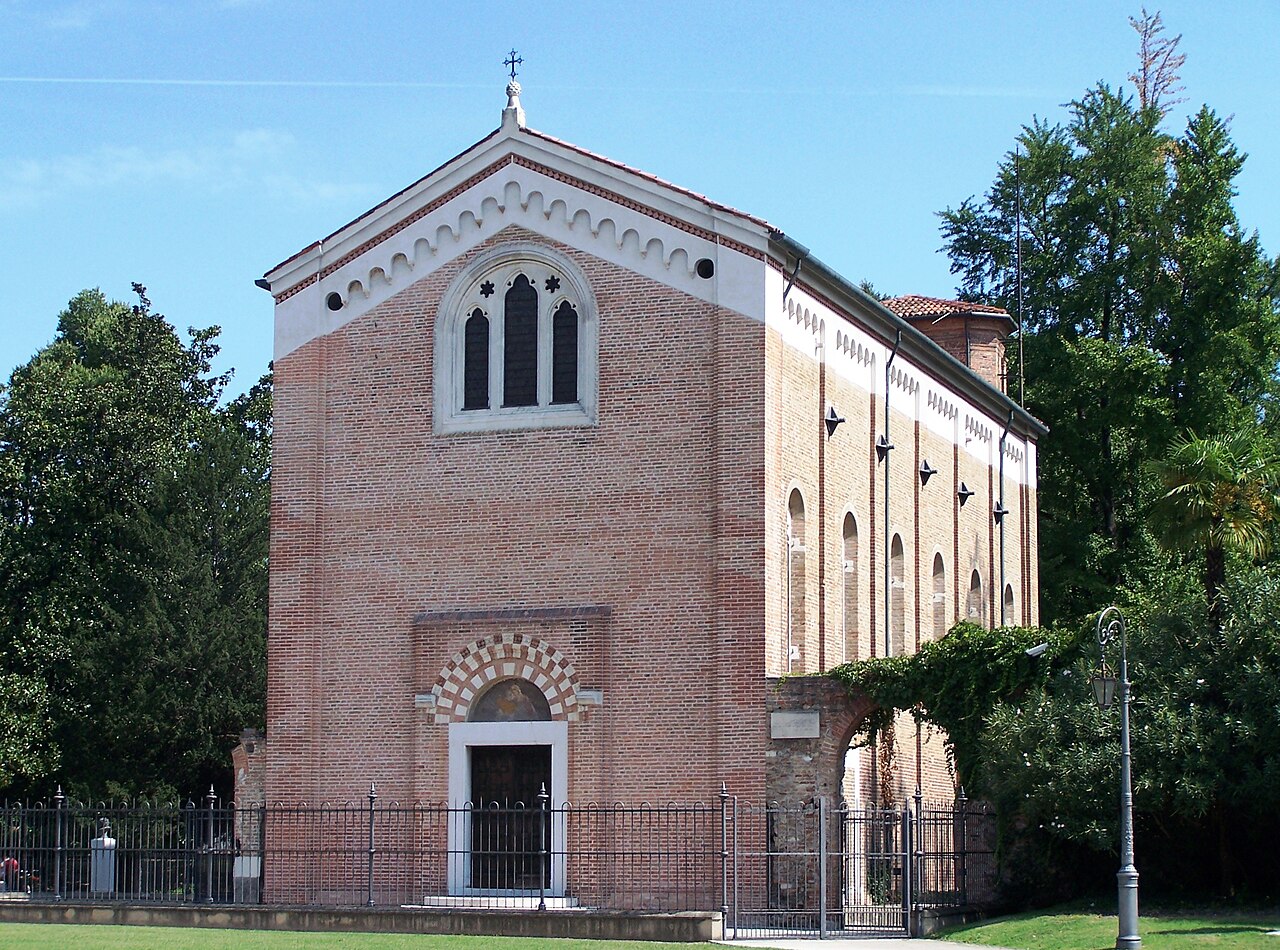
Scrovegni Chapel
Giotto di Bondone · c. 1305
A small chapel in Padua that Giotto covered entirely with frescoes around 1305, one of his most complete surviving works.
Giotto painted the entire fresco cycle inside this chapel, his most complete surviving masterwork.
About this source
What it is
The Scrovegni Chapel, also called the Arena Chapel, is a small church in Padua, Italy. It was commissioned by the wealthy banker Enrico Scrovegni and decorated inside, walls and ceiling, with a fresco cycle by Giotto, finished around 1305. It still stands in Padua and is now part of the city's civic museums.
Why it matters
The chapel is considered a turning point in Western painting. Giotto and his team of assistants filled the whole interior with scenes from the lives of Christ and the Virgin, moving away from flat Byzantine style toward figures that look solid and occupy real space. It also reveals Enrico Scrovegni's wish to build a grand private chapel and burial place, showing how wealthy patrons shaped medieval art.
Look closer
- Why would a private banker build and decorate an entire chapel?
- What does the sheer size of the project tell you about Giotto's workshop and reputation?
- What is missing from the photograph that you would only see inside?
This artifact is part of the curated material that grounds the AI version of Giotto on Humy.ai — when students ask about related events, the AI can quote it and cite it.
More Giotto sources
Meet the AI Giotto →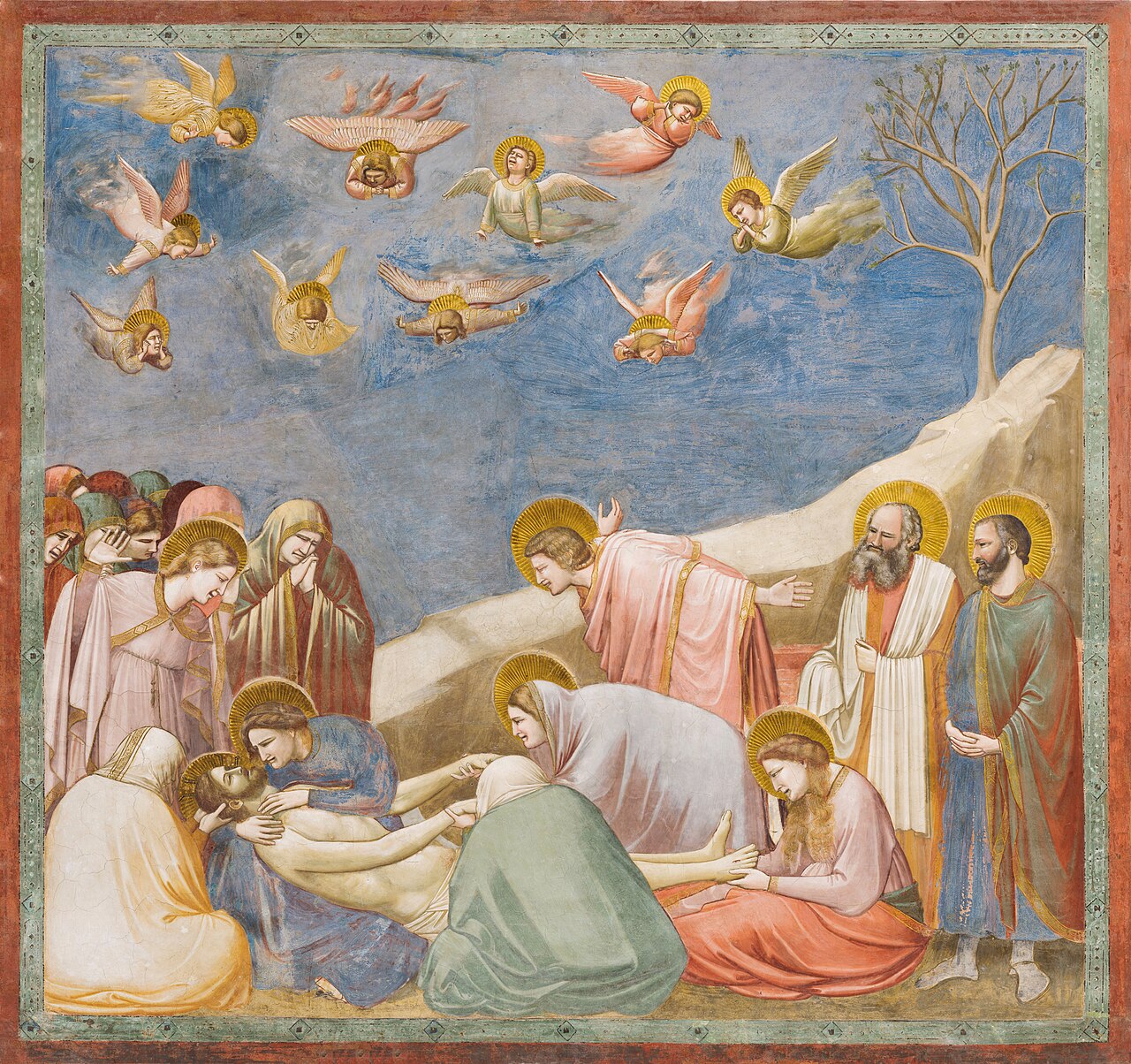 Painting
Primary source
Lamentation
Giotto di Bondone · c. 1305
 Painting
Primary source
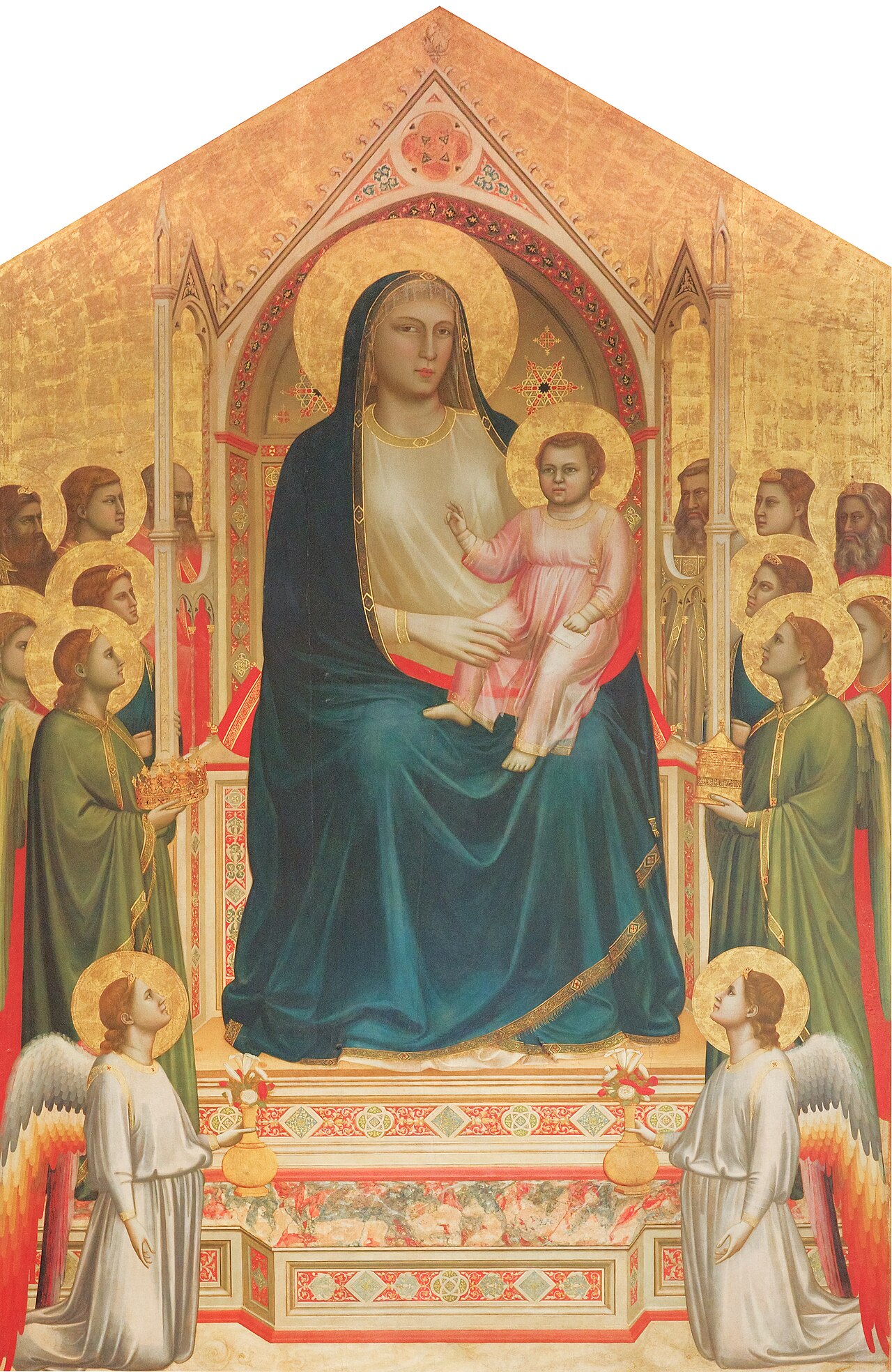
Madonna Enthroned
Giotto di Bondone · c. 1300-1310
 Artifact
Primary source
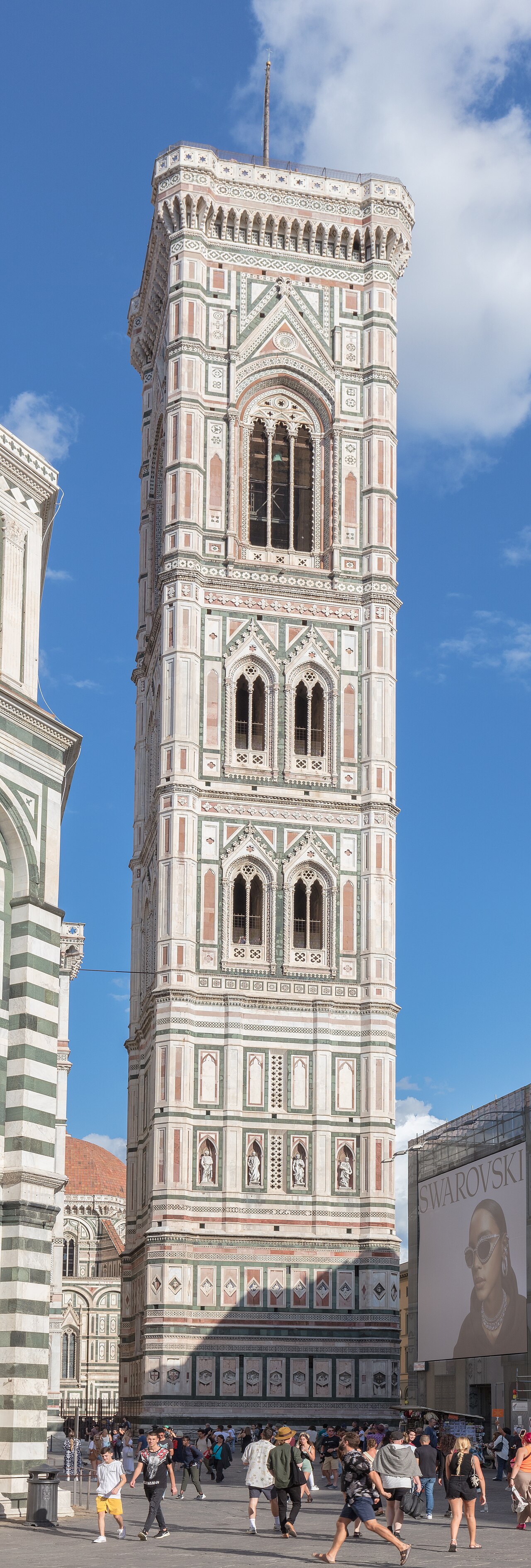
Giotto's Campanile
Giotto di Bondone · designed 1334
 Painting
Primary source
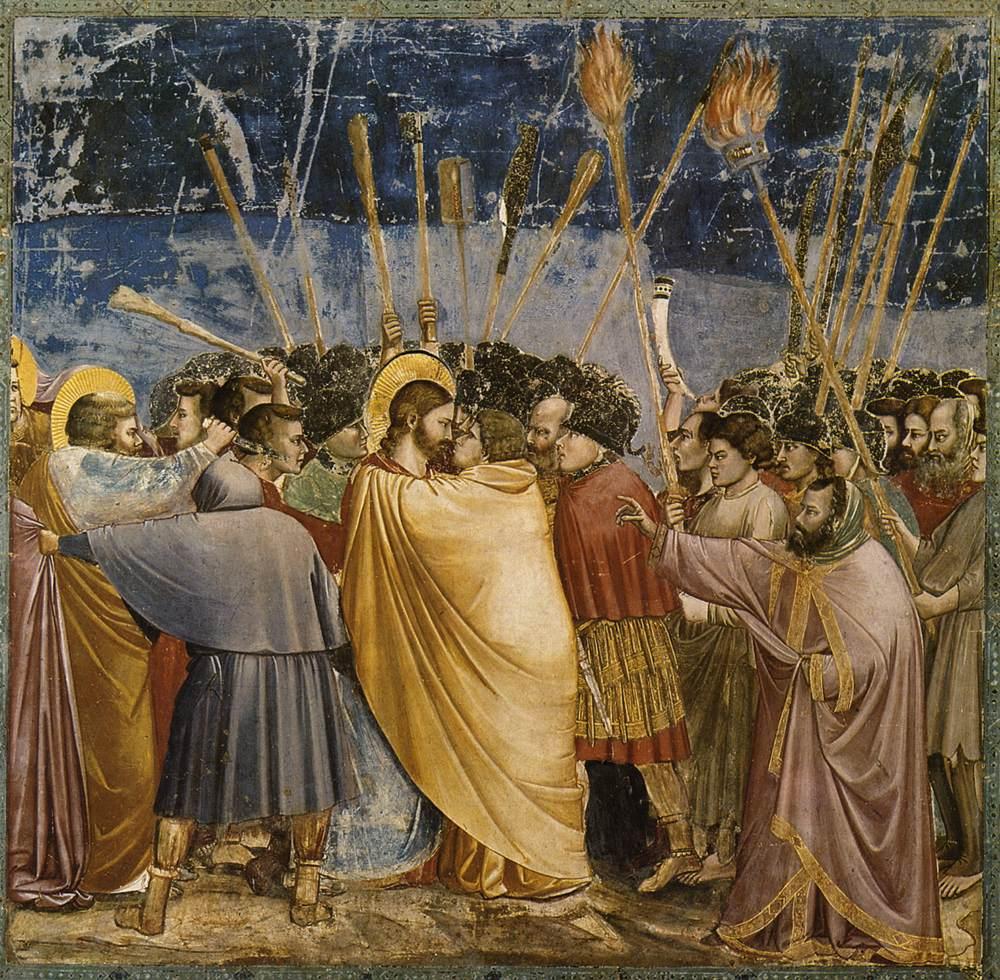
Kiss of Judas
Giotto di Bondone · c. 1305
 Painting
Primary source
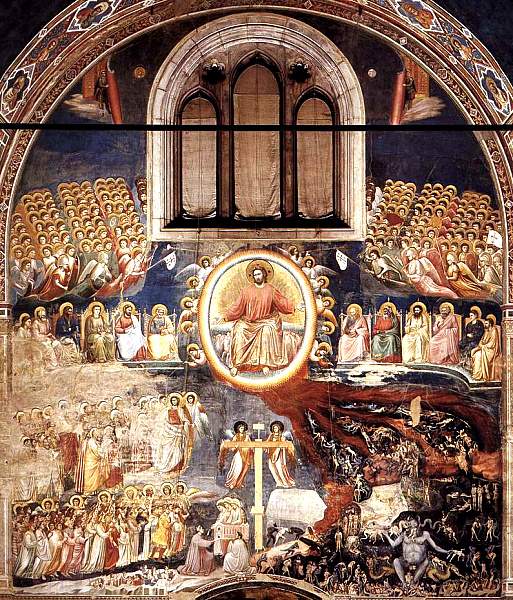
Last Judgment
Giotto di Bondone · c. 1305-1306
Ready when you are
Start chatting with Giotto now.
20 messages free · No credit card · Available in 50+ languages.