


Primary sourcePaintingc. 1300-1310
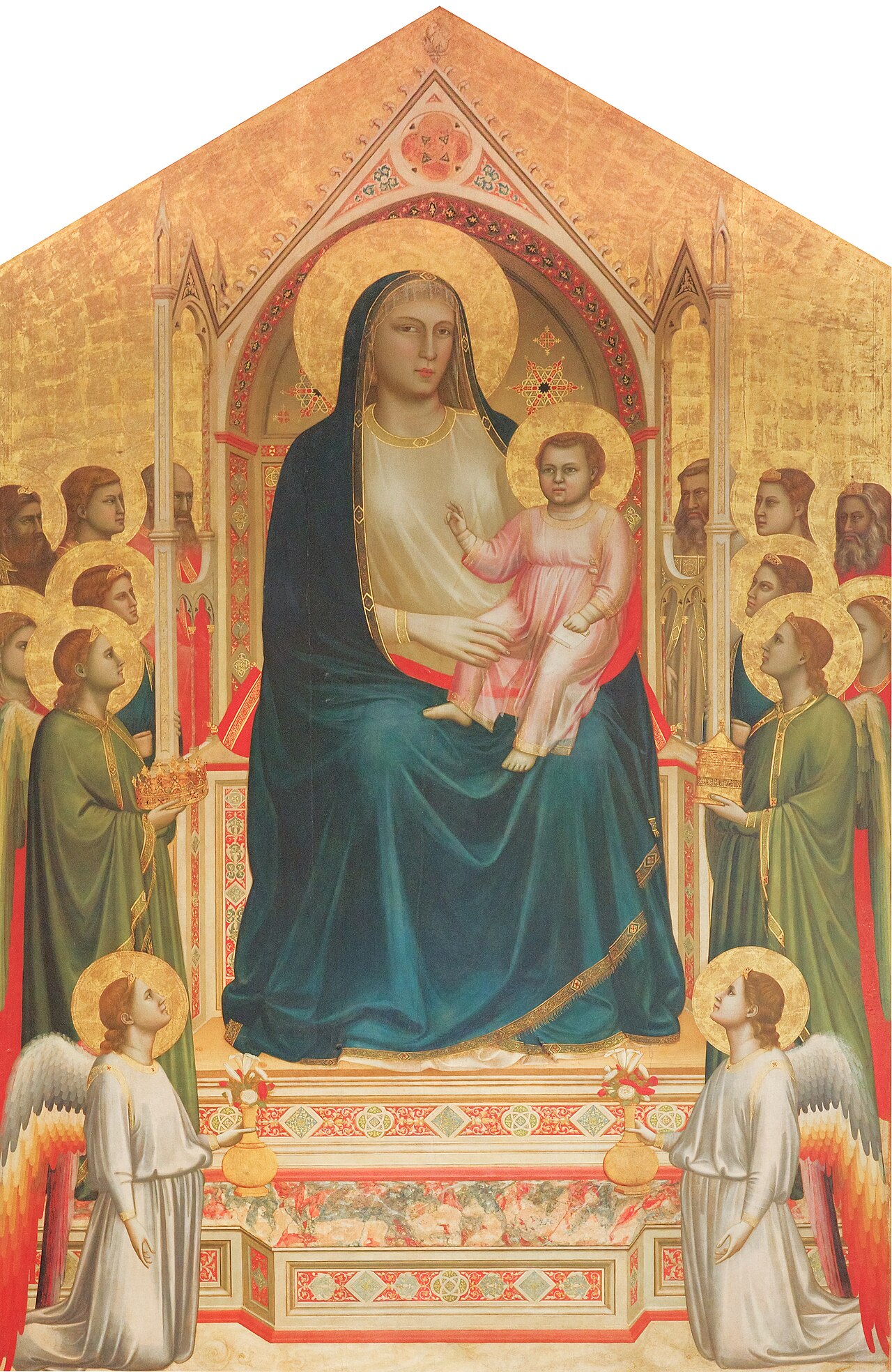
Madonna Enthroned
Giotto di Bondone · c. 1300-1310
A large altarpiece by Giotto showing the Virgin Mary and Christ Child enthroned among saints and angels.
One of Giotto's major surviving panel paintings, showing his break from Byzantine flatness toward naturalism.
About this source
What it is
Madonna Enthroned, also known as the Ognissanti Madonna, is a tempera panel painting by Giotto, now in the Uffizi Gallery in Florence. It shows the Virgin Mary seated on a throne with the Christ Child on her lap, surrounded by saints and angels, a composition known as a Maestà. It was painted for the high altar of the Ognissanti church in Florence.
Why it matters
Often called one of the first works of Italian Renaissance painting, it shows Giotto moving beyond the flat gold backgrounds of Byzantine art to give the Virgin's body real weight and solidity, like a statue. Comparisons with earlier Maestà paintings by artists such as Cimabue help historians trace how Giotto's style changed Italian art.
Look closer
- How does the Virgin's body look different from a flat, symbolic figure?
- Why is the Christ Child shown so much larger than the surrounding saints?
- What clues in the throne's decoration tell you about the period's craftsmanship?
This painting is part of the curated material that grounds the AI version of Giotto on Humy.ai — when students ask about related events, the AI can quote it and cite it.
More Giotto sources
Meet the AI Giotto →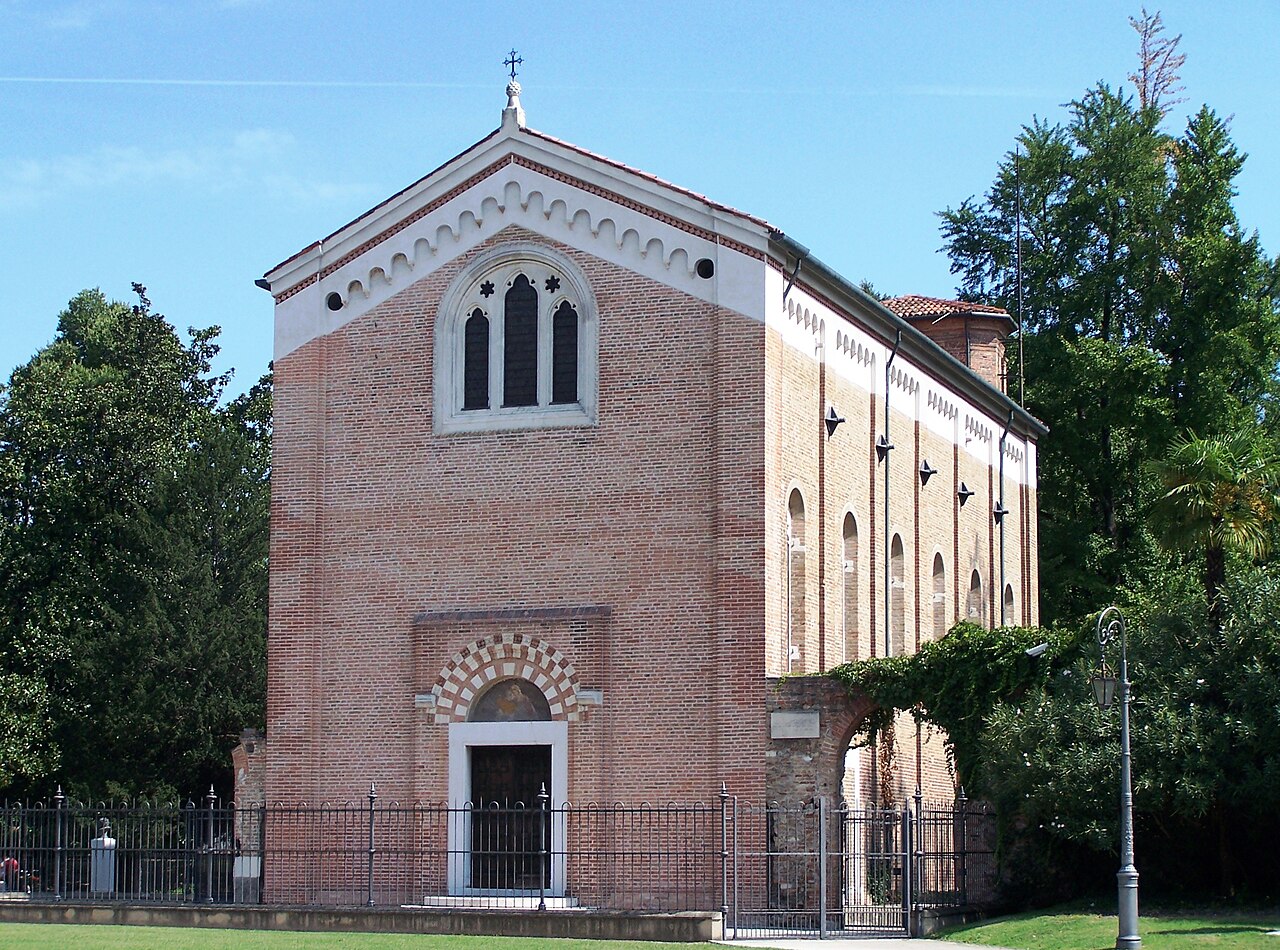 Artifact
Primary source
Scrovegni Chapel
Giotto di Bondone · c. 1305
 Painting
Primary source
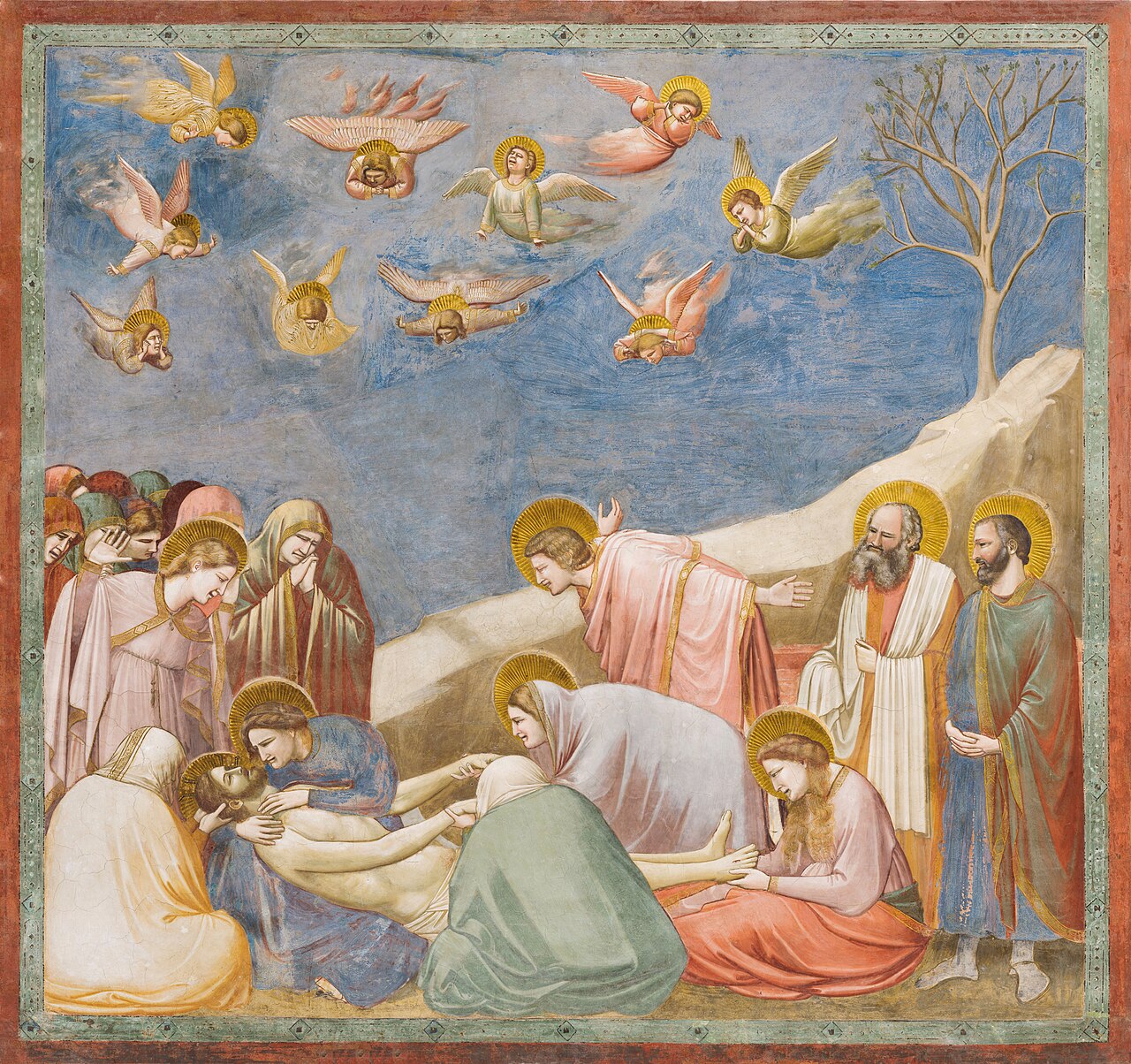
Lamentation
Giotto di Bondone · c. 1305
 Artifact
Primary source
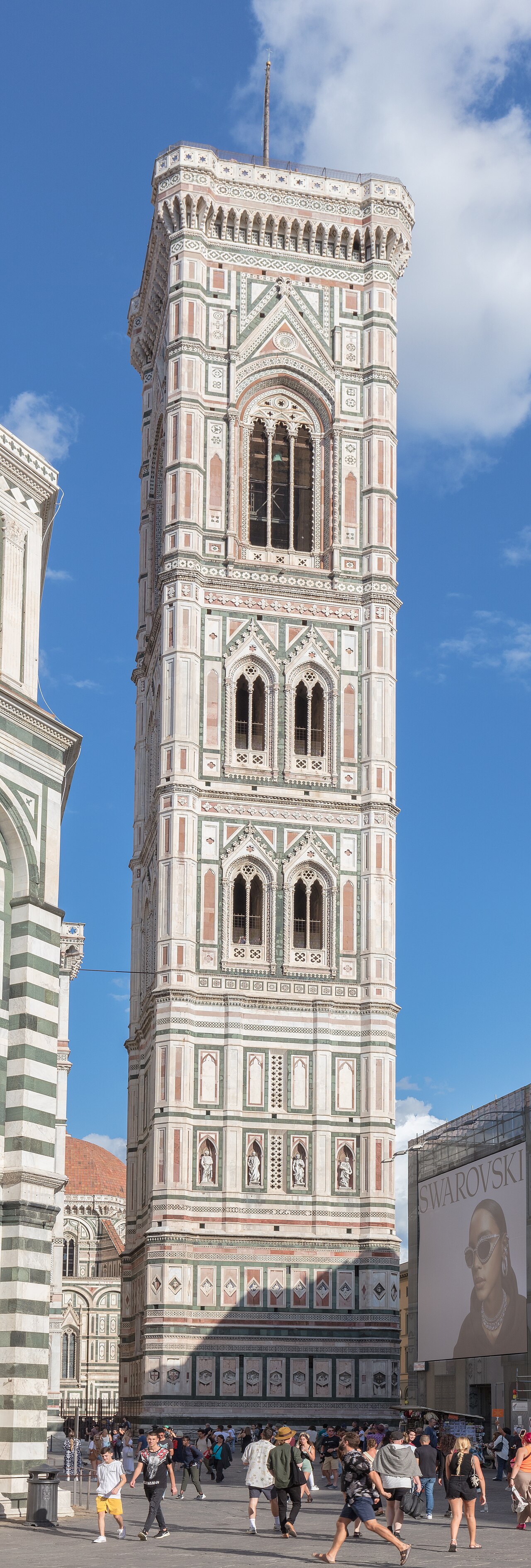
Giotto's Campanile
Giotto di Bondone · designed 1334
 Painting
Primary source
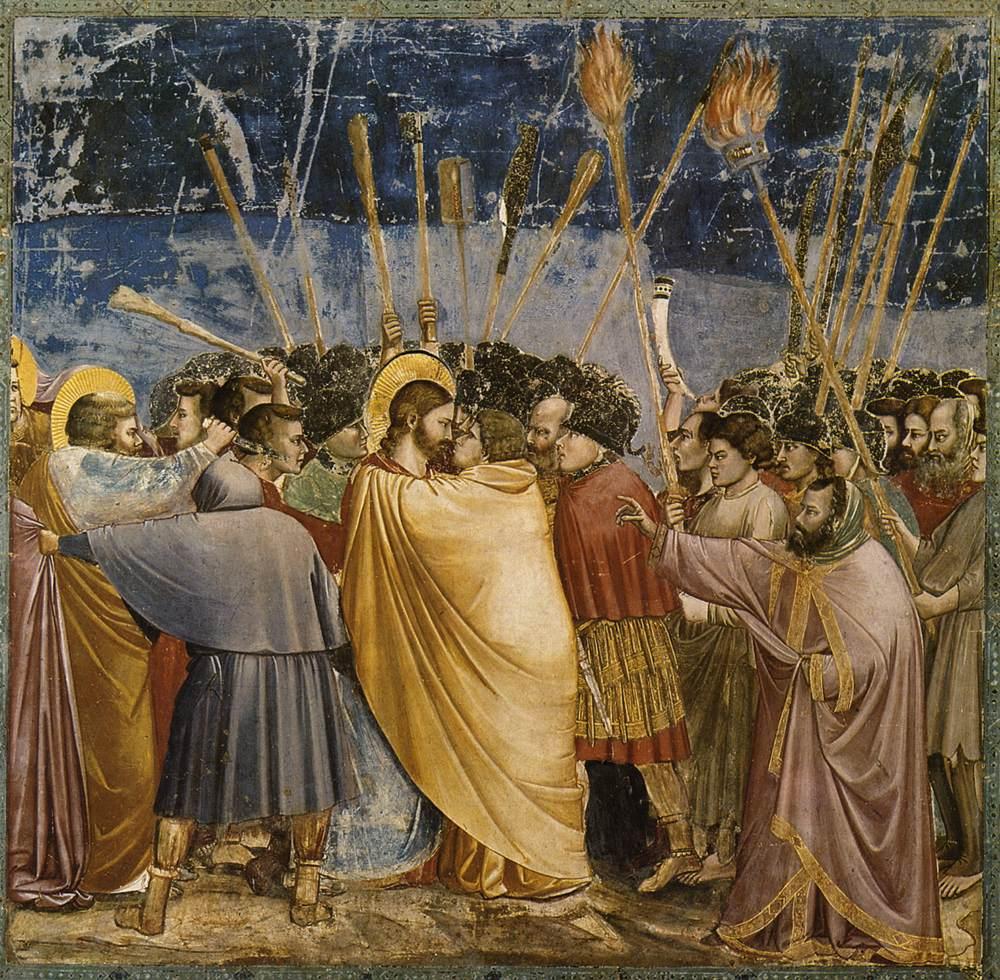
Kiss of Judas
Giotto di Bondone · c. 1305
 Painting
Primary source
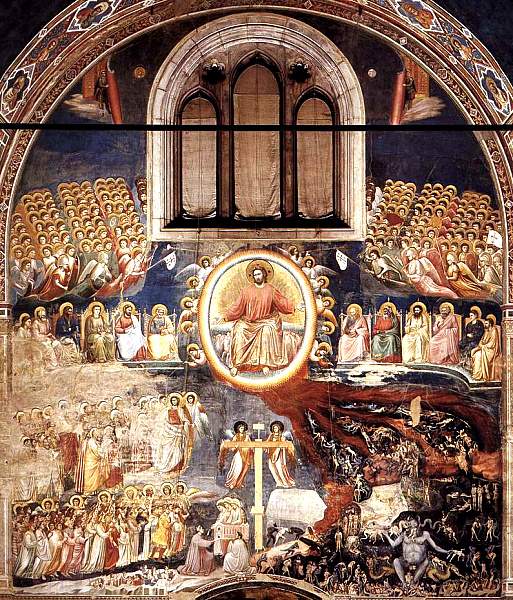
Last Judgment
Giotto di Bondone · c. 1305-1306
Ready when you are
Start chatting with Giotto now.
20 messages free · No credit card · Available in 50+ languages.