


Primary sourceDocument1903
Laws of Hammurabi, Plate 1
Hammurabi · 1903
A 1903 printed plate reproducing part of the cuneiform text from Hammurabi's law stele.
This plate reproduces part of the inscribed laws created under Hammurabi's rule.

About this source
What it is
This is a printed plate from a 1903 English publication, the Records of the Past Exploration Society, copying part of the ancient stele inscribed with Hammurabi's laws. The original stone carving dates to his reign in Babylon.
Why it matters
The laws carved onto the original stele are among the earliest detailed legal codes in history, attributed to Hammurabi himself. This plate shows how scholars in the early 1900s worked to reproduce and share the ancient cuneiform text with readers who could not see the original stone.
Look closer
- Why would scholars go to the effort of photographing and printing ancient cuneiform text?
- What might be lost or changed when an inscription is copied into a printed book?
- What does the dense, carefully carved text suggest about how seriously the Babylonians treated law?
This document is part of the curated material that grounds the AI version of Hammurabi on Humy.ai — when students ask about related events, the AI can quote it and cite it.
More Hammurabi sources
Meet the AI Hammurabi → Document
Primary source
Code of Hammurabi
Hammurabi · c. 1753 BCE
 Sculpture
Primary source
Stele with the Code of Hammurabi
Hammurabi · c. 1792 BCE
 Letter
Primary source
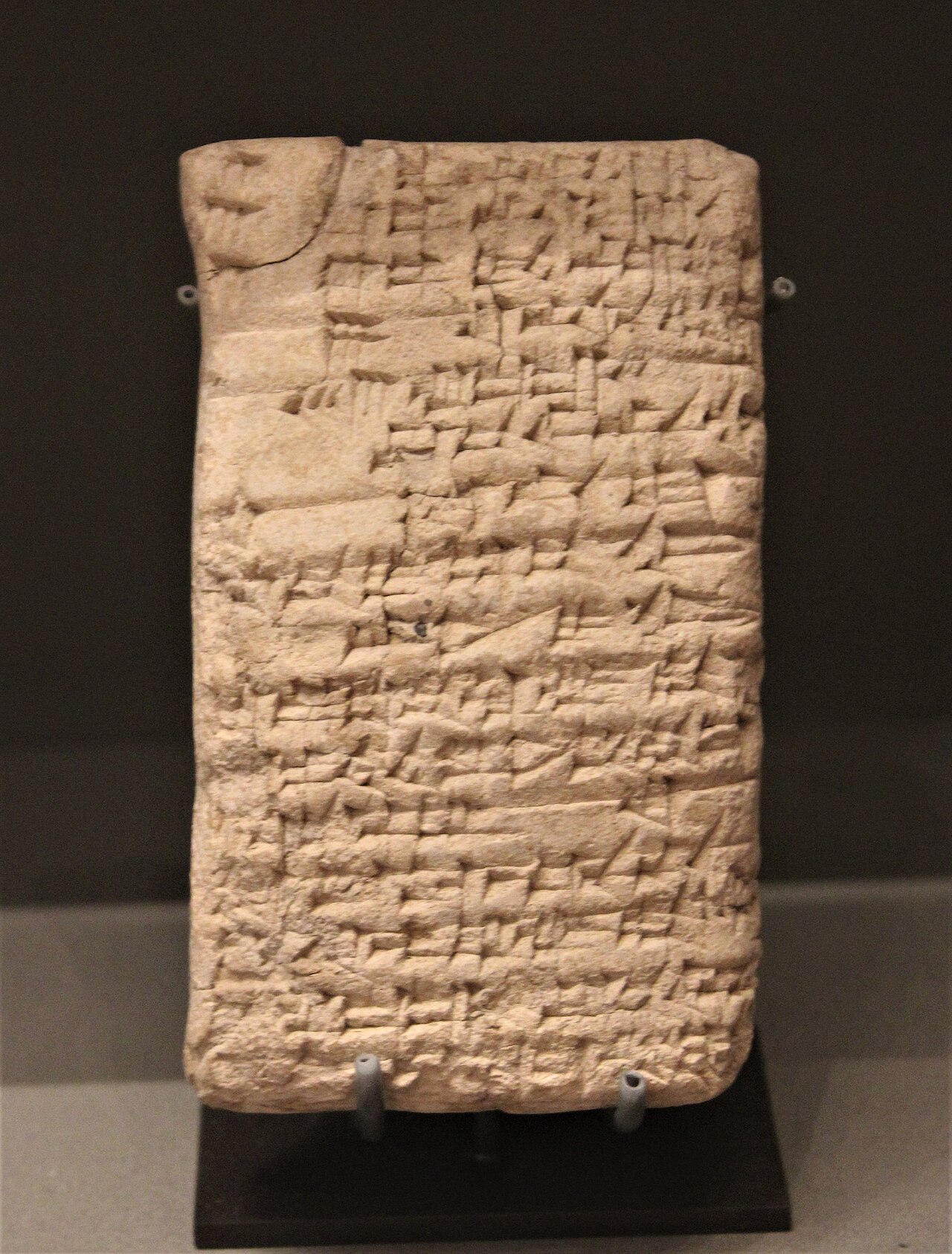
Letter from Hammurabi to Sîn-iddinam
Hammurabi · c. 1792-1750 BCE
 Document
Primary source
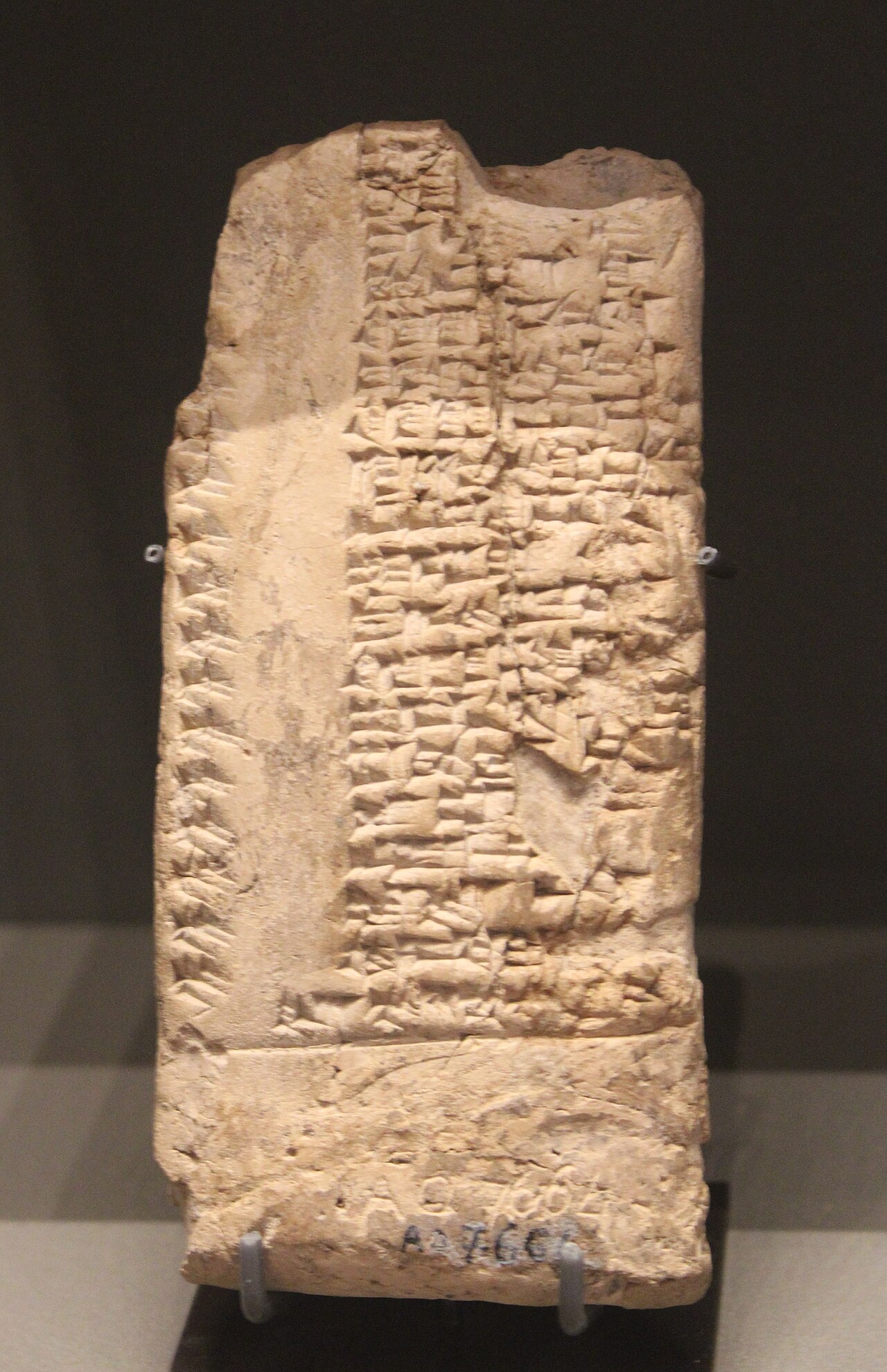
List of the year-names of Hammurabi's reign
Old Babylonian period, reign of Hammurabi (c. 1792-1750 BCE)
 Document
Secondary source
Chronicle of Early Kings
Babylonian scribes · c. 6th century BCE copy
Ready when you are
Start chatting with Hammurabi now.
20 messages free · No credit card · Available in 50+ languages.