


Primary sourceDocumentc. 496-492 BC
Letter from Darius I to a Satrap of Asia Minor
Darius I · c. 496-492 BC
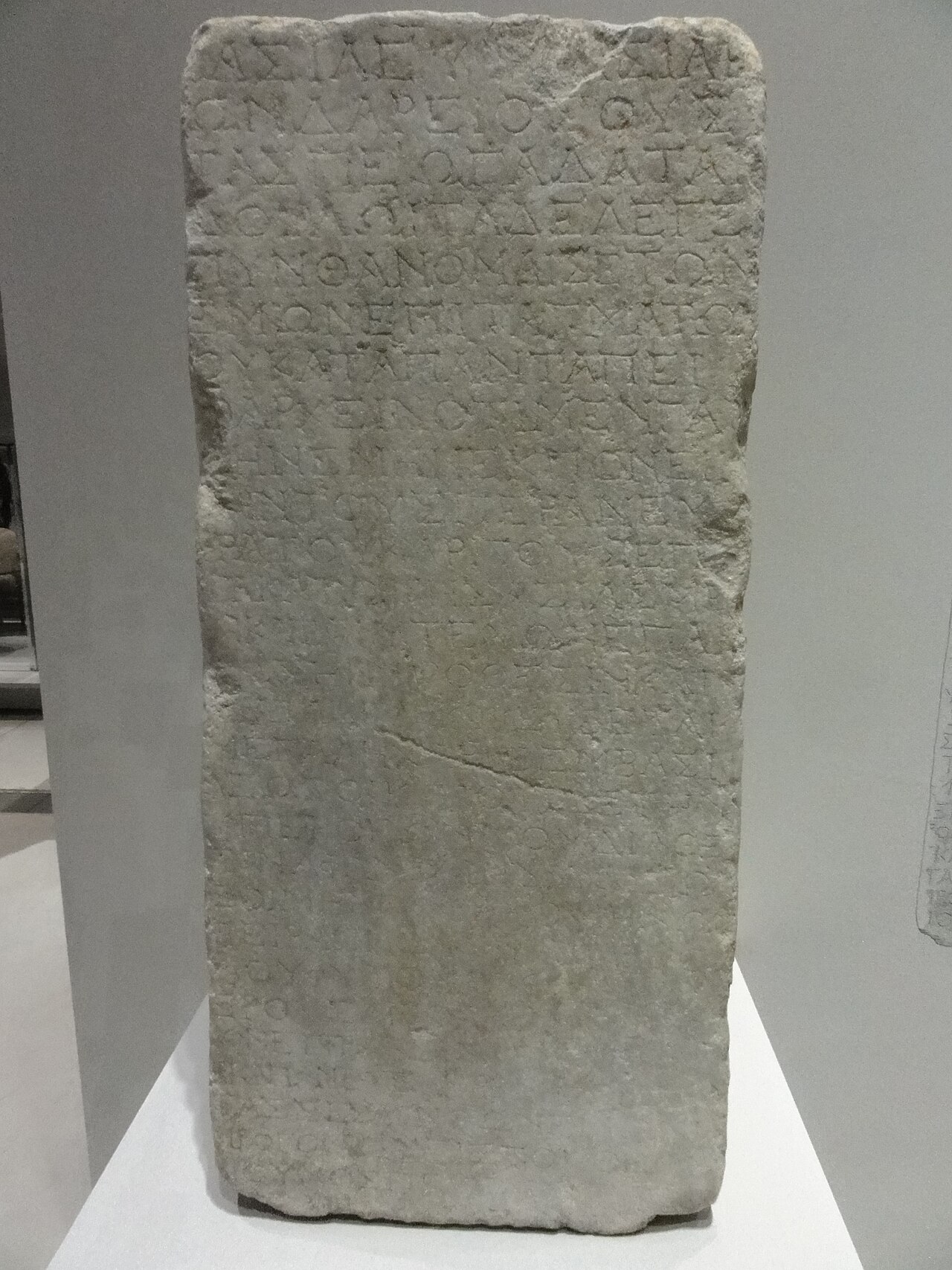
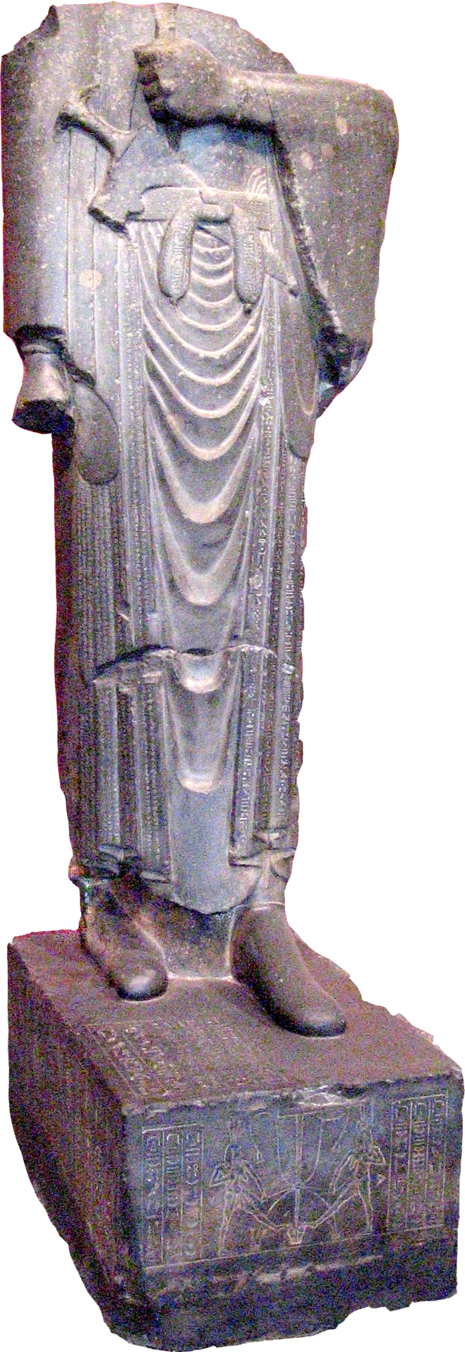
A Greek-inscribed stone letter recording a message from King Darius I to one of his provincial governors (satraps).
A letter issued in Darius's name to a satrap, direct evidence of his administration of the empire.
About this source
What it is
This is a marble or limestone stele inscribed in Greek, found at Magnesia on the Maeander in Caria (modern Turkey). It preserves the text of a letter sent by Darius I to a satrap, one of his provincial governors, dating from around 496-492 BC.
Why it matters
This inscription is direct evidence of how Darius administered his vast empire through officials called satraps. Though carved in Greek rather than Persian, it shows the reach of royal authority into the far corners of the empire and offers a rare, near-contemporary glimpse of Darius's own words of command.
Look closer
- Why might this royal letter have been copied in Greek rather than Persian?
- What does the existence of this letter tell you about how the Persian Empire was governed?
- What questions does the inscription leave unanswered about the relationship between Darius and his satraps?
This document is part of the curated material that grounds the AI version of Darius the Great on Humy.ai — when students ask about related events, the AI can quote it and cite it.
More Darius the Great sources
Meet the AI Darius the Great →

Ready when you are
Start chatting with Darius the Great now.
20 messages free · No credit card · Available in 50+ languages.