


Primary sourceLetterc. 1792-1750 BCE
Letter from Hammurabi to Shamash-hazir
Hammurabi · c. 1792-1750 BCE
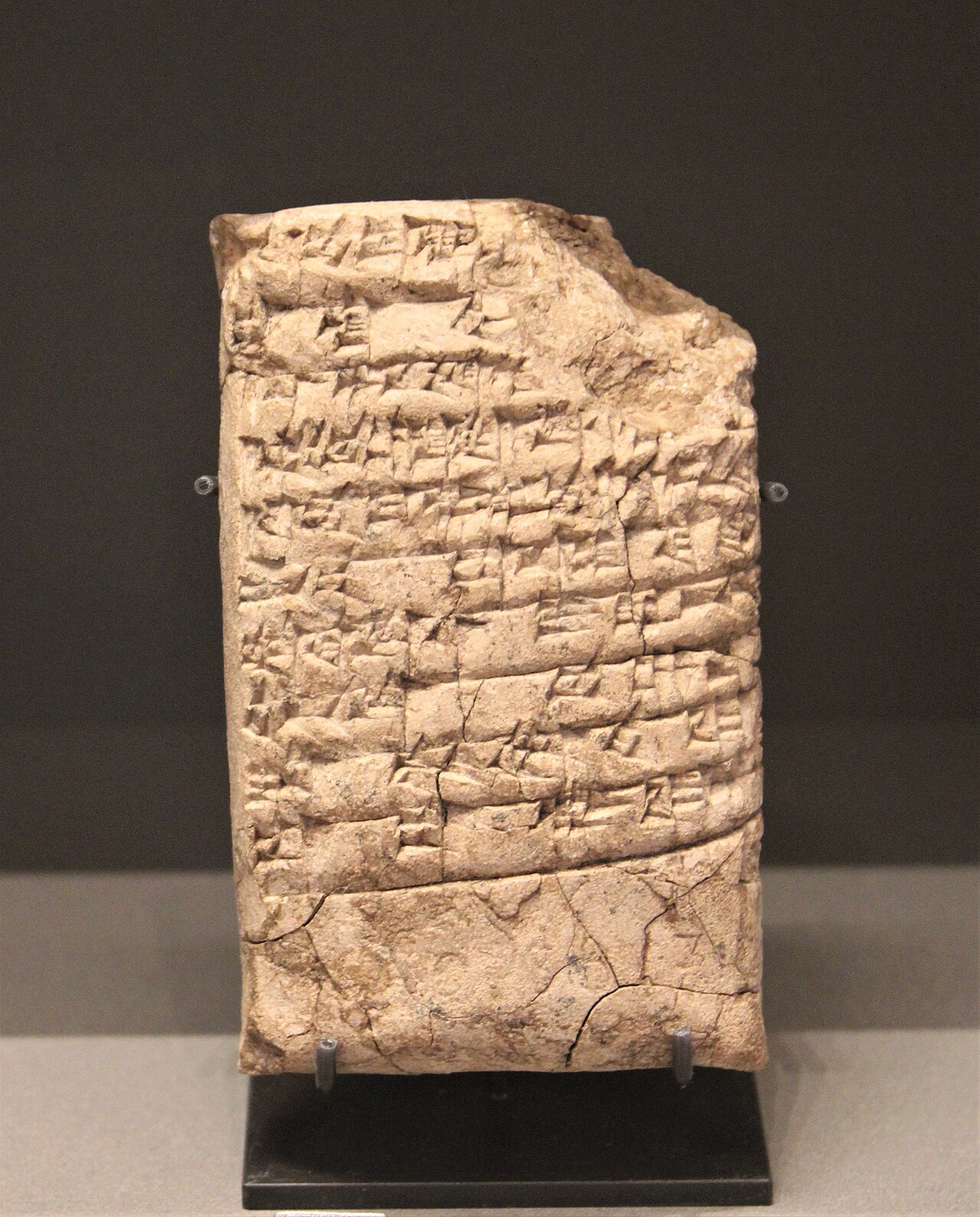
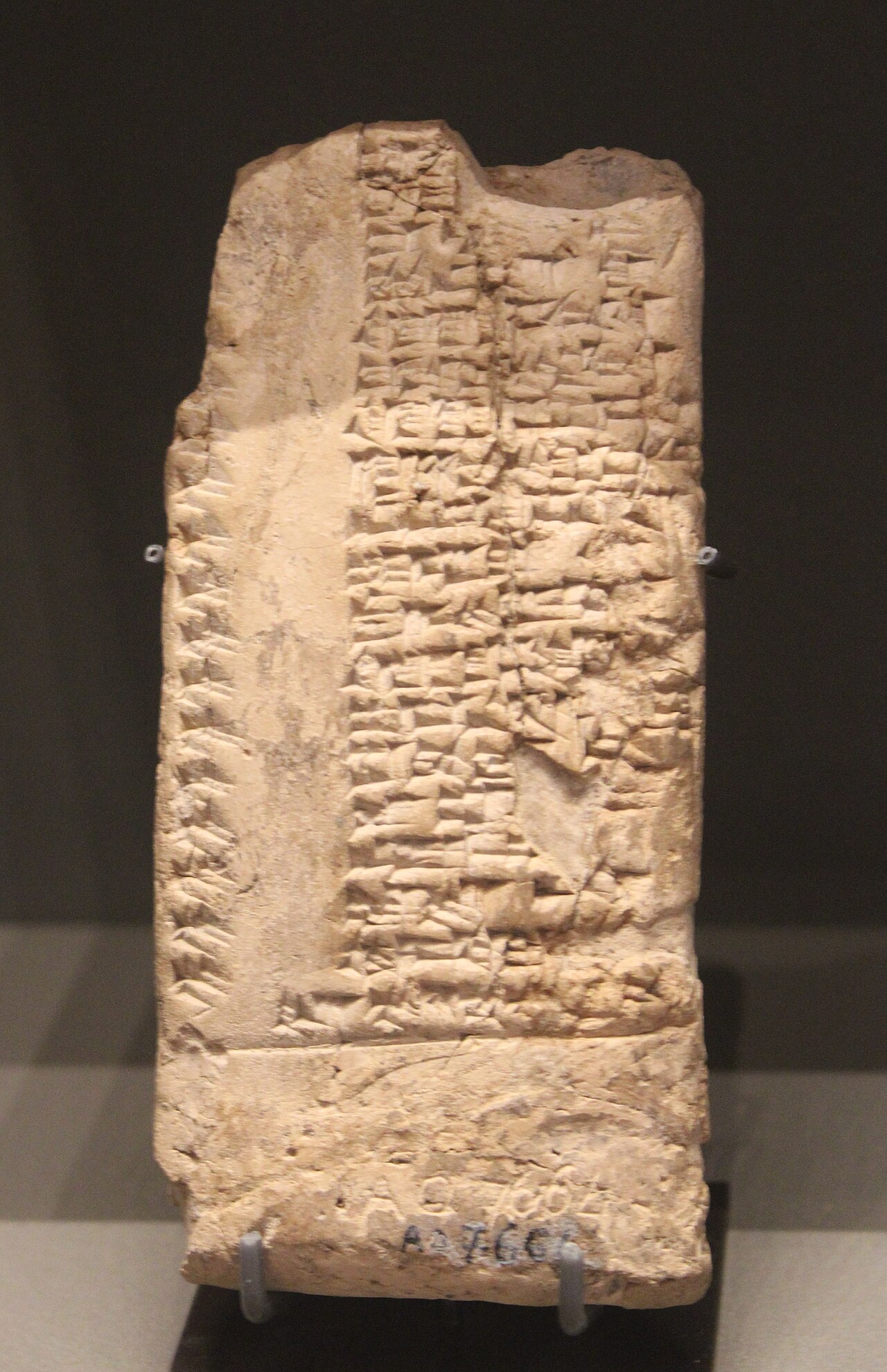
A cuneiform letter from Hammurabi to his official Shamash-hazir ordering the allotment of crown land to a person.
This letter was written by Hammurabi himself, showing his direct involvement in managing crown land.
About this source
What it is
This is a clay tablet letter written in cuneiform script, sent by King Hammurabi of Babylon to Shamash-hazir, the steward in charge of the royal estate at Larsa. It dates from Hammurabi's reign and comes from Larsa; it is now in the Louvre.
Why it matters
The letter shows Hammurabi managing the practical business of his kingdom, not just making laws. It reveals his concern with distributing crown land, likely to soldiers or dependants, showing how the king kept close control over local officials and resources.
Look closer
- What kind of writing covers the tablet, and how was it made?
- Why might a king write directly to a local official about land?
- What does this letter tell us about how Babylon's administration worked?
This letter is part of the curated material that grounds the AI version of Hammurabi on Humy.ai — when students ask about related events, the AI can quote it and cite it.
More Hammurabi sources
Meet the AI Hammurabi →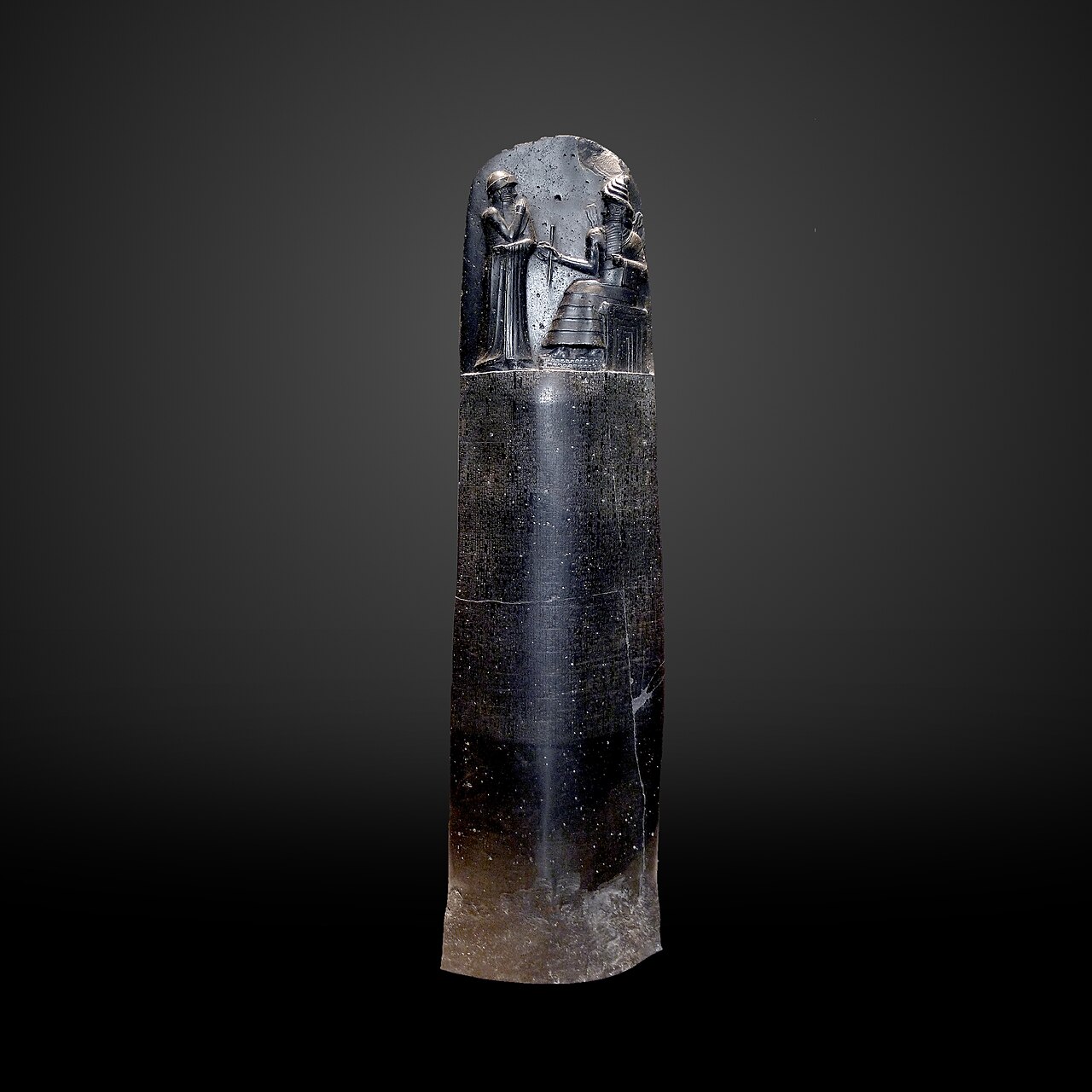 Document
Primary source
Code of Hammurabi
Hammurabi · c. 1753 BCE
 Sculpture
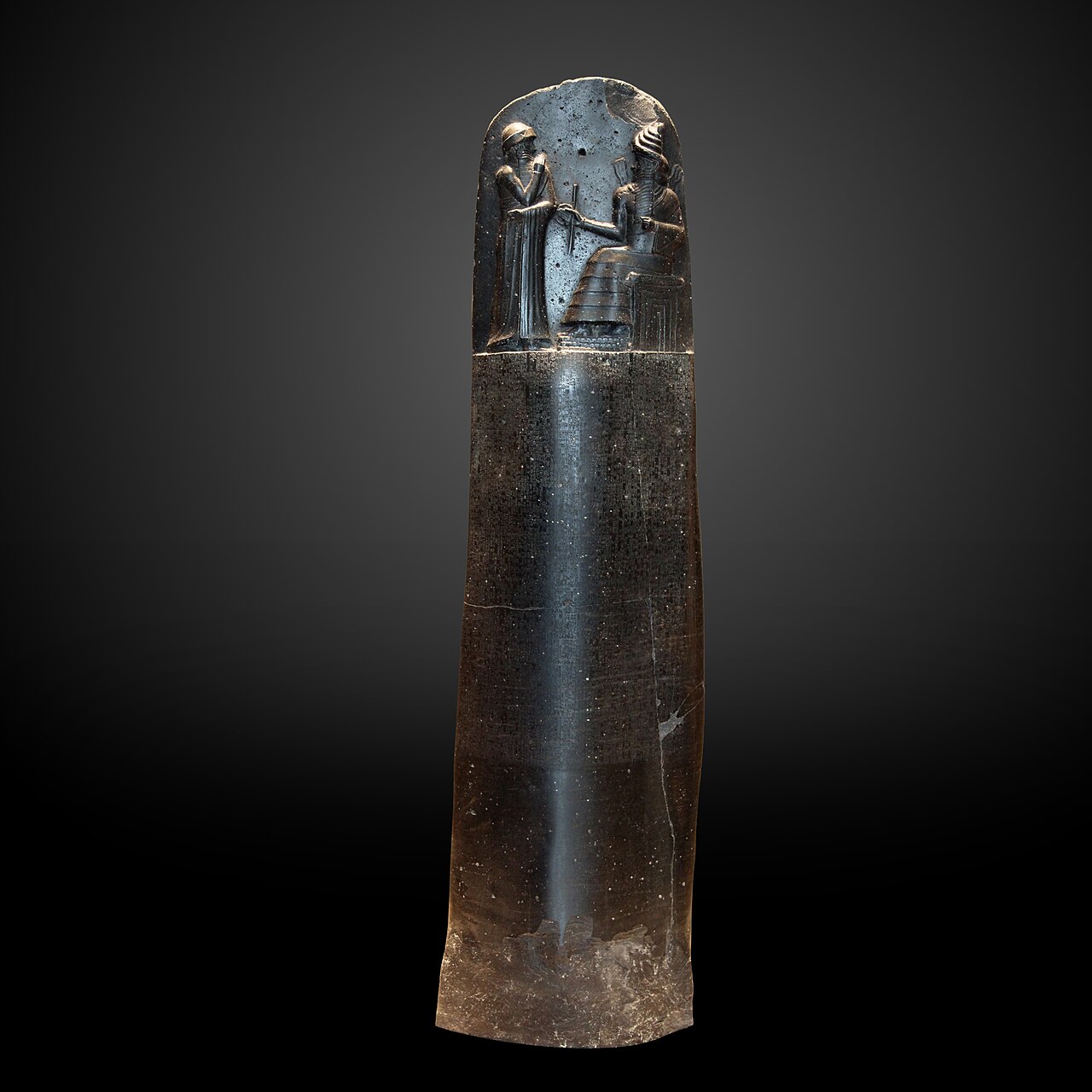
Primary source
Stele with the Code of Hammurabi
Hammurabi · c. 1792 BCE
 Letter
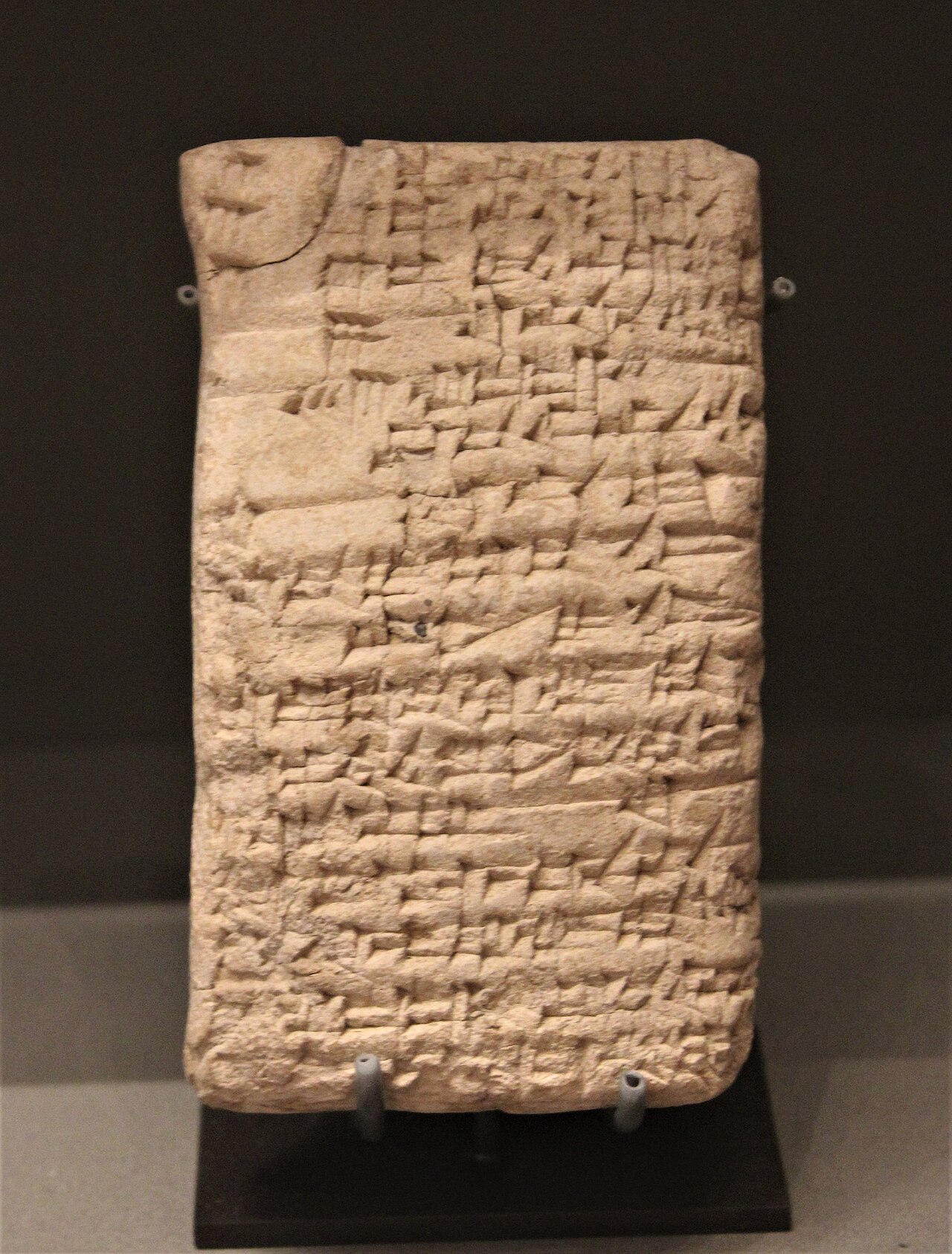
Primary source
Letter from Hammurabi to Sîn-iddinam
Hammurabi · c. 1792-1750 BCE
 Document
Primary source
List of the year-names of Hammurabi's reign
Old Babylonian period, reign of Hammurabi (c. 1792-1750 BCE)
 Document
Secondary source
Chronicle of Early Kings
Babylonian scribes · c. 6th century BCE copy
Ready when you are
Start chatting with Hammurabi now.
20 messages free · No credit card · Available in 50+ languages.