


Primary sourceLetter4th-3rd century BCE
Letter to Herodotus
Epicurus · 4th-3rd century BCE
Epicurus's own summary of his physics, explaining atoms, the universe and perception, to support his teaching of a fearless life.
This is Epicurus's own letter explaining the physical theory that underpinned his teaching of a calm, fearless life.
Free Humy account · No credit card · 120,912 sources to read
About this source
What it is
This letter was written by Epicurus to a student named Herodotus as a short summary of his larger writings on nature. It was meant to help students without time for the longer treatises to keep the main ideas in mind.
Why it matters
The letter sets out Epicurus's atomist view of the universe, building on the earlier philosopher Democritus, and explains how he thought knowledge comes from the senses. This physical theory mattered to Epicurus because he believed that understanding nature correctly would remove fear of the gods and of death, which he saw as the root of human unhappiness.
Look closer
- Why does Epicurus say a short summary is sometimes more useful than a long treatise?
- How does Epicurus connect his ideas about atoms to his ideas about living well?
- What questions about the natural world does this letter try to answer without appealing to the gods?
This letter is part of the curated material that grounds the AI version of Epicurus on Humy.ai — when students ask about related events, the AI can quote it and cite it.
More Epicurus sources
Browse all 84 →Primary source
Letter to Menoeceus
Epicurus · 4th-3rd century BCE
Secondary source
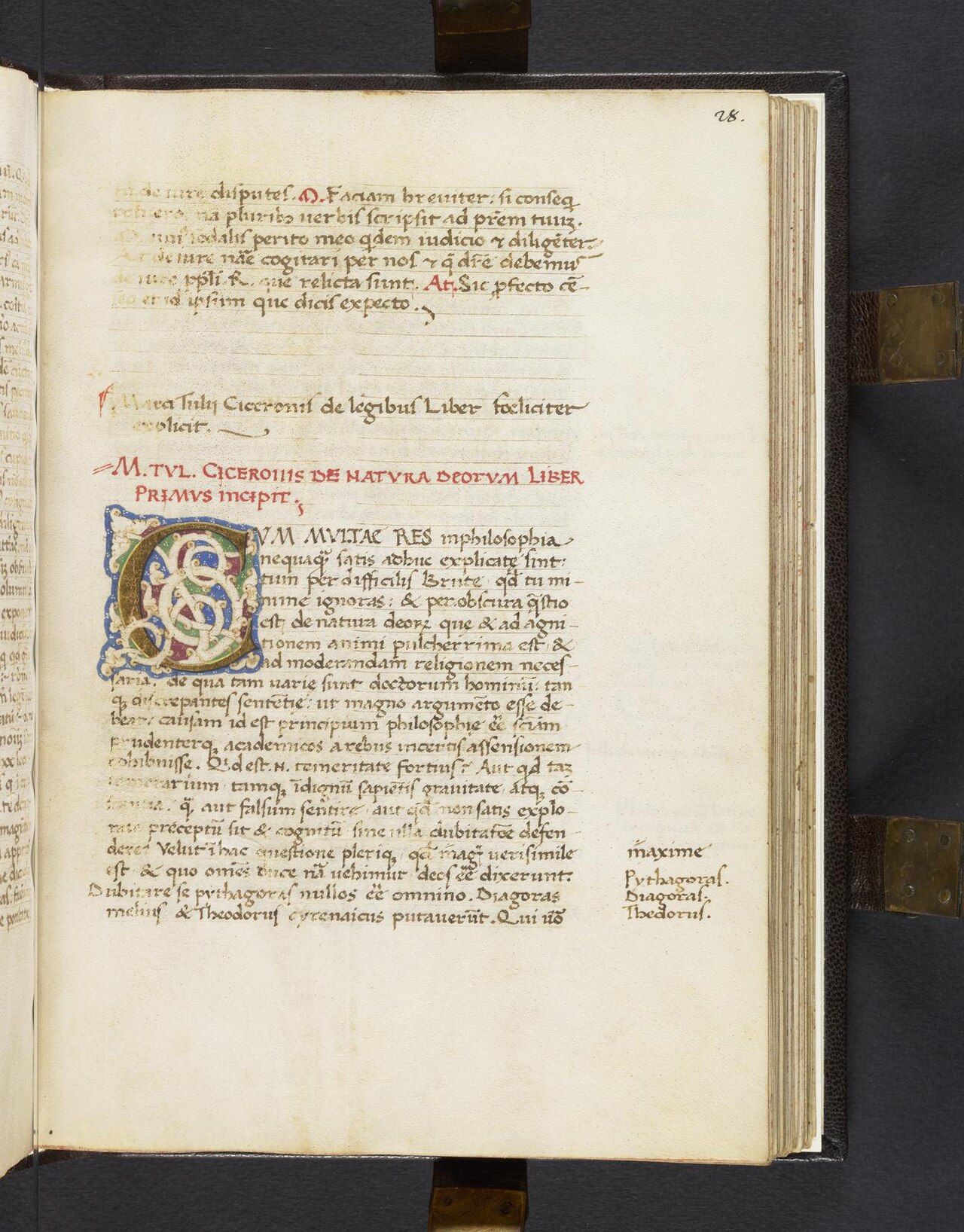
Lives of the Eminent Philosophers, Book X
Diogenes Laërtius · 3rd century CE
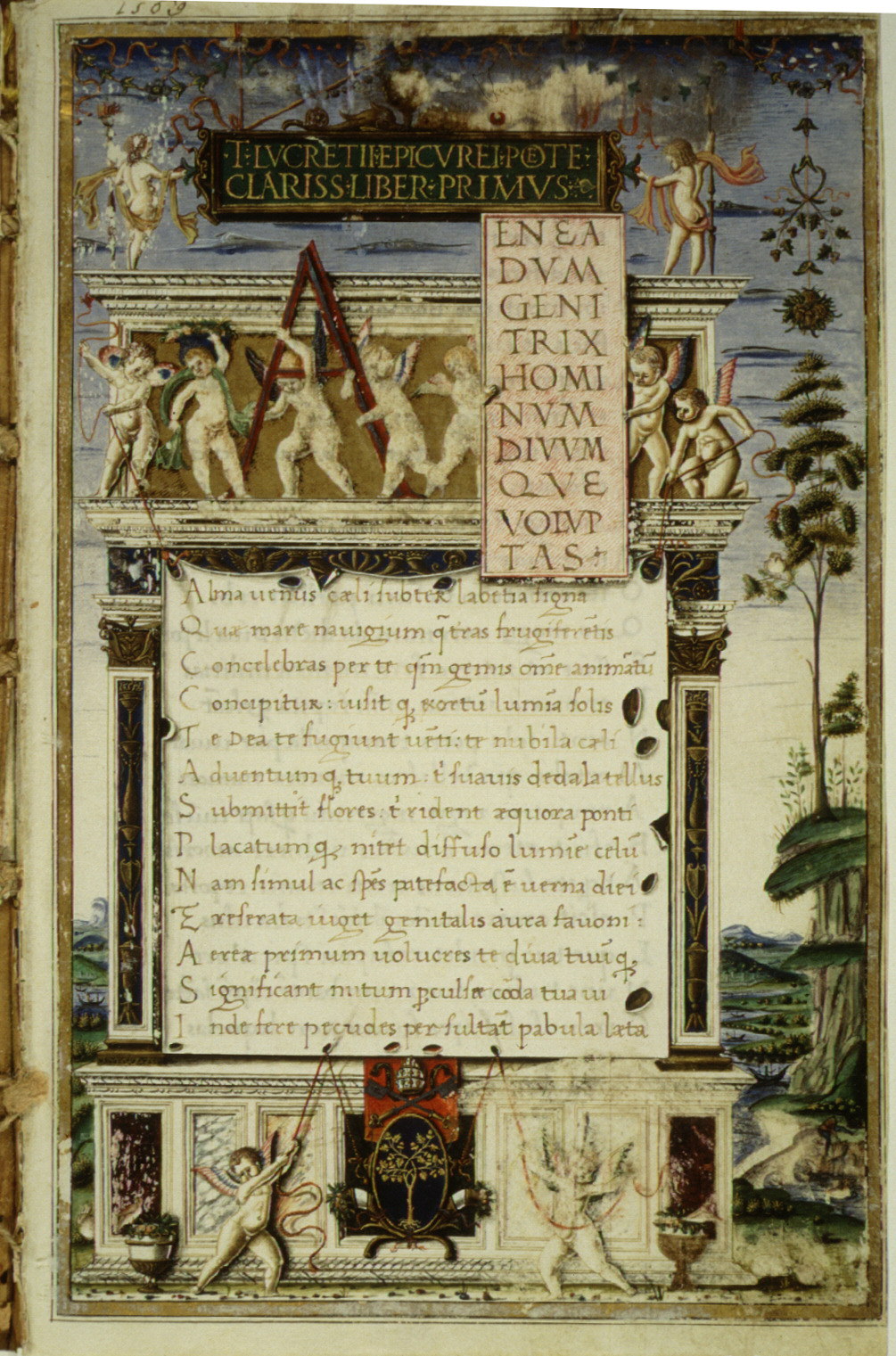 Book
Secondary source
De rerum natura
Lucretius · c. 100 BC
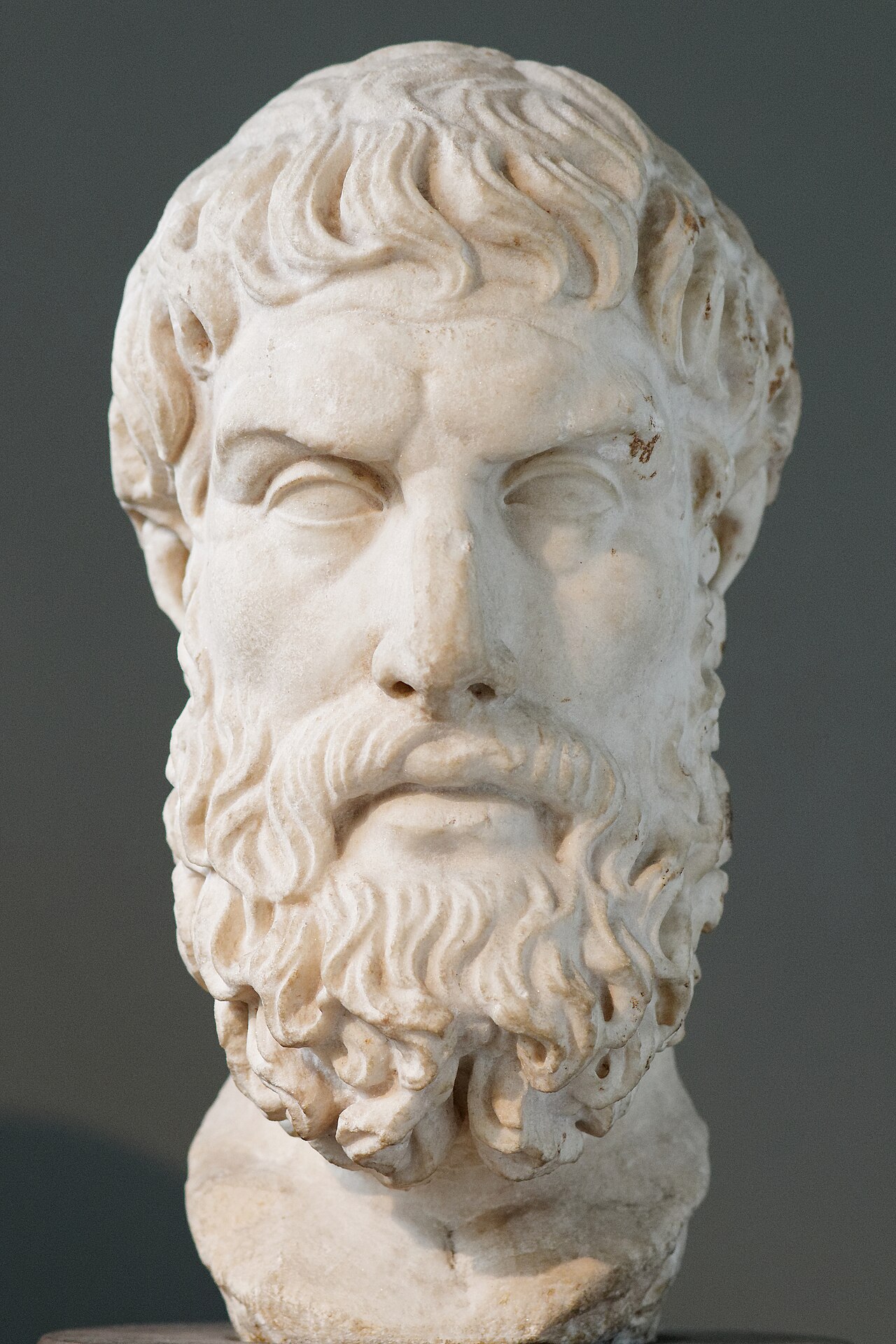 Sculpture
Secondary source
Portrait head of Epicurus
c. 130 CE
Free account
Read every Epicurus source
Sign up free →
Ready when you are
Start chatting with Epicurus now.
20 messages free · No credit card · Available in 50+ languages.