


Secondary sourceSculpturec. 130 CE
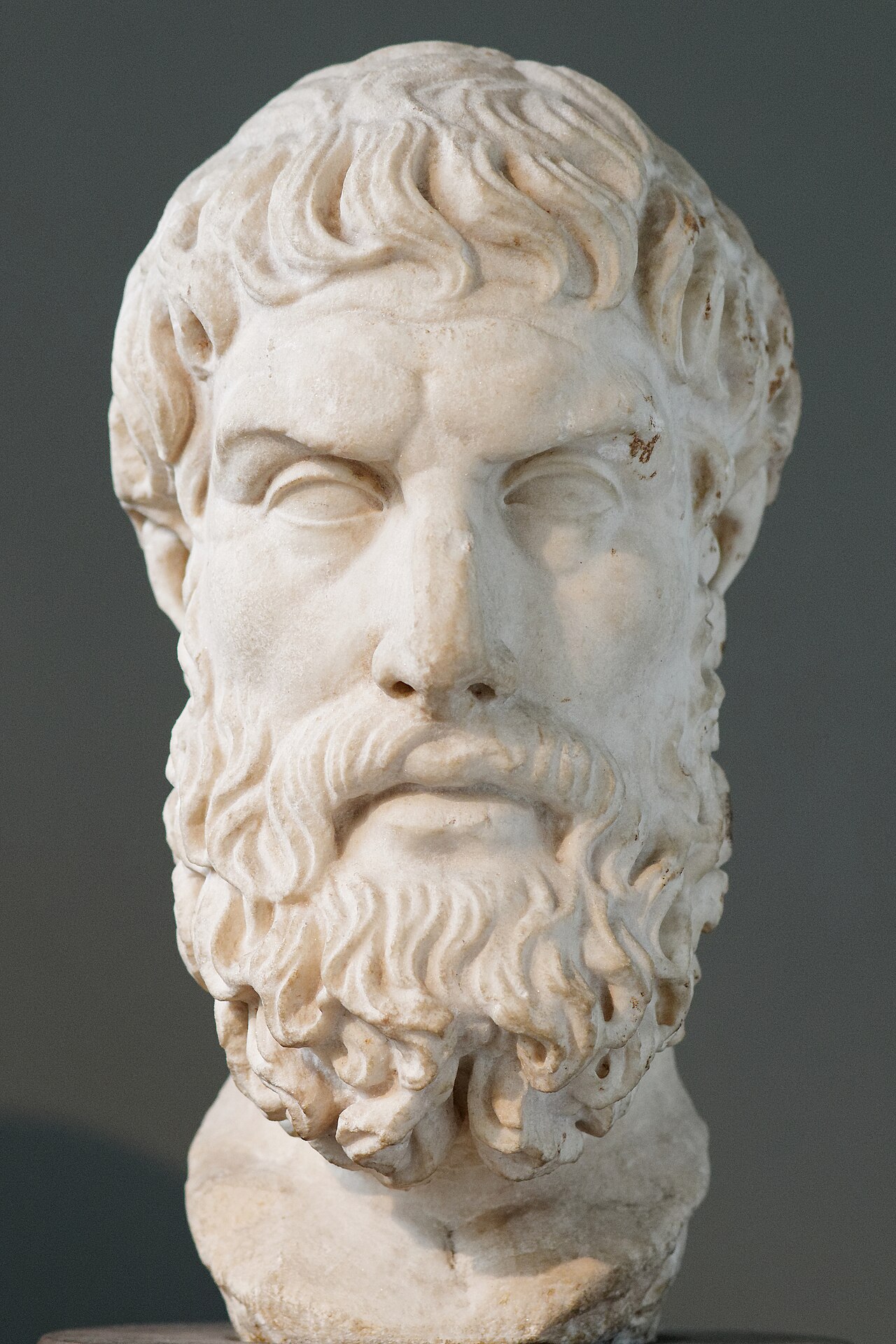
Portrait head of Epicurus
c. 130 CE
A Roman marble copy of the standard sculpted likeness of Epicurus, created so his followers could honour their founder's image.
This Roman copy of the standard portrait type shows how Epicurus's followers venerated and spread his image after his death.
About this source
What it is
This marble head is a Roman copy of a lost Hellenistic original portrait of Epicurus. It is held today by the British Museum and dates to the second century CE, long after Epicurus's own lifetime.
Why it matters
Portraits like this were produced in multiple copies and used by followers of the Epicurean school to honour their founder, almost like a shared symbol of the philosophy. The bearded, serious face became a recognisable 'type' repeated across the Roman world, showing how Epicurus's fame and following lasted for centuries after his death.
Look closer
- Why might a philosopher's portrait be copied many times across the ancient world?
- What impression does the sculpted face give of Epicurus's character?
- Since this is a copy made centuries after Epicurus lived, what does it tell us about him, and what might it get wrong?
This sculpture is part of the curated material that grounds the AI version of Epicurus on Humy.ai — when students ask about related events, the AI can quote it and cite it.
More Epicurus sources
Browse all 84 →Primary source
Letter to Menoeceus
Epicurus · 4th-3rd century BCE
Primary source
Letter to Herodotus
Epicurus · 4th-3rd century BCE
Secondary source
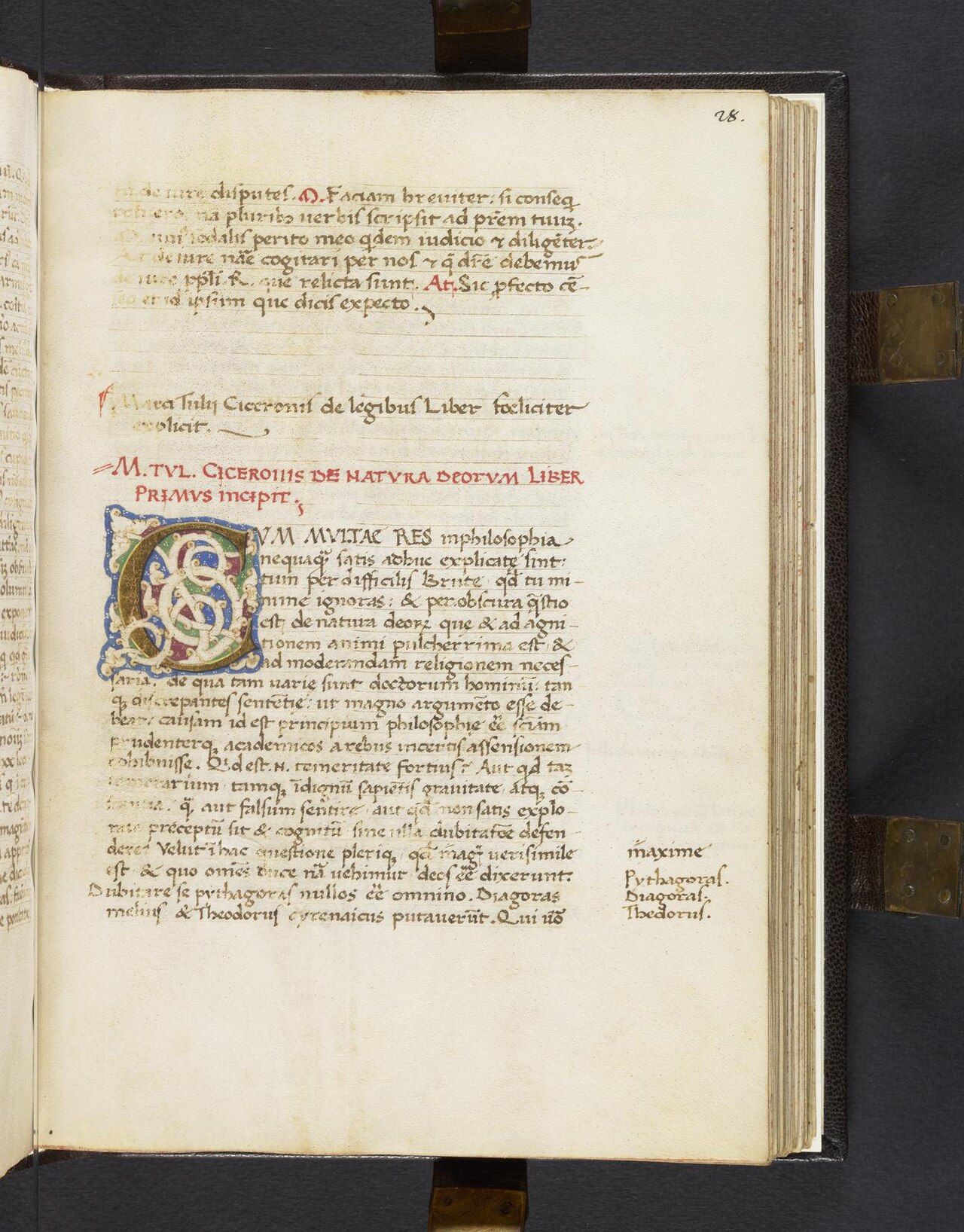
Lives of the Eminent Philosophers, Book X
Diogenes Laërtius · 3rd century CE
 Book
Secondary source
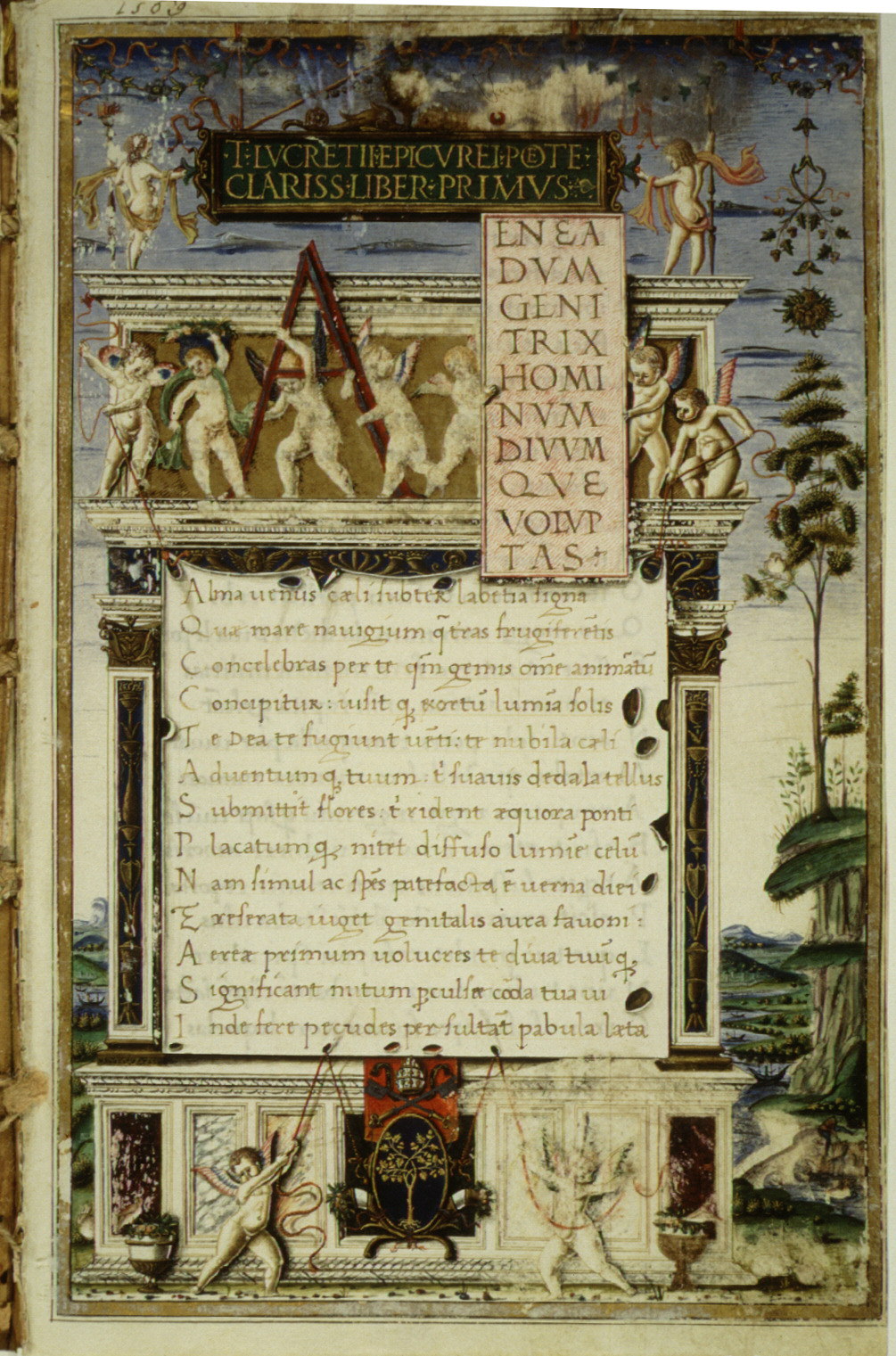
De rerum natura
Lucretius · c. 100 BC
Free account
Read every Epicurus source
Sign up free →
Ready when you are
Start chatting with Epicurus now.
20 messages free · No credit card · Available in 50+ languages.