


Primary sourceLetter4th-3rd century BCE
Letter to Menoeceus
Epicurus · 4th-3rd century BCE
Epicurus's own letter summarising his ethics, including his famous teachings that death should not be feared and that pleasure means freedom from disturbance.
This is Epicurus's own surviving letter summarising the ethical core of his philosophy.
Free Humy account · No credit card · 120,912 sources to read
About this source
What it is
This is a letter written by the philosopher Epicurus to a follower named Menoeceus. It survives as part of a later biography, and lays out his core ethical teachings in his own words.
Why it matters
The letter contains Epicurus's 'fourfold remedy': that the gods should not be feared, death is nothing to us, good things are easy to get, and suffering is easy to endure. It shows how he wanted philosophy to be a practical guide to a calm life, not just abstract theory, and it is one of only a few complete texts by him to survive.
Look closer
- Why does Epicurus say philosophy is for people of every age?
- How does he try to persuade his reader rather than just state rules?
- What does this letter suggest about how his ideas were passed on to followers?
This letter is part of the curated material that grounds the AI version of Epicurus on Humy.ai — when students ask about related events, the AI can quote it and cite it.
More Epicurus sources
Browse all 84 →Primary source
Letter to Herodotus
Epicurus · 4th-3rd century BCE
Secondary source
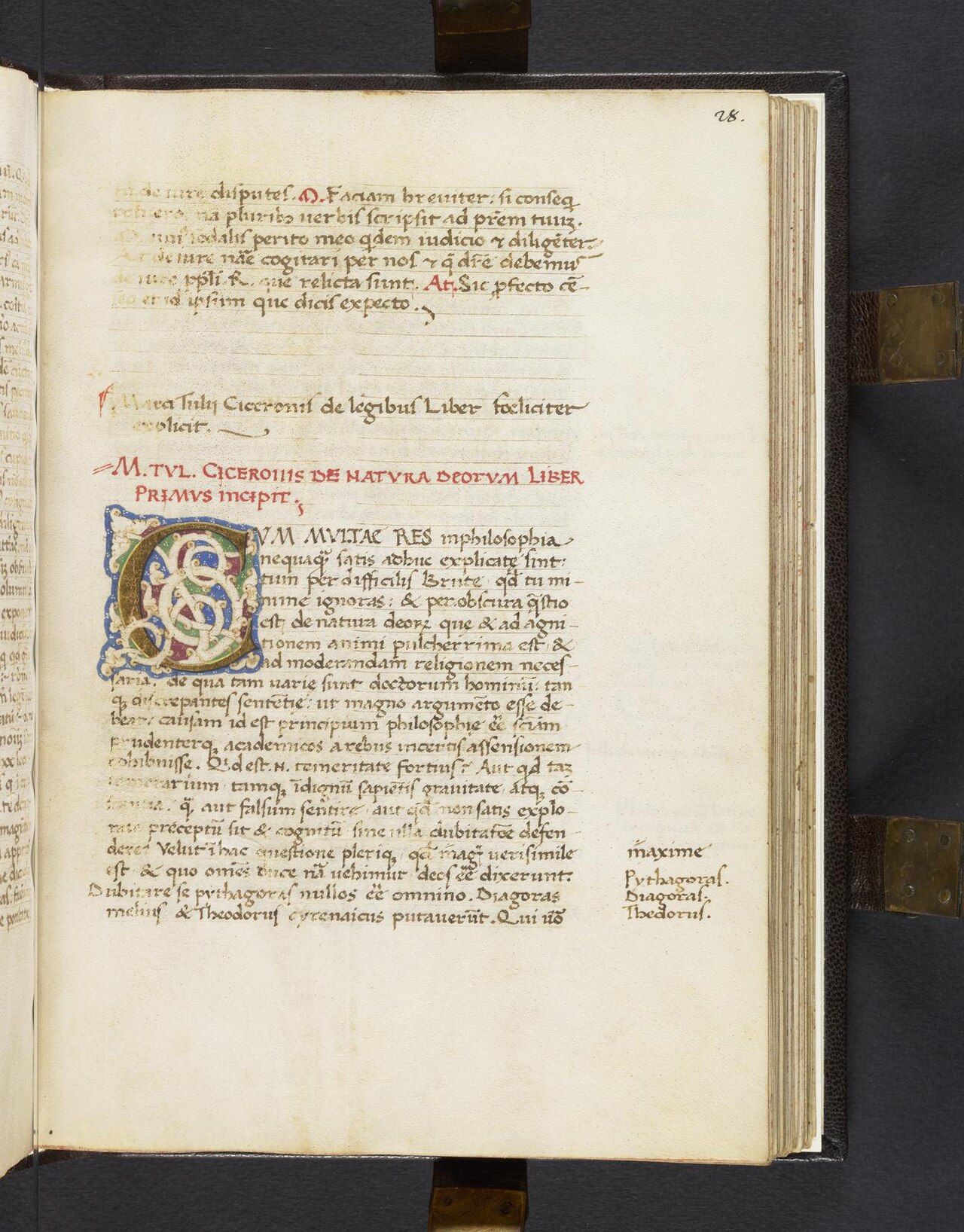
Lives of the Eminent Philosophers, Book X
Diogenes Laërtius · 3rd century CE
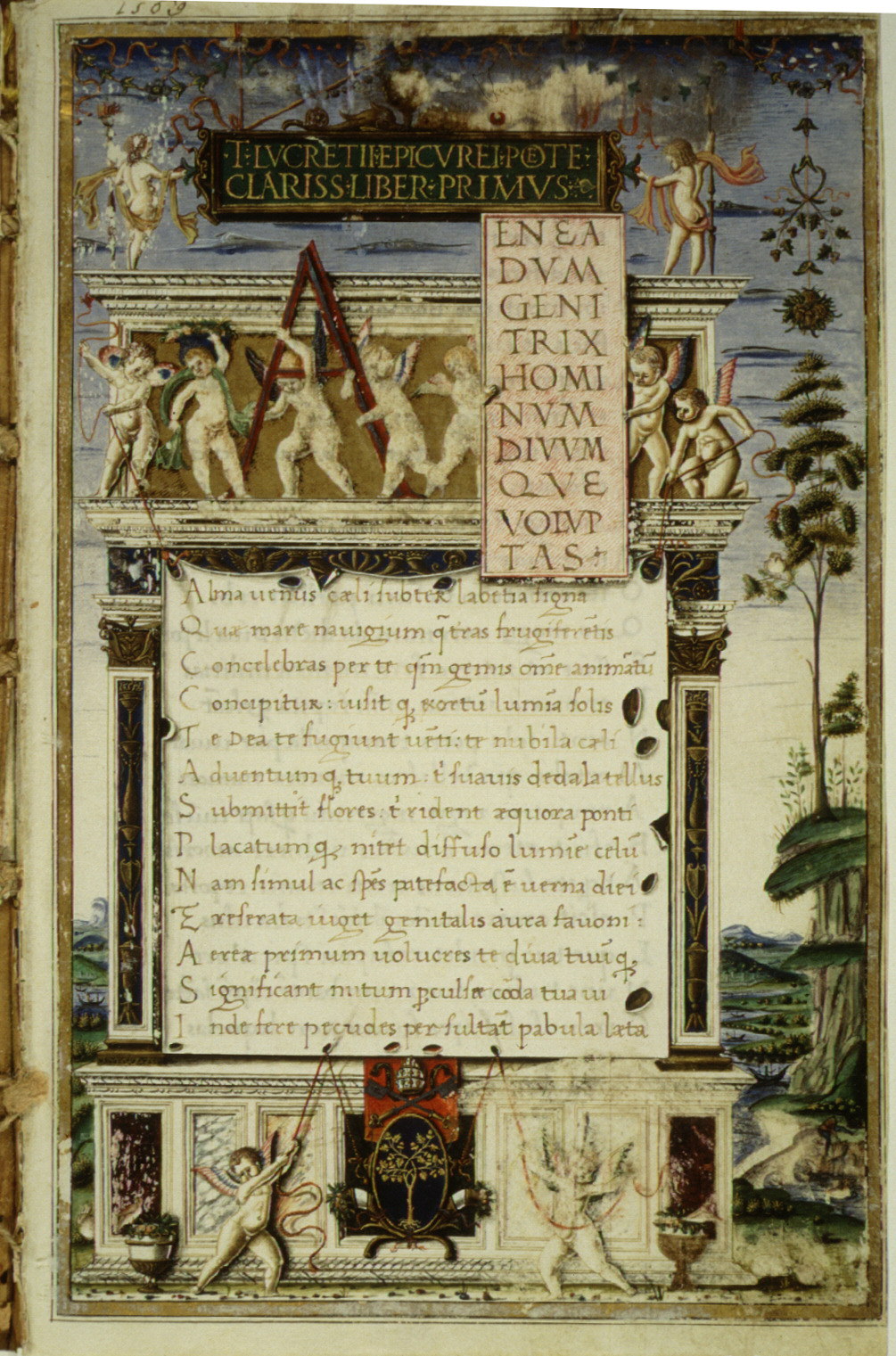 Book
Secondary source
De rerum natura
Lucretius · c. 100 BC
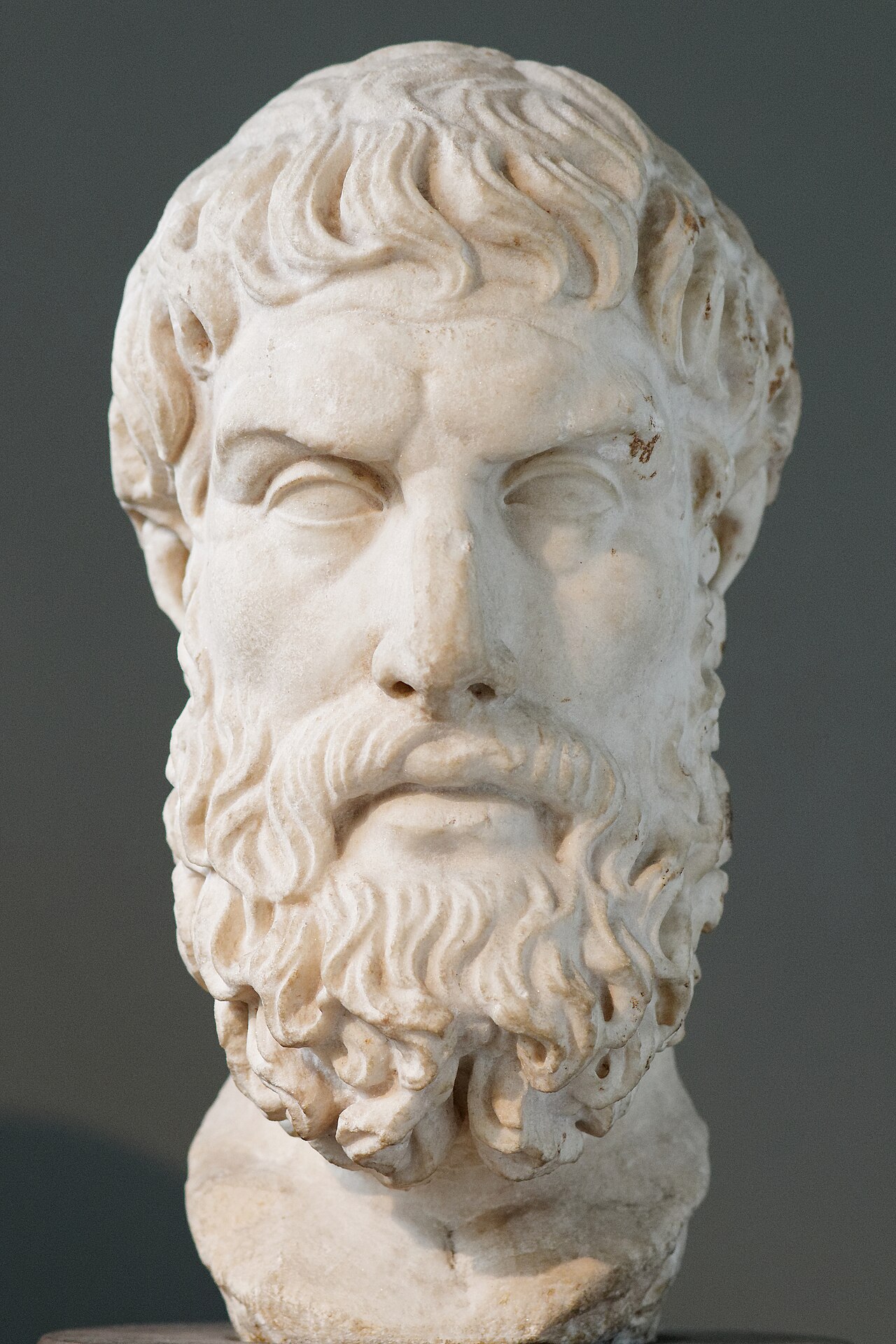 Sculpture
Secondary source
Portrait head of Epicurus
c. 130 CE
Free account
Read every Epicurus source
Sign up free →
Ready when you are
Start chatting with Epicurus now.
20 messages free · No credit card · Available in 50+ languages.