


Secondary sourceBooklate 12th–early 13th century
Libellus de expugnatione Terrae Sanctae per Saladinum
late 12th–early 13th century
An anonymous Latin chronicle, written soon after the events, describing Saladin's conquest of the Holy Land in the 1180s.
This near-contemporary chronicle is an early European account of Saladin's conquest of Jerusalem and the Holy Land.
About this source
What it is
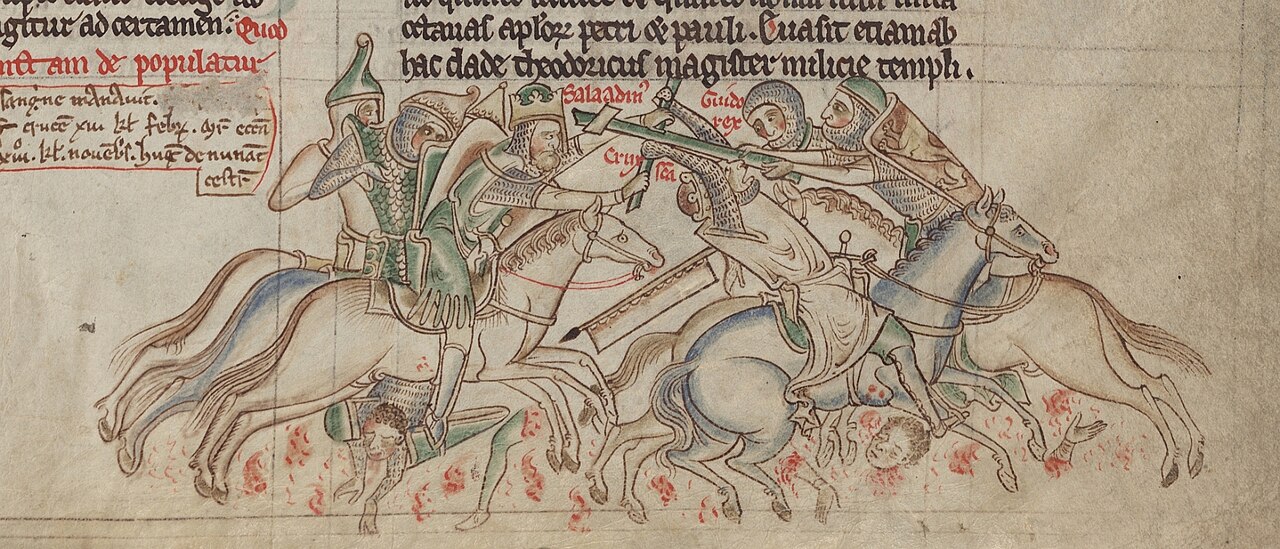
This short Latin chronicle, known as the Libellus de expugnatione Terrae Sanctae per Saladinum, describes the conquests of Saladin in the Holy Land between 1186 and 1191. Its core was written shortly after the events by an unknown author, possibly an eyewitness, and later supplemented at Coggeshall Abbey in England with an account of the Third Crusade. It survives in several medieval manuscripts, including one at the British Library.
Why it matters
Although it is a Christian chronicle written from the crusaders' point of view, it gives one of the earliest detailed narratives of Saladin's campaigns, including the battle of Cresson and the fall of Jerusalem. It shows how deeply his victories affected European writers, who mourned the losses of Christian knights and holy places.
Look closer
- Why might the author remain anonymous?
- How does writing from the losing side shape the way Saladin is described?
- What details does the text choose to dwell on, and what might it leave out?
This book is part of the curated material that grounds the AI version of Saladin on Humy.ai — when students ask about related events, the AI can quote it and cite it.
More Saladin sources
Meet the AI Saladin →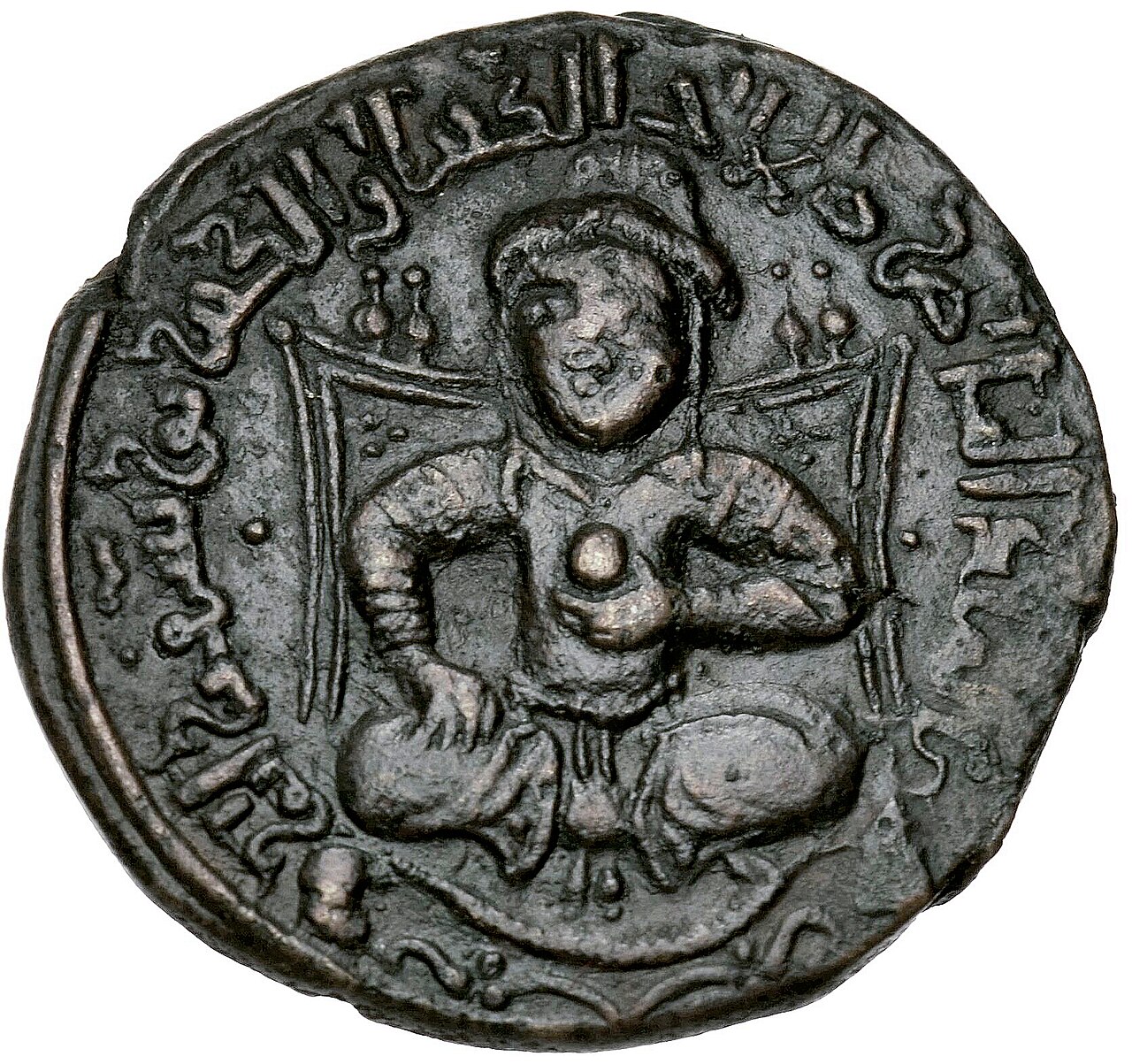 Artifact
Primary source
Dirham of Saladin
AH 586 (AD 1190-91)
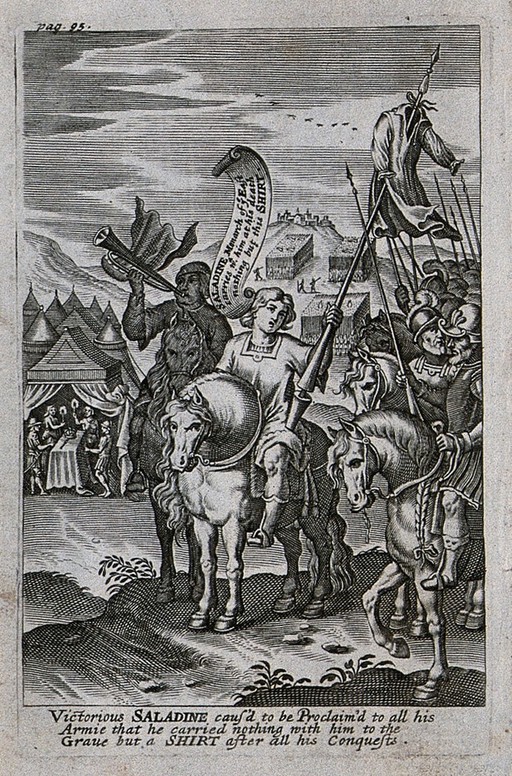 Painting
Secondary source
Saladin Proclaims He Will Take Only a Shirt to His Grave
John Payne · 1639
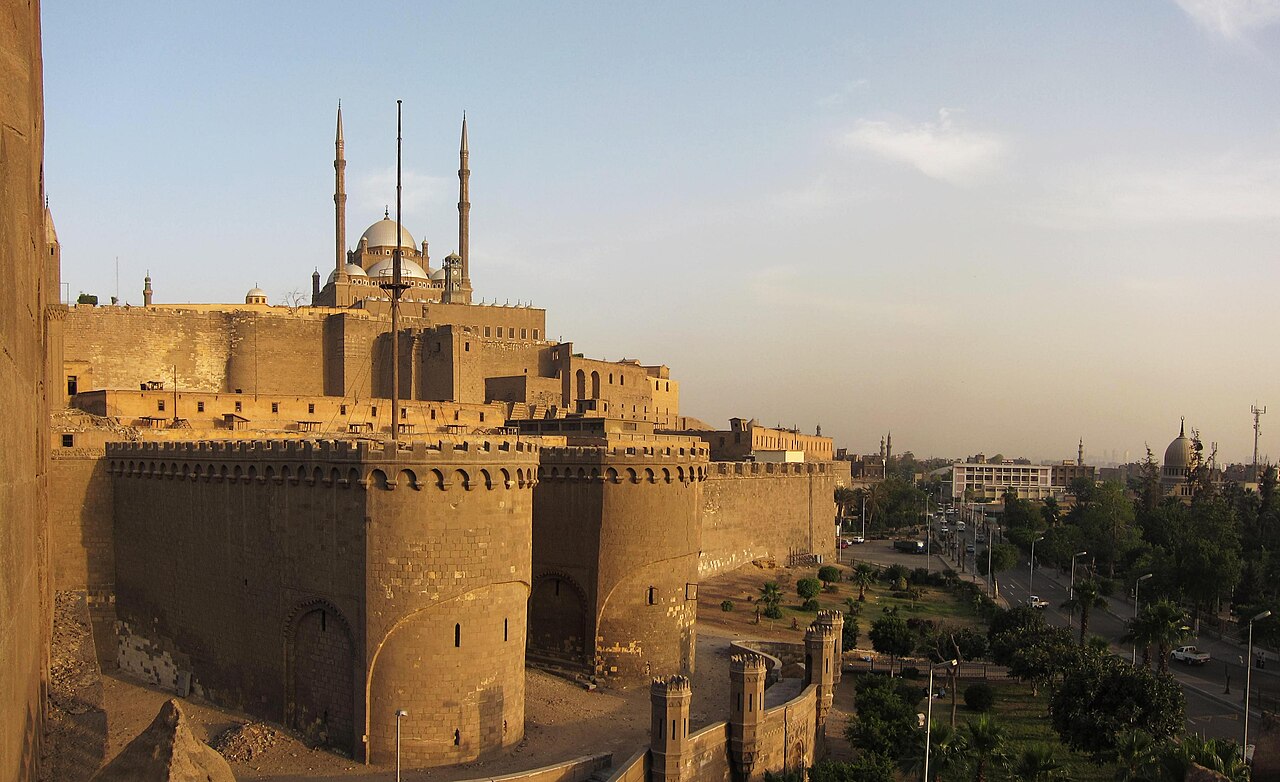 Artifact
Primary source
Cairo Citadel
Saladin · begun 1176
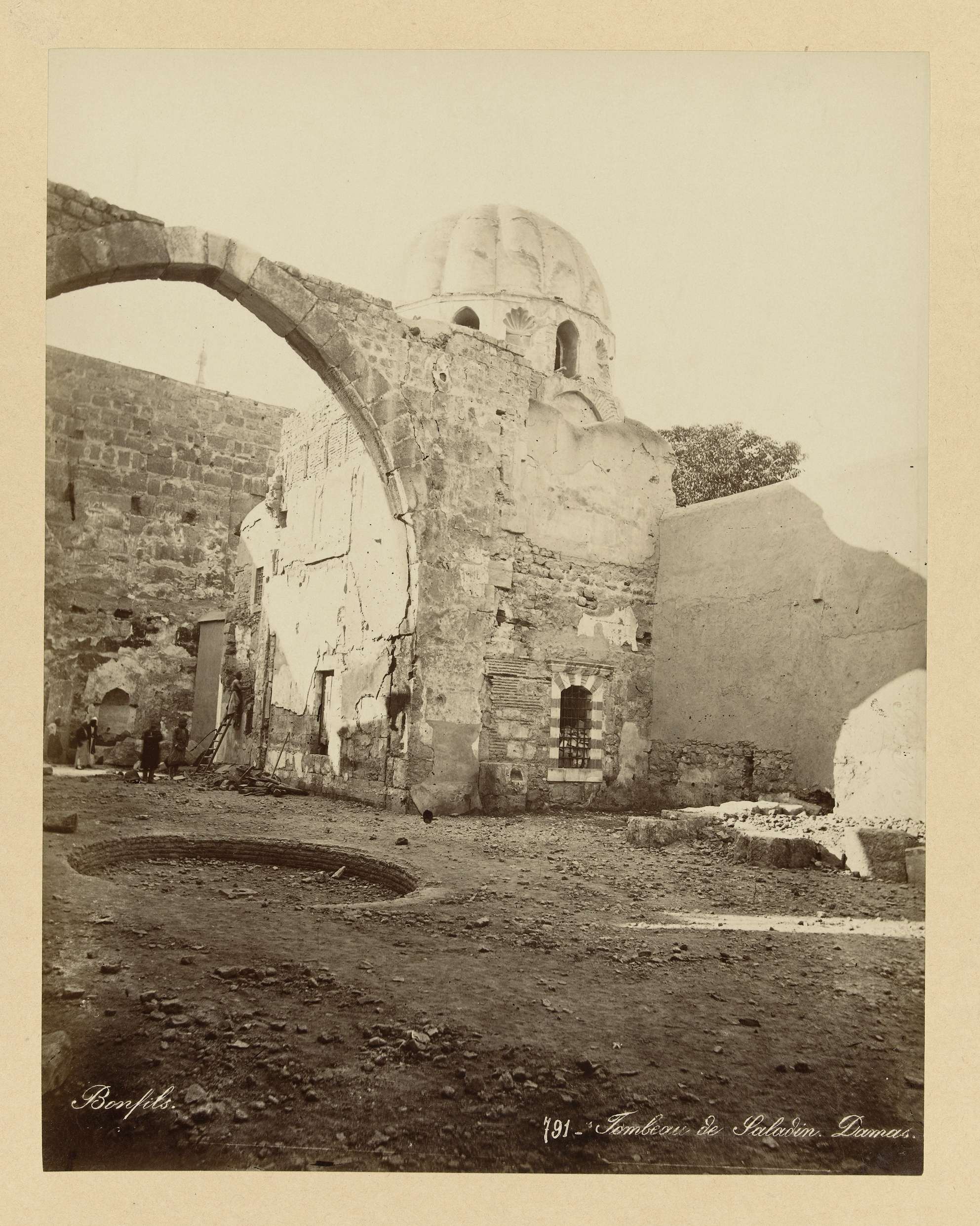 Photograph
Secondary source
Tomb of Saladin, Damascus
 Painting
Secondary source
Saladin Seizing the True Cross from Guy of Lusignan
Matthew Paris
Ready when you are
Start chatting with Saladin now.
20 messages free · No credit card · Available in 50+ languages.